
So, how much is a half yard of fabric? Generally, a half yard of fabric costs about half the price of a full yard. However, the actual price depends heavily on the type of fabric, its quality, the brand, and where you purchase it. This guide will delve into the factors influencing fabric prices and help you navigate the world of fabric measurements and costs.
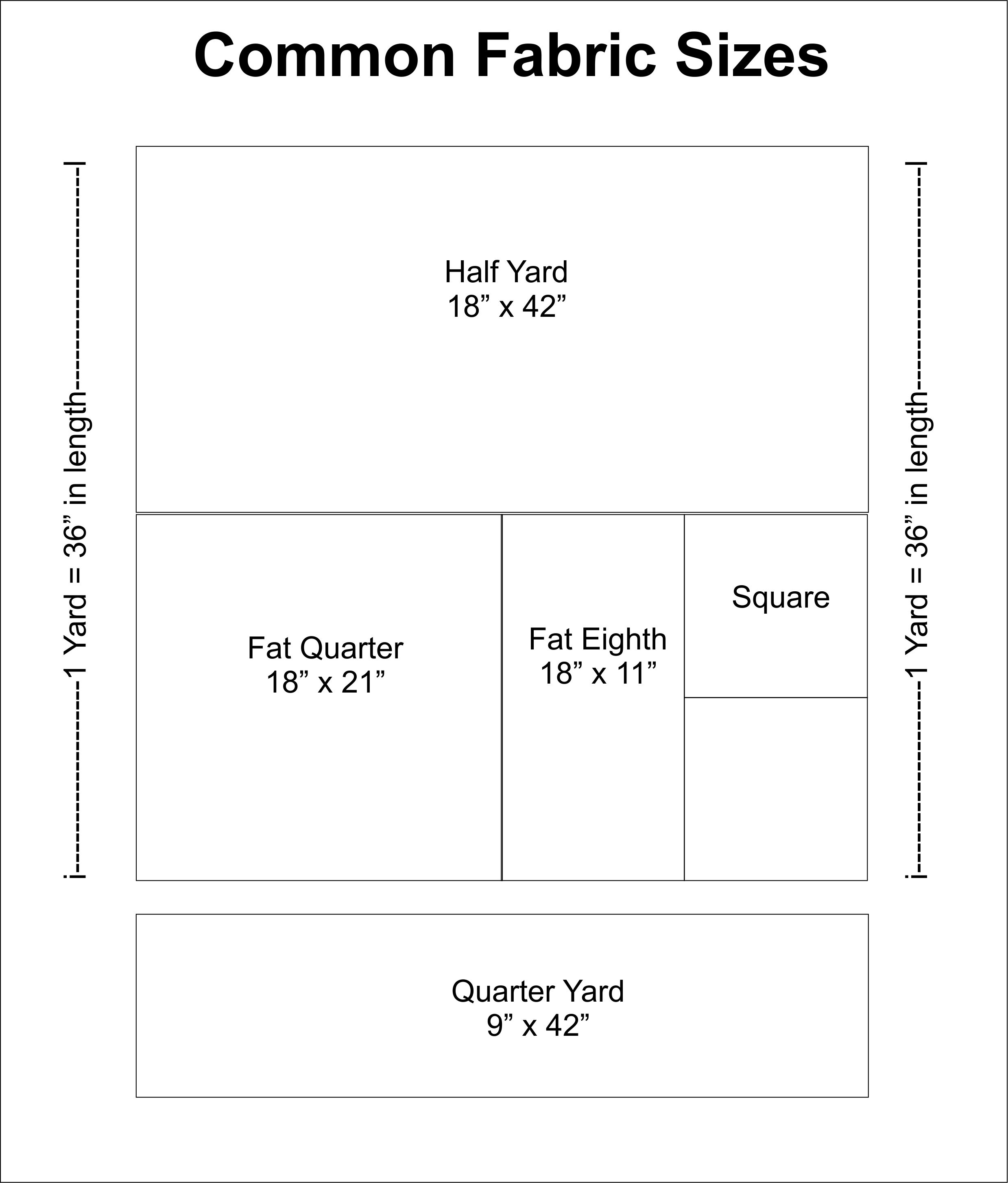
Image Source: snappy-baby.com
The Basics of Fabric Measurements
Before we talk about price, it’s crucial to grasp how fabric is measured and sold. This foundational knowledge is key to comprehending fabric yardage calculator use and determining how much fabric to buy.
Deciphering Fabric Measurements
Fabric is typically sold by the yard, which is a unit of length. In the United States, one yard is equal to 36 inches or approximately 0.9144 meters. When you buy fabric by the yard, you’re buying a length of fabric that is typically 44 to 60 inches wide. This width is called the “selvage” and runs along the length of the fabric.
How Many Yards in Half a Yard?
This might seem simple, but clarity is important. There are precisely two half yards in one full yard. So, if a yard is 36 inches, a half yard is 18 inches.
Fabric Measurement Conversion
Sometimes you’ll see fabric sold in meters, especially if you’re shopping internationally or buying fabrics with European origins. Knowing the fabric measurement conversion is vital.
- 1 Yard = 0.9144 Meters
- 1 Meter = 1.0936 Yards
- Half Yard = 0.4572 Meters
This conversion helps when comparing prices or when a project specifies measurements in metric units.
Factors Affecting Fabric Cost Per Yard
The fabric cost per yard can vary dramatically. Several key elements contribute to the final price tag you see on that bolt of cloth.
Fabric Type and Material
The raw material from which fabric is made is a primary cost driver.
Cotton Fabric Per Yard
- Basic Cotton: Standard quilting cotton, often used for clothing, crafts, and home décor, is generally one of the more affordable options. Prices can range from $4 to $15 per yard.
- High-Quality Cotton: Mercerized cotton, Pima cotton, or Supima cotton, known for their strength, luster, and softness, will command higher prices, sometimes $15 to $30 per yard.
- Printed Cotton: The complexity and licensing of prints can also influence the price. Designer prints or licensed characters might be more expensive than generic patterns.
Linen
Linen, derived from the flax plant, is known for its strength, breathability, and luxurious drape. It’s typically more expensive than cotton.
- Price Range: You can expect to pay anywhere from $15 to $50 per yard for good quality linen, depending on its weight, weave, and origin.
Silk
Silk is a natural protein fiber produced by silkworms. It’s prized for its sheen, softness, and strength.
- Price Range: Silk prices are highly variable. Basic silks might start around $20 per yard, but luxurious silks like charmeuse, chiffon, or brocade can easily reach $50 to $100+ per yard.
Wool
Wool comes from sheep and other animals. Its warmth, durability, and ability to wick moisture make it a popular choice for outerwear and high-end garments.
- Price Range: Wool prices vary widely. Basic wool blends might be $15-$30 per yard, while fine merino wool, cashmere blends, or tweed can cost $30 to $100+ per yard.
Synthetics (Polyester, Rayon, Nylon, Spandex)
Synthetic fabrics are manufactured from chemicals. Their prices are often lower than natural fibers, but high-performance synthetics can be costly.
- Polyester: Generally very affordable, ranging from $3 to $10 per yard for basic types. Performance polyesters can be more.
- Rayon/Viscose: Often priced between $8 to $25 per yard, depending on the weave and finish.
- Nylon & Spandex: These are often used in activewear and swimwear. They can range from $10 to $40 per yard, with specialized blends being higher.
Fabric Weight and Weave
The weight of the fabric (how much it weighs per square yard or meter) and its weave (how the threads are interlaced) also impact the fabric cost per yard.
- Heavier fabrics like denim, canvas, or upholstery fabric often contain more material, increasing their cost.
- Finer weaves or intricate weaves like jacquard or brocade require more complex manufacturing processes and can be more expensive.
Brand and Designer Labels
Just like with clothing, fabric brands and designer collaborations carry a premium. Renowned fabric designers or manufacturers often command higher prices due to their reputation, unique designs, and perceived quality.
Retailer and Location
- Brick-and-Mortar Stores: Local fabric shops often have higher overhead costs (rent, staff) which can be reflected in their prices. However, they offer the advantage of seeing and touching the fabric before buying.
- Online Retailers: Online stores can sometimes offer more competitive pricing due to lower overhead, but you miss the tactile experience. Shipping costs also need to be factored in.
- Specialty Stores: Stores focusing on specific types of fabric (e.g., bridal, upholstery, quilting) might have higher prices for their specialized selections.
Pricing of Half Yards: The Nitty-Gritty
Now, let’s get specific about the fabric by the half yard price. While it’s tempting to simply divide the per-yard price by two, that’s not always how it works.
Why Half Yards Aren’t Always Exactly Half Price
- Minimum Cuts: Some fabric stores have a minimum purchase requirement, often a quarter or half yard. When buying by the half yard, you are often getting that minimum cut.
- Retailer Pricing Strategies: Stores might price half yards slightly differently than simply half of the per-yard price. This can be to manage inventory, encourage larger purchases, or due to the labor involved in cutting smaller quantities.
- “By the Half Yard” Pricing: Some fabrics are explicitly priced “by the half yard.” This means the listed price is for 18 inches of length, and you’d multiply that by two to get the per-yard cost.
Estimating the Cost of a Half Yard
To estimate, take the fabric cost per yard and divide it by two. For example:
- If fabric costs $10 per yard, a half yard will likely be around $5.
- If fabric costs $25 per yard, a half yard might be around $12.50.
However, always check the store’s pricing structure. Some might round up or down, or have a slightly different pricing for half-yard cuts.
When Do You Need Half Yards?
Understanding how much fabric to buy often involves knowing when a half yard is sufficient.
Craft Projects and Small Items
Many smaller crafts don’t require a full yard of fabric.
- Potholders: Typically require about a quarter yard for the exterior and interior.
- Scrunchies: Often use about 6-8 inches of fabric.
- Small bags or pouches: May need between a quarter and a half yard.
- Fabric coasters: Usually require less than a quarter yard.
Quilting Projects
Quilting fabric price is a significant consideration for quilters. While larger quilts require many yards, smaller quilting projects or specific blocks might only need small pieces.
- Fat Quarters: A fat quarter is a specific cut of fabric, typically 18 inches by 22 inches (half the width of a standard 44-45 inch wide fabric). While not exactly a half yard (which is 18 inches by 44-45 inches), it’s a common quilting cut. A fat quarter is equivalent to 1/8 of a yard of fabric. Quilters often buy fat quarters for variety.
- Quilt Blocks: Individual quilt blocks might only need a few inches of fabric, which can be cut from larger pieces.
Garment Sewing
For garment sewing, the amount of fabric needed varies greatly by pattern, size, and fabric width.
- Small Accessories: Items like headbands, fabric masks, or small doll clothes might use less than a half yard.
- Children’s Clothing: Some simpler children’s garments might be achievable with a half yard to a full yard, depending on the pattern.
- Testing Patterns: Sometimes, a quilter or sewer might buy a half yard of a fabric they’re less familiar with to test a pattern or technique before committing to a larger purchase.
Navigating Fabric Sales and Discounts
Taking advantage of fabric sales and discounts can significantly reduce the overall cost of your projects.
Types of Sales and Discounts
- Percentage Off: “20% off all cotton fabrics.”
- Dollar Amount Off: “$5 off all yardage.”
- Buy One, Get One (BOGO): Common for specific types or brands of fabric.
- Clearance/End-of-Bolt Sales: Fabric shops often have bins or sections with discounted fabrics that are being cleared out. These might be available in smaller quantities, including half yards.
- Seasonal Sales: Look out for sales around holidays or specific shopping events.
How to Maximize Savings
- Sign Up for Email Lists: Many fabric stores send out notifications about sales and promotions.
- Loyalty Programs: Join loyalty programs at your favorite stores for exclusive discounts.
- Buy in Bulk (When Appropriate): If a fabric is on deep discount and you know you’ll use it, buying a larger quantity can be more economical, even if you need to store it.
- Compare Prices: Check prices across different retailers, especially for popular fabrics.
Comprehending Fabric Yardage Calculators
A fabric yardage calculator is an invaluable tool for any sewer or quilter. These calculators help you determine precisely how much fabric to buy for a specific project, taking into account the pattern, fabric width, and any nap or directional prints.
How They Work
You input the dimensions of the fabric pieces required by your sewing pattern, the width of the fabric you plan to use, and sometimes additional details like whether the fabric has a directional print. The calculator then tells you the total yardage needed.
Why They’re Important for Half Yards
While calculators usually give totals in yards and fractions of yards, they help you understand if your project will fall within the half-yard range. For example, if a project requires 0.75 yards, you know you’ll need to buy a full yard or potentially a yard and a half, depending on the fabric’s width and your cutting layout. If it requires 0.4 yards, a half yard cut would likely suffice, possibly with some leftover.
Example Scenarios and Price Calculations
Let’s walk through a few scenarios to illustrate fabric cost per yard and how it translates to half yards.
Scenario 1: Basic Quilting Cotton
- Fabric Type: 100% Cotton Quilting Fabric
- Brand: Independent Designer Print
- Width: 44 inches
-
Price per Yard: $12.00
-
Cost per Half Yard: $12.00 / 2 = $6.00
- If bought as a “fat quarter” (18″ x 22″): This is 1/8 of a yard, so the price would be $12.00 / 8 = $1.50. Note that fat quarters are often priced slightly higher per yard equivalent than full yardage. A fat quarter of this fabric might be sold for $2.50 – $3.00.
Scenario 2: Medium-Weight Linen Blend
- Fabric Type: Linen-Cotton Blend
- Brand: Mid-Range Home Decor Fabric
- Width: 54 inches
-
Price per Yard: $20.00
-
Cost per Half Yard: $20.00 / 2 = $10.00
- Considerations: Linen blends are often sold by the yard. If you only need a small amount for a craft, you’d still likely have to buy a half yard minimum.
Scenario 3: Designer Silk Charmeuse
- Fabric Type: 100% Silk Charmeuse
- Brand: Designer Label
- Width: 45 inches
-
Price per Yard: $45.00
-
Cost per Half Yard: $45.00 / 2 = $22.50
- Note: For very expensive fabrics, the difference between a half yard and a full yard is significant. A half yard might be purchased for testing dye effects or for a very small, intricate detail on a garment.
Table: Fabric Price Comparison (Estimated)
| Fabric Type | Est. Price Per Yard | Est. Price Per Half Yard | Common Uses |
|---|---|---|---|
| Basic Cotton Quilting | $8 – $15 | $4 – $7.50 | Quilts, crafts, apparel, home decor |
| High-Quality Cotton | $15 – $30 | $7.50 – $15 | Garments, heirloom sewing, premium quilting |
| Linen | $15 – $50 | $7.50 – $25 | Apparel, home decor, upholstery |
| Silk | $20 – $100+ | $10 – $50+ | Luxury apparel, scarves, formal wear |
| Polyester | $3 – $10 | $1.50 – $5 | Crafts, linings, inexpensive apparel |
| Wool (Basic) | $15 – $30 | $7.50 – $15 | Outerwear, skirts, trousers |
| Designer Prints | $12 – $25 | $6 – $12.50 | Quilting, apparel, statement pieces |
These prices are estimates and can vary significantly.
Fathoming Fabric Widths and Their Impact
The width of the fabric bolt is a crucial factor when assessing value and determining how much fabric you actually need. Most quilting cottons are 44/45 inches wide. Apparel and home decor fabrics can range from 44 inches to 60 inches, 72 inches, or even wider.
How Width Affects Your Purchase
- Wider Fabric = More Value: A 60-inch wide fabric at $10 per yard provides more usable fabric area than a 45-inch wide fabric at $10 per yard.
- Pattern Layout: Some sewing patterns are designed for specific fabric widths to minimize seams or waste. A fabric yardage calculator will factor this in.
- Yard vs. Square Yard: While fabric is sold by linear yard (length), the actual area of fabric you get depends on the width. A linear yard of 60-inch wide fabric is much larger in area than a linear yard of 45-inch wide fabric.
When buying a half yard, the same principle applies. A half yard of 60-inch wide fabric is essentially 18 inches of length by 60 inches of width, whereas a half yard of 45-inch wide fabric is 18 inches of length by 45 inches of width.
Frequently Asked Questions (FAQ)
Q1: What does “fabric by the half yard” mean for pricing?
A1: “Fabric by the half yard” typically means the price listed is for an 18-inch cut of fabric. You often need to purchase in increments of half yards.
Q2: Is a half yard always half the price of a full yard?
A2: Generally, yes, but not always. Some retailers may have slightly different pricing for half-yard cuts due to handling or minimum purchase policies.
Q3: How can I find out how many yards in half a yard?
A3: There are two half yards in one full yard, so a half yard is 0.5 yards. In inches, that’s 18 inches.
Q4: Do fabric sales apply to half yards?
A4: Usually, yes. If a store has a percentage off all yardage, it should apply to any cut, including half yards, unless specific exclusions are stated.
Q5: Is a half yard enough for a small project?
A5: It depends on the project. Small accessories, doll clothes, or certain craft items might be achievable with a half yard, but always check your pattern’s requirements.
Q6: What’s the difference between a half yard and a fat quarter?
A6: A half yard is an 18-inch cut of the full fabric width (usually 44-45 inches). A fat quarter is an 18-inch by 22-inch cut, which is considered 1/8 of a yard and is a common quilting measurement.
Q7: Where can I find the best fabric cost per yard?
A7: Prices vary by retailer, brand, and fabric type. Compare prices at local fabric stores, online retailers, and specialty shops. Look for fabric sales and discounts.
Q8: How do I calculate how much fabric to buy for a quilt?
A8: Use a fabric yardage calculator or consult your quilt pattern. These tools account for the size of your blocks, sashing, borders, and the width of your fabric.
By grasping these concepts – from basic fabric measurement conversion to the nuances of pricing and sales – you can confidently navigate the world of fabric purchasing and ensure you’re getting the best value for your creative endeavors.