
So, how many calories are in a garden salad? The answer is, it truly depends on what you put in it! A basic garden salad, made with just leafy greens and a few raw vegetables, can be incredibly low in calories. However, adding toppings like cheese, croutons, nuts, dried fruit, and creamy dressings can significantly boost the calorie count garden salad. The good news is that with smart choices, a garden salad can be a cornerstone of a healthy salad calories diet.
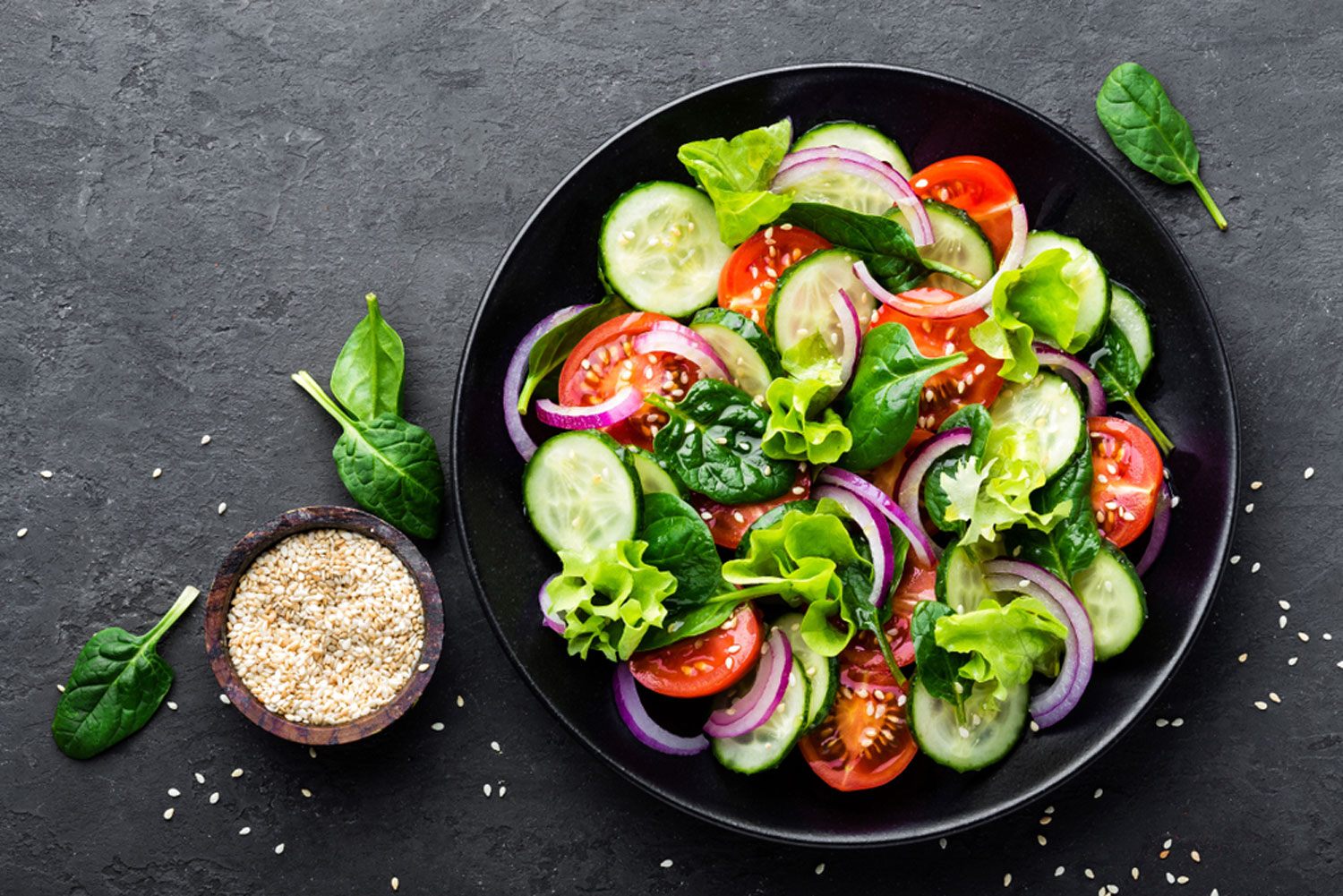
Image Source: theveganjoint.com
The Building Blocks of a Garden Salad
Let’s break down what’s in a garden salad and how each component contributes to the overall calorie picture. The foundation of any garden salad is its leafy greens.
Leafy Greens: The Low-Calorie Base
The calorie content of lettuce is remarkably low. This is because lettuce is primarily made up of water and fiber, with very little fat or sugar.
- Iceberg Lettuce: This is one of the lowest-calorie options. A cup of shredded iceberg lettuce has only about 7 calories. It’s mostly water and provides a satisfying crunch.
- Romaine Lettuce: A bit more nutrient-dense than iceberg, romaine lettuce offers vitamins A and K. A cup of chopped romaine has about 8 calories.
- Spinach: Packed with iron and vitamins, spinach is a fantastic choice. A cup of raw spinach contains approximately 7 calories. It’s a powerhouse of nutrients.
- Mixed Greens/Spring Mix: This can include various types of lettuces and baby greens. Calorie counts are generally similar to romaine or spinach, usually ranging from 5-10 calories per cup.
- Kale: While a bit more calorie-dense than other lettuces, kale is incredibly nutritious. A cup of chopped kale has around 33 calories. It’s a great source of vitamins C, K, and A.
The calorie density of vegetables in general is quite low, especially for raw, watery options. This means you can eat a large volume of these vegetables for a relatively small number of calories, which is excellent for feeling full and satisfied.
Colorful Vegetables: Adding Nutrients and Flavor
Beyond the greens, a garden salad often features a variety of other vegetables. These add color, texture, flavor, and a wealth of vitamins, minerals, and antioxidants.
- Tomatoes: Sweet and juicy, tomatoes add flavor and lycopene. A medium tomato (about 123g) has around 22 calories.
- Cucumbers: Refreshing and hydrating, cucumbers are very low in calories. A half-cup of sliced cucumber has about 8 calories.
- Carrots: Crunchy and slightly sweet, carrots provide beta-carotene. A medium carrot (about 61g) has about 25 calories.
- Bell Peppers: Available in vibrant colors, bell peppers are rich in Vitamin C. A half-cup of chopped bell pepper has around 15-20 calories.
- Onions: Red or white onions add a pungent kick. A quarter-cup of chopped onion has about 11 calories.
- Radishes: Peppery and crisp, radishes are very low in calories. About 5 radishes have around 4 calories.
- Broccoli Florets: These offer fiber and vitamins. A half-cup of raw broccoli florets has about 15 calories.
- Cauliflower Florets: Similar to broccoli, cauliflower is a good source of fiber. A half-cup of raw cauliflower florets has about 12 calories.
These vegetable salad nutrition profiles highlight how packed with goodness even the simplest salad can be. The high water and fiber content of these vegetables contributes to their low calorie density of vegetables, making them ideal for weight management and overall health.
Factors That Dramatically Increase Salad Calories
While the base of a garden salad is naturally low in calories, certain additions can quickly transform it into a calorie-dense meal. It’s crucial to be aware of these common culprits.
Toppings: The Calorie Bombs
The toppings you choose are where the calorie count garden salad can skyrocket.
- Cheese: This adds flavor and calcium but also significant fat and calories.
- Shredded Cheddar Cheese (1/4 cup): ~115 calories
- Crumbled Feta Cheese (1/4 cup): ~100 calories
- Shredded Parmesan Cheese (1/4 cup): ~105 calories
- Crumbled Blue Cheese (1/4 cup): ~120 calories
- Croutons: These fried or baked bread pieces add crunch but are often high in refined carbohydrates and fat.
- 1/2 cup croutons: ~100-150 calories
- Nuts and Seeds: While healthy fats and protein are beneficial, nuts are very calorie-dense. Portion control is key.
- Almonds (1/4 cup): ~207 calories
- Walnuts (1/4 cup): ~195 calories
- Sunflower Seeds (1/4 cup): ~210 calories
- Pumpkin Seeds (1/4 cup): ~180 calories
- Dried Fruits: These concentrate natural sugars and calories.
- Raisins (1/4 cup): ~110 calories
- Cranberries (dried, 1/4 cup): ~100 calories
- Avocado: A source of healthy fats, but calorie-dense.
- 1/2 medium avocado: ~160 calories
- Meats/Proteins: Grilled chicken, salmon, or hard-boiled eggs add protein but also calories.
- Grilled Chicken Breast (3 oz): ~140 calories
- Canned Tuna (in oil, drained, 3 oz): ~130 calories
- Hard-boiled Egg (1 large): ~78 calories
Salad Dressings: The Hidden Calorie Culprit
Perhaps the biggest contributor to a salad’s calorie count is the dressing. Many pre-made dressings are loaded with sugar, unhealthy fats, and sodium.
Understanding Salad Dressing Calories
The salad dressing calories can easily double or even triple the calorie count of an otherwise healthy salad. It’s essential to be mindful of serving sizes and ingredients.
- Creamy Dressings (Ranch, Blue Cheese, Caesar): These are typically high in fat and calories due to ingredients like mayonnaise, sour cream, or oil.
- Ranch Dressing (2 tablespoons): ~120-140 calories
- Blue Cheese Dressing (2 tablespoons): ~130-150 calories
- Caesar Dressing (2 tablespoons): ~110-130 calories
- Vinaigrettes: These are generally lighter, made from oil and vinegar. However, the type and amount of oil can significantly impact their calorie content.
- Vinaigrette Dressing Calories: A standard oil and vinegar vinaigrette (2 tablespoons) can range from 80-120 calories, depending on the oil-to-vinegar ratio.
- Low-Calorie/Fat-Free Dressings: Be cautious with these. They often replace fat with sugar or artificial ingredients, which may not be healthier. While lower in calories, they might not be as satisfying.
- “Light” or “Fat-Free” Ranch (2 tablespoons): ~50-70 calories
The Impact of Preparation Methods
How your ingredients are prepared also matters. Fried chicken, crispy noodles, or sugar-glazed nuts will add considerably more calories than their grilled or raw counterparts.
Calculating Your Garden Salad’s Calorie Count
To accurately determine the calorie count garden salad, you need to track the specific ingredients and their quantities.
A Simple Garden Salad Example:
Let’s imagine a basic garden salad:
- 2 cups Romaine Lettuce: ~16 calories (8 calories per cup)
- 1/2 cup Cherry Tomatoes: ~18 calories (36 calories per cup)
- 1/4 cup Cucumber slices: ~4 calories (8 calories per half cup)
- 1/4 cup Shredded Carrots: ~12 calories (25 calories per medium carrot, prorated)
- 2 tablespoons Vinaigrette Dressing Calories (e.g., olive oil and balsamic vinegar): ~100 calories
Total for this basic salad: Approximately 150 calories.
This demonstrates how a simple, well-portioned garden salad can be a low calorie salad ingredients focused meal.
A More Indulgent Garden Salad Example:
Now, let’s add some popular, calorie-dense toppings:
- 2 cups Romaine Lettuce: ~16 calories
- 1/2 cup Cherry Tomatoes: ~18 calories
- 1/4 cup Cucumber slices: ~4 calories
- 1/4 cup Shredded Carrots: ~12 calories
- 1/4 cup Cheddar Cheese: ~115 calories
- 1/2 cup Croutons: ~125 calories (average)
- 2 tablespoons Creamy Ranch Dressing: ~130 calories
Total for this indulgent salad: Approximately 420 calories.
This stark contrast highlights the importance of ingredient selection.
Making a Healthy Salad: Tips and Tricks
Creating a healthy and satisfying salad is all about making smart choices. Here’s how to make a healthy salad:
Focus on Nutrient-Dense, Low-Calorie Ingredients
Prioritize leafy greens and a wide variety of colorful vegetables. The vegetable salad nutrition is your primary focus for a healthy meal. Remember the low calorie density of vegetables means you can load up on them.
Be Smart About Protein
Add lean protein sources to make your salad more filling and balanced.
- Lean Meats: Grilled chicken breast, turkey breast, or lean beef.
- Fish: Grilled or baked salmon, tuna (packed in water), or shrimp.
- Legumes: Chickpeas, black beans, or kidney beans are excellent plant-based protein and fiber sources.
- Eggs: Hard-boiled eggs are a simple and nutritious addition.
- Tofu or Tempeh: Great vegetarian/vegan protein options.
Dress Your Salad Wisely
This is where many people go wrong.
- Make Your Own Dressing: This gives you complete control over ingredients. A simple vinaigrette with olive oil, vinegar (balsamic, red wine, apple cider), herbs, and a touch of Dijon mustard is a great option. This also allows you to control vinaigrette dressing calories.
- Watch Portion Sizes: Even healthy dressings can add up. Stick to 1-2 tablespoons.
- Ask for Dressing on the Side: This allows you to control how much you use.
- Choose Lighter Options: If using pre-made dressings, opt for vinaigrettes or lighter creamy options and check the nutrition label.
Add Healthy Fats in Moderation
Healthy fats are important for nutrient absorption and satiety, but they are calorie-dense.
- Avocado: A quarter or half of an avocado provides healthy fats and creaminess.
- Nuts and Seeds: A small sprinkle (1-2 tablespoons) of almonds, walnuts, sunflower seeds, or pumpkin seeds adds crunch and healthy fats.
- Olive Oil: As part of your dressing, olive oil is a great source of monounsaturated fats.
Avoid Calorie Traps
Steer clear of ingredients that add empty calories without much nutritional value.
- Sugary Dressings: Many “fat-free” dressings are high in sugar.
- Candied Nuts or Dried Fruits: These are calorie and sugar bombs.
- Fried Toppings: Crispy noodles, fried onions, or tortilla strips.
- Excessive Cheese: Use cheese as a flavor enhancer, not a main component.
- Creamy, Heavy Dressings: While delicious, they are often the highest in calories.
The Nutritional Benefits of a Well-Made Garden Salad
When made with mindful choices, a garden salad is a nutritional powerhouse. The combination of fresh vegetables provides:
- Vitamins: A, C, K, and various B vitamins.
- Minerals: Potassium, magnesium, iron, and calcium.
- Fiber: Essential for digestive health and feeling full.
- Antioxidants: Compounds that protect your cells from damage.
- Hydration: The high water content in many vegetables helps with fluid intake.
The vegetable salad nutrition profile is incredibly diverse, with different vegetables offering unique sets of nutrients. Incorporating a variety of colors ensures you’re getting a broad spectrum of beneficial compounds.
Frequently Asked Questions (FAQ)
Q1: Is a garden salad always a healthy choice?
A: While the base ingredients of a garden salad are healthy, the overall healthiness depends entirely on the toppings and dressing. A salad loaded with high-fat cheese, creamy dressing, croutons, and nuts can be very high in calories and unhealthy fats.
Q2: How can I make my garden salad more filling?
A: To make your salad more filling, add lean protein sources like grilled chicken, fish, beans, or eggs. Incorporating healthy fats like avocado, nuts, or seeds in moderation also helps with satiety. Fiber from vegetables is also key.
Q3: What are the lowest-calorie salad dressings?
A: The lowest-calorie dressings are typically homemade vinaigrettes made with a good quality oil and vinegar or citrus juice, with herbs and spices for flavor. Look for dressings with less than 50 calories per 2 tablespoons if buying pre-made.
Q4: Can I eat a garden salad every day?
A: Absolutely! A garden salad can be a very healthy part of a daily diet, provided it’s balanced and doesn’t rely on calorie-dense additions. Rotating your vegetables and protein sources will ensure you get a wide range of nutrients.
Q5: What is the calorie content of lettuce?
A: The calorie content of lettuce is very low. For example, iceberg lettuce has about 7 calories per cup, romaine has about 8 calories per cup, and spinach has about 7 calories per cup. This makes leafy greens an excellent base for any salad.