
A typical garden salad, made with a base of mixed greens, tomatoes, cucumbers, and a light vinaigrette, can range from 50 to 200 calories. This calorie count is highly variable, depending on the specific ingredients and the amount of dressing used.
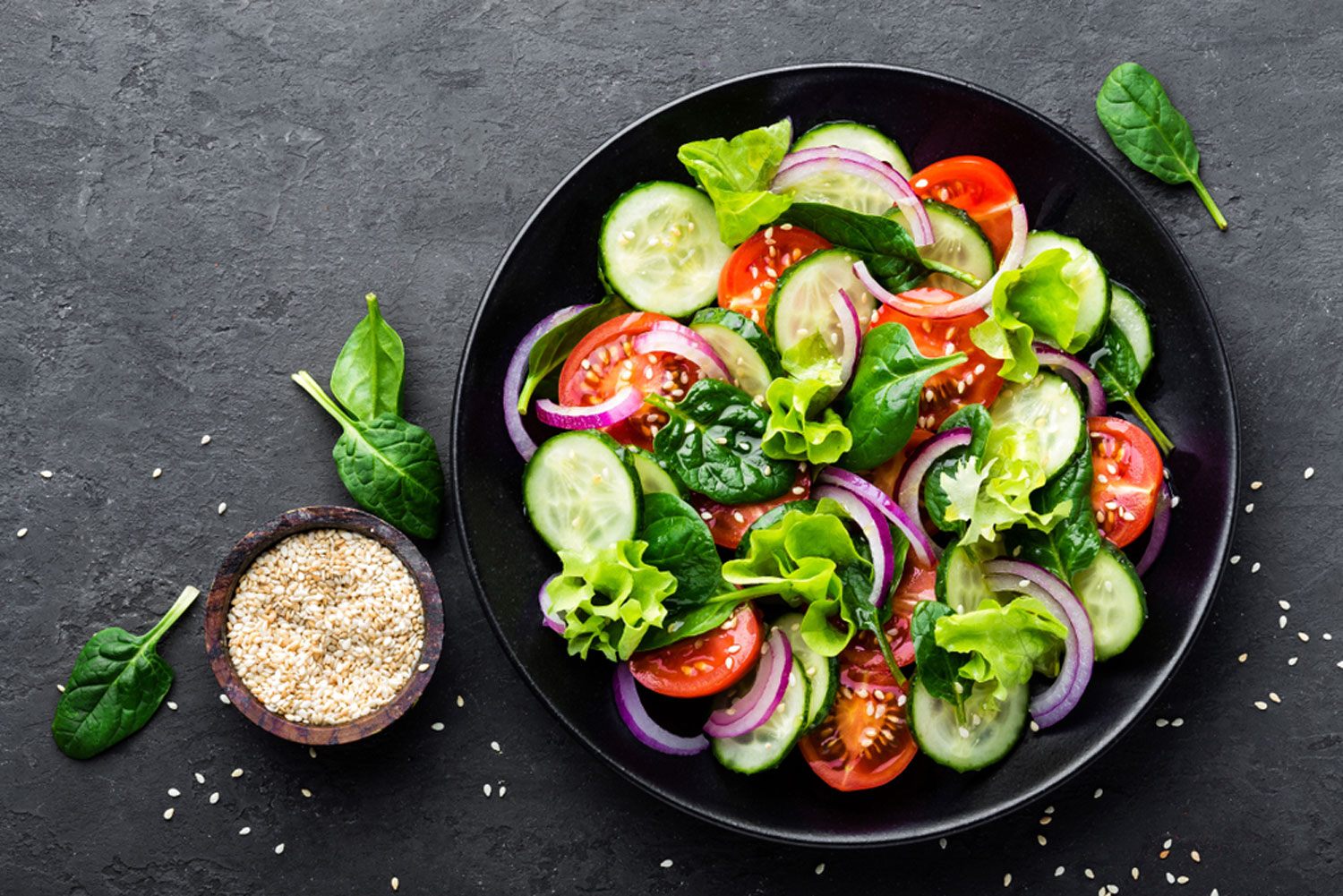
Image Source: theveganjoint.com
Deciphering Garden Salad Calorie Counts
A garden salad is a fantastic foundation for a healthy meal, but its calorie count can swing wildly based on what you add. At its simplest, a garden salad is a celebration of fresh vegetables, which are naturally low in calories and packed with nutrients. However, the moment you start adding dressings, cheeses, croutons, or creamy proteins, the calorie tally can climb significantly. This guide aims to provide a clear picture of how many calories are typically in a garden salad and what factors influence that number.
The Core Components: What Makes Up a Garden Salad?
The beauty of a garden salad lies in its adaptability. However, the “garden” aspect typically refers to a mix of raw, fresh vegetables.
Lettuce Calories: The Leafy Foundation
Lettuce forms the bulk of most garden salads. The lettuce calories are remarkably low. Different types of lettuce offer slight variations in nutrients and flavor, but their calorie impact is minimal.
- Iceberg Lettuce: This is the crunchiest but least nutrient-dense option. A cup of shredded iceberg lettuce has about 8 calories.
- Romaine Lettuce: A popular choice, romain provides more vitamins A and C than iceberg. A cup of chopped romaine has about 8 calories.
- Spinach: Packed with iron and vitamins, spinach is a nutritional powerhouse. A cup of spinach has about 7 calories.
- Mixed Greens/Spring Mix: This blend often includes various lettuces and tender baby greens. A cup typically ranges from 5 to 10 calories.
- Kale: While not always found in a “garden” salad, kale is a nutritious leafy green. A cup of chopped kale has about 33 calories.
The key takeaway is that your leafy green base contributes very few calories to your meal.
Tomato Calories: A Burst of Flavor and Nutrients
Tomatoes add a juicy sweetness and a dose of vitamins. Tomato calories are also quite low, making them an excellent addition.
- Cherry Tomatoes (halved): About 4 calories per half.
- Grape Tomatoes (halved): Similar to cherry tomatoes, around 4 calories per half.
- Diced Roma Tomato: A medium Roma tomato (about 61 grams) has approximately 11 calories.
- Diced Beefsteak Tomato: A medium beefsteak tomato (about 107 grams) has around 19 calories.
Cucumber Calories: Hydration and Crispness
Cucumbers offer a refreshing crunch and are almost entirely water, meaning cucumber calories are negligible.
- Sliced Cucumber: One cup of sliced cucumber (about 104 grams) contains roughly 15 calories.
Other Healthy Salad Ingredients: Boosting Nutrition, Not Just Calories
Beyond the core components, many healthy salad ingredients can enhance both the flavor and nutritional profile without drastically increasing the calorie count.
- Bell Peppers (sliced or diced): Offer vitamin C and a mild sweetness. A half cup of chopped bell pepper (any color) is around 15 calories.
- Carrots (shredded or sliced): Provide beta-carotene and a touch of sweetness. A half cup of shredded carrots is about 25 calories.
- Onions (sliced or diced): Add a pungent kick. A quarter cup of sliced red onion is about 10 calories.
- Radishes (sliced): Offer a peppery bite. A cup of sliced radishes has about 19 calories.
- Broccoli Florets (raw): A good source of vitamins and fiber. A half cup of broccoli florets is about 15 calories.
- Cauliflower Florets (raw): Similar to broccoli, offering nutrients for few calories. A half cup of cauliflower florets is about 12 calories.
- Mushrooms (sliced): Low in calories and offer an earthy flavor. A cup of sliced white mushrooms is about 15 calories.
These vegetables are the building blocks of a low calorie salad that is still satisfying and nutrient-dense. They contribute fiber, vitamins, minerals, and antioxidants, supporting overall health.
The Calorie Culprit: Salad Dressing Calories
This is where the calorie count for salad can truly escalate. Salad dressing calories vary enormously based on the type and quantity used. A light drizzle of a simple dressing is very different from drowning your salad in a creamy, rich sauce.
Vinaigrette Variations: Lightening Up the Dressing
Vinaigrette is often considered a healthier option compared to creamy dressings. However, even vinaigrettes can be calorie-dense due to their oil content.
- Basic Vinaigrette (2 tbsp): Typically made with olive oil, vinegar, and seasonings.
- 2 tbsp Olive Oil: ~240 calories
- 2 tbsp Vinegar (Balsamic, Red Wine, Apple Cider): ~10-20 calories
- Herbs, Spices, Garlic: Negligible calories
- Total for 2 tbsp basic oil-based vinaigrette: ~250-260 calories. This is a significant portion of the salad’s total calories.
- Light Vinaigrette (2 tbsp): Often made with less oil or a mix of oil and water/broth.
- 1 tbsp Olive Oil: ~120 calories
- 1 tbsp Water/Broth/Vinegar: ~5-10 calories
- Total for 2 tbsp light vinaigrette: ~125-130 calories.
- Balsamic Vinaigrette (2 tbsp): Balsamic vinegar itself has a bit more sugar than other vinegars.
- 1.5 tbsp Olive Oil: ~180 calories
- 0.5 tbsp Balsamic Vinegar: ~10-15 calories
- Total for 2 tbsp balsamic vinaigrette: ~190-195 calories.
Creamy Dressings: The Calorie Bomb
Creamy dressings, such as ranch, blue cheese, Caesar, or Thousand Island, are typically made with mayonnaise, sour cream, or yogurt, which are higher in fat and calories.
- Ranch Dressing (2 tbsp): ~120-140 calories
- Blue Cheese Dressing (2 tbsp): ~130-150 calories
- Caesar Dressing (2 tbsp): ~100-130 calories (can vary widely depending on egg yolk and oil content)
- Thousand Island Dressing (2 tbsp): ~110-130 calories
Making Healthier Dressing Choices
To keep your garden salad a low calorie salad, consider these dressing strategies:
- Use less dressing: Instead of drenching your salad, lightly toss it.
- Opt for vinaigrettes: Especially those with a higher vinegar-to-oil ratio.
- Make your own dressing: This gives you control over ingredients. You can reduce oil, use healthier fats like avocado oil, or incorporate pureed vegetables for creaminess.
- Choose lighter options: Many brands offer “light” or “fat-free” versions of dressings, but be mindful of added sugars and sodium in these.
- Consider oil and vinegar: Sometimes, a simple splash of olive oil and balsamic or red wine vinegar is all you need.
Beyond the Basics: Other Calorie Contributors
While vegetables are low in calories, other common salad additions can significantly increase the calorie count for salad.
- Cheese:
- Feta Cheese (1 oz): ~75 calories
- Cheddar Cheese (1 oz, shredded): ~115 calories
- Parmesan Cheese (1 oz, grated): ~125 calories
- Goat Cheese (1 oz): ~100 calories
- Croutons:
- 1/4 cup croutons: ~40-50 calories
- Nuts and Seeds:
- Almonds (1/4 cup): ~200 calories
- Walnuts (1/4 cup): ~190 calories
- Sunflower Seeds (1/4 cup): ~190 calories
- Pumpkin Seeds (1/4 cup): ~180 calories
- Proteins:
- Grilled Chicken Breast (3 oz): ~130 calories
- Hard-boiled Egg (1 large): ~70 calories
- Canned Tuna (3 oz, in water, drained): ~90 calories
- Chickpeas (1/2 cup): ~130 calories
- Fruits:
- Avocado (1/4 medium): ~80 calories
- Dried Cranberries (1/4 cup): ~130 calories
- Apple slices (1/2 cup): ~25 calories
- Other Add-ins:
- Bacon bits (1 tbsp): ~45 calories
- Candied Pecans (1/4 cup): ~200-250 calories
Assembling Your Garden Salad Recipe Calories
When creating your own garden salad recipe calories, it’s essential to be aware of the calorie impact of each component.
A Simple Garden Salad Recipe and Its Estimated Calories:
Let’s build a basic garden salad and estimate its calorie count for salad:
- Base: 2 cups Mixed Greens (15 calories)
- Vegetables:
- 1/2 cup Cherry Tomatoes, halved (8 calories)
- 1/2 cup Cucumber, sliced (8 calories)
- 1/4 cup Bell Pepper, sliced (8 calories)
- 1/4 cup Shredded Carrots (13 calories)
- Dressing: 2 tbsp Light Vinaigrette (130 calories)
Total Estimated Calories for this Simple Garden Salad: Approximately 182 calories.
This is a very reasonable calorie count for a filling and nutritious meal or side.
High-Calorie Garden Salad Example:
Now, let’s see how quickly calories can add up:
- Base: 2 cups Romaine Lettuce (16 calories)
- Vegetables:
- 1/2 cup Cherry Tomatoes, halved (8 calories)
- 1/2 cup Cucumber, sliced (8 calories)
- 1/4 cup Bell Pepper, sliced (8 calories)
- 1/4 cup Shredded Carrots (13 calories)
- Add-ins:
- 1 oz Shredded Cheddar Cheese (115 calories)
- 1/4 cup Croutons (45 calories)
- 1/4 cup Candied Pecans (225 calories)
- Dressing: 2 tbsp Creamy Ranch Dressing (130 calories)
Total Estimated Calories for this High-Calorie Garden Salad: Approximately 576 calories.
This demonstrates the dramatic difference that added ingredients and richer dressings can make.
Maximizing Nutrition and Flavor in Your Vegetable Salad Nutrition
A vegetable salad nutrition profile is exceptionally strong when focusing on a variety of colorful vegetables. The micronutrients, fiber, and antioxidants are the stars of the show.
- Fiber: Promotes digestive health, helps you feel full, and can aid in weight management.
- Vitamins: Such as Vitamin A (from carrots and leafy greens), Vitamin C (from peppers and tomatoes), and Vitamin K (from leafy greens).
- Minerals: Including potassium, magnesium, and iron.
- Antioxidants: Compounds that help protect your cells from damage.
Building a Nutrient-Dense Garden Salad:
To ensure your salad is as nutritious as it is delicious:
- Color Diversity: Aim for a rainbow of vegetables. Different colors often indicate different phytonutrients.
- Leafy Greens Variety: Don’t stick to just one type. Mix romaine with spinach, or add a bit of kale.
- Lean Protein: Add grilled chicken, fish, beans, or lentils for satiety and muscle support.
- Healthy Fats: A small amount of avocado, nuts, or seeds provides essential fatty acids and aids in the absorption of fat-soluble vitamins.
- Wholesome Dressing: Prioritize oil and vinegar-based dressings or make your own.
Creating a Low-Calorie Salad: Practical Tips
Achieving a low calorie salad doesn’t mean sacrificing taste or satisfaction. It’s about smart choices.
Key Strategies for a Low-Calorie Salad:
- Load up on non-starchy vegetables: The more lettuce, cucumbers, peppers, and onions you can pile on, the better. These add volume and nutrients for very few calories.
- Be mindful of dressing portions: Measure your dressing, or even better, dip your fork into the dressing and then pick up your salad.
- Choose lighter protein sources: Grilled chicken or fish, beans, and lentils are good options.
- Limit high-calorie toppings: Go easy on cheese, croutons, nuts, and dried fruits if calorie control is your priority.
- Add healthy fats sparingly: A few slices of avocado or a tablespoon of seeds add flavor and nutrients without excessive calories.
- Hydrate: Sometimes, thirst can be mistaken for hunger. A glass of water before or with your salad can help.
The Calorie Count for Salad: A Summary
The calorie count for salad is entirely dependent on its composition. A basic garden salad with a light vinaigrette can be under 200 calories. However, adding rich dressings, cheese, croutons, and high-fat proteins can easily push that number to 500-700 calories or more.
Table: Approximate Calories for Common Salad Ingredients (per standard serving)
| Ingredient | Serving Size | Approximate Calories |
|---|---|---|
| Iceberg Lettuce | 1 cup | 8 |
| Romaine Lettuce | 1 cup | 8 |
| Spinach | 1 cup | 7 |
| Cherry Tomatoes | 1/2 cup | 16 |
| Cucumber | 1 cup | 15 |
| Bell Pepper | 1/2 cup | 15 |
| Carrots | 1/2 cup | 25 |
| Olive Oil (for dressing) | 1 tbsp | 120 |
| Vinegar | 1 tbsp | 5 |
| Ranch Dressing | 2 tbsp | 130 |
| Feta Cheese | 1 oz | 75 |
| Croutons | 1/4 cup | 45 |
| Grilled Chicken Breast | 3 oz | 130 |
| Avocado | 1/4 medium | 80 |
By making informed choices about your ingredients and portion sizes, you can easily tailor your garden salad to be a delicious, nutritious, and calorie-conscious meal.
Frequently Asked Questions About Garden Salad Calories
Q1: Can I eat a garden salad every day for weight loss?
A1: Yes, a garden salad can be an excellent component of a weight loss plan, provided it’s prepared with calorie-conscious ingredients. Focusing on plenty of vegetables and a light dressing, and limiting high-calorie add-ins, will keep the calorie count in check.
Q2: What is the healthiest way to dress a garden salad?
A2: The healthiest way to dress a garden salad is often with a simple vinaigrette made from olive oil and vinegar, seasoned with herbs and spices. Making your own dressing allows you to control the amount of oil and avoid added sugars and preservatives found in many store-bought options.
Q3: How many calories are in a large garden salad from a restaurant?
A3: This can vary significantly. Restaurant salads often come with larger portions and a wider array of toppings, including cheeses, nuts, croutons, and generous amounts of creamy dressings. A large restaurant garden salad can easily range from 300 to 800 calories or more, depending on the specific ingredients. It’s always best to ask for dressing on the side and choose lighter options if you’re concerned about calories.
Q4: Are all salad dressings high in calories?
A4: No, not all salad dressings are high in calories. Vinaigrettes are generally lower in calories than creamy dressings. You can also find or make very low-calorie dressings using ingredients like Greek yogurt, pureed vegetables, or a simple blend of herbs and vinegar with minimal oil.
Q5: What makes a garden salad “low calorie”?
A5: A garden salad is considered “low calorie” when its overall calorie count is minimal, typically under 250-300 calories, especially when served as a main meal. This is achieved by emphasizing non-starchy vegetables, using light or homemade dressings, and being judicious with high-calorie add-ins like cheese, nuts, croutons, and creamy proteins.