
Can I let my dog on the lawn immediately after fertilizing? No, you generally cannot let your dog on the lawn immediately after fertilizing. There’s a waiting period to ensure the fertilizer has had time to absorb into the soil and reduce any potential risks to your pet.
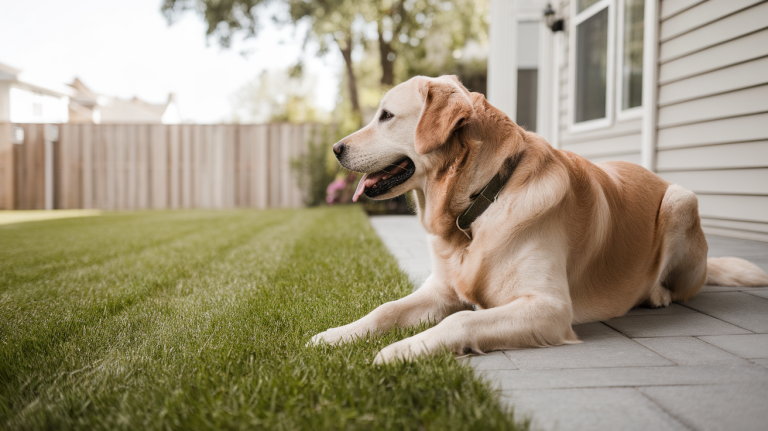
Image Source: randylemmon.com
Waiting Period for Pets After Lawn Treatment
Keeping your furry friends safe after treating your lawn is a top priority for many pet owners. You’ve just given your grass a good meal, but now you need to make sure your dog doesn’t get a tummy ache from it. So, how long until lawn fertilizer is safe for dogs? The answer depends on the type of fertilizer and how it’s applied.
Chemical Fertilizer Lawn Dog Risk
Chemical fertilizers, while effective for greening up your lawn, can pose a risk to pets if ingested or if they come into contact with them before they are properly absorbed. The primary concerns with chemical fertilizers are:
- Ingestion of Granules: Dogs, especially puppies, might think the fertilizer pellets look like tasty treats. Eating these can lead to gastrointestinal upset, vomiting, diarrhea, and in more severe cases, poisoning. Symptoms can include excessive drooling, lethargy, or difficulty breathing.
- Skin Irritation: Prolonged contact with fresh fertilizer can sometimes cause skin irritation or paw irritation in dogs.
- Toxicity: Some chemical fertilizers contain ingredients like heavy metals or nitrogen compounds that can be toxic to dogs if consumed in sufficient quantities. The specific risks vary greatly depending on the formulation.
Organic Fertilizer Lawn Dog Safety
Organic fertilizers are generally considered safer for pets. They are made from natural materials like compost, manure, bone meal, or feather meal. However, even organic fertilizers aren’t entirely risk-free:
- Digestive Upset: While not toxic, a dog eating a large amount of organic fertilizer might still experience digestive issues like vomiting or diarrhea due to the richness of the materials.
- Attractiveness: Some organic fertilizers, particularly those with manure or fish emulsion, can be quite appealing to dogs, increasing the likelihood they might try to eat them.
Factors Influencing Waiting Times
The safe time for dogs on fertilized lawn isn’t a one-size-fits-all answer. Several factors play a role in determining how long you should keep your dog off the lawn:
- Type of Fertilizer: As mentioned, chemical versus organic is a major differentiator.
- Fertilizer Formulation: Granular, liquid, or slow-release fertilizers have different absorption rates.
- Application Method: How the fertilizer was spread (broadcast spreader, liquid sprayer).
- Weather Conditions: Rain can help wash granules into the soil, but excessive rain shortly after application might dilute liquid fertilizers. Dry weather can leave granules on the surface longer.
- Product Instructions: Always the most important guide!
Granular Fertilizers
Granular fertilizers are small pellets that are spread across the lawn. They work by slowly releasing nutrients as they are watered or moistened.
- Initial Waiting Period: It’s generally recommended to keep dogs off the lawn for at least 24 to 48 hours after applying granular fertilizer.
- Watering: Many manufacturers suggest watering the lawn after applying granular fertilizer. This helps the granules dissolve and move into the soil, making them safer for pets sooner. If you water thoroughly, the waiting period might be reduced to 12 to 24 hours, but always check the product label.
- Risk: The main risk with granules is a dog eating them. Once they are dissolved into the soil, the risk is significantly reduced.
Liquid Fertilizers
Liquid fertilizers are sprayed directly onto the lawn and are absorbed quickly by the grass.
- Initial Waiting Period: For liquid fertilizers, the waiting period is typically shorter, often around 12 to 24 hours.
- Drying Time: The key is to allow the liquid to dry completely on the grass blades and absorb into the soil. Once dry, the risk is minimal.
- Risk: While less likely to be ingested in pellet form, dogs can still absorb chemicals through their paws or if they lick treated grass.
Slow-Release Fertilizers
Slow-release fertilizers are designed to release nutrients over an extended period. This means they are often formulated to be safer for pets once applied.
- Waiting Period: The waiting period for slow-release fertilizers can sometimes be as short as 12 hours, provided the product is specifically labeled as pet-safe or low-risk after application and drying.
- Absorption: These are generally designed for better soil integration, reducing surface exposure.
How Long Until Lawn Fertilizer is Safe for Dogs?
To reiterate, the most crucial step in determining how long to keep dog off fertilized lawn is to always read and follow the specific instructions on the fertilizer product label. Different brands and formulations have different waiting periods.
Here’s a general guideline:
- Chemical Fertilizers (Granular): 24-48 hours, potentially less if watered in as directed.
- Chemical Fertilizers (Liquid): 12-24 hours, until dry.
- Organic Fertilizers: Generally safe after drying, but some may recommend a short 12-24 hour waiting period to avoid digestive upset from ingestion.
Post-Fertilization Dog Access Lawn: Best Practices
To ensure pet safety lawn fertilizer, here are some best practices when fertilizing your lawn if you have dogs:
- Choose Pet-Friendly Products: Look for fertilizers that are specifically labeled as “pet-safe,” “dog-friendly,” or “children and pet safe” after a specific waiting period. These are often formulated with lower toxicity or are designed for quicker absorption.
- Apply at the Right Time: Fertilize when your dog is unlikely to be outdoors for an extended period, such as early in the morning before your dog’s walk or late in the evening after their last potty break.
- Water In as Directed: If the product requires watering, do so thoroughly according to the instructions. This helps the fertilizer absorb into the soil faster.
- Monitor Your Dog: Even after the waiting period, keep an eye on your dog. If they start exhibiting any unusual behavior, contact your veterinarian.
- Clean Paws: After your dog has been on a recently fertilized lawn, even after the recommended waiting period, consider wiping their paws to remove any residual product.
Deciphering Fertilizer Labels
The fertilizer bag or container is your most valuable resource for information. Here’s what to look for:
- Active Ingredients: Note the N-P-K (Nitrogen, Phosphorus, Potassium) numbers and any other listed chemicals.
- “Keep Off” Instructions: This section will explicitly state the recommended waiting period for children and pets.
- Watering Instructions: Crucial for granular fertilizers to help them work into the soil.
- Safety Precautions: Warnings about ingestion, skin contact, and environmental impact.
Example Table: General Waiting Times
| Fertilizer Type | Typical Waiting Period (Until Safe) | Key Consideration |
|---|---|---|
| Chemical Granular | 24-48 hours (or until watered in) | Risk of ingestion of granules |
| Chemical Liquid | 12-24 hours (or until dry) | Absorption through paws/licking |
| Slow-Release (Pet-Friendly) | 12-24 hours (or as label states) | Designed for quicker, safer absorption |
| Organic (Compost/Manure) | 12-24 hours (until dry, avoid ingestion) | Risk of digestive upset from consumption |
| Organic (Fish Emulsion etc.) | 12-24 hours (until dry, avoid ingestion) | Stronger odor may attract pets, leading to ingestion risk |
Note: Always defer to the specific product’s instructions.
Letting Dog on Lawn After Fertilizing
When the waiting period is over, you can generally start letting your dog on the lawn after fertilizing. However, it’s always wise to err on the side of caution. If you’re unsure, extending the waiting period by a few more hours or even a full day is unlikely to harm your lawn but can provide extra peace of mind regarding your pet’s safety.
When to Contact Your Veterinarian
If your dog shows any of the following symptoms after being on a fertilized lawn, contact your veterinarian immediately:
- Vomiting or diarrhea
- Excessive drooling
- Lethargy or weakness
- Difficulty breathing
- Paw irritation or limping
- Seizures or tremors
- Any other unusual behavior
Fathoming Fertilizer Toxicity Dogs Lawn
To truly grasp fertilizer toxicity dogs lawn, it’s helpful to know that the primary danger lies in the concentration of chemicals and the duration of exposure. When fertilizer is properly absorbed into the soil and the lawn is dry, the concentration on the grass blades is minimal, and the risk of direct ingestion of concentrated granules is gone. This is why the waiting period is so crucial.
Frequently Asked Questions (FAQ)
Q1: My dog ate some fertilizer. What should I do?
A1: If you suspect your dog has eaten fertilizer, especially chemical fertilizer, contact your veterinarian or an animal poison control center immediately. Try to identify the fertilizer type and estimate how much your dog might have ingested.
Q2: Is organic fertilizer completely safe for dogs?
A2: Organic fertilizers are generally much safer and less toxic than chemical fertilizers. However, large quantities can still cause digestive upset. It’s best to prevent your dog from eating any fertilizer, organic or chemical.
Q3: Can my dog get sick from just walking on a fertilized lawn?
A3: It’s unlikely that simply walking on a lawn that has had fertilizer applied and followed the correct waiting period will make your dog sick. The risk increases significantly if they ingest the fertilizer directly or walk on it before it has dried or absorbed.
Q4: What if it rains after I fertilize?
A4: Light rain can actually help to wash granular fertilizer into the soil, making it safer for pets sooner. However, heavy rain shortly after applying liquid fertilizer could dilute its effectiveness. Always check product instructions regarding rain.
Q5: Are there alternatives to traditional fertilizers that are safer for pets?
A5: Yes, many pet owners opt for natural lawn care methods. This includes using compost, worm castings, or specialized pet-safe organic fertilizers. Some companies also offer lawn care services that use pet-friendly products and methods.
Conclusion
The question of how long to keep dog off fertilized lawn is vital for any pet owner who enjoys a beautiful yard. By adhering to the recommended waiting periods, choosing pet-friendly products, and always reading the product labels, you can effectively manage your lawn care while keeping your canine companions safe and sound. Remember, a little patience and careful planning go a long way in ensuring your pet’s well-being and your peace of mind.