
A lawn mower blade typically lasts between 25 to 50 hours of use or 1 to 3 years, depending heavily on how it’s used and maintained.
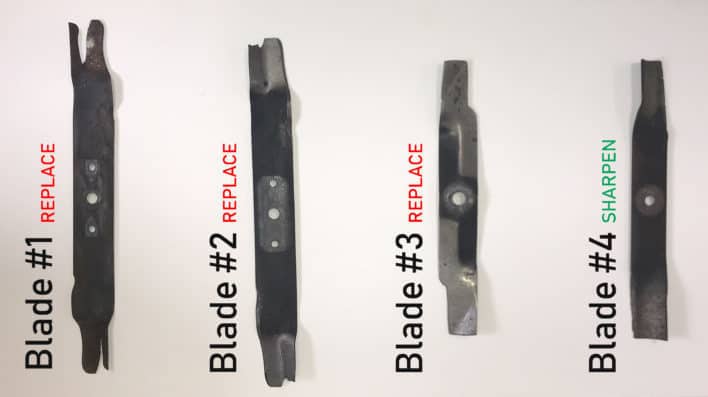
Image Source: minnesotaequipment.com
Factors Affecting Mower Blade Life
The lifespan of your lawn mower blade isn’t a set number. Many things can make it last longer or wear out faster. Think of it like tires on a car; how you drive them matters a lot.
Cutting Conditions
The ground and the grass itself play a big role.
- Type of Grass: Some grasses are tougher to cut than others. St. Augustine grass, for example, is thicker and can wear down blades quicker than finer fescues.
- Terrain: Cutting on bumpy or rocky ground is tough on blades. Hitting stones, twigs, or hard objects can chip, bend, or even break a blade. Uneven terrain also means the blade might dig into the soil more often.
- Damp vs. Dry Grass: Cutting wet grass can be harder work for the mower, and it can also lead to grass clippings sticking to the blade. This buildup can affect cutting performance and contribute to corrosion over time.
Mower Usage Patterns
How you use your mower impacts how quickly the blade wears.
- Cutting Frequency: If you cut your lawn very often, the blade is in use more, leading to faster wear. However, cutting frequently also means you’re cutting less grass each time, which is generally better for the grass and the mower.
- Cutting Height: Setting your mower to cut at a lower height means the blade is closer to the ground. This increases the chance of hitting the soil, small stones, or other debris. Always follow the recommended cutting height for your grass type.
- Overgrown Grass: Trying to cut grass that has grown too long in one pass puts extra strain on the blade and engine. It’s better to make multiple passes, gradually lowering the cutting height until you reach your desired length.
Blade Material and Quality
Not all mower blades are made the same.
- Steel Quality: Blades made from higher-quality steel are generally more durable and can withstand wear and impact better. Hardened steel alloys tend to last longer than softer metals.
- Blade Design: Some blades are designed for mulching, others for side-discharging or bagging. Mulching blades, for instance, have a more curved or “lifted” edge to help chop grass into finer pieces. This specific design might experience wear differently than a blade optimized for simple discharge.
- Manufacturer Standards: Reputable manufacturers often use better materials and manufacturing processes, leading to a more robust and longer-lasting blade.
Maintenance Practices
How you care for your blade is crucial for its lifespan.
- Regular Sharpening: A sharp blade cuts grass cleanly. A dull blade tears the grass, which can lead to browning and disease. Regular sharpening removes minor damage and maintains the proper edge.
- Balancing: Mower blades need to be balanced after sharpening or any impact. An unbalanced blade causes vibrations, which can damage the mower’s spindle and bearings, and also wear the blade itself unevenly.
- Cleaning: After use, cleaning grass clippings and debris from the blade can prevent rust and corrosion, especially if the blade is nicked or scratched.
Signs of Dull Mower Blades
Knowing when your mower blade needs attention is key. Ignoring these signs means more work for your mower and poorer results for your lawn.
Visual Indicators
Sometimes, you can see the problem.
- Bent or Twisted Blade: If you’ve hit something, the blade might be physically damaged. This is an immediate sign it needs attention, likely replacement.
- Chips or Nicks: Small dings and chips along the cutting edge indicate impact. While some minor chips can be ground out during sharpening, significant damage might mean a new blade is necessary.
- Uneven Wear: One side of the blade might look significantly more worn than the other, especially if the mower has been run with an unbalanced blade for a while.
Lawn Appearance Clues
Your lawn can tell you a lot about your blade.
- Ragged or Torn Grass Blades: Instead of a clean cut, the grass tips will look frayed, torn, or shredded. This is a classic sign of a dull blade.
- Brown or Yellow Tips: The torn grass blades often dry out and turn brown or yellow at the tips, giving your lawn a less-than-ideal appearance. This is often called “grass blade burn” but is really damage from tearing.
- Grass Isn’t Mulched Properly: If you use a mulching mower and notice large clumps of grass left on the lawn after cutting, your blade likely isn’t sharp enough to chop the grass finely.
- Increased Mowing Time: If it seems to take longer to mow your lawn, or the mower bogs down more often, a dull blade could be the culprit. The engine is working harder to force a dull blade through the grass.
Mower Performance Changes
Your mower might also give you hints.
- Excessive Vibration: If your mower starts vibrating more than usual, especially during operation, an unbalanced or damaged blade is a common cause.
- Unusual Noises: Clanking or scraping sounds, particularly when the blades are spinning, could indicate the blade is loose, damaged, or hitting something it shouldn’t.
Sharpening Lawn Mower Blades
Keeping your mower blades sharp is one of the most important parts of lawn mower blade maintenance. It extends the blade’s useful life and ensures a healthy lawn.
How Often to Sharpen
The frequency depends on usage, but a good rule of thumb is:
- Every 25-30 hours of use: For most homeowners.
- Once a year: At the start of the mowing season is a minimum.
- After hitting a hard object: Always inspect and sharpen if you suspect damage.
Sharpening Methods
There are a few ways to get your blade sharp again.
Manual Sharpening
This is the most common DIY method.
- Safety First: Always disconnect the spark plug to prevent accidental starting before working on the blade.
- Remove the Blade: Use a wrench to unscrew the blade mounting bolt. It’s often a bolt with a washer. Be prepared for it to be tight. You might need to wedge a block of wood against the blade to stop it from turning.
- Clean the Blade: Wipe off any grass and dirt.
- Sharpening Tools:
- Metal File: A sturdy metal file, like a bastard file or mill file, is effective.
- Sharpening Stone: A sharpening stone can also work, but it might take longer.
- Bench Grinder (with caution): Some people use bench grinders, but it’s easy to overheat and weaken the blade’s temper if you’re not careful.
- Blade Sharpening Attachment for Drills: These are specialized attachments designed for easy sharpening.
- The Sharpening Process:
- Identify the Bevel: The cutting edge of the blade has a slight angle, called a bevel. You want to sharpen along this original bevel.
- File in One Direction: Stroke the file or stone away from the cutting edge, in the same direction the grass would be cut. Don’t saw back and forth.
- Maintain the Angle: Try to keep the same angle as the original bevel. Most mower blades have a 30-45 degree bevel.
- Work Both Sides: Sharpen each cutting edge until it’s sharp. You’ll feel a slight “burr” or rough edge when it’s sharp enough.
- Deburr: After sharpening, use a light touch with the file or a wire brush to remove the burr.
Professional Sharpening
If you’re not comfortable doing it yourself, or if the blade has significant damage, consider professional sharpening. Local mower repair shops or hardware stores often offer this service.
Blade Balancing
This is a critical step after sharpening.
- Why Balance is Key: An unbalanced blade causes vibrations. These vibrations can damage the mower’s engine, crankshaft, and bearings, leading to costly repairs. They also make the mowing experience unpleasant and can even cause further damage to the blade itself.
- How to Balance:
- Blade Balancer Tool: This is a simple, inexpensive tool you can buy. It’s usually a cone or a spindle that allows the blade to pivot freely.
- The Test: Place the blade on the balancer. If one side is heavier, it will dip down.
- Correcting Imbalance: To correct it, carefully grind away a small amount of metal from the heavy side of the blade.
- Re-test: Put the blade back on the balancer and test again. Repeat until the blade remains balanced and horizontal.
Replacing Lawn Mower Blades
Even with regular sharpening, blades wear out. Knowing when to replace is as important as knowing when to sharpen.
How Often to Replace Mower Blades
While sharpening can revive a blade, there comes a time when it’s beyond repair.
- After Significant Damage: If a blade is severely bent, cracked, or has large chunks missing, it must be replaced.
- Worn Down Too Much: Over many sharpenings, the blade gets thinner. If the blade is less than about 1/4 inch thick, or if the cutting edge is too close to the bolt hole area after grinding, it’s time for a new one. A thin blade is also more prone to bending.
- As a Routine Maintenance: Many professionals recommend replacing blades at least once every 1-3 years, even with regular sharpening, to ensure optimal performance and safety. This is a good rule of thumb for homeowners as well.
Choosing a Replacement Blade
Buying the right replacement blade is essential for performance and safety.
- Check Your Owner’s Manual: This is the best source for the correct blade part number for your specific mower model.
- Match the Size: Blades are measured by their length. Ensure the new blade is the correct length for your mower deck. A blade that is too long can hit the deck or other parts, causing damage. A blade that is too short won’t cut effectively.
- Match the Center Hole: The size and shape of the center mounting hole (e.g., star pattern, round hole with specific bolt size) must match your mower’s spindle.
- Consider Blade Type:
- Standard/Lift Blades: These are good all-rounders, providing decent lift for mulching and bagging.
- Mulching Blades: Designed with more aggressive curves and often double-sharpened edges to chop grass into fine pieces that disappear into the lawn.
- High-Lift Blades: These create a stronger vacuum, which is ideal for bagging clippings or cutting through thick, tall grass.
- Low-Lift Blades: Best for sandy soil or dry conditions where less vacuum is desired to avoid sucking up dirt.
- Brand Reputation: Stick with reputable brands. Generic blades might seem cheaper, but they can be made from lower-quality materials, wear out faster, and may not be balanced as well.
Replacing the Blade: Step-by-Step
Replacing a blade is similar to removing it for sharpening, but with a new blade.
- Safety First: Disconnect the spark plug.
- Remove Old Blade: As described in the sharpening section.
- Clean Mower Deck: While the blade is off, it’s a great time to clean grass clippings and debris from under the mower deck.
- Install New Blade:
- Orientation: Make sure the new blade is installed correctly. Blades have a “grass side” and a “deck side.” The cutting edge should face away from the deck. There’s usually an arrow or “this side up” marking on the blade.
- Bolt and Washer: Place the new blade onto the spindle, ensuring the center hole aligns. Use the correct bolt and washer.
- Tighten Securely: Tighten the blade bolt firmly. Consult your owner’s manual for the specific torque specifications if you have a torque wrench. Overtightening can strip threads, while undertightening is dangerous.
Lawn Mower Blade Maintenance Schedule
A consistent maintenance schedule is your best defense against premature blade wear and poor cutting performance.
Pre-Mowing Checks (Each Use)
- Visual Inspection: Quickly check the blade for obvious damage like bends, cracks, or large nicks.
- Check for Loose Blade: Ensure the blade is securely fastened.
Monthly Checks (or Every 10-15 Hours of Use)
- Sharper Inspection: Look closely at the cutting edge. Is it starting to look rounded or feel dull to the touch (with gloves on)?
- Clean the Underside of Deck: Remove grass buildup.
Seasonal Checks (Start and End of Mowing Season)
- Thorough Sharpening: Sharpen all mower blades.
- Balancing: Balance the blades after sharpening.
- Deep Cleaning: Clean the entire blade thoroughly.
- Inspect for Wear: Check if the blade is getting too thin or if damage is too severe for sharpening. If so, plan for replacement.
- Inspect Mower Deck: Look for any damage or wear on the deck itself.
Lawn Mower Blade Durability
The term “durability” refers to how well a blade withstands stress and wear over time. This is directly influenced by the material and construction.
Steel Hardness and Tempering
- Hardness: A harder steel holds an edge longer. However, extremely hard steel can also become brittle and chip more easily if it strikes a hard object.
- Tempering: The process of heating and cooling steel affects its hardness and toughness. Proper tempering balances these qualities. Blades that are too hard without proper tempering will chip; blades that are too soft will dull very quickly.
Blade Thickness
While not the sole factor, thicker blades generally offer more material to wear away before they become too thin. However, a thicker blade can be heavier, potentially putting more strain on the mower if not balanced.
Coating and Treatments
Some blades may have special coatings (like powder coating) that offer some protection against rust and minor abrasion. However, these coatings are usually superficial and don’t significantly impact the core durability of the cutting edge itself.
Frequently Asked Questions (FAQ)
What is the average lifespan of a lawn mower blade?
The average lifespan of a lawn mower blade is typically between 25 to 50 hours of mowing or 1 to 3 years for a typical homeowner, assuming regular sharpening and proper maintenance.
Can I sharpen my lawn mower blade with a regular file?
Yes, a sturdy metal file (like a bastard file) is one of the most common and effective tools for sharpening lawn mower blades at home.
How often should I replace my mower blades?
You should replace your mower blades when they are significantly damaged (bent, cracked, large chips) or when they have been sharpened so many times that they are too thin (less than about 1/4 inch thickness) or the cutting edge is very close to the center mounting hole. A good general rule is to consider replacing them every 1-3 years, even with sharpening.
What are the signs of dull mower blades?
Signs of dull mower blades include a ragged or torn appearance on the grass tips, yellow or brown tips on the grass, the mower struggling to cut thick grass, increased vibration from the mower, and the mower leaving clumps of grass rather than mulching them finely.
How do I know if my mower blade is balanced?
You can check if your mower blade is balanced by using a blade balancer tool. If one side of the blade dips down when placed on the balancer, it is unbalanced. You’ll need to remove a small amount of metal from the heavier side to correct this.
Is it better to sharpen or replace my mower blade?
It’s best to sharpen your mower blade regularly to maintain its sharpness and performance. You should replace the blade when it becomes too worn, damaged, or too thin to be sharpened effectively.
What happens if I don’t sharpen my mower blades?
If you don’t sharpen your mower blades, you’ll experience poor cutting quality, leading to a lawn with frayed, torn grass tips that turn brown. This also stresses the grass, making it more susceptible to diseases and pests. Your mower engine will work harder, consuming more fuel and potentially leading to premature wear on the engine and mower components.
Can I use a blade that is too long?
No, you should never use a lawn mower blade that is too long for your mower deck. A blade that is too long can hit the mower deck, safety guards, or other components, causing significant damage to the mower and potentially making it unsafe to operate. Always use the correct length and type of blade specified by your mower’s manufacturer.