
Can you get rid of clover in your lawn? Yes, you absolutely can get rid of clover in your lawn using a combination of proactive measures and targeted treatments. This guide will provide you with expert tips and natural solutions to reclaim your lawn from those pesky, low-growing plants.
Clover, often recognized by its three-leaflet leaves and small, white flowers, is a common sight in many lawns. While it can add a touch of green and even fix nitrogen in the soil, a dense clover infestation can detract from the uniform, manicured look most homeowners desire. Fortunately, effectively managing and eliminating clover is achievable with the right approach.
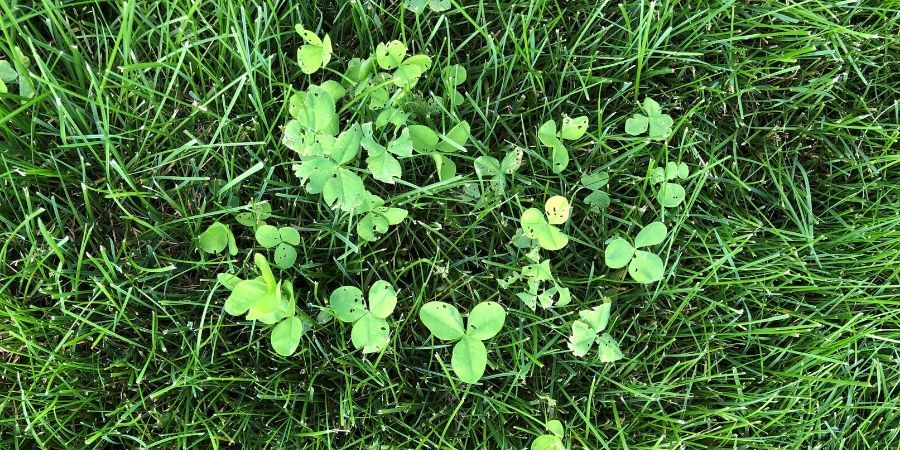
Image Source: www.milorganite.com
Why Clover Appears in Your Lawn
Before diving into elimination strategies, it’s helpful to grasp why clover thrives in certain lawn conditions. Clover typically flourishes in lawns that are:
- Nutrient Deficient: Clover is excellent at fixing nitrogen from the air into the soil, meaning it doesn’t need much from the soil itself. If your lawn grass is struggling due to a lack of nitrogen, clover will happily fill the void.
- Compacted Soil: Dense, compacted soil makes it difficult for grass roots to grow deeply and access essential nutrients and water. Clover, with its shallow root system, can tolerate these conditions better.
- Poor Drainage: Lawns that stay waterlogged for extended periods can favor clover growth over deeper-rooted grasses.
- Infrequently Mowed: Mowing your lawn too short can scalp the grass, exposing bare patches that clover can easily colonize.
Addressing these underlying lawn care issues is crucial for long-term clover control and preventing its return.
Effective Clover Control Strategies
Getting rid of clover involves a multi-pronged approach, focusing on both killing existing clover and creating an environment where your desired grass can thrive.
Manual Clover Removal
For small clover patches in your lawn, manual removal is a simple and effective method.
- Weeding Tools: Invest in a good dandelion or garden weeder. These tools are designed to get under the root of the plant.
- Technique: Dig around the base of the clover plant, ensuring you extract the entire taproot. If the root breaks off, the clover can regrow.
- Timing: It’s easiest to pull clover when the soil is moist, typically after a rain or watering.
Chemical Clover Removal (Weed Killers)
When dealing with a more widespread problem, chemical solutions can be very effective. It’s important to choose the right type of weed killer for clover.
Broadleaf Weed Control
Clover is a broadleaf weed, and most broadleaf weed killers are designed to target and eliminate it without harming your turfgrass (which is a monocot).
- Active Ingredients: Look for products containing active ingredients like 2,4-D, MCPP (mecoprop), dicamba, or triclopyr. These are commonly found in selective broadleaf weed control products.
- Application Timing: The best time to apply a weed killer for clover is when the clover is actively growing and the weather is warm but not excessively hot (ideally between 60-85°F or 15-29°C). Avoid applying before rain, as it can wash the herbicide away.
- Coverage: Ensure thorough coverage of the clover patches. Most products recommend a specific dilution rate. Follow the label instructions carefully.
- Post-Emergent Application: These are applied to actively growing weeds to kill them.
Specific Product Recommendations
When selecting a weed killer for clover, consider these types of products:
- Liquid Herbicides: These are diluted with water and applied with a sprayer. They offer good control over larger areas.
- Granular Herbicides: Often combined with fertilizer, these are spread using a broadcast or drop spreader. They offer convenience and can provide a feeding to your lawn simultaneously.
- Spot Treatments: For isolated clover patches, a ready-to-use spray bottle allows for targeted application.
Important Note: Always read and follow the product label directions carefully. Incorrect application can damage your lawn or harm beneficial insects.
Pre-Emergent for Clover
While post-emergent herbicides kill existing clover, pre-emergent herbicides work by preventing weed seeds from germinating.
- How it Works: Pre-emergent herbicides create a barrier in the soil that kills weed seedlings as they sprout.
- Timing is Key: For clover, pre-emergent treatments are typically applied in early spring before the soil temperatures reach a consistent 55°F (13°C) or higher, which is when clover seeds begin to germinate.
- Limitations: Pre-emergent herbicides will not kill existing clover plants; they are purely preventative. They also won’t stop clover that spreads via runners (stolons).
Post-Emergent for Clover
As mentioned earlier, post-emergent herbicides are the go-to for eliminating clover that has already established itself.
- Targeting Actively Growing Clover: The effectiveness of post-emergent weed killers for clover depends on the clover being actively growing and healthy. This usually means applying them during warmer months when the grass and clover are green and vibrant.
- Follow-Up Treatments: In cases of a dense clover infestation, you might need a second application of a post-emergent herbicide several weeks after the first to catch any regrowth or late-germinating seedlings.
Natural Solutions for Clover Removal
For those who prefer to avoid chemical herbicides, several natural methods can help with clover removal. These often focus on improving lawn health to outcompete the clover.
Improving Lawn Health to Outcompete Clover
A strong, healthy lawn is the best defense against weeds, including clover. Focus on these fundamental lawn care practices:
- Proper Fertilization: Apply a balanced fertilizer at the correct times of the year. This will promote vigorous grass growth, making it harder for clover to establish. Soil testing can help determine specific nutrient needs.
- Adequate Watering: Water your lawn deeply and infrequently. This encourages grass roots to grow deeper, making them more resilient to drought and competition. Avoid shallow, frequent watering, which favors shallow-rooted weeds.
- Correct Mowing Height: Set your mower to the higher end of the recommended range for your grass type. Taller grass shades the soil, discouraging weed germination and growth. Aim to remove no more than one-third of the grass blade with each mowing.
- Aeration and Dethatching: Compacted soil and excessive thatch can create an ideal environment for clover. Aerating your lawn (removing small plugs of soil) and dethatching (removing the layer of dead organic matter) improves air, water, and nutrient penetration to the grass roots, strengthening your lawn.
Natural Herbicides and Treatments
While less potent than chemical herbicides, some natural options can help manage clover:
- Corn Gluten Meal: This is a natural pre-emergent weed suppressant. It works by inhibiting root formation in germinating seeds. Apply it in early spring before clover seeds sprout. It also acts as a mild nitrogen fertilizer.
- Vinegar (Acetic Acid): Household vinegar (5% acetic acid) can burn the foliage of clover, but it is a non-selective herbicide. This means it will also damage your grass. It is best used as a spot treatment on clover in cracks in pavement or on patios, not on the lawn itself. Horticultural vinegars with higher acetic acid concentrations are more effective but also more dangerous and non-selective.
- Boiling Water: Similar to vinegar, boiling water can kill any plant it contacts, including clover and grass. Use it very carefully as a spot treatment for small, isolated clover patches away from desirable grass.
Cultural Practices to Deter Clover
Beyond the basics, consider these cultural shifts:
- Overseeding: Regularly overseeding your lawn, especially in the fall, helps to fill in any thin or bare spots where clover might try to establish. Use a high-quality grass seed blend suitable for your climate and light conditions.
- Soil pH Adjustment: Clover tends to prefer acidic soil. If a soil test indicates a low pH, applying lime according to recommendations can help make the soil less hospitable to clover and more favorable to many lawn grasses.
Dealing with a Dense Clover Infestation
If you’re facing a dense clover infestation, you’ll likely need a more aggressive approach.
Combining Methods for Maximum Impact
For widespread clover problems, a combination of methods is often most effective:
- Initial Post-Emergent Treatment: Apply a broadleaf weed killer specifically labeled for clover in the spring or early fall when clover is actively growing.
- Address Underlying Issues: Concurrently, focus on improving your lawn’s health through proper fertilization, watering, and mowing. Consider core aeration to alleviate soil compaction.
- Overseeding: After the clover has been effectively treated and the underlying issues are being addressed, overseed any thin areas in your lawn. This will help the grass fill in and prevent new clover from establishing.
- Monitor and Repeat: Keep an eye on your lawn and be prepared to spot-treat any returning clover patches or apply another round of post-emergent herbicide if necessary.
When to Call a Professional
If you’ve tried various methods and are still struggling with persistent clover, it may be time to consult a professional lawn care service. They have access to stronger products and can provide a customized treatment plan based on your lawn’s specific needs.
Clover Patches in Lawn: A Persistent Problem
Dealing with persistent clover patches can be frustrating. The key is consistent effort and understanding that a truly clover-free lawn may be an ongoing endeavor, especially in certain environments.
Why Clover Keeps Coming Back:
- Deep Root Systems: While clover’s primary root is shallow, it also spreads via runners (stolons) that can root at nodes, making complete removal from the soil challenging.
- Nitrogen Fixing: Clover’s ability to fix nitrogen means it can thrive even in less fertile soil, giving it an advantage over grasses that rely solely on soil nutrients.
- Drought Tolerance: Clover is generally more drought-tolerant than many common lawn grasses, allowing it to persist during dry spells when grass may struggle.
Strategies for Persistent Clover:
- Persistence with Post-Emergent: Don’t be discouraged if a single application of weed killer doesn’t eliminate all the clover. Multiple applications, spaced several weeks apart, are often necessary.
- Improving Soil Health: This cannot be stressed enough. Healthy, dense turf is your best weapon against any weed. Focus on aeration, dethatching, and proper feeding.
- Raising Mowing Height: This is a simple but often overlooked strategy. Longer grass shades the soil, hindering clover seed germination and growth.
- Soil Testing: Knowing your soil’s pH and nutrient levels is crucial. Adjusting these can make your lawn less favorable to clover.
Lawn Care Clover: A Proactive Approach
Maintaining a healthy lawn is the most effective long-term strategy for managing clover. Think of it as proactive lawn care clover management.
Key Lawn Care Practices:
- Regular Soil Testing: Aim to test your soil every 1-2 years. This informs your fertilization and liming decisions.
- Seasonal Fertilization: Follow a fertilization schedule appropriate for your grass type and region. This keeps your grass strong and competitive.
- Water Wisely: Deep, infrequent watering promotes strong root systems.
- Mow High and Sharp: Keep your mower blades sharp to make clean cuts, and mow at the highest recommended setting for your grass.
- Overseed Annually: Fill in any thin spots with a quality grass seed mix.
Summary of Clover Removal Techniques
Here’s a quick reference to the methods discussed:
| Method | Description | Best For | Considerations |
|---|---|---|---|
| Manual Removal | Pulling clover plants by hand or with tools. | Small clover patches | Effective for isolated spots; requires thorough root extraction. |
| Broadleaf Weed Killer | Chemical herbicides designed to kill broadleaf weeds like clover. | Widespread clover | Choose selective herbicides; follow label instructions precisely; best applied when clover is actively growing. |
| Pre-Emergent | Prevents weed seeds from germinating. | Prevention | Applied in early spring before clover sprouts; does not kill existing clover. |
| Corn Gluten Meal | Natural pre-emergent and mild fertilizer. | Prevention, mild control | Apply in early spring; less potent than chemical pre-emergents. |
| Vinegar/Boiling Water | Non-selective treatments that kill plant foliage on contact. | Spot treatments (carefully) | Can damage or kill desirable grass; use with extreme caution. |
| Improving Lawn Health | Fertilizing, watering, mowing correctly, aerating, dethatching. | Long-term clover control | Creates a dense turf that outcompetes weeds. |
Frequently Asked Questions About Clover in Lawns
Q1: Is clover bad for my lawn?
Clover is not inherently “bad.” It’s a legume that fixes nitrogen, which can benefit your grass by adding nutrients. However, when it becomes a dominant plant, it can make your lawn look uneven, reduce the density of your turf, and attract bees, which can be a concern if you have allergies or young children.
Q2: Can I get rid of clover without using chemicals?
Yes, you can significantly reduce and manage clover naturally by improving your lawn’s health. Focus on proper fertilization, deep watering, mowing at the correct height, aeration, and overseeding. Corn gluten meal can also be used as a natural pre-emergent.
Q3: When is the best time to apply a weed killer for clover?
The best time to apply a post-emergent weed killer for clover is when the clover is actively growing and the weather is warm but not excessively hot (between 60-85°F or 15-29°C). Spring and early fall are typically ideal.
Q4: Will clover come back after I kill it?
Clover can be persistent. If you’ve addressed the underlying conditions that allow clover to thrive (e.g., nutrient-deficient soil, compaction), you can significantly reduce its return. However, clover seeds can remain dormant in the soil for years, and its ability to spread via runners means regrowth is possible. Consistent lawn maintenance and vigilance are key.
Q5: How do I deal with a dense clover infestation?
For a dense clover infestation, a combination approach is usually best. Start with a post-emergent weed killer, followed by addressing soil compaction through aeration, and improving overall lawn health with proper fertilization and mowing. Overseeding will help thicken your turf to prevent future clover growth.
By implementing these expert tips and natural solutions, you can effectively manage and eliminate clover, fostering a healthier, more beautiful lawn. Remember that consistent lawn care is the most sustainable way to keep clover and other weeds at bay.