
If your lawn is being dug up by birds, the easiest ways to stop them are by removing their food sources and making your lawn less attractive to them. This involves understanding what attracts birds in the first place and then implementing targeted strategies.
Birds digging in your lawn is a common and frustrating problem for many homeowners. Those tell-tale holes and upturned soil patches can be unsightly and damage your grass. But fear not! There are many effective ways to deter these feathered visitors and protect your precious turf. This guide will delve deep into the reasons behind this behavior and offer a comprehensive range of solutions, from simple fixes to more involved approaches. We’ll cover everything from understanding bird habits to implementing advanced lawn protection and wildlife management techniques.
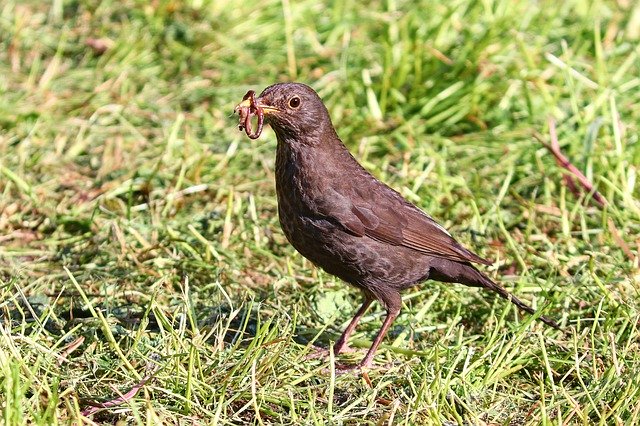
Image Source: www.lawnweedexpert.co.uk
Deciphering Bird Behavior: Why They Dig
Before we can effectively stop birds from digging, we need to understand why they do it. It’s not usually out of malice; it’s simply their natural foraging behavior.
What Birds Seek in Your Lawn
- Insects and Grubs: The primary reason birds dig in lawns is to find a tasty meal. Many common lawn pests, like grubs, earthworms, and other insect larvae, live just beneath the surface of the soil. Birds, with their keen eyesight and specialized beaks, are excellent at spotting and extracting these protein-rich snacks. This is where grub control becomes a crucial aspect of digging prevention.
- Seeds and Berries: While less common for widespread digging, some birds might be looking for fallen seeds from nearby trees or shrubs, or even small berries that have dropped onto the grass.
- Nesting Materials: In some cases, birds might be foraging for soft materials like moss or fine roots to help build their nests.
- Water: On very hot days, birds might peck at the soil if it’s moist, looking for a drink.
Common Culprits and Their Habits
Different bird species have different preferences and digging styles. Identifying which birds are visiting your lawn can help you tailor your approach.
- American Robins: These iconic birds are notorious for their lawn foraging. They often stand still, cock their heads, and then dive beak-first into the turf to snatch earthworms, especially after rain.
- Starlings: Starlings are known for their more aggressive pecking and probing. They can leave quite a mess with their efforts to find grubs and other insects.
- Blackbirds and Grackles: Similar to starlings, these birds will also probe the soil for insects and grubs.
- Woodpeckers: While not typically lawn diggers in the same way, some woodpeckers might peck at the soil if they detect insect activity, especially near tree roots.
Effective Strategies for Digging Prevention
Now that we know why birds are digging, let’s explore how to stop them. The key is to make your lawn a less appealing buffet.
1. Addressing the Root Cause: Grub Control
As mentioned, insects and grubs are a major draw for digging birds. Therefore, grub control is one of the most effective long-term solutions for digging prevention.
Identifying and Treating Grubs
- Signs of Grubs: Look for irregular brown patches in your lawn that lift up easily like a carpet. You might also see increased bird activity, and sometimes animals like raccoons or skunks digging at night, indicating a grub problem.
- Treatment Options:
- Beneficial Nematodes: These microscopic worms are natural predators of grubs and can be applied to the lawn. They are an eco-friendly solution.
- Milky Spore Disease: This is effective against Japanese beetle grubs and is applied in early fall.
- Chemical Insecticides: If the infestation is severe, you might consider using a grub killer. Always follow product instructions carefully and consider the impact on beneficial insects and wildlife.
Other Insect Control
Beyond grubs, earthworms and other beetle larvae also attract birds. Healthy soil and proper lawn care tips can help maintain a balanced ecosystem, but a heavy earthworm population can still be a target.
2. Making Your Lawn Less Appealing
If grub control isn’t the sole issue, or if you’re looking for immediate solutions, you can make your lawn less attractive to digging birds.
Physical Barriers
- Bird Netting: For specific, high-traffic areas or newly seeded areas, bird netting can be a highly effective physical barrier. Ensure the netting is taut and secured, as loose netting can be a hazard to birds. This is often a good option for protecting vegetable gardens or specific planting beds.
- Turf Reinforcement Mesh: Similar to bird netting, these meshes can be laid over the lawn to discourage digging while still allowing grass growth.
Repellent Methods
- Animal Repellent Sprays: Various animal repellent sprays are available that can deter birds. These often have a bitter taste or an odor that birds dislike. Look for products specifically designed for birds. Reapplication might be necessary after rain.
- Scare Tactics: Birds are easily frightened. Implementing scare tactics can be very effective, though birds can become accustomed to them over time, requiring you to change your methods periodically.
Visual Deterrents
- Shiny Objects: Strips of aluminum foil, reflective tape (like Mylar tape), or old CDs hung from stakes or branches can flash in the sunlight and startle birds.
- Scarecrows and Decoys: Traditional scarecrows can work, but modern, realistic predator decoys (like owls or hawks) might be more effective. Move these around your lawn regularly to prevent birds from getting used to them.
- Plastic Predators: Plastic owls, snakes, or cats placed strategically around the lawn can also deter smaller birds.
Auditory Deterrents
- Ultrasonic Devices: These emit high-frequency sounds that are inaudible to humans but irritating to birds. Their effectiveness can vary.
- Noise Makers: Wind chimes, or even placing radios on low volume in your garden, can sometimes disturb birds enough to keep them away.
Motion-Activated Sprinklers
- These devices detect movement and spray a burst of water, which can startle birds and deter them without causing harm.
3. Modifying Your Landscape
Sometimes, the solution lies in how your landscape is designed and maintained.
Lawn Aeration and Dethatching
- Soil Aeration: Regular soil aeration can improve drainage and soil health. While this doesn’t directly stop birds, it can reduce the slug and grub populations that thrive in compacted, waterlogged soil. It also helps promote healthier, denser turf that is more resilient to minor digging.
- Dethatching: Removing excessive thatch (dead grass and organic matter) can also reduce habitats for insects and make the soil surface less appealing.
Watering Practices
- Water your lawn thoroughly but less frequently. This encourages deeper root growth, making the grass healthier. Birds often prefer to dig in slightly damp, loose soil, so very dry or very wet, compacted soil is less attractive.
Companion Planting
- Certain plants are known to deter birds. Planting marigolds, chrysanthemums, or garlic around the edges of your lawn or in flower beds can create a natural animal repellent effect for the surrounding area.
Eliminating Water Sources
- If birds are digging for moisture, ensure there are no standing water sources, like leaky faucets or bird baths, too close to your lawn.
4. Professional Wildlife Management
If you have a persistent or severe problem, or if you’re unsure about the best approach, consider consulting a professional.
- Lawn Care Professionals: Many lawn care tips and services can address underlying soil issues and pest problems that attract birds.
- Wildlife Management Specialists: For more complex situations, a wildlife management expert can assess the specific species and behaviors involved and recommend tailored solutions.
Combining Strategies for Maximum Effectiveness
The most successful digging prevention often involves a multi-pronged approach. Combining several methods will yield better results than relying on a single solution.
Sample Strategy Combinations
- For Grub-Heavy Lawns:
- Implement grub control treatments.
- Use visual deterrents like reflective tape.
- Aerify the lawn to improve soil health.
- For General Bird Foraging:
- Employ scare tactics like decoys and shiny objects.
- Consider a mild animal repellent spray.
- Ensure your lawn is healthy and well-maintained.
- For High-Traffic Areas:
- Use bird netting or turf reinforcement mesh.
- Pair with motion-activated sprinklers for an extra deterrent.
Maintaining Your Lawn Protection
- Consistency is Key: Birds can become habituated to deterrents. Regularly switch up your scare tactics, move decoys, and reapply repellents as needed.
- Holistic Approach: Remember that wildlife management is about coexistence. The goal isn’t to eliminate birds entirely but to encourage them to forage elsewhere.
Troubleshooting Common Lawn Digging Issues
| Problem Area | Cause | Solution |
|---|---|---|
| New Seeded Lawn | Birds seeking insects in loose soil | Cover with bird netting or straw; use visual deterrents. |
| Patchy Brown Spots | Grub infestation | Implement grub control; monitor for bird activity. |
| Constant Pecking | Abundant earthworms/insects | Improve drainage; consider grub control; use scare tactics. |
| Holes near edges | Birds seeking insects near mulch | Apply animal repellent to mulch; ensure mulch isn’t too deep. |
| Disturbed soil after rain | Earthworms surfacing | Improve soil aeration; consider grub control; deterrents may be needed. |
Frequently Asked Questions (FAQ)
Q1: Will bird netting harm birds?
A1: When used correctly, bird netting should not harm birds. Ensure the netting is installed tautly and inspected regularly for any loose strands. Avoid using netting with very small mesh sizes that could trap small birds. The goal is to create a physical barrier, not a trap.
Q2: Are there any humane ways to stop birds digging?
A2: Yes, all the methods discussed in this article are humane. They focus on deterring birds through making the lawn less attractive, using sensory deterrents (visual, auditory, tactile), or removing their food sources, rather than causing them harm.
Q3: How quickly can I expect to see results?
A3: Results can vary depending on the methods used and the severity of the problem. Simple scare tactics might deter birds immediately but can wear off. Grub control treatments will take some time to eradicate the pests, after which bird activity should decrease. A combination of approaches will likely yield the fastest and most sustainable results.
Q4: Can I use household items as deterrents?
A4: Yes, many household items can be repurposed as bird deterrents. Aluminum foil, old CDs, pinwheels, and even predator effigies like plastic owls can be effective visual deterrents. Just remember to move them around to prevent birds from habituating to them.
Q5: My neighbor’s lawn is perfect. What am I doing wrong?
A5: Your neighbor might have a different soil composition, fewer insect populations, or they might be actively using some of these lawn protection strategies. Compare your lawn care tips and pest control measures. Perhaps they have a diligent grub control program or strategically placed bird deterrents you haven’t considered.
Q6: What is the best time of year to deal with lawn digging?
A6: Addressing potential grub infestations in late summer or early fall can prevent widespread damage in the spring and summer when birds are most actively foraging. Implementing deterrents can be done anytime the problem arises, but early intervention is always best.
Q7: How does soil aeration help with bird digging?
A7: Soil aeration improves air circulation and drainage, which can reduce the conditions that favor certain insect larvae and grubs. Healthier soil also leads to a more robust turf, which is naturally more resistant to minor disturbances and can recover faster from any incidental digging.
By arming yourself with knowledge about bird behavior and employing a combination of these effective strategies, you can reclaim your lawn from unwelcome avian excavation. Happy gardening!