
Can I get rid of stickers in my yard without harming my family or pets? Yes, you can effectively kill stickers in your yard safely by employing a combination of methods, including physical removal, targeted herbicides, and preventative measures.
Stickers, those prickly nuisances that snag on clothing and bother bare feet, can turn a pleasant yard into a battleground. These tenacious weeds, often characterized by their sharp burrs or spiky leaves, are more than just an annoyance; they can choke out desirable plants and make your outdoor spaces less enjoyable. This comprehensive guide will walk you through effective and safe strategies for sticker removal and comprehensive weed control in your yard, ensuring your lawn care and yard maintenance are successful.
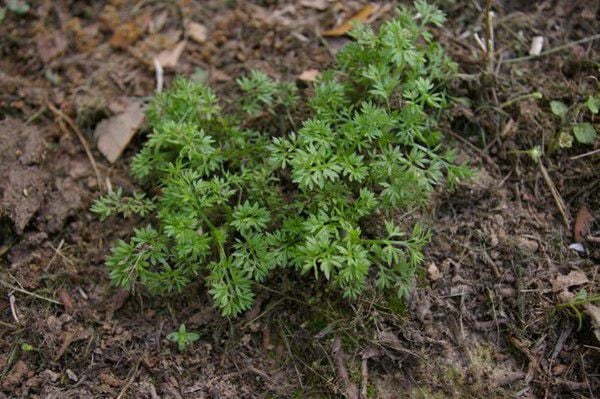
Image Source: bloximages.newyork1.vip.townnews.com
Identifying Your Sticker Problem
Before you can tackle stickers, you need to know what you’re dealing with. Many different herbaceous plants can develop prickly structures, and some are considered invasive species that require persistent plant eradication. Common culprits include:
- Burr Medic (Medicago polymorpha): Known for its coiled, spiny burrs.
- Sandspur (Cenchrus spp.): Produces spiny seed clusters that are notorious for sticking.
- Yellow Oxalis (Oxalis corniculata): While not having true burrs, its seed pods can burst and scatter small, sharp seeds.
- Thistles (Cirsium spp. and Carduus spp.): Recognizable by their spiny leaves and often showy purple flowers.
Key Characteristics to Look For:
- Spiky Leaves: Many sticker plants have sharp edges or spines along their leaf margins.
- Burrs or Seed Pods: The defining feature is the structure that attaches to clothing or fur. These can be round, coiled, or spiky.
- Low Growth Habit: Many sticker weeds prefer to grow close to the ground, making them easy to miss until you step on them.
Safe and Effective Sticker Removal Strategies
Dealing with stickers requires a multifaceted approach. We’ll explore methods ranging from manual removal to chemical treatments, always with safety as the top priority for your landscaping and outdoor cleaning.
Manual Sticker Removal: The First Line of Defense
For smaller infestations or when you want to avoid chemicals altogether, manual removal is an excellent option. This is a crucial part of yard maintenance.
Pulling by Hand
- Timing is Key: The best time to pull sticker weeds is when the soil is moist after rain. This makes it easier to remove the entire plant, including the roots.
- Wear Protection: Always wear thick gloves to protect your hands from the sharp parts of the plants.
- Get the Roots: Loosen the soil around the base of the plant with a trowel or cultivator to ensure you pull out the entire root system. Leaving roots behind will allow the plant to regrow.
- Dispose Properly: Place pulled weeds in a sealed bag to prevent seeds from scattering. Do not compost sticker weeds unless you have a very hot compost pile that will kill the seeds.
Using Tools for Sticker Removal
When plants are too tough to pull by hand or are in difficult-to-reach areas, specialized tools can help.
- Garden Trowel or Cultivator: Useful for loosening soil and getting under the roots of larger sticker plants.
- Weeding Knife or Dandelion Puller: These long, thin tools are great for reaching deep taproots.
- Hoe: For surface-level weeds, a sharp hoe can sever the plant at the soil line, though this may not kill the roots of more robust species.
Chemical Weed Control: Targeted Application
When manual removal isn’t enough, herbicides can be an effective tool. The key to safe and effective use is targeted application.
Types of Herbicides for Sticker Weed Control
- Selective Herbicides: These are designed to kill specific types of plants, usually broadleaf weeds, without harming grasses. They are often the best choice for lawn care where you want to preserve your turf.
- Examples: Products containing 2,4-D, MCPP (mecoprop), or Dicamba are common selective herbicides.
- Non-Selective Herbicides: These kill any plant they come into contact with. Use these with extreme caution, only on unwanted plants and not near desirable ones.
- Examples: Glyphosate (Roundup) is a well-known non-selective herbicide.
Safe Herbicide Application Practices
- Read the Label: This is the most important rule. Labels provide instructions on application rates, safety precautions, and target weeds.
- Choose the Right Time: Apply herbicides when weeds are actively growing. Avoid windy days to prevent drift onto desirable plants.
- Spot Treatment: Instead of spraying your entire lawn, use a sprayer to apply the herbicide directly to the sticker weeds. This minimizes chemical exposure and protects beneficial insects and plants.
- Protective Gear: Always wear long sleeves, long pants, gloves, and eye protection when handling and applying herbicides.
- Pet and Child Safety: Keep pets and children away from treated areas until the herbicide has dried and is no longer visible on the foliage, or as directed by the product label.
- Water Wisely: Avoid watering immediately after application, as this can wash away the herbicide. Check the label for specific watering instructions.
Organic and Natural Weed Control Options
For those seeking an eco-friendly approach to plant eradication, several natural options are available.
- Vinegar-Based Herbicides: Horticultural vinegar (higher acetic acid concentration than household vinegar) can kill weeds on contact. Be aware that it is non-selective and can damage any plant it touches.
- Boiling Water: Pouring boiling water directly on weeds can kill them instantly. This is best for cracks in sidewalks or patios.
- Corn Gluten Meal: Applied as a pre-emergent, it can inhibit seed germination. It’s most effective when applied in early spring before sticker seeds sprout.
Preventative Measures: Stopping Stickers Before They Start
The best strategy for weed control is to prevent stickers from taking root in the first place. This involves good lawn care practices and smart landscaping.
Promoting a Healthy Lawn
A thick, healthy lawn is your best defense against weeds.
- Proper Mowing: Mow your grass at the correct height for your grass type. Taller grass shades the soil, preventing weed seeds from germinating.
- Regular Watering: Water deeply but infrequently to encourage strong root growth.
- Fertilization: Feed your lawn with appropriate fertilizers to keep it vigorous and dense.
- Aeration: Aerating compacted soil allows water, air, and nutrients to reach the grass roots, promoting a healthier lawn.
- Overseeding: Fill in bare patches with grass seed to prevent weeds from establishing.
Mulching for Weed Suppression
Mulch is a natural weed barrier.
- Types of Mulch: Organic mulches like wood chips, shredded bark, or straw are excellent. Inorganic mulches like gravel can also be used in certain areas.
- Application: Apply a layer of mulch at least 2-3 inches deep around trees, shrubs, and in garden beds. This smothers existing weeds and prevents new ones from sprouting. Ensure mulch is kept a few inches away from the base of trees and shrubs to prevent rot and disease.
Barriers and Groundcovers
- Landscape Fabric: For areas where you want to prevent all plant growth, landscape fabric can be effective. It should be covered with mulch or gravel for aesthetics and to protect it from UV degradation.
- Dense Groundcovers: Planting desirable, dense groundcover plants in areas prone to stickers can outcompete them for sunlight, water, and nutrients.
Dealing with Persistent Stickers: Advanced Tactics
Some sticker weeds are particularly stubborn and may require a more aggressive approach. This is where understanding invasive species and their life cycles becomes important for effective plant eradication.
Understanding Weed Life Cycles
- Annuals: Complete their life cycle in one year (e.g., sandspur). They are best controlled before they set seed.
- Biennials: Live for two years, typically growing foliage the first year and flowering/seeding the second.
- Perennials: Live for multiple years, often spreading by roots or rhizomes (e.g., some thistles). These require consistent treatment to deplete their root reserves.
Timing Your Control Efforts
- Pre-emergent Control: Applied in early spring before weed seeds germinate. Products containing trifluralin or pendimethalin can help prevent annual sticker weeds.
- Post-emergent Control: Applied to actively growing weeds. This is when herbicides are most effective.
Integrated Weed Management (IWM)
IWM combines various methods for the most effective and sustainable control. This is crucial for long-term yard maintenance.
- Monitor Regularly: Keep an eye out for new sticker infestations.
- Identify Weeds: Knowing the specific type of sticker weed helps in choosing the most effective control method.
- Combine Methods: Use manual removal for small patches, herbicides for larger infestations, and preventative measures to maintain control.
Safety Considerations for Your Outdoor Cleaning and Landscaping
When undertaking outdoor cleaning and landscaping to combat stickers, safety is paramount.
Herbicide Safety Recap
- Always Read and Follow Label Instructions: This cannot be stressed enough.
- Store Safely: Keep herbicides in their original containers, out of reach of children and pets, and in a cool, dry place.
- Dispose of Properly: Follow local regulations for the disposal of leftover herbicides and empty containers.
Personal Protective Equipment (PPE)
Wearing appropriate PPE is non-negotiable when dealing with herbicides or even when manually removing very spiky weeds.
- Gloves: Chemical-resistant gloves (nitrile or neoprene) are essential.
- Eye Protection: Safety glasses or goggles protect your eyes from splashes.
- Clothing: Long sleeves, long pants, and closed-toe shoes provide a barrier against skin contact.
- Respirator: In some cases, especially with extensive spraying or in poorly ventilated areas, a respirator may be necessary.
Protecting Pets and Children
- Keep Them Away: Ensure pets and children are not in the yard during herbicide application and until the area is completely dry and safe to re-enter.
- Clean Up Tools: Wash any tools or equipment that have come into contact with herbicides thoroughly.
Specific Sticker Weed Scenarios and Solutions
Let’s look at some common scenarios and how to address them using the principles discussed.
Scenario 1: Stickers in the Lawn
- Problem: Burr medic or sandspur seedlings have appeared throughout your grass.
- Solution:
- Manual Removal: For scattered patches, pull them by hand with gloves.
- Selective Herbicide: Apply a liquid selective herbicide labeled for broadleaf weeds in turfgrass during active growth. Follow the label for application rates and re-entry times.
- Healthy Lawn: Continue with good lawn care practices to outcompete any remaining weeds.
Scenario 2: Stickers in Flower Beds or Gardens
- Problem: Thistles have invaded your perennial beds.
- Solution:
- Manual Removal: Carefully dig out thistles, ensuring you get the roots. This is a form of sticker removal.
- Spot Treatment (Non-Selective): If manual removal is insufficient, carefully spot-treat individual thistle plants with a non-selective herbicide, using a shield (like cardboard) to protect surrounding plants.
- Mulching: Apply a thick layer of mulch after manual removal to suppress new growth.
- Groundcovers: Consider planting dense groundcovers that will spread and choke out the thistles.
Scenario 3: Stickers on Patios or Driveways
- Problem: Stickers are growing in the cracks of your hardscaping.
- Solution:
- Boiling Water: Pouring boiling water directly into the cracks is a safe and effective way to kill these weeds.
- Horticultural Vinegar: Spray directly onto the weeds. Be careful, as it can damage concrete over time with repeated use.
- Manual Removal: Use a stiff brush or a weeding tool to scrape them out.
- Sealing Cracks: Once weeds are removed, consider sealing cracks in your patio or driveway to prevent future growth. This is a proactive step in outdoor cleaning.
Frequently Asked Questions (FAQ)
Q1: How often should I check my yard for sticker weeds?
It’s best to scout your yard regularly, at least once a week, especially during the spring and summer growing seasons. Early detection makes sticker removal much easier.
Q2: Can I use weed killer on my lawn during a drought?
It’s generally not recommended. Weeds are more stressed during a drought, and herbicides can be less effective and potentially more damaging to your lawn when it’s already suffering. Focus on keeping your lawn healthy with deep watering if possible.
Q3: What is the best time of year to start sticker weed control?
The best time to start is in the early spring when weeds are young and actively growing. This is when herbicides are most effective, and manual removal is easiest. Pre-emergent treatments should also be applied in early spring.
Q4: Are all sticker plants considered weeds?
Not all plants with prickly parts are considered weeds. However, in the context of yard maintenance and lawn care, any plant growing where you don’t want it, especially one that causes physical discomfort like stickers, is generally treated as a weed requiring weed control.
Q5: How can I prevent sticker seeds from spreading?
- Clean your lawn mower, shoes, and pets’ fur after spending time in infested areas.
- Dispose of any sticker-laden debris in sealed bags.
- Avoid leaving grass clippings with burrs on the lawn.
By implementing these safe and effective strategies, you can transform your yard from a prickly problem into a pleasant, sticker-free environment. Consistent effort and a good understanding of your specific weed control needs will lead to successful plant eradication and enjoyable landscaping.