
Raccoons can wreak havoc on a garden, turning your carefully cultivated produce into a midnight buffet. To keep raccoons out of your garden safely, you need a multi-pronged approach that combines physical barriers, deterrents, and careful garden management. This guide will equip you with the knowledge and practical tips to protect your plants and enjoy a bountiful harvest, all while prioritizing humane methods.
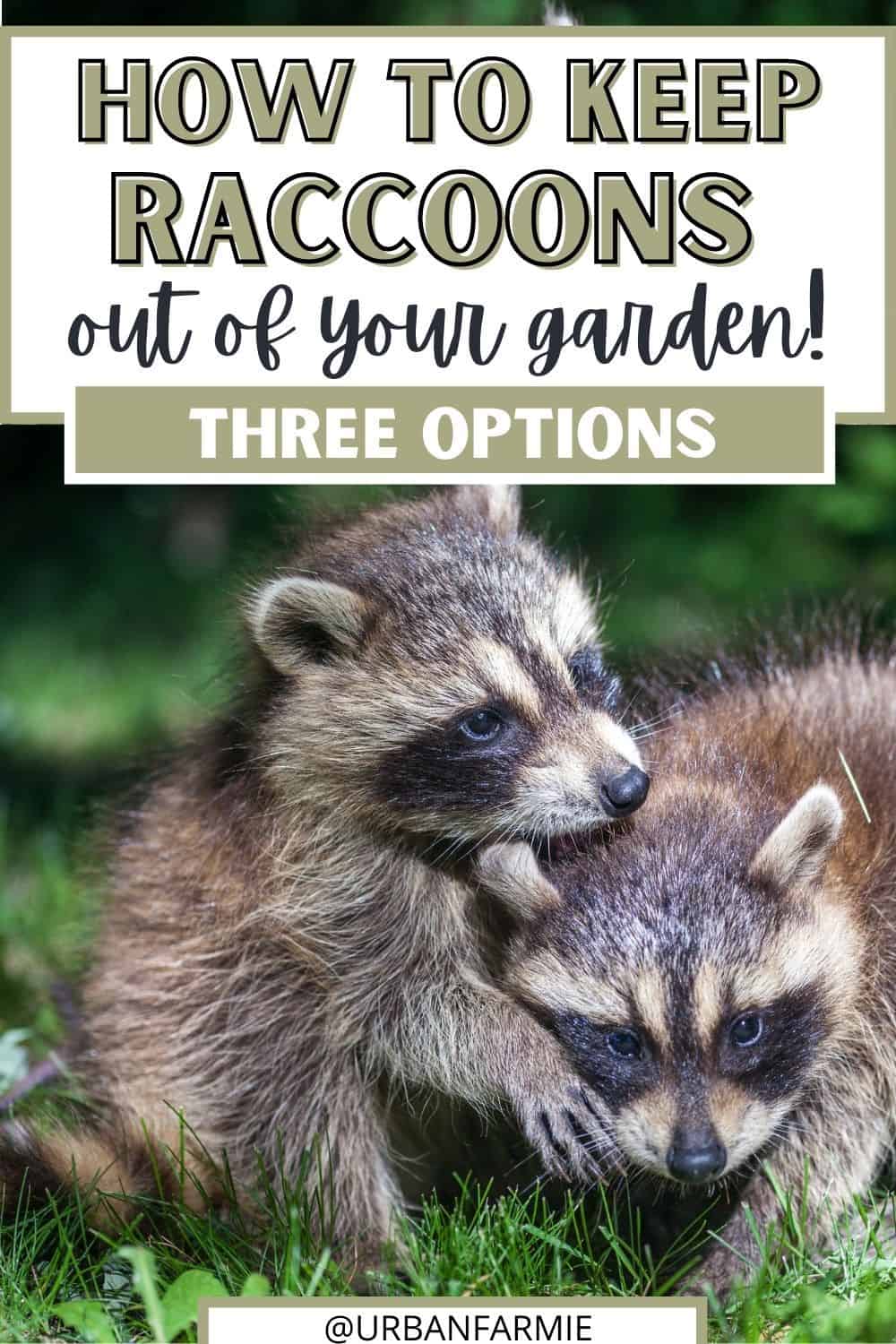
Image Source: urbanfarmie.com
Deterring the Masked Bandits: Your First Line of Defense
Raccoons are intelligent and adaptable creatures, but they are also creatures of habit. By making your garden less appealing and harder to access, you can significantly reduce their visits. Effective garden pest control starts with understanding what attracts them and what discourages them.
The Power of Physical Barriers: Secure Garden Fencing
The most effective way to keep animals out of garden spaces is with a robust physical barrier. When it comes to raccoons, your fence needs to be more than just a decorative element; it needs to be a fortified perimeter.
Choosing the Right Fencing Material
- Wire mesh or chicken wire: This is a common and cost-effective choice. Opt for mesh with openings no larger than 1 inch. Raccoons are surprisingly agile and can squeeze through larger gaps.
- Hardware cloth: This is a heavier-duty option made from galvanized steel wire. It’s more durable and harder for raccoons to chew through. Look for 19-gauge or heavier.
- Electric fencing: While more involved, electric fencing can be a highly effective raccoon deterrent. It delivers a mild shock, teaching raccoons to avoid the area. Ensure it’s installed correctly and safely according to local regulations.
Fence Construction for Maximum Effectiveness
- Height is Crucial: Raccoons are excellent climbers. Your fence should be at least 3 feet tall. Ideally, aim for 4 feet to be safe.
- Burying the Base: Raccoons are also diggers. Bury the bottom of your fence at least 12 inches into the ground. Bend the buried portion outward at a 90-degree angle to create an “L” shape. This makes it much harder for them to dig under.
- Overhanging Top: Raccoons can climb over fences. To prevent this, consider adding an outward-facing overhang at the top of your fence. This could be a piece of wire mesh bent at an angle.
- No Gaps: Regularly inspect your fence for any holes or gaps that raccoons could exploit. Even small openings can be an invitation.
Alternative Barriers
If a full fence isn’t feasible, consider these options:
- Row covers or netting: For individual plants or smaller garden beds, lightweight row covers or netting can offer protection. Ensure they are secured tightly to the ground.
- Raised beds: While not a direct deterrent, raised beds can make it slightly more challenging for raccoons to access your plants, especially if combined with other methods.
Beyond Fencing: Other Effective Raccoon Deterrents
While fencing is paramount, a combination of raccoon deterrents will provide the most robust protection. Raccoons are opportunistic, and making your garden uninviting is key.
Scent-Based Deterrents: Tricking Their Noses
Raccoons rely heavily on their sense of smell. Using strong, unpleasant scents can mask the appealing aroma of your garden and drive them away.
-
Natural Raccoon Repellents:
- Epsom salts: Sprinkling Epsom salts around the perimeter of your garden is often cited as a natural raccoon repellent. The sharp taste and texture can deter them if they attempt to eat it.
- Cayenne pepper or chili powder: Raccoons dislike spicy sensations. Regularly apply a generous amount of cayenne pepper or chili powder around your plants and garden beds. Be sure to reapply after rain.
- Garlic and onion: The strong scent of garlic and onions can also be a deterrent. Planting these around the edge of your garden or scattering crushed cloves can help.
- Peppermint oil: Raccoons are said to dislike the strong scent of peppermint. Soak cotton balls in peppermint oil and place them around your garden.
- Ammonia-soaked rags: The pungent smell of ammonia can be a powerful deterrent. Soak rags in ammonia and place them in open containers around your garden. Be cautious with this method if you have pets or small children, as ammonia is toxic.
- Vinegar: Similar to ammonia, the strong smell of vinegar can deter raccoons. Soak rags or cotton balls in white vinegar and strategically place them.
-
Commercial Repellents: There are many commercially available raccoon repellents on the market, often containing ingredients like predator urine (coyote or fox) or putrescent egg solids. Follow product instructions carefully and test in a small area first, as some can affect plants.
Auditory Deterrents: Scaring Them Away
Sudden, loud noises can startle raccoons and make them think twice about entering your garden.
- Wind chimes: Unexpected sounds from wind chimes can be unsettling for nocturnal visitors.
- Radio: Leaving a radio on a talk station overnight can mimic human presence and deter raccoons.
- Ultrasonic devices: These devices emit high-frequency sounds that are inaudible to humans but can be irritating to animals like raccoons. Their effectiveness can vary, and some animals may become accustomed to them over time.
Visual Deterrents: Fooling Their Eyes
Raccoons can be wary of new or unusual sights in their environment.
- Scarecrows: While traditional scarecrows might not fool a seasoned raccoon, an updated version that moves or has reflective elements could be more effective.
- Motion-activated sprinklers: These devices detect movement and spray a burst of water, which is often enough to scare raccoons away without causing them harm.
- Reflective tape or objects: Mylar balloons, old CDs, or aluminum foil strips can catch the light and create flashes that may deter raccoons, especially when placed strategically.
Making Your Garden Less Appetizing: Removing Temptation
The most effective raccoon deterrents address the root cause of their visits: food. Raccoons are attracted to easily accessible food sources.
Securing Trash and Compost
- Secure your trash cans: Use bins with tight-fitting lids and consider bungee cords or locking mechanisms to prevent raccoons from getting inside. If possible, store trash cans in a shed or garage until collection day.
- Compost wisely: Avoid composting meat scraps, dairy products, or oily foods, as these are highly attractive to raccoons. Bury food scraps deep within your compost pile or turn it regularly to discourage scavenging.
Managing Pet Food
- Don’t leave pet food outdoors: Raccoons are notorious for raiding pet food bowls. Feed your pets at specific times and bring in any uneaten food.
Eliminating Water Sources
- Fix leaky outdoor faucets: Raccoons need water, so eliminate any unnecessary sources like dripping faucets or standing water in containers.
Harvesting Promptly
- Pick ripe produce: Don’t leave ripe fruits and vegetables sitting on the plants for extended periods. Harvest them as soon as they are ready.
- Clean up fallen fruit: Fallen fruits and vegetables can attract raccoons. Regularly clear your garden of any produce that has dropped to the ground.
Protecting Your Prize Produce: Specific Strategies
Certain vegetables and fruits are particularly appealing to raccoons. Knowing this allows you to tailor your defenses.
Protecting Vegetables from Raccoons
Raccoons are omnivores and will happily munch on a wide variety of vegetables.
Corn: A Raccoon Favorite
- Bagging ears: Once corn silks start to brown, you can cover individual ears with paper bags or pantyhose to deter raccoons. Secure the bags tightly.
- Electric fence around corn patch: If you have a dedicated corn patch, a low electric fence can be very effective.
Tomatoes and Berries: Sweet Temptations
- Netting: Cover tomato plants and berry bushes with fine-mesh netting, ensuring it’s secured to the ground to prevent entry.
- Raised beds with barriers: For vulnerable berry bushes, consider planting them in raised beds with wire mesh sides extending upwards.
Other Produce
- Regular inspection: Keep a close eye on all your vegetables. The sooner you notice damage, the sooner you can implement or reinforce your deterrent strategies.
- Companion planting: While not a direct deterrent, some gardeners believe planting certain herbs or flowers near vegetables can mask their scent or deter pests. However, scientific evidence for this is often limited.
Humane Raccoon Removal: When Deterrence Isn’t Enough
If, despite your best efforts, raccoons are still causing significant problems, you may need to consider humane raccoon removal. It’s important to proceed with caution and respect for wildlife.
Live Trapping: A Delicate Balance
Live trapping can be a way to relocate problematic raccoons. However, it’s crucial to do this ethically and legally.
Legal Considerations
- Check local laws: Trapping and relocating wildlife is often regulated. Before setting any traps, consult your local wildlife agency or animal control to understand the laws and licensing requirements in your area.
- Permits may be required: In some regions, you’ll need a permit to trap wildlife.
Trap Selection and Placement
- Appropriate trap size: Use a trap that is large enough to comfortably accommodate a raccoon without causing injury. Live traps are typically 10 inches x 12 inches x 30 inches or larger.
- Baiting effectively: Use attractive bait like marshmallows, cat food, or sardines. Place the bait at the back of the trap, past the trigger plate, to ensure the raccoon fully enters.
- Strategic placement: Place traps in areas where you have observed raccoon activity, such as along their travel paths or near their entry points.
Humane Trapping Practices
- Check traps frequently: This is paramount. Traps should be checked at least twice a day, preferably in the morning and evening. Leaving a trapped animal for extended periods can cause them significant stress and suffering.
- Handle with care: If you catch a raccoon, wear thick gloves and avoid direct contact. Raccoons can carry diseases like rabies and can bite if they feel threatened.
- Release location: Relocate the trapped raccoon at least 10 miles from your property, ideally in a wooded area with a water source, to prevent them from returning. However, be aware that relocated animals may struggle to adapt to a new territory.
Repelling Without Trapping: Non-Lethal Solutions
The goal is always to deter, not to harm. Many of the deterrents discussed earlier are excellent non-lethal options.
- Enhance existing deterrents: If raccoons are persistent, it might be time to reinforce your fencing, apply more frequent scent deterrents, or upgrade your motion-activated sprinklers.
- Consider professional help: If you’re struggling to manage a raccoon problem, a professional wildlife removal service specializing in humane methods can offer expert advice and assistance.
Homemade Raccoon Deterrents: DIY Solutions
Many effective raccoon deterrents can be made at home using common household items. These can be a cost-effective and eco-friendly way to protect vegetables from raccoons.
DIY Scent Deterrents
- Vinegar and pepper spray: Mix equal parts white vinegar and water in a spray bottle. Add a tablespoon of cayenne pepper. Spray this mixture around the perimeter of your garden and on affected plants (test on a small leaf first to ensure it doesn’t damage the plant). Reapply regularly.
- Garlic spray: Blend several cloves of garlic with water. Strain the mixture and add a few drops of liquid dish soap to help it adhere to plants. Spray on foliage.
- Ammonia-soaked rags: As mentioned previously, soak rags in ammonia and place them in open containers around your garden.
DIY Noise Makers
- Tin can wind chimes: Punch holes in empty tin cans, thread them onto string, and hang them in your garden. The clanging can deter raccoons.
- Plastic bottles with pebbles: Fill plastic bottles with small pebbles or beans and hang them so they sway in the wind, creating noise.
Gardening Tips for Animal Pests
Beyond specific deterrents, general gardening tips for animal pests can create a less hospitable environment for raccoons and other wildlife.
Site Selection and Garden Design
- Location, location, location: If possible, choose a garden location that is not directly adjacent to woods, dense brush, or other areas that provide shelter and hiding places for raccoons.
- Raised beds: As mentioned, raised beds can offer a slight advantage.
Plant Choices
- Avoid overly fragrant plants near borders: While some herbs can deter pests, plants with very strong, sweet fragrances might inadvertently attract raccoons.
- Research plant susceptibility: Some plants are simply more appealing to raccoons than others. If you have a persistent problem, consider prioritizing less attractive crops or planting them in more protected areas.
Maintenance is Key
- Keep the garden tidy: Remove dead plant debris and weeds, as these can provide hiding spots for raccoons.
- Regular watering: Ensure your plants are adequately watered, as raccoons might seek out moisture in dry conditions.
Prevent Raccoon Damage: A Holistic Approach
Prevent raccoon damage by adopting a comprehensive strategy that addresses all potential attractants and vulnerabilities.
The Importance of Consistency
Raccoons are creatures of habit. Your deterrents need to be consistently applied. A single lapse in security can lead to a renewed invasion.
Observing Raccoon Behavior
- Identify entry points: Watch for signs of digging, climbing, or gnawing around your garden.
- Note feeding times: Are they visiting at dusk, dawn, or throughout the night? This can help you time your deterrent applications.
- Look for tracks: Footprints can help you confirm raccoon presence and identify their likely paths.
Working with Nature, Not Against It
Remember that raccoons are part of the local ecosystem. The goal is coexistence through effective management, not eradication. Humane methods are crucial for maintaining a healthy environment for all wildlife.
Frequently Asked Questions (FAQ)
Q1: Will planting marigolds keep raccoons out of my garden?
While marigolds are often cited as a companion plant that deters various pests, their effectiveness against raccoons is largely anecdotal. Raccoons are more likely to be deterred by stronger scents or physical barriers.
Q2: Can I use my dog’s hair to deter raccoons?
Yes, some gardeners find that scattering dog or cat hair around their garden can act as a scent deterrent, mimicking the presence of a predator.
Q3: Are ultrasonic devices effective for keeping raccoons away?
The effectiveness of ultrasonic devices varies. Some studies suggest they can be a temporary deterrent, but raccoons may become accustomed to the sounds over time. It’s often best used in conjunction with other methods.
Q4: What is the best bait for live trapping raccoons?
Popular baits include marshmallows, sardines, canned cat food, or fruit like apples. The key is to use something with a strong scent that raccoons find highly appealing.
Q5: Is it safe to touch a raccoon?
No, it is not safe to touch a raccoon. They can carry diseases like rabies and are wild animals that can bite or scratch if they feel threatened. Always wear protective gloves and avoid direct contact.
Q6: How do I protect my compost bin from raccoons?
Ensure your compost bin has a secure lid and is made of sturdy materials that raccoons cannot chew through. Avoid adding meat, dairy, or oily foods to your compost, as these are particularly attractive. Bury food scraps deep within the compost pile.
By implementing these strategies, you can create a garden that is less inviting to raccoons, thereby protecting your hard work and enjoying the fruits (and vegetables!) of your labor. Remember that patience and persistence are key when dealing with these clever creatures.