
How often should a lawn be fertilized? Generally, most lawns benefit from fertilization 2-4 times per year, with the exact frequency depending on grass type, soil condition, and desired results.
A healthy, vibrant lawn doesn’t just happen; it’s a result of consistent care, and fertilization plays a crucial role. Knowing how often to fertilize your lawn is key to providing the nutrients grass needs to thrive, resist disease, and look its best. This guide will break down the essentials of lawn feeding, helping you create a successful lawn care calendar.
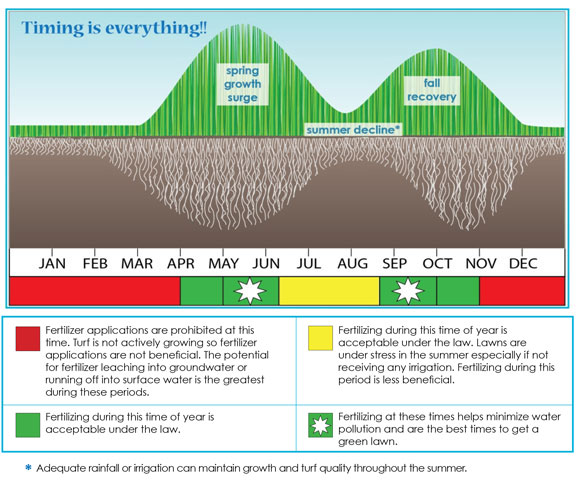
Image Source: healthylawns.suffolkcountyny.gov
When to Fertilize Grass: Timing is Everything
The question of when to fertilize grass is as important as how often. Fertilizing at the wrong time can be ineffective or even harmful. The ideal timing is usually when the grass is actively growing.
Best Time to Fertilize Lawn: Key Growth Periods
- Spring: This is a vital time to fertilize, especially after the winter dormancy. It helps the grass recover and begin its active growth phase. A good spring application provides the nutrients needed for new growth and helps the lawn thicken up.
- Summer: Fertilizing in summer can be tricky. If you choose to fertilize, opt for a slow-release fertilizer and avoid fertilizing during extreme heat or drought conditions. Over-fertilizing in summer can stress the grass.
- Fall: This is arguably the most important time to fertilize, especially for cool-season grasses. Fall feeding helps the grass store energy for winter and promotes root development. This sets the stage for a strong start in the spring.
- Winter: Generally, fertilization is not recommended during winter when grass is dormant.
Lawn Care Calendar: A Seasonal Approach
A lawn care calendar helps you plan your fertilization and other maintenance tasks throughout the year.
Spring Fertilization
- Cool-Season Grasses (Fescue, Kentucky Bluegrass): Apply fertilizer in early to mid-spring, once the grass has started to green up and resume active growth.
- Warm-Season Grasses (Bermuda Grass): Fertilize after the grass has fully greened up and started growing actively, usually in late spring or early summer.
Summer Fertilization
- Cool-Season Grasses: Avoid fertilizing during the hottest part of summer. If you must fertilize, use a slow-release formula in late summer as temperatures begin to cool.
- Warm-Season Grasses: Fertilize in early to mid-summer to support continued growth.
Fall Fertilization
- Cool-Season Grasses: This is crucial. Fertilize in early to mid-fall, typically before the first hard frost. This promotes root growth and helps the grass store food for winter.
- Warm-Season Grasses: Fertilize in early to mid-fall, before growth slows significantly. This helps them prepare for dormancy.
Winter Fertilization
- Generally not recommended for any grass type.
How Often to Fertilize: Tailoring to Your Lawn
The fertilizer application frequency depends heavily on the type of grass you have and its specific needs.
How Often to Fertilize Bermuda Grass
Bermuda grass is a warm-season grass, meaning it thrives in warmer temperatures and goes dormant in the cold.
- Frequency: Bermuda grass is a heavy feeder and often benefits from 3-5 applications per year.
- Timing:
- Late Spring/Early Summer: First application after the grass has turned fully green.
- Mid-Summer: Second application.
- Late Summer/Early Fall: A final application before the weather cools significantly.
- Considerations: Use a fertilizer with a higher nitrogen content during the active growing season.
How Often to Fertilize Fescue
Fescue is a cool-season grass, meaning it prefers cooler temperatures.
- Frequency: Fescue typically needs 2-4 applications per year.
- Timing:
- Early Spring: First application when growth begins.
- Fall: This is the most critical time. Apply fertilizer in early to mid-fall for robust root development and winter survival. A second fall application in late fall can also be beneficial.
- Considerations: Avoid fertilizing fescue during the hottest months of summer, as this can stress the grass.
How Often to Fertilize Kentucky Bluegrass
Kentucky bluegrass is another popular cool-season grass.
- Frequency: Similar to fescue, Kentucky bluegrass generally requires 2-4 applications annually.
- Timing:
- Mid-Spring: Apply after the grass shows signs of active growth.
- Fall: The most important feeding. Fertilize in early to mid-fall. A second fall application can provide extra benefits.
- Considerations: Kentucky bluegrass can also suffer in extreme summer heat. It’s best to use slow-release fertilizers or avoid fertilization altogether during peak summer temperatures.
Organic Lawn Fertilization Frequency
Organic lawn fertilization frequency often differs slightly from synthetic methods, focusing on building soil health over time.
- Frequency: Organic fertilizers tend to release nutrients more slowly. Therefore, you might fertilize slightly more often, perhaps 3-5 times per year, depending on the product and the specific needs of your lawn.
- Timing: Apply during the active growing seasons (spring, summer, and fall). Fall is still a crucial time for organic feeding to support root development.
- Benefits: Organic fertilizers improve soil structure, increase microbial activity, and reduce the risk of nutrient leaching or burning the grass.
- Products: Compost, aged manure, bone meal, and blood meal are common organic options.
Professional Lawn Fertilization Schedule
If you opt for professional lawn care services, they will typically follow a well-established professional lawn fertilization schedule. This schedule is often tailored to your region, climate, and grass type.
- Typical Schedule: Professionals often plan for 4-6 applications per year.
- Early Spring: For greening and initial growth.
- Late Spring: To support sustained growth.
- Summer: Light feeding with slow-release nitrogen to maintain color without overstimulating growth during heat.
- Early Fall: Crucial for root development and winter hardiness.
- Late Fall: “Winterizer” application to provide nutrients for early spring green-up.
- Customization: Professional services will assess your lawn’s specific needs, soil test results, and local conditions to adjust their fertilization plan.
Types of Fertilizers and Their Impact on Frequency
The type of fertilizer you choose also influences how often you should apply it.
Slow-Release vs. Quick-Release Fertilizers
- Quick-Release Fertilizers: These provide immediate results, delivering nutrients quickly to the grass. However, they are more prone to leaching (washing away with rain or irrigation) and can burn the grass if applied too heavily or too often. If using quick-release, you’ll generally need fewer applications but must be more careful with timing and application rates.
- Slow-Release Fertilizers: These release nutrients gradually over a longer period (weeks or months). This provides a more consistent food source for the grass, reduces the risk of burning, and minimizes nutrient runoff. Slow-release fertilizers are often preferred for a more stable fertilizer application frequency.
Nitrogen: The Key Nutrient
Nitrogen (N) is the most important nutrient for grass growth and color. The amount of nitrogen a lawn needs will dictate the frequency of fertilization.
- High Nitrogen Needs: Grasses like Bermuda grass often benefit from more frequent nitrogen applications during their active growing season.
- Moderate Nitrogen Needs: Cool-season grasses generally require less nitrogen, especially during summer.
Soil Testing: The Foundation of Fertilization
Before you even think about a lawn feeding schedule, performing a soil test is paramount.
Why Test Your Soil?
- Nutrient Levels: A soil test reveals which nutrients are deficient and which are abundant. This prevents over-fertilization and ensures you’re providing what the grass actually needs.
- pH Level: Soil pH affects nutrient availability. If the pH is too high or too low, the grass cannot effectively absorb nutrients, even if they are present in the soil. Most grasses prefer a slightly acidic to neutral pH (6.0-7.0).
- Organic Matter: The test can indicate the amount of organic matter in your soil, which is crucial for soil health and nutrient retention.
How to Test Your Soil
- Collect Samples: Take several soil samples from different areas of your lawn, digging down about 4-6 inches.
- Mix Samples: Combine these samples in a clean container and mix them thoroughly.
- Send to Lab: Mail a portion of the mixed sample to your local cooperative extension office or a private soil testing laboratory.
- Review Results: The lab will provide a report with recommendations for nutrient and pH adjustments.
Factors Influencing Fertilization Frequency
Beyond grass type, several other factors influence how often to fertilize your lawn:
Climate and Region
- Northern Climates: Focus on spring and fall fertilization for cool-season grasses. Summer fertilization is usually minimal or avoided.
- Southern Climates: Warm-season grasses dominate. Fertilization is more consistent through spring, summer, and early fall.
Lawn Health and Condition
- New Lawns: Newly seeded or sodded lawns have different fertilization needs. Often, a starter fertilizer is used at planting, followed by lighter, more frequent applications as the grass establishes.
- Stressed Lawns: Lawns suffering from drought, disease, or insect damage might require specialized care and adjusted fertilization. It’s often best to address the underlying issue before focusing heavily on fertilization.
- Thick, Established Lawns: Healthy, well-established lawns may require less aggressive fertilization than lawns that are thin or struggling.
Fertilization Goals
- Basic Maintenance: If your goal is simply to keep the lawn alive and reasonably green, fewer applications might suffice.
- Aggressive Growth/Color: If you desire a lush, dark green lawn with rapid growth, you’ll likely need to fertilize more frequently during the active growing seasons.
Avoiding Common Fertilization Mistakes
Even with a good lawn feeding schedule, mistakes can happen.
- Over-fertilizing: This can lead to excessive thatch buildup, increased susceptibility to disease and pests, and potential burning of the grass.
- Under-fertilizing: Results in a pale, thin lawn that is less resilient.
- Fertilizing Dormant Grass: Applying fertilizer when the grass is not actively growing is a waste of resources and can lead to nutrient runoff.
- Fertilizing Before Rain: Applying fertilizer and then experiencing heavy rain can wash nutrients away before the grass can absorb them.
Putting It All Together: Your Lawn’s Fertilization Plan
Creating a personalized lawn care calendar will guide your fertilization efforts.
Step 1: Identify Your Grass Type
This is the most critical first step. Knowing whether you have a cool-season or warm-season grass dictates much of your fertilizer application frequency.
Step 2: Get a Soil Test
When to fertilize grass and what type of fertilizer to use are best informed by a soil test.
Step 3: Choose the Right Fertilizer
- NPK Ratio: The numbers on the fertilizer bag represent Nitrogen (N), Phosphorus (P), and Potassium (K). Your soil test will guide you on the best ratio. For general growth, a balanced fertilizer or one slightly higher in nitrogen is often used.
- Release Type: Opt for slow-release nitrogen for more consistent feeding and reduced risk.
Step 4: Schedule Your Applications
Based on your grass type and local climate, map out your lawn feeding schedule.
Example Fertilization Schedule (General Guidelines)
| Season | Cool-Season Grass (Fescue, KBG) | Warm-Season Grass (Bermuda) |
|---|---|---|
| Early Spring | Apply fertilizer with nitrogen. | Wait for active growth. |
| Mid-Spring | Optional: Light feeding with slow-release if needed. | Apply fertilizer with nitrogen. |
| Late Spring | Avoid, or light feeding with slow-release if needed. | Apply fertilizer with nitrogen. |
| Summer | Avoid heavy feeding. Use slow-release if necessary. | Apply fertilizer with nitrogen. |
| Early Fall | Crucial: Apply fertilizer with nitrogen for root growth. | Apply fertilizer with nitrogen. |
| Late Fall | Crucial: “Winterizer” fertilizer for winter survival. | Optional: Light feeding before dormancy if needed. |
| Winter | Do not fertilize. | Do not fertilize. |
Step 5: Apply Correctly
- Mow before fertilizing: This helps the fertilizer reach the soil more easily.
- Water after fertilizing: Water lightly to help the fertilizer move into the soil, but avoid over-watering.
- Calibrate your spreader: Ensure even application to avoid stripes or patches.
Frequently Asked Questions (FAQ)
Q1: Can I fertilize my lawn if it hasn’t rained?
A: Yes, but you must water the lawn thoroughly after applying the fertilizer to help it dissolve and be absorbed by the soil and roots. Waiting for rain without watering yourself can lead to uneven distribution and potential damage.
Q2: What is the best fertilizer for a new lawn?
A: A “starter fertilizer” is usually recommended for new lawns. These fertilizers typically have a higher phosphorus content to promote root development, along with nitrogen for initial growth.
Q3: My lawn looks yellow. Does it need fertilizer?
A: Yellowing can be a sign of nitrogen deficiency, but it can also indicate other problems like poor drainage, disease, or compaction. It’s best to confirm nutrient needs with a soil test before fertilizing.
Q4: How often should I fertilize if I’m using organic methods?
A: With organic fertilizers, you might fertilize slightly more often (3-5 times per year) than with synthetic ones, as nutrients are released more slowly. Fall is still a critical time for organic feeding.
Q5: Is it okay to fertilize when the grass is dormant?
A: It is generally not recommended to fertilize dormant grass. Nutrients will not be absorbed effectively, and the fertilizer can be washed away, causing pollution. Fertilize only when the grass is actively growing.
By following these guidelines and tailoring your approach to your specific lawn’s needs, you can achieve a lush, healthy, and vibrant turf year-round.