
Have you found yourself constantly swatting at tiny, buzzing insects in your yard? The answer to why there are so many gnats in your yard typically stems from the presence of moist environments and organic matter, which serve as ideal gnat breeding grounds. Yes, you can take steps to manage and reduce the gnat population. This article will explore the common culprits behind a gnat infestation and provide practical, effective outdoor gnat control methods and gnat management tips.
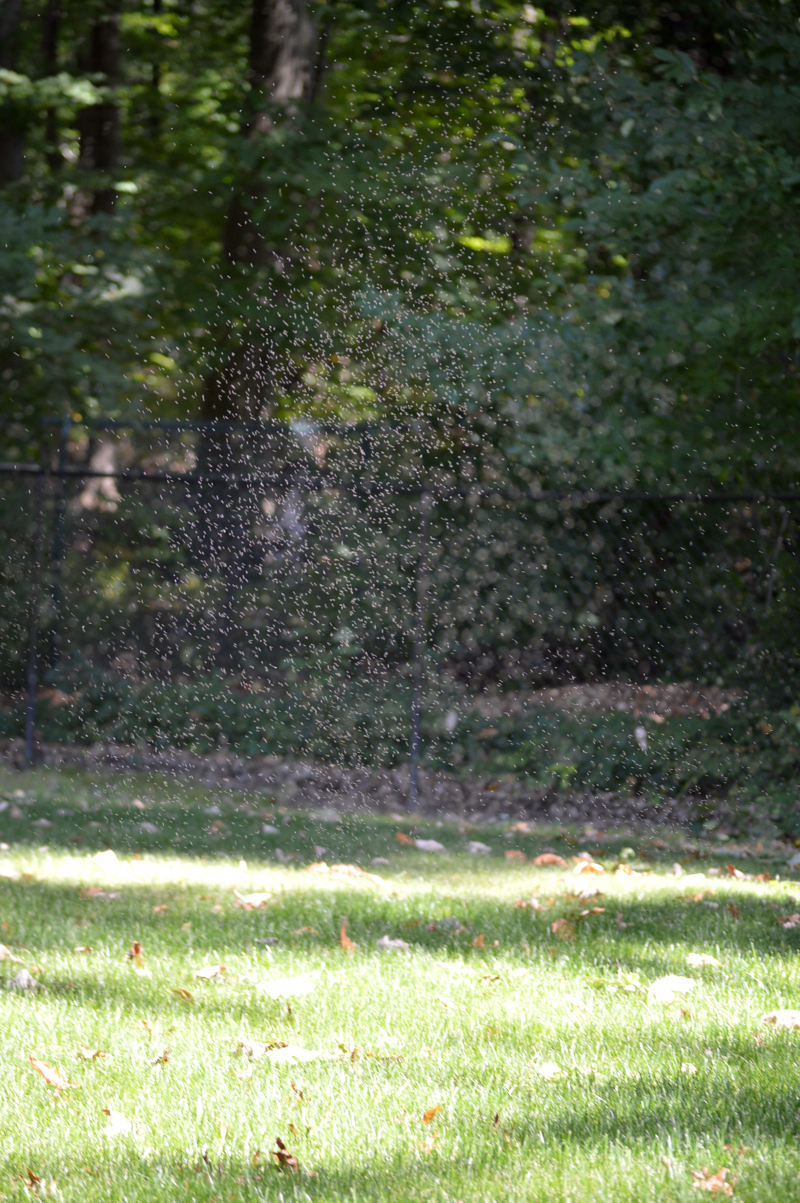
Image Source: thenaturalhistorian.com
Deciphering the Gnat Menace
Gnats are small, flying insects that, while often annoying, are generally harmless to humans and larger animals. However, their sheer numbers can be overwhelming, turning a pleasant afternoon outdoors into a frustrating battle against these persistent pests. Fathoming the reasons behind their abundance is the first step to regaining control of your outdoor space.
Common Gnat Species You Might Encounter
Several types of gnats commonly find your yard an appealing place to live and multiply. Knowing which species you’re dealing with can help tailor your yard pest control efforts.
- Fungus Gnats: These are often the most noticeable gnats around homes. They are small, dark, and weak fliers, typically found near moist soil, potted plants, and decaying organic matter. Their larvae feed on fungi and algae in damp environments.
- Eye Gnats: Known for their habit of swarming around the faces and eyes of people and animals, eye gnats are attracted to moisture and secretions. They are commonly found in agricultural areas or places with exposed soil.
- Drain Flies (or Moth Flies): While not true gnats, these flies are often mistaken for them. They are fuzzy, moth-like flies that breed in the moist film found inside drains, garbage disposals, and sewage lines.
- Biting Midges (No-See-Ums): These gnats are notorious for their painful bites. They breed in wet soil, decaying vegetation, and stagnant water. Their small size makes them difficult to see, but their bites are very noticeable.
Identifying Gnat Attractants in Your Yard
Gnats are drawn to specific conditions that promote their survival and reproduction. Recognizing these gnat attractants is crucial for eliminating gnats.
- Moisture: This is the number one attractant. Gnats need damp soil, decaying organic matter, or stagnant water to lay their eggs and for their larvae to develop.
- Decaying Organic Matter: Overripe fruit, compost piles, leaf litter, grass clippings, and animal waste all provide food and breeding sites for gnats.
- Poor Drainage: Areas in your yard that retain water after rain or irrigation create perfect breeding pools.
- Over-Watered Plants: Both indoor and outdoor plants that are consistently kept too wet can harbor fungus gnats.
- Uncovered Compost and Garbage: These are prime buffet spots for many gnat species.
- Pet Waste: Feces left in the yard can become a breeding ground for certain types of gnats.
Why Are Gnats So Persistent? The Cycle of an Infestation
A gnat infestation isn’t usually a one-off event. Gnats have relatively short life cycles and can reproduce rapidly under favorable conditions, leading to a continuous presence if the root causes aren’t addressed.
Life Cycle of Common Gnats
Understanding the gnat life cycle helps in planning effective gnat management tips.
- Eggs: Adult female gnats lay their eggs in moist soil, decaying organic matter, or stagnant water. The number of eggs laid can vary, but a single female can lay dozens or even hundreds.
- Larvae: Once the eggs hatch, the larvae emerge. This is the stage where gnats often cause the most damage or nuisance, as they feed on fungi, algae, plant roots, or decaying material. The larval stage can last from a few weeks to several months, depending on the species and environmental conditions.
- Pupae: After reaching a certain size, the larvae transform into pupae. This is a resting stage where the insect undergoes metamorphosis.
- Adult: The adult gnat emerges from the pupa. Adult gnats are primarily focused on reproduction. Their lifespan as adults is typically short, often only a week or two, but they can lay many eggs during this time, perpetuating the cycle.
This rapid cycle means that even if you manage to get rid of the adult gnats, new ones can emerge quickly if the breeding sites remain.
Tackling the Gnat Problem: Effective Outdoor Gnat Control
Dealing with flying insects can be challenging, but a multi-pronged approach to outdoor gnat control will yield the best results. The goal is to disrupt their life cycle and make your yard less hospitable.
Eliminating Gnats: Targeting Breeding Grounds
The most effective way to control gnats is to eliminate their breeding sites. This requires diligent yard maintenance.
Yard Pest Control Strategies for Breeding Sites:
-
Manage Moisture:
- Improve Drainage: Aerate compacted soil. Ensure downspouts are directed away from the house and yard. Fill in low-lying areas that collect water.
- Avoid Over-watering: Water your lawn and plants deeply but less frequently. Allow the top inch or two of soil to dry out between waterings, especially if you suspect fungus gnats.
- Empty Standing Water: Regularly check and empty containers like bird baths, old tires, flower pot saucers, and clogged gutters that can collect rainwater.
-
Control Organic Debris:
- Compost Wisely: Turn your compost pile regularly to speed up decomposition and prevent it from becoming too wet or smelly. Cover the compost pile if it attracts excessive gnats.
- Remove Leaf Litter and Grass Clippings: Rake leaves and bag or compost grass clippings promptly. Avoid leaving large piles of decaying vegetation in the yard.
- Clean Up Fallen Fruit: If you have fruit trees, pick up fallen fruit as soon as possible.
-
Address Waste Management:
- Secure Garbage Cans: Keep garbage cans tightly sealed and clean them regularly to prevent them from attracting gnats.
- Clean Up Pet Waste: Promptly remove pet feces from your yard.
Gnat Prevention: Making Your Yard Less Inviting
Once you’ve addressed the immediate breeding sites, focus on gnat prevention to keep them from returning.
Gnat Prevention Techniques:
- Maintain Healthy Plants: Healthy plants are less susceptible to pests. Proper watering and soil conditions are key.
- Natural Predators: Encourage natural predators like birds, bats, and certain types of beneficial insects that feed on gnats.
- Air Circulation: Gnats dislike wind. Planting trees and shrubs strategically can improve air circulation in certain areas of your yard.
Methods for Dealing with Flying Insects
When gnats are already present and bothering you, several methods can help manage the adult population.
Trapping and Repelling Gnats:
-
DIY Traps:
- Apple Cider Vinegar Trap: Pour apple cider vinegar into a jar or bowl. Add a drop of dish soap to break the surface tension. Cover the opening with plastic wrap and poke small holes in it. Gnats will be attracted to the vinegar, fly in, and get trapped.
- Sticky Traps: Yellow sticky traps are effective for catching many flying insects, including gnats. Place them near areas where gnats are most prevalent.
-
Commercial Products:
- Insecticides: Use insecticides as a last resort, and always opt for products specifically labeled for gnats and safe for outdoor use. Follow label instructions carefully to avoid harming beneficial insects or pets.
- Larvicides: For persistent issues, larvicides can be applied to breeding areas like standing water to kill gnat larvae before they mature.
-
Repellents:
- Essential Oils: Some essential oils, such as citronella, eucalyptus, peppermint, and lemongrass, are known to repel gnats. You can use diffusers outdoors or mix them with water and a carrier oil to spray around your patio.
- Fans: Placing oscillating fans in outdoor seating areas can help disperse gnats and make it harder for them to land on you.
Professional Yard Pest Control
If your gnat problem is severe and persistent, consider hiring a professional pest control service. They can identify specific breeding sites and apply targeted treatments safely and effectively.
Specific Scenarios and Solutions
Let’s look at common scenarios where gnats thrive and how to address them.
Gnats in Your Vegetable Garden
Your garden can be a prime spot for fungus gnats if the soil stays too moist or if you add too much organic matter without proper management.
Gnat Management Tips for Gardens:
- Mulch Wisely: Use a layer of coarse mulch like wood chips or gravel around plants. This can help dry out the soil surface, making it less attractive to gnats.
- Improve Soil Drainage: Amend heavy clay soils with compost or sand to improve drainage.
- Avoid Over-Fertilizing: Excessive fertilizer can encourage fungal growth, a food source for fungus gnat larvae.
- Inspect New Plants: Check new plants for signs of fungus gnats before introducing them to your garden.
- Beneficial Nematodes: These microscopic worms can be applied to the soil to prey on gnat larvae.
Gnats Around Potted Plants on Your Patio
Potted plants, especially those with dense foliage or kept in shaded, humid areas, can become gnat havens.
Outdoor Gnat Control for Potted Plants:
- Allow Soil to Dry: Let the top inch or two of potting soil dry out between waterings.
- Repotting: If the infestation is severe, repotting the plant with fresh, sterile potting mix can help. You can also scrape off the top layer of soil and replace it.
- Yellow Sticky Traps: Place small yellow sticky traps in the pots to catch adult gnats.
- Sand Layer: A thin layer of sand on top of the potting soil can deter adult gnats from laying eggs.
Gnats Near Water Features or Ponds
While water features add beauty, they can also become breeding grounds for biting midges and other gnat varieties if the water is stagnant.
Yard Pest Control for Water Features:
- Ensure Water Movement: If possible, introduce a fountain, aerator, or waterfall to keep the water moving. This disrupts the breeding cycle.
- Clean Edges: Keep the edges of ponds and water features clear of decaying organic matter and excess algae.
- Mosquito Dunks: While designed for mosquitoes, some products contain Bacillus thuringiensis israelensis (Bti), which can also kill gnat larvae in standing water.
Frequently Asked Questions About Gnats
Q1: Are gnats dangerous?
A1: Most common gnats are not dangerous in terms of biting or spreading disease. However, biting midges can deliver painful bites. The primary concern with most gnats is the nuisance they cause due to their numbers and persistent presence.
Q2: How can I quickly get rid of gnats in my yard?
A2: For immediate relief, you can use fans to disperse them or employ sticky traps. However, for long-term control, you must focus on eliminating gnats by targeting their gnat breeding grounds and making your yard less attractive to them.
Q3: Can I use bug spray for gnats outdoors?
A3: Yes, you can use outdoor insecticides labeled for gnats. However, it’s best to use them as a last resort and target specific areas where gnats are actively present, rather than broad application, to minimize harm to beneficial insects.
Q4: What is the best time of day to see gnats?
A4: Gnats are often most active during dawn and dusk, especially in humid or shaded areas. However, you may notice them throughout the day if their breeding sites are undisturbed.
Q5: Can gnats infest my house from the yard?
A5: Yes, adult gnats can easily fly into your house through open doors and windows, especially if you have houseplants that are overwatered or if there are accessible breeding sites near entry points.
Conclusion
Faced with a gnat infestation, it’s easy to feel overwhelmed. However, by taking a systematic approach to yard pest control, you can effectively reduce their numbers and enjoy your outdoor space again. The key lies in identifying and eliminating gnat breeding grounds, implementing gnat prevention strategies, and employing appropriate outdoor gnat control methods. With consistent effort and the right gnat management tips, you can significantly decrease the presence of these annoying flying insects.