
So, how much for a yard of gravel? The gravel cost per cubic yard can range from $10 to $70 or more, depending on the type of gravel, where you buy it, and any additional costs like delivery. Let’s dive into the details to help you budget for your project. Whether you’re planning a new driveway, a charming garden path, or simply refreshing your landscaping, knowing the stone prices per yard is crucial for a successful outcome.
Gravel is a versatile and affordable material, making it a popular choice for many outdoor projects. However, the final price can be influenced by a variety of factors, from the source of the stone to the complexity of the delivery. This guide will break down everything you need to know to get accurate pricing for your gravel needs. We’ll cover average costs, factors affecting price, and tips for saving money.
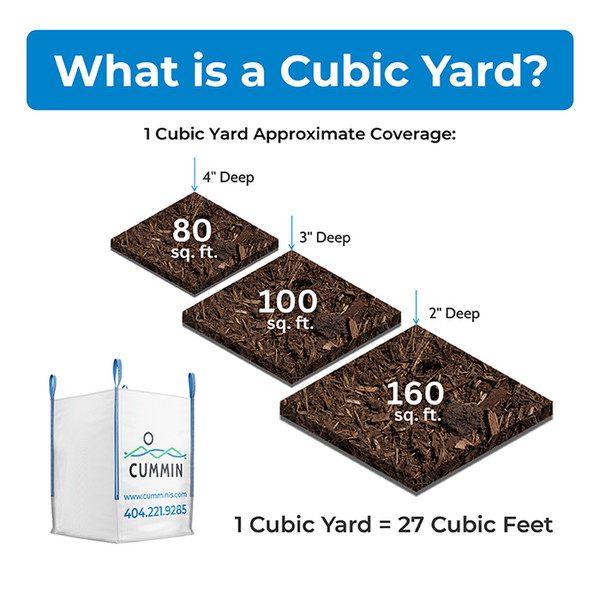
Image Source: www.cumminlandscapesupply.com
Figuring Out Your Gravel Needs
Before you can get a price, you need to know how much gravel do I need. This is a fundamental step that prevents overspending or running short. The amount of gravel you require depends entirely on the size and depth of the area you want to cover.
Calculating Gravel Volume
To calculate the volume of gravel needed in cubic yards, you’ll use a simple formula. First, measure the length and width of the area in feet. Then, decide on the desired depth of the gravel layer, also in feet.
- Length (ft) x Width (ft) x Depth (ft) = Volume (cubic feet)
Once you have the volume in cubic feet, you need to convert it to cubic yards. There are 27 cubic feet in 1 cubic yard (3 ft x 3 ft x 3 ft = 27 cubic feet).
- Volume (cubic feet) / 27 = Volume (cubic yards)
Example:
Let’s say you have a garden path that is 20 feet long and 3 feet wide, and you want a gravel depth of 4 inches (which is 0.33 feet).
- Volume in cubic feet: 20 ft x 3 ft x 0.33 ft = 19.8 cubic feet
- Volume in cubic yards: 19.8 cubic feet / 27 = 0.73 cubic yards
For practical purposes, always round up to the nearest full or half cubic yard to account for settling and minor measurement discrepancies. In this case, you would likely order 1 cubic yard of gravel.
Many online retailers and landscaping suppliers offer a gravel quantity calculator on their websites, which can simplify this process significantly.
What Impacts Gravel Prices Per Cubic Yard?
The gravel cost per cubic yard isn’t static. Numerous factors play a role in determining the final price you’ll pay. Knowing these factors can help you make informed decisions and potentially find more cost-effective solutions.
Types of Gravel
The type of gravel is perhaps the biggest determinant of its price. Different stones have different origins, extraction methods, and aesthetic qualities, all of which affect their cost.
- Pea Gravel: Small, round stones, often used for decorative purposes, pathways, and drainage. Typically ranges from $20 to $50 per cubic yard.
- Crushed Stone (e.g., ¾ inch minus): Angular stones that compact well. Excellent for driveways and base layers. Costs can be between $15 to $40 per cubic yard.
- River Rock: Smooth, rounded stones, popular for landscaping and decorative features. Can be more expensive, often $30 to $70 per cubic yard, due to their natural smoothness and appeal.
- Gravel Sub-base (e.g., ABC Gravel, Road Base): Larger crushed stone mixed with smaller particles and fines. This is engineered to compact tightly and provides a stable foundation. It’s usually one of the more affordable options, around $10 to $30 per cubic yard, making it a top choice for driveway gravel cost.
- Specialty Gravels (e.g., decorative stones, colored gravel): These often come with a higher price tag due to their unique appearance or processing. Prices can vary widely.
Source and Location
Where you purchase your gravel also matters.
- Local Quarries vs. Landscaping Supply Yards: Buying directly from a quarry can sometimes be cheaper, but requires you to arrange your own pickup and transportation, which can be costly and difficult for large quantities. Landscaping supply yards often offer delivery services, which can be convenient but adds to the overall gravel delivery cost.
- Proximity: The closer the source of the gravel to your location, the lower the transportation costs will be, impacting the bulk gravel prices. If you live in an area with abundant local quarries, you’re likely to find better deals.
Quality and Processing
The quality and how the gravel is processed also affect the price.
- Screening and Washing: Gravel that has been screened to a specific size or washed to remove dirt and dust will generally cost more than unwashed, unscreened material.
- Compaction Properties: Gravel designed for excellent compaction, like road base, might command a slightly higher price due to its engineered properties, which are crucial for stable driveways and patios.
The Cost of Gravel: Breaking Down the Numbers
Let’s get down to the specifics of pricing. The gravel cost per cubic yard is the base price of the material itself. However, you need to consider other potential expenses to get a true picture of your total project cost.
Material Costs
As mentioned, the type of gravel is the primary driver of material cost. Here’s a general price range for common types:
| Gravel Type | Average Cost Per Cubic Yard | Typical Uses |
|---|---|---|
| Crushed Stone (¾”) | $15 – $40 | Driveways, pathways, base material |
| Pea Gravel | $20 – $50 | Landscaping, drainage, decorative features |
| River Rock | $30 – $70 | Landscaping, garden beds, water features |
| Road Base/Sub-base | $10 – $30 | Driveway foundation, patios, ground stabilization |
| Decorative Gravels | $30 – $80+ | Gardens, borders, high-visibility areas |
These are general estimates, and actual prices can fluctuate based on regional markets and specific suppliers.
Bulk Gravel Prices vs. Bagged Gravel
When you buy gravel, you typically have two options: purchasing it in bulk or in bags.
- Bulk Gravel: This is the most economical option for larger projects. Gravel is delivered by the cubic yard (or ton, though cubic yard is more common for landscaping). This is where you’ll find the lowest bulk gravel prices per unit.
- Bagged Gravel: Available at garden centers and home improvement stores, bags typically contain 0.5 cubic feet to 1 cubic foot of gravel. While convenient for very small projects, buying gravel in bags is significantly more expensive per cubic yard. If you need 5 cubic yards of gravel and buy it in 0.5 cubic foot bags, you’ll need 100 bags. The per-bag price might seem low, but it adds up quickly. Generally, bagged gravel can cost two to three times more per cubic yard than bulk gravel.
Landscape Gravel Cost Considerations
For projects focused on aesthetics, the landscape gravel cost might lean towards the higher end due to the use of decorative stones. These often involve more processing, screening, and careful selection to ensure a uniform and appealing look. This includes materials like river rock, decorative river pebbles, and colored crushed stone.
Driveway Gravel Cost Factors
When calculating driveway gravel cost, durability and compaction are key. You’ll likely be looking at crushed stone or road base materials. The depth required for a driveway is usually more significant than for a garden path, meaning you’ll need a larger volume. Proper installation also involves a sub-base layer, which adds to the overall material cost.
Cost of Gravel for Garden Projects
The cost of gravel for garden projects can vary widely. For functional areas like pathways or drainage around foundations, you might opt for more economical crushed stone. For decorative elements like mulch in garden beds or around trees, you might choose pea gravel or decorative river stones, which will increase the landscape gravel cost.
Delivery Costs: The Hidden Expense
One of the most significant additional costs is gravel delivery cost. Most suppliers charge a fee for delivering bulk gravel to your home. This fee can be influenced by:
- Distance: The further the delivery location from the supplier’s yard, the higher the cost.
- Quantity: Some suppliers might have a minimum delivery charge or tiered pricing based on the volume delivered.
- Access: If your property has difficult access for a large delivery truck (narrow gates, steep driveways, tight turns), there might be an additional surcharge.
- Delivery Schedule: While often standard, expedited or weekend deliveries might incur extra fees.
Delivery fees can range from $50 to $200 or more per load. A typical delivery truck can carry around 10-15 cubic yards of gravel. If your project requires more than that, you’ll need multiple deliveries, each with its own fee.
Cheapest Gravel Options
If budget is a primary concern, focusing on the cheapest gravel options is essential.
- Crushed Stone: Basic crushed stone, especially larger aggregate sizes meant for sub-base layers, is often the most affordable material.
- Local Suppliers: Always shop around. Contact local quarries and landscaping yards directly to compare their prices for the same type of gravel.
- Consider Material Size: Sometimes, slightly larger aggregate gravel (like 1-inch or 2-inch crushed stone) can be cheaper than the finer ¾-inch minus material because it requires less processing.
Getting the Best Deal: Tips for Saving Money
- Get Multiple Quotes: Don’t settle for the first price you hear. Contact several suppliers in your area to compare bulk gravel prices and delivery fees.
- Calculate Accurately: Use a gravel quantity calculator or carefully measure your project area to avoid ordering too much or too little. Ordering extra is usually wise for settling, but avoid excessive over-ordering.
- Consider Pickup: If you have a suitable truck and trailer, picking up the gravel yourself can save on gravel delivery cost. Be aware of weight limits and the proper way to load and secure materials.
- Timing Your Purchase: Sometimes, suppliers may offer discounts during slower seasons. While gravel is generally needed year-round, there might be slight price variations.
- Buy in Bulk: For anything more than a small garden bed, buying gravel in bulk (by the cubic yard) is almost always cheaper than buying it by the bag.
Gravel Installation: Beyond the Material Cost
While this article focuses on the cost of the gravel itself, remember that proper installation is crucial for the longevity and functionality of your project. Factors like site preparation (excavation, grading), adding a weed barrier, and compaction are additional labor or material costs that should be factored into your overall budget.
DIY vs. Professional Installation
- DIY: If you’re tackling the project yourself, your primary costs will be the gravel material and delivery. You might need to rent equipment like a wheelbarrow, tamper, or even a small excavator for larger jobs.
- Professional Installation: Hiring a landscaper or contractor will significantly increase your project cost. You’ll be paying for their labor, expertise, equipment, and profit margin. However, professional installation ensures the job is done correctly and efficiently, often with better results and durability. Get detailed quotes that break down material, labor, and delivery.
Frequently Asked Questions About Gravel Pricing
Q1: What is the average cost of driveway gravel?
A1: The driveway gravel cost typically ranges from $10 to $40 per cubic yard for the material itself, with crushed stone and road base being the most common and affordable options. Delivery fees and installation costs will add to this.
Q2: How much does gravel delivery cost?
A2: Gravel delivery cost can vary significantly, but expect to pay anywhere from $50 to $200 or more for a single load, depending on the distance and supplier.
Q3: Is it cheaper to buy gravel by the yard or by the bag?
A3: It is almost always cheaper to buy gravel in bulk by the cubic yard for any project larger than a small decorative area. Bagged gravel is considerably more expensive per unit.
Q4: What is the cheapest gravel option?
A4: The cheapest gravel options are typically basic crushed stone or road base materials, especially when purchased in bulk from local quarries or landscaping suppliers.
Q5: How do I calculate how much gravel I need for my project?
A5: Use a gravel quantity calculator or measure your area’s length, width, and desired depth, then convert cubic feet to cubic yards by dividing by 27.
Q6: Does the type of stone affect the gravel cost per cubic yard?
A6: Yes, absolutely. Different types of stone, like pea gravel, river rock, or decorative aggregates, will have varying stone prices per yard based on their availability, processing, and aesthetic appeal.
Q7: What factors influence the landscape gravel cost?
A7: The landscape gravel cost is influenced by the type of decorative stone chosen, its source, whether it’s screened or washed, and delivery proximity.
By carefully considering these factors and doing your research, you can accurately estimate and manage the gravel cost per cubic yard for your next outdoor project. Happy planning!