
Can you let your dog on the lawn after fertilizing? Generally, you should keep pets off the lawn for at least 24-72 hours after applying traditional chemical fertilizers. This waiting period is crucial for fertilizer safety for pets and to prevent chemical fertilizer toxicity.
Ensuring the safety of our beloved pets is a top priority for any pet owner who enjoys a beautiful, green lawn. Pet lawn care involves more than just admiring the grass; it requires a deep dive into the products we use and their potential impact on our furry companions. One of the most common lawn treatments is fertilizer, and a crucial question arises: How long to keep pets off lawn after fertilizer? This article will delve into the reasons behind this waiting period, explore different types of fertilizers, and provide actionable advice for maintaining a safe and healthy lawn for your pets.
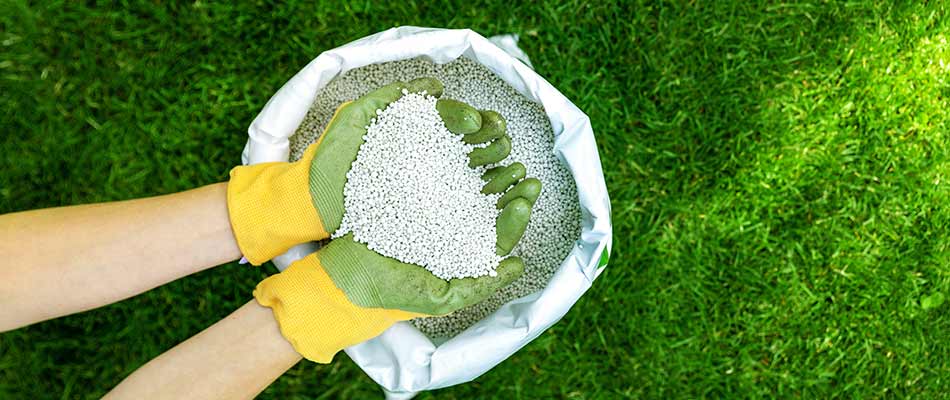
Image Source: pestbadger.com
The Risks of Lawn Fertilizers for Pets
Fertilizers, while beneficial for plant growth, can pose significant risks to pets if ingested or through skin contact. This is particularly true for chemical fertilizer toxicity. Many conventional fertilizers contain chemicals that can cause gastrointestinal upset, skin irritation, and in more severe cases, serious systemic poisoning.
Common Ingredients and Their Dangers
Many lawn fertilizers contain a mix of nitrogen, phosphorus, and potassium, often referred to as N-P-K. While these are essential nutrients for plants, some formulations can include other ingredients that are harmful to pets.
- Nitrogen: Can cause vomiting and diarrhea.
- Phosphorus: Can lead to severe gastrointestinal upset and, in rare cases, heart problems.
- Iron: Can cause gastrointestinal irritation.
- Herbicides and Pesticides: Often mixed with fertilizers, these can be highly toxic to pets, leading to a range of symptoms from drooling and lethargy to seizures and organ damage.
- Heavy Metals: Some fertilizers may contain trace amounts of heavy metals like arsenic or cadmium, which can be toxic.
Symptoms of Fertilizer Poisoning in Pets
It’s vital to recognize the signs of potential fertilizer poisoning. If your pet has had contact with a recently fertilized lawn, watch out for:
- Vomiting
- Diarrhea
- Excessive drooling
- Lethargy
- Loss of appetite
- Paw irritation or redness
- Skin irritation
- Behavioral changes (e.g., restlessness, unresponsiveness)
If you suspect your pet has ingested or come into contact with fertilizer, contact your veterinarian or a pet poison control center immediately.
Deciphering Fertilizer Types and Their Waiting Periods
The duration you need to keep pets off the lawn after fertilizing depends heavily on the type of fertilizer used. Understanding these differences is key to lawn care safety guidelines pets.
Chemical Fertilizers: The Traditional Approach
Chemical fertilizers are widely used for their effectiveness in promoting rapid plant growth. However, they are also the most concerning when it comes to pet safety.
Granular Fertilizers
Granular fertilizers are solid pellets that are spread over the lawn.
- How they work: The granules dissolve gradually as they are watered or exposed to moisture, releasing nutrients into the soil.
- Pet hazard: Pets might be attracted to the pellets themselves and ingest them, leading to gastrointestinal upset. Even after watering, residual chemicals can remain on the grass blades.
- Waiting period: It’s generally recommended to keep pets off granular fertilizer for at least 24 to 72 hours. Some sources suggest waiting until after the first rainfall or watering cycle has thoroughly dispersed the granules, but a conservative approach is best. Always check the product label for specific instructions.
Liquid Fertilizers
Liquid fertilizers are applied as a spray and are absorbed quickly by the grass.
- How they work: They are dissolved in water and applied as a fine mist.
- Pet hazard: While they absorb faster, the spray can settle on grass blades, posing a risk through skin contact or accidental ingestion when pets groom themselves.
- Waiting period: Similar to granular fertilizers, a waiting period of 24 to 72 hours is advised. The key is allowing the fertilizer to be absorbed into the soil and grass without direct contact from pets.
Organic Fertilizers: A Greener Alternative
For pet owners seeking safe lawn fertilizer options for pets, organic fertilizers are often a preferred choice.
What are Organic Fertilizers?
Organic fertilizers are derived from natural sources, such as compost, manure, bone meal, and fish emulsion.
- How they work: They release nutrients more slowly as microorganisms in the soil break them down.
- Pet hazard: While generally considered safer, some organic fertilizers can still cause mild gastrointestinal upset if ingested due to their nutrient content or specific ingredients like bone meal, which can clump and cause blockages.
- Waiting period: Many organic fertilizers are considered safe for pets almost immediately after application, especially if they are simply compost or well-rotted manure. However, to be absolutely sure, it’s still a good idea to allow a brief period, perhaps a few hours or until the lawn is dry, before letting pets back on. Always read the product label, as some concentrated organic products may have specific recommendations.
Examples of Pet-Friendly Organic Fertilizers:
- Compost: Nutrient-rich decomposed organic matter.
- Worm Castings: Excrement from earthworms, excellent soil conditioner.
- Seaweed Extract: Provides trace minerals and promotes plant health.
- Corn Gluten Meal: Acts as a natural pre-emergent weed killer and fertilizer.
Slow-Release Fertilizers: Controlled Nutrient Delivery
Slow-release fertilizers are designed to release nutrients over a longer period.
- How they work: They use coated granules or specially formulated compounds that break down gradually.
- Pet hazard: While they reduce the risk of immediate over-fertilization, pets can still ingest the granules or come into contact with the released nutrients.
- Waiting period: The waiting period for pets on fertilized lawn might be similar to traditional chemical fertilizers, around 24-72 hours, as the coating needs time to degrade and the nutrients to be properly assimilated. Check the product’s safety data sheet and label for specific guidance.
Factors Influencing the Waiting Period
Several factors can influence how long you need to keep pets off a fertilized lawn.
Weather Conditions
- Rainfall: Rain can help dissolve granular fertilizers and wash away surface residue, potentially shortening the waiting period. However, excessive rain immediately after application could wash away the fertilizer itself, reducing its effectiveness.
- Sunlight and Heat: Warm temperatures and sunlight can speed up the absorption of some fertilizers.
Type of Grass
Different grass species may react differently to fertilizer and absorb it at varying rates. However, the primary concern remains the pet’s interaction with the applied product.
Pet Behavior
- Grazing Habits: Dogs that tend to eat grass are at a higher risk of ingesting fertilizer.
- Licking Paws: Pets that lick their paws after walking on treated grass can ingest residual chemicals.
Best Practices for Pet Lawn Care and Lawn Treatment Pet Precautions
To effectively manage your lawn while prioritizing your pets’ well-being, consider these best practices:
Always Read and Follow Product Labels
This is the most critical step in avoiding pet poisoning from lawn treatments. Every fertilizer product will have specific instructions for application and safety precautions. These labels are your primary guide.
Sweep Up Excess Granules
After applying granular fertilizer, gently sweep any granules that have landed on pathways or patios back onto the lawn. This prevents pets from directly stepping on and ingesting concentrated pellets.
Water Thoroughly (If Recommended)
Some fertilizers require watering to activate them. If the label suggests watering after application, ensure you do so according to instructions. This helps the fertilizer penetrate the soil and reduces surface residue. However, avoid watering so heavily that it washes the fertilizer away.
Consider the Time of Day for Application
Fertilizing early in the morning or late in the evening can be beneficial. This allows the fertilizer to dry or absorb before your pets are most active outdoors.
Fence Off Treated Areas
If you have a large area or are particularly concerned, consider temporarily fencing off sections of your lawn that have been recently fertilized.
Train Your Pets
Reinforce commands like “leave it” and “stay” to help manage your pets’ behavior around treated areas.
Explore Pet-Friendly Lawn Products
The market offers a growing range of pet-friendly lawn products and organic alternatives that minimize risks. Research and choose products specifically marketed as safe for pets.
Safe Lawn Fertilizer Options for Pets
When selecting fertilizers, prioritize those that are inherently safer for your four-legged family members.
Organic and Natural Fertilizers
As discussed, these are often the safest bet. Look for products with ingredients like:
- Compost
- Alfalfa meal
- Blood meal (use with caution as it can attract scavengers)
- Bone meal (can cause blockages if ingested in large quantities)
- Feather meal
- Fish emulsion
- Kelp meal
- Manure (well-composted)
Fertilizers Labeled “Pet Safe” or “Dog Safe”
Some manufacturers specifically formulate fertilizers with pets in mind. These may still require a short waiting period, but the ingredients are generally less toxic. Always verify the ingredients and follow instructions.
Weed and Feed Products: Extra Caution Needed
“Weed and feed” products combine fertilizer with herbicides. Herbicides are often much more toxic to pets than fertilizers alone. The waiting period for these products is typically longer, and extreme caution is advised. It’s often best to avoid these if you have pets, or ensure they are kept off the lawn for an extended period, as recommended by the product manufacturer.
When to Seek Veterinary Advice
If your pet shows any signs of distress or illness after you’ve fertilized your lawn, contact your veterinarian or an animal poison control center immediately. Be prepared to provide information about the fertilizer product used, including its brand name and ingredients, if possible.
Frequently Asked Questions (FAQ)
Q1: Can my dog die from eating fertilizer?
While rare, severe poisoning from ingesting large quantities of certain fertilizers can be fatal, especially if treatment is delayed. Symptoms like seizures, organ failure, or severe internal damage can occur with highly toxic products.
Q2: Is it safe to let my dog pee on the lawn after fertilizing?
Generally, a pet’s urine is unlikely to react negatively with most fertilizers. However, to be completely safe, it’s best to wait until the fertilizer has been absorbed into the soil or washed away.
Q3: What if it rains right after I fertilize?
Light rain shortly after applying granular fertilizer can actually help activate it. However, heavy rain might wash it away. If it rains heavily, the risk of surface residue decreases, but it’s still wise to monitor your pets.
Q4: How often should I fertilize my lawn?
The frequency of fertilization depends on your grass type, soil condition, and climate. Typically, lawns benefit from fertilizing 2-4 times a year, usually in spring and fall. Avoid over-fertilizing, as it can harm your lawn and increase risks to pets.
Q5: Are natural fertilizers completely safe for pets?
Natural fertilizers are generally much safer, but some, like bone meal, can cause digestive blockages if eaten in large amounts. Always check the specific ingredients and follow any provided guidelines.
Conclusion: Prioritizing Pet Safety in Lawn Maintenance
Maintaining a beautiful lawn and ensuring the safety of our pets can coexist harmoniously. By carefully selecting fertilizers, adhering to recommended waiting periods, and following best practices in pet lawn care, you can create an environment where both your lawn and your pets can thrive. Always remember to read product labels, consider organic or pet-friendly lawn products, and err on the side of caution when in doubt. Your vigilance protects your beloved companions from the risks associated with chemical fertilizer toxicity and helps ensure a joyful, safe outdoor experience for everyone.