
Can you get rid of clover in the lawn permanently? Yes, with consistent effort and the right approach, you can significantly reduce and often eliminate clover from your lawn. This guide will walk you through everything you need to know for effective clover removal and long-term clover control.
Clover, particularly white clover (Trifolium repens), is a common sight in many home lawns. While it has some benefits, like fixing nitrogen in the soil and attracting pollinators, most homeowners prefer a uniform, weed-free turf. Dealing with clover in grass can be frustrating, but by understanding its growth habits and employing the correct lawn care strategies, you can achieve a healthier, more attractive lawn. This article delves deep into methods for how to kill clover and ensure it doesn’t return.
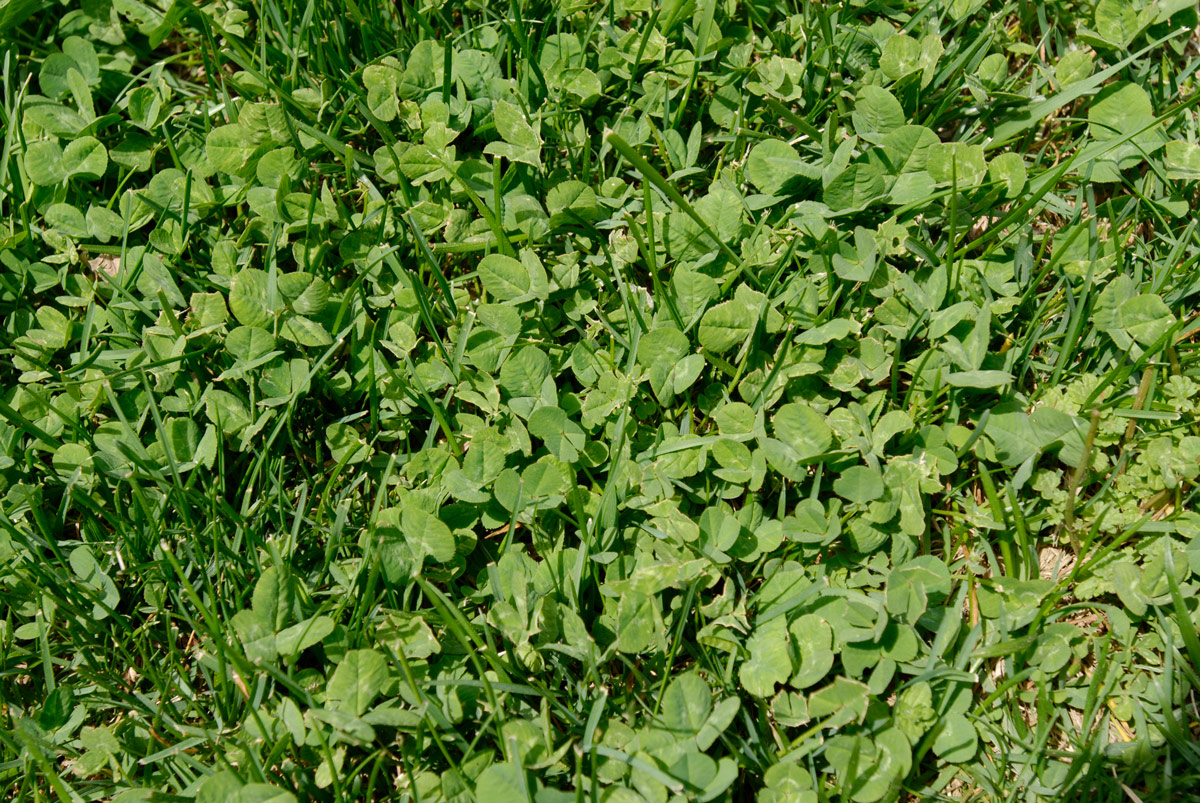
Image Source: naturalawn.com
Why Clover Thrives in Your Lawn
Before we tackle clover removal, it’s helpful to know why it likes your lawn so much. Clover often indicates specific conditions in your soil and turf. Fathoming these reasons helps prevent its return.
- Poor Soil Fertility: Clover is a nitrogen fixer. This means it can pull nitrogen from the air and convert it into a usable form in the soil. When your lawn’s soil is low in nitrogen, clover can outcompete grass because it doesn’t rely on the soil for this crucial nutrient. This is a classic sign that your grass needs more fertilizer.
- Low Mowing Height: Mowing your grass too short weakens it and allows clover to spread more easily. Shorter grass blades mean less sunlight reaches the soil surface, giving clover a competitive advantage.
- Compacted Soil: Compacted soil restricts root growth for grass. Clover, with its shallower root system, can tolerate these conditions better. Aerating your lawn can significantly improve grass health and its ability to resist weeds.
- Adequate Moisture: While grass needs water, clover can tolerate and even thrive in conditions that might stress some grass types, especially in fluctuating moisture levels.
- Shady Areas: Some grass types struggle in shade, allowing clover to take over.
Strategies for Clover Removal
Effective clover control involves a multi-pronged approach. You’ll likely need to combine several methods for the best results.
1. Improving Lawn Health: The Foundation of Clover Removal
The most sustainable way to get rid of clover permanently is to make your lawn less hospitable to it. This means focusing on robust lawn maintenance. A thick, healthy lawn is the best defense against weeds, including clover.
Fertilizing for Stronger Grass
- Nitrogen Boost: The most direct way to combat clover is by feeding your grass. Apply a high-nitrogen fertilizer in the spring and fall. This will encourage your grass to grow thicker and outcompete the clover.
- Soil Testing: Before fertilizing, get a soil test. This tells you exactly what nutrients your lawn needs. It helps you avoid over-fertilizing and apply the right products.
- Slow-Release Fertilizers: These provide a steady supply of nutrients over time, promoting consistent grass growth.
Proper Mowing Techniques
- Mow High: Set your mower to a higher setting, typically 3-4 inches for most cool-season grasses. Taller grass shades out weed seeds and has deeper roots, making it more resilient.
- Sharp Mower Blades: Dull blades tear grass, making it susceptible to disease. Sharp blades make clean cuts that help the grass heal quickly.
- Mulch Mowing: Leave grass clippings on the lawn. They decompose and return nutrients to the soil, acting as a natural fertilizer.
Watering Wisely
- Deep, Infrequent Watering: Water your lawn thoroughly but less often. This encourages grass roots to grow deeper, making them more drought-tolerant and better able to compete. Aim for about one inch of water per week, including rainfall.
- Water in the Morning: This allows the grass blades to dry before nightfall, reducing the risk of fungal diseases.
Aeration and Dethatching
- Aeration: This process removes small plugs of soil, allowing air, water, and nutrients to reach the grass roots. It’s crucial for breaking up soil compaction. Perform aeration in the fall for cool-season grasses and late spring/early summer for warm-season grasses.
- Dethatching: A thick layer of thatch (dead grass stems and roots) can prevent water and nutrients from reaching the soil. Dethatch if the thatch layer is more than half an inch thick.
2. Manual Clover Removal
For small patches of clover, manual removal can be effective.
- Hand Pulling: This is most effective when the soil is moist. Get down to the base of the clover plant and pull firmly, trying to get the entire root system. This is a form of natural clover removal.
- Tools: A weed puller or a trowel can help loosen the soil and extract deeper roots.
Pros:
* Environmentally friendly.
* No chemicals used.
* Immediate results for small areas.
Cons:
* Time-consuming and labor-intensive for larger infestations.
* Difficult to remove all the roots, which can lead to regrowth.
3. Chemical Clover Control: Weed Killers for Clover
When manual methods aren’t enough, herbicides can be a powerful tool for clover removal. It’s important to choose the right product and apply it correctly.
Types of Weed Killers for Clover
- Broadleaf Herbicides: Most herbicides designed for broadleaf weeds will kill clover. Look for products containing:
- 2,4-D: A common herbicide that targets broadleaf weeds.
- Dicamba: Another effective broadleaf herbicide.
- MCPP (Mecoprop): Often found in combination with 2,4-D.
- Triclopyr: Very effective for tougher broadleaf weeds.
- Mesotrione: A selective herbicide that can bleach out clover and other weeds, allowing grass to recover.
- Selective Herbicides: These are formulated to kill weeds while leaving your desirable grass species unharmed. This is crucial for effective clover control without damaging your lawn.
- Non-Selective Herbicides (Use with Extreme Caution): Herbicides like glyphosate will kill all plants they touch, including your grass. These are best used for spot treatment of clover in areas where you don’t mind temporarily killing the grass, or for clearing an area completely before reseeding.
Application Tips for Weed Killers
- Read the Label: Always follow the instructions on the herbicide product label carefully. This includes the correct mixing ratio, application method, and safety precautions.
- Timing is Key: Apply herbicides when clover is actively growing and the weather is favorable. Avoid applying during extreme heat, drought, or when rain is expected within 24 hours.
- Targeted Application: Spot treat clover patches rather than applying herbicide to the entire lawn. This reduces chemical use and protects your grass.
- When to Apply: Spring and early fall are typically the best times to apply herbicides for clover control.
- Temperature Guidelines: Most herbicides work best when air temperatures are between 60°F and 85°F.
- Mowing Before or After: Generally, it’s best to avoid mowing for 2-3 days before and after applying a liquid herbicide. This allows the weed killer to be absorbed effectively by the clover.
Table 1: Common Herbicides for Clover Control
| Herbicide Active Ingredient | Common Trade Names (Examples) | Target Weeds | Notes |
|---|---|---|---|
| 2,4-D | Weed-B-Gon, Weed Out | Broadleaf Weeds | Effective, widely available. |
| Dicamba | Weed Out, Trimec | Broadleaf Weeds | Works well with 2,4-D; can be potent. |
| MCPP (Mecoprop) | Weed-B-Gon, Trimec | Broadleaf Weeds | Often paired with 2,4-D and Dicamba. |
| Triclopyr | Brush Killer, Turflon | Tough Broadleaf Weeds | Excellent for clover and other persistent weeds. |
| Mesotrione | Tenacity | Broadleaf & Grass Weeds | Selective; can bleach weeds and grass temporarily. |
| Glyphosate | Roundup | All Vegetation | Non-selective; use for spot treatment only if needed. |
Important Note: Always check if a herbicide is labeled for use on your specific type of lawn grass to avoid damage.
4. Organic Clover Removal Methods
For those who prefer to avoid synthetic chemicals, there are several organic clover removal options. These methods often focus on strengthening the lawn or using natural substances.
Natural Clover Removal Techniques
- Corn Gluten Meal: This is a pre-emergent weed suppressor. When applied in early spring before clover seeds germinate, it can inhibit root development. It also acts as a natural fertilizer. You need to apply it at the correct time of year for it to be effective.
- Vinegar (Horticultural Strength): Horticultural vinegar (20% acetic acid) can kill clover. However, it is non-selective and will also kill your grass. It’s best used for spot treatment in very small, isolated areas or on patios and walkways. Regular household vinegar is usually not strong enough.
- Boiling Water: Pouring boiling water directly on clover can kill it. Again, this is a non-selective method and will damage the grass. Best for very small, isolated patches.
- Manual Removal (as discussed above): This is a purely organic method.
Pros of Organic Methods:
* Environmentally friendly.
* Safer for children and pets.
* Supports soil health.
Cons of Organic Methods:
* May be less effective or slower than chemical methods.
* Requires consistent application and diligent lawn care.
* Some methods are non-selective and can harm grass.
5. Overseeding for Clover Prevention
Once you’ve reduced the amount of clover, overseeding your lawn with desirable grass species is a great way to fill in any bare spots and prevent clover from returning.
- Choose the Right Seed: Select a grass seed mix that is well-suited to your climate, soil type, and sunlight conditions. Consider a dense turf-forming grass variety.
- Timing: The best time to overseed is usually fall. The soil is warm, and the air is cooler, which is ideal for germination. Spring is also an option.
- Preparation: Mow the lawn short and remove any debris. Lightly rake the soil surface to create good seed-to-soil contact.
- Application: Spread the seed evenly over the lawn.
- Watering: Keep the seeded areas consistently moist until the new grass is established.
Preventing Clover: Long-Term Clover Control
The best clover removal strategy is preventing clover from establishing in the first place. This ties back to creating a healthy, dense lawn.
Key Prevention Tactics
- Maintain Lawn Health: As discussed, a thick, healthy lawn is your best defense. Consistent proper mowing, watering, and fertilization are crucial.
- Address Soil Deficiencies: Use soil test results to correct any nutrient imbalances. Regular fertilization is key.
- Improve Drainage: Clover can tolerate damp conditions. Ensure your lawn drains well.
- Monitor Soil pH: Most lawn grasses prefer a slightly acidic to neutral pH (6.0-7.0). Clover can tolerate a wider range, including slightly alkaline conditions. Adjust your soil pH as needed.
- Reseed Bare Spots Promptly: Don’t let bare patches linger. Clover seeds can easily colonize these areas.
- Mulch Mowing: This adds organic matter to the soil and helps maintain moisture, benefiting the grass.
Step-by-Step Plan for Clover Removal
Here’s a practical, step-by-step approach to tackling clover in your lawn:
Phase 1: Assessment and Preparation (Early Spring or Fall)
- Identify the Extent of the Problem: How much clover do you have? Is it in small patches or widespread?
- Soil Test: Get your soil tested to identify nutrient deficiencies or pH imbalances.
- Review Mowing Habits: Ensure you’re mowing at the correct height (3-4 inches).
- Check Watering Routine: Are you watering deeply and infrequently?
Phase 2: Initial Treatment (Late Spring or Early Fall)
- For Light Infestations:
- Begin with manual clover removal for visible patches.
- Apply a high-nitrogen fertilizer to encourage grass growth.
- For Moderate to Heavy Infestations:
- Apply a selective broadleaf weed killer for clover. Ensure it’s safe for your grass type. Follow label instructions precisely for spot treatment or broadcast application.
- Alternatively, consider an organic clover removal method like corn gluten meal in early spring if you want to avoid chemicals.
Phase 3: Lawn Health Improvement (Throughout the Season)
- Continue Proper Mowing: Maintain the recommended mowing height.
- Adjust Watering: Ensure you’re watering deeply and infrequently.
- Fertilize as Needed: Follow the recommendations from your soil test.
Phase 4: Long-Term Prevention and Maintenance (Fall and Following Spring)
- Aeration and Dethatching: If needed, perform these tasks in the fall for cool-season grasses.
- Overseeding: In the fall, overseed any thin or bare areas with a quality grass seed mix. This is crucial for preventing clover.
- Monitor and Spot Treat: Continue to monitor your lawn for any returning clover. Spot treat new growth as it appears.
- Winter Preparation: Apply a winterizer fertilizer to help grass store energy for the next growing season.
By following this comprehensive approach, you can effectively tackle existing clover and implement clover control measures to maintain a beautiful, healthy lawn for years to come. Remember that lawn care is an ongoing process, and consistent effort will yield the best results.
Frequently Asked Questions (FAQ)
Q1: Will clover die in the winter?
A1: Clover is a perennial plant, meaning it lives for multiple years. While its top growth may die back in the winter in colder climates, the roots typically survive and will regrow in the spring.
Q2: Can I just dig up all the clover?
A2: You can dig up clover, but it’s labor-intensive and difficult to get every single root. If any root fragments remain, the clover can regrow. This method is best suited for very small, isolated patches.
Q3: Is clover bad for my lawn?
A3: While clover can be beneficial by fixing nitrogen, its presence often indicates underlying lawn issues like low fertility or improper mowing. It also has a different texture and color than most grass types, which many homeowners find aesthetically unpleasing.
Q4: How long does it take to get rid of clover permanently?
A4: “Permanently” is a strong word in lawn care, as weeds can always find a way to return. However, by consistently applying a combination of good lawn care practices and targeted treatments, you can significantly reduce clover to negligible levels and prevent its return for many years. This usually takes at least one to two full growing seasons of dedicated effort.
Q5: Can I use a weed killer meant for dandelions on clover?
A5: Many broadleaf weed killers that target dandelions will also effectively kill clover, as clover is also a broadleaf plant. Always check the product label to ensure it lists clover or broadleaf weeds in general as targets and that it is safe for your specific type of lawn grass.
Q6: Is there a natural way to kill clover that won’t harm my grass?
A6: The most reliable natural way to get rid of clover without harming your grass is to focus on improving your lawn’s health. A thick, well-fertilized, and properly mowed lawn will naturally outcompete clover. Manual removal is also a natural option, but labor-intensive. Natural herbicides like vinegar or boiling water are generally not recommended as they are non-selective and will likely damage your grass as well.
Q7: When is the best time of year to treat clover?
A7: The best times to treat clover with herbicides are typically late spring or early fall, when clover is actively growing and temperatures are between 60°F and 85°F. These are also generally good times for improving overall lawn health and overseeding.