
Does your lawn have patches of soft, green moss? Many homeowners wonder why moss grows on their lawn. Moss thrives in shady, damp areas where grass struggles to grow. It’s a sign that something isn’t quite right with your lawn’s environment. But don’t worry, there are simple solutions to get rid of it and promote a healthy, green lawn.
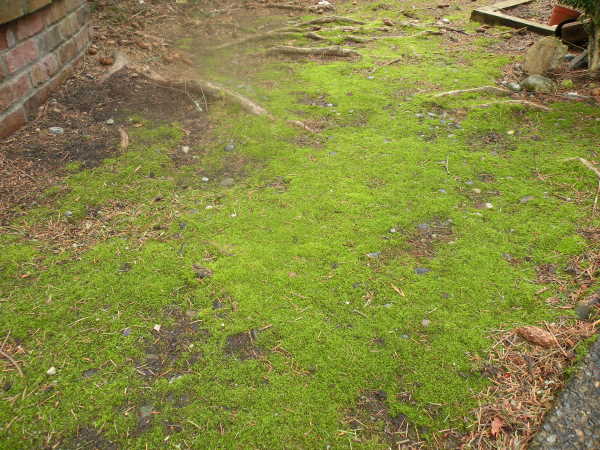
Image Source: turfgator.com
Fathoming Lawn Moss Causes
Moss isn’t a weed in the traditional sense. It’s a non-flowering plant that doesn’t have deep roots like grass. Instead, it spreads by spores. When you see moss on grass, it usually means your lawn’s conditions are ideal for moss but not for healthy grass. Let’s explore the common lawn moss causes.
Shade: The Ideal Environment for Moss
One of the primary reasons for moss growth is shade. Grass needs sunlight to grow strong and dense. When grass is in a shaded lawn moss will often take over. Trees, buildings, or other structures can cast shadows that reduce the amount of sunlight reaching the soil. In these shaded areas, grass often becomes thin and weak, creating an open space for moss to colonize. Moss can tolerate much lower light levels than most grasses.
Moisture: A Damp Lawn’s Best Friend for Moss
Moss loves moisture. A damp lawn moss problem is a common sight. Poor drainage, frequent watering, or areas that collect rainwater can create consistently moist soil conditions. This moisture encourages moss growth while potentially hindering grass root development. Overwatering is a frequent culprit, especially if the soil doesn’t dry out between watering cycles.
Soil Compaction: Stifling Grass Growth
When soil becomes compacted, it’s hard for grass roots to grow and for water and air to penetrate. Lawn aeration moss issues are often linked to this. Compacted soil restricts oxygen to the grass roots, weakening them. This makes the grass more susceptible to diseases and less able to compete with moss. Heavy foot traffic, mowing, and playing on the lawn can all contribute to soil compaction over time.
Poor Soil Health and Nutrient Deficiencies
Moss can also indicate underlying soil issues. If your soil lacks essential nutrients or has an incorrect pH balance, grass will struggle. Moss, on the other hand, can often thrive in less-than-ideal soil conditions. A soil test can reveal nutrient deficiencies or pH imbalances that need addressing.
Low pH (Acidic Soil)
Moss generally prefers slightly acidic soil conditions. If your soil pH is too low, it can favor moss growth while making it difficult for grass to absorb nutrients properly. Grass typically prefers a slightly acidic to neutral pH range.
Mowing Practices: Too Short, Too Often
Mowing your lawn too short can stress the grass and expose more soil to sunlight and moisture, creating an environment where moss can gain a foothold. Similarly, dull mower blades can tear the grass blades, making them more vulnerable.
Identifying Moss on Grass: What to Look For
Recognizing moss on your lawn is the first step to addressing it. You’ll typically see a dense, spongy, green carpet growing on the soil surface. It often appears in areas where the grass is thin or absent.
- Texture: It feels soft and spongy to the touch.
- Color: Usually a vibrant, dark green, but can vary.
- Location: Often found in shady spots, damp areas, or compacted areas.
- Root System: Moss doesn’t have true roots; it has fine, hair-like structures called rhizoids that anchor it to surfaces.
Tackling Mossy Turf Conditions: Effective Solutions
Once you know why moss is growing, you can implement effective lawn moss solutions. The goal is to create an environment where grass thrives and moss cannot. This involves a multi-pronged approach.
Addressing Shade
- Prune Trees and Shrubs: Thinning out the canopy of trees and removing lower branches can allow more sunlight to reach the lawn. This is a key step in managing shaded lawn moss.
- Choose Shade-Tolerant Grass Varieties: If shade is unavoidable, consider overseeding your lawn with grass species that are naturally more tolerant of low light conditions. Examples include fine fescues and some types of bluegrass.
- Consider Alternatives: In very heavily shaded areas where grass simply won’t grow, you might consider ground covers, shade-loving plants, or even mulched areas instead of a traditional lawn.
Managing Moisture
- Improve Drainage: If water sits on your lawn for extended periods, you have a drainage problem. This is crucial for damp lawn moss.
- Aeration: This process creates small holes in the soil, allowing water and air to penetrate more easily. Regular aeration is one of the most effective lawn aeration moss prevention strategies.
- Dethatching: A thick layer of thatch (dead grass and organic matter) can trap moisture. Dethatching removes this layer, improving drainage and air circulation.
- Install Drainage Systems: For persistent waterlogging, consider installing French drains or other subsurface drainage solutions.
- Water Wisely: Water your lawn deeply and less frequently. Aim to water in the morning so the grass has time to dry out during the day. Avoid overwatering.
Combating Soil Compaction
- Aeration: As mentioned, lawn aeration moss is a powerful tool against compaction. Core aeration, which pulls out plugs of soil, is generally more effective than spike aeration.
- Reduce Foot Traffic: If certain areas of your lawn are heavily trafficked, try to redirect traffic or install pathways.
- Top Dressing: After aerating, you can apply a thin layer of compost or soil. This helps to loosen the soil over time and improve its structure.
Enhancing Soil Health
- Soil Testing: Get your soil tested to determine its pH and nutrient levels. Local extension offices often offer affordable soil testing services.
- pH Adjustment: If your soil is too acidic, you can add lime to raise the pH. If it’s too alkaline, sulfur can be used to lower it. Always follow product instructions carefully.
- Fertilize Appropriately: Use a balanced fertilizer based on your soil test results. Healthy, vigorous grass is better at competing with moss.
Mechanical Removal and Treatment
While addressing the underlying causes is key, you can also mechanically remove existing moss.
- Raking: For light moss infestations, vigorous raking with a stiff garden rake can physically dislodge the moss. This is a good first step before applying any treatments or reseeding.
- Moss Killers: Various products are available that kill moss. These typically contain iron sulfate or copper sulfate.
- Iron Sulfate: This is a common ingredient in moss killers. It can help kill moss and also provides iron, which can be beneficial for grass growth. However, iron sulfate can temporarily stain concrete and paving stones.
- Copper Sulfate: More potent than iron sulfate, copper sulfate is also effective but can be toxic to plants if overused and can also stain surfaces.
- Application: Always follow the manufacturer’s instructions carefully regarding application rates and safety precautions. It’s usually best to apply these products when the moss is actively growing.
- After Treatment: Once the moss has been killed and turns brown or black, it’s important to rake it out to allow sunlight and air to reach the soil. This prepares the area for reseeding or encouraging existing grass to fill in.
Overseeding and Reseeding
After you’ve treated the moss and improved the underlying conditions, it’s time to encourage grass growth.
- Overseeding: This involves sowing grass seed over an existing lawn. It’s an excellent way to thicken up thin areas and outcompete any remaining moss. Choose a high-quality grass seed blend suitable for your lawn’s conditions (sun, shade, traffic).
- Reseeding: If entire areas of your lawn are bare, you may need to reseed those sections. Prepare the soil by loosening it and removing any debris before sowing the seed.
A Comprehensive Mossy Lawn Treatment Plan
A successful mossy lawn treatment involves more than just killing the moss. It’s about creating a sustainable, healthy lawn. Here’s a breakdown of a typical treatment approach.
Step 1: Diagnose the Problem
- Examine your lawn: Where is the moss growing? What are the conditions like in those areas (shade, dampness, compaction)?
- Perform a soil test: This will reveal pH and nutrient levels.
Step 2: Address the Root Causes
- Improve drainage and reduce moisture.
- Lighten soil compaction through aeration.
- Prune trees or select shade-tolerant grass if shade is the issue.
- Adjust soil pH and fertilize if needed.
Step 3: Remove Existing Moss
- Rake out any visible moss.
- Apply a moss killer if the infestation is significant. Follow product instructions precisely.
- Rake out the dead moss.
Step 4: Rejuvenate the Lawn
- Overseed bare or thin patches with appropriate grass seed.
- Water new seed gently and consistently until established.
- Continue with proper lawn care practices: appropriate mowing height, regular watering, and fertilization.
How to Get Rid of Lawn Moss Permanently
Achieving a moss-free lawn long-term is about consistent good lawn care. How to get rid of lawn moss truly lies in creating an environment where grass thrives.
- Maintain Healthy Grass: The best defense against moss is a thick, healthy stand of grass. This is achieved through proper watering, mowing at the correct height, appropriate fertilization, and regular aeration.
- Manage Shade: Continuously monitor tree growth and prune as needed.
- Ensure Good Drainage: Don’t let water stand on your lawn.
- Regular Aeration and Dethatching: Make these part of your annual lawn care routine.
- Monitor Soil pH: Periodic soil testing can help you catch pH imbalances before they become a major issue.
Seasonal Considerations for Moss Control
The best time to treat moss depends on your climate and the specific methods you’re using.
- Spring and Fall: These are generally the best times for most lawn care activities, including overseeding, aeration, and applying moss treatments. The weather is typically cooler and moister, which is good for both grass seed germination and moss growth, meaning treatments will be effective, and new grass will establish well.
- Summer: Avoid applying moss killers during hot, dry weather as this can stress the grass.
- Winter: Moss can remain green and active throughout the winter in many regions. While you can apply some treatments in winter, spring or fall are usually more effective.
Frequently Asked Questions About Lawn Moss
Here are some common questions people have about moss in their lawns:
Q1: Is moss bad for my lawn?
Moss isn’t inherently harmful to grass, but its presence is a strong indicator of underlying problems that are weakening your grass. Moss thrives in conditions that grass dislikes.
Q2: Can I just spray moss killer and be done with it?
While a moss killer can remove existing moss, it won’t prevent it from returning if the underlying causes (shade, dampness, compaction) aren’t addressed. A comprehensive approach is needed for lasting results.
Q3: How often should I aerate my lawn?
For most lawns, aerating once a year is sufficient. If you have very compacted soil or a history of moss problems, you might consider aerating twice a year, perhaps in spring and fall.
Q4: Will moss eventually kill my grass?
Moss itself won’t kill your grass directly. However, the conditions that allow moss to thrive (like deep shade or constant dampness) will weaken the grass, making it susceptible to disease and other problems, which can eventually lead to its decline.
Q5: What are the best grass types for shady areas?
For shady lawns, consider fine fescues (creeping red fescue, chewings fescue, hard fescue), or certain varieties of shade-tolerant ryegrass and bluegrass.
Q6: Does iron sulfate harm my lawn?
Iron sulfate is generally safe for lawns when used according to instructions. It can even benefit grass by providing iron, which is essential for chlorophyll production. However, overuse can lead to fertilizer burn, and it can stain surfaces like concrete.
Conclusion: A Greener, Moss-Free Future
Dealing with moss on your lawn is a common challenge, but it’s certainly not insurmountable. By fathoming lawn moss causes, you can implement targeted lawn moss solutions that promote a healthier, more resilient lawn. Remember, a thick, vigorous lawn is the best defense against moss. Regular care, attention to your lawn’s environment, and addressing issues like shade, moisture, and soil compaction will lead to a beautiful, green lawn free from unwelcome mossy patches. This guide provides the steps and insights needed for effective mossy turf conditions management.