
Can you get rid of ivy in your yard permanently? Yes, with consistent effort and the right methods, you can permanently remove ivy from your yard. This guide will walk you through everything you need to know to tackle this persistent plant.
Ivy can be a beautiful addition to some landscapes, but in many yards, it quickly becomes an unwelcome invader. This invasive vine removal can be a daunting task, as ivy is known for its tenacity and ability to spread rapidly. Whether it’s covering your walls, choking out other plants, or making your lawn unusable, learning how to remove ivy effectively is crucial for restoring your garden’s health and beauty. This comprehensive guide will equip you with the knowledge and strategies for successful ivy control.
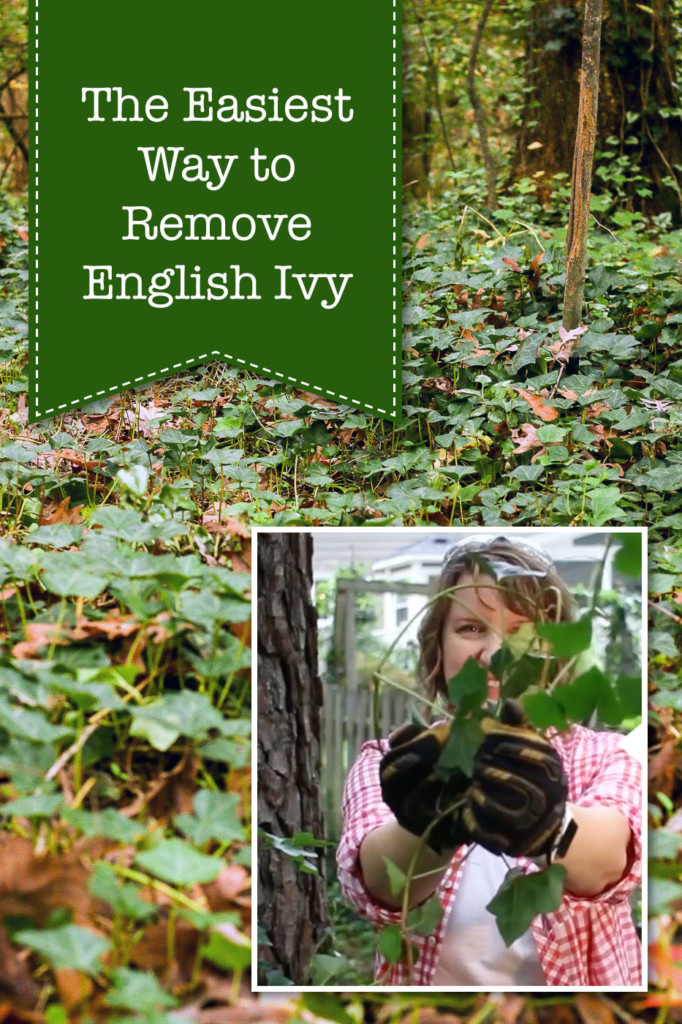
Image Source: prettyhandygirl.com
Why Ivy is a Problem
Before we dive into how to kill ivy, it’s important to understand why it’s often considered a nuisance. Ivy, particularly English ivy (Hedera helix), is an aggressive climber and ground cover that can cause significant damage to your property and local ecosystems.
Damage to Structures
- Walls and Mortar: Ivy’s aerial rootlets can find their way into tiny cracks in walls, mortar, and siding. Over time, these roots can expand, forcing apart bricks, loosening siding, and causing structural damage. This can lead to costly repairs.
- Gutters and Downspouts: Ivy can grow into and around gutters, blocking them and preventing proper water drainage. This can lead to water damage to your roof and foundation.
- Trees: When ivy climbs trees, it can compete for sunlight, water, and nutrients. Heavy infestations can even girdle a tree trunk, cutting off its vascular system and eventually killing it. The weight of the ivy can also cause branches to break.
Impact on Gardens and Lawns
- Smothering Other Plants: Ivy forms a dense mat that shades out and outcompetes desirable plants for resources. This makes it a significant challenge for garden weed control.
- Habitat for Pests: Ivy can provide shelter for pests like slugs, snails, and certain insects, which can then move on to damage your other garden plants.
- Reduced Biodiversity: In natural settings, aggressive ivy can displace native plant species, reducing the biodiversity of the area and impacting the wildlife that depends on those native plants.
Difficulty of Removal
Ivy’s resilience is a major reason for its persistence. It can regenerate from small fragments of stem or root left in the soil. Its extensive root system allows it to draw water and nutrients from deep within the ground, making it hard to starve out. This is why a thorough approach to persistent plant removal is so important.
Methods for Ivy Removal
Successfully removing ivy requires a multi-pronged approach. There’s no single magic bullet, but by combining different strategies, you can achieve long-term ivy clearing.
Manual Removal: The Foundation of Ivy Control
This is often the first and most labor-intensive step, but it’s essential for getting rid of the bulk of the plant.
Tools You’ll Need:
- Sturdy Gloves: Thick, leather or heavy-duty gardening gloves are a must to protect your hands from thorns, sap, and debris.
- Pruning Shears or Loppers: For cutting thicker stems.
- Garden Fork or Spade: To help loosen and dig out roots.
- Tarp or Wheelbarrow: To collect and dispose of the removed ivy.
- Heavy-Duty Trash Bags: For proper disposal.
- Hoe or Weed Puller: For removing smaller ground cover.
Step-by-Step Manual Removal:
- Cut the Stems: Begin by severing the main stems of the ivy at ground level using your pruning shears or loppers. If the ivy is climbing a structure or tree, cut all the stems where they meet the ground. This will kill the upper parts of the plant.
- Allow to Wilt: Let the cut ivy that remains above ground die back naturally. It will become brittle and easier to pull away from walls or trees. This can take a few days to a week.
- Pull Away from Surfaces: Once wilted, carefully pull the dead ivy away from walls, fences, and trees. Be gentle to avoid damaging the surface beneath. For stubborn sections, you might need to use a stiff brush or scraper.
- Dig Out Roots: This is the most critical step for permanent removal. For ivy growing on the ground, use a garden fork or spade to loosen the soil around the root ball. Then, try to pull the entire root system out. Be thorough – even small root fragments can regrow.
- Clear the Area: Collect all the removed ivy, including any fallen leaves and stems. Do not leave any pieces behind, as they can root and start new infestations. Dispose of them in sealed garbage bags, preferably in a way that prevents them from spreading, such as bagging for landfill or hot composting.
Important Note on Disposal: Never compost ivy if you’re not sure your compost pile reaches sufficiently high temperatures to kill seeds and roots. Bagging for disposal is often the safest option to prevent accidental spreading.
Natural Ivy Removal Methods
For those who prefer to avoid chemicals, several natural ivy removal methods can be effective, especially for smaller infestations or as a follow-up to manual removal.
1. Smothering (Sheet Mulching)
This method works by depriving the ivy of sunlight and air.
- Process: After cutting back the ivy as much as possible, cover the affected area with a thick layer of mulch. Options include:
- Cardboard or newspaper (several layers thick)
- Landscape fabric
- Thick layers of organic mulch (wood chips, straw, compost)
- How it Works: The covering blocks sunlight, preventing photosynthesis. The organic mulch will also decompose over time, potentially improving soil health.
- Effectiveness: This method can take several months to a year, and you may need to reapply or reinforce the covering if the ivy finds a way to grow through. It’s best for ground cover ivy.
2. Boiling Water
A simple and direct method to kill ivy on contact.
- Process: Boil a large pot of water. Carefully pour the boiling water directly onto the ivy, focusing on the stems and root crowns.
- How it Works: The extreme heat damages and kills the plant tissue.
- Effectiveness: This is most effective on smaller, isolated patches of ivy, particularly on pathways or patios where you don’t want to disturb the soil too much. Multiple applications may be needed. Be cautious not to scald yourself or damage desirable plants nearby.
3. Vinegar Solution
Vinegar, especially horticultural vinegar (which has a higher acetic acid content), can act as a natural herbicide.
- Process: Mix horticultural vinegar (10-20% acetic acid) with a tablespoon of dish soap (which acts as a surfactant, helping the vinegar stick to the leaves) in a spray bottle. Apply directly to the ivy leaves on a sunny, dry day.
- How it Works: The acetic acid in vinegar breaks down the plant’s cell walls, causing it to dry out and die.
- Effectiveness: This works best on young, actively growing ivy. It is a non-selective herbicide, meaning it will kill any plant it touches, so use it with extreme care to avoid desirable plants. You may need repeat applications.
4. Salt Solution
Salt can dehydrate and kill plants.
- Process: Mix a solution of salt and water (e.g., 1 part salt to 4 parts water). Apply directly to the base of the ivy stems or to small patches of ground cover.
- How it Works: Salt draws moisture out of the plant cells.
- Effectiveness: This method is very effective for killing ivy, but use it with extreme caution. Salt can sterilize the soil for extended periods, making it impossible for anything else to grow there. It’s best reserved for areas where you don’t intend to plant anything else, such as cracks in pavement or gravel paths.
Chemical Ivy Treatment
When manual and natural methods aren’t enough, or for large, established infestations, chemical treatments can be a more potent option. This is a crucial part of chemical ivy treatment and invasive vine removal.
Types of Herbicides:
- Systemic Herbicides: These are absorbed by the plant and travel through its vascular system to kill the roots. This is often the most effective type for persistent plants like ivy.
- Glyphosate-based herbicides: (e.g., Roundup) are common systemic herbicides. They are broad-spectrum and non-selective.
- Triclopyr-based herbicides: These are often recommended for woody vines and brush. They are effective at killing ivy and can be more selective than glyphosate, though still best used with caution.
- Contact Herbicides: These kill the parts of the plant they touch but don’t move through the system, so they may not kill the roots. They are less effective for long-term ivy control.
Application Strategies:
-
Cut and Treat: This is a highly effective method.
- Process: Cut the main stems of the ivy at ground level, leaving about 6-8 inches of stem. Immediately (within minutes) paint or spray the cut surface of the remaining stub with a concentrated glyphosate or triclopyr herbicide.
- How it Works: The plant is most receptive to herbicide absorption through fresh cuts. The herbicide moves directly to the roots.
- Why it’s good: This minimizes the amount of herbicide used and targets the root system efficiently, significantly improving the chances of permanent removal.
-
Foliage Spray: For widespread ivy ground cover.
- Process: On a calm, dry day, spray the leaves of the ivy with a systemic herbicide. Ensure good coverage, but avoid overspray onto desirable plants.
- How it Works: The herbicide is absorbed through the leaves and travels to the roots.
- Caution: This method is less precise and carries a higher risk of damaging surrounding plants.
When to Apply Chemical Treatments:
- Active Growth: Apply herbicides when the ivy is actively growing, typically in spring or early fall. Avoid applying during drought or extreme heat, as the plant will be less receptive.
- Avoid Wind: Always apply on calm days to prevent the spray from drifting onto other plants.
- Read the Label: This is non-negotiable. Always read and follow the manufacturer’s instructions for dilution, application rates, safety precautions, and re-application intervals.
Persistent Ivy Clearing: Ongoing Maintenance
Even after initial removal efforts, ivy clearing is an ongoing process. Ivy is incredibly resilient, and small shoots can reappear.
- Regular Monitoring: Walk your yard regularly and pull out any new ivy shoots as soon as you see them.
- Check for Regrowth: After manual removal or chemical treatment, inspect the area frequently for any signs of regrowth from missed roots or fragments.
- Reapply Treatments: If you used a herbicide and see regrowth, you may need to reapply the treatment, following the product’s instructions.
- Encourage Desirable Plants: Once the ivy is gone, replanting the area with healthy, dense ground cover or other plants will help outcompete any returning ivy.
Removing Ivy from Trees and Walls
Ivy on structures and trees requires specific care to avoid damage.
Removing Ivy from Walls and Fences
- Cut at the Base: As with all ivy removal, start by cutting all ivy stems at ground level.
- Let it Die: Allow the ivy to dry and brittle on the wall. This can take weeks.
- Gentle Pulling: Gently pull the dead ivy away from the wall. Start from the top and work your way down.
- Stubborn Sections: For ivy that clings tightly, you might need to use a scraper or putty knife to loosen the rootlets without damaging the wall. Avoid aggressive pulling that could dislodge bricks or siding.
- Root Removal: Ensure you remove as much of the root system as possible from the ground at the base of the wall to prevent new growth.
Considerations for Historical Buildings: If you’re dealing with an old or historic building, consult with a preservation specialist before undertaking significant ivy removal. Some historical materials may be fragile, and aggressive removal could cause more harm than good.
Removing Ivy from Trees
Removing ivy from trees is crucial for the tree’s health.
- Cut Stems at Base: Cut all ivy stems where they meet the soil around the tree. This is the most important step to kill the ivy climbing the trunk.
- Remove from Trunk: Let the ivy die back on the tree. Then, carefully pull it away from the trunk and branches.
- Avoid Damaging Bark: Be very careful not to damage the tree’s bark. Use gloves and gentle pulling. If the ivy is deeply embedded, it may be best to leave some of the finer strands to avoid harming the tree.
- Address Ground-Level Growth: After clearing the trunk, thoroughly remove any ivy growing on the ground around the tree’s base, including the roots. This prevents new ivy from climbing.
Specialized Situations and Considerations
What is considered an “invasive vine removal” scenario?
An invasive vine removal scenario typically refers to the process of eliminating plants like ivy that are not native to the area, spread aggressively, and can outcompete or damage native vegetation and ecosystems. This also extends to your yard where these vines negatively impact your desired landscaping.
Can I use a weed whacker for ivy?
Using a weed whacker on ivy can be a quick way to cut back the above-ground growth, but it is generally not recommended for effective, permanent removal.
- Pros: It can quickly chop up large areas of ivy ground cover.
- Cons:
- Spreads Seeds and Fragments: A weed whacker will likely shred the ivy, scattering seeds, leaves, and stem fragments. These fragments can easily root in nearby soil, creating new infestations.
- Ineffective on Roots: It doesn’t address the extensive root system, which is the key to permanent ivy control.
- Potential for Damage: The high-speed blades can damage desirable plants or even the bark of trees if used carelessly.
It’s better to use methods that target the roots and avoid scattering plant material.
What is the most effective way to kill ivy?
The most effective way to kill ivy and achieve permanent ivy clearing is usually a combination of manual removal and targeted chemical treatment. Specifically, the “cut and treat” method, where you cut the stems and immediately apply a systemic herbicide to the cut surface, is highly effective because it directly targets the root system. Consistent monitoring and removal of any regrowth are also critical.
How long does it take to get rid of ivy permanently?
Getting rid of ivy permanently is a process that can take anywhere from a few months to a couple of years, depending on the size and density of the infestation, the methods you use, and your diligence in ongoing maintenance. Expect to revisit the area and remove any new shoots that appear for at least a year or two after the initial major removal effort.
Summary of Ivy Removal Strategies
Here’s a quick look at the primary methods for tackling ivy:
| Method | Best For | Pros | Cons |
|---|---|---|---|
| Manual Removal | Initial cleanup, smaller infestations | No chemicals, environmentally friendly, good for immediate removal | Labor-intensive, requires thorough root extraction, can be slow for large areas. |
| Smothering | Ground cover ivy, large areas | Natural, requires minimal physical effort after setup, can improve soil | Slow (months to a year+), may not completely kill very established roots, requires constant coverage. |
| Boiling Water | Small patches, pathways | Natural, immediate effect on contact, no chemical residue | Only kills above-ground parts, requires repeated applications, safety hazard. |
| Vinegar Solution | Young, small ivy patches, targeted treatment | Natural, readily available ingredients | Non-selective (kills all plants), less effective on mature/established ivy, may require repeat apps. |
| Salt Solution | Non-planting areas (cracks, gravel) | Very effective at killing | Sterilizes soil, can harm desirable plants and soil organisms, permanent damage to planting areas. |
| Chemical (Cut/Treat) | Established ivy, large infestations, stubborn roots | Highly effective, targets roots directly, faster results | Requires chemical use, risk to non-target plants if not careful, requires safety precautions. |
| Chemical (Foliage) | Widespread ground cover | Can cover large areas quickly | Non-selective, higher risk of collateral damage, less effective on mature roots than cut/treat. |
Final Thoughts on Permanent Ivy Removal
Eliminating ivy permanently from your yard is a challenge, but it’s achievable with persistence and a strategic approach. The key to successful ivy control lies in thoroughness, especially when it comes to removing the root system. Don’t be discouraged if you see regrowth; this is normal for such a resilient plant. Continue your efforts, monitor the area diligently, and you will eventually win the battle against this tenacious vine. Your yard will thank you for the effort, becoming a healthier and more beautiful space. Remember that consistent ground cover removal is a long-term commitment for many invasive plants, and ivy is no exception.