
Can you find a water leak in your yard? Yes, you can often detect a water leak in your yard by looking for common signs, listening for unusual sounds, and checking your water meter. Who can help if I can’t find it? If you suspect a leak but can’t locate it, professional water leak detection services are available.
A leaky pipe in your yard can be a hidden menace, silently wasting precious water and driving up your utility bills. A lawn water bill high can be a glaring indicator that something is amiss beneath the surface. It’s not just about the money; water leaks can also damage your property, erode soil, and create hazardous conditions. Thankfully, with a bit of know-how and some systematic investigation, you can become your own yard detective. This guide will walk you through the process of yard leak detection, helping you to identify lawn water loss and ultimately diy yard leak repair.
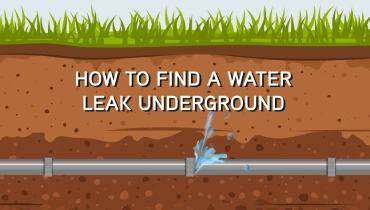
Image Source: www.mrrooter.com
Signs of a Yard Leak
Spotting the early signs of a leak is crucial. The sooner you detect a problem, the less damage it can cause. Look for these common outdoor water leak symptoms:
Visible Water or Wet Spots
This is perhaps the most obvious clue. If you see puddles of water in your yard that don’t dissipate, or unusually wet or marshy areas, especially where there hasn’t been any recent rain or watering, it’s a strong indicator of a leak. These spots might appear suddenly or gradually worsen over time.
Unexplained Greener or Lusher Patches of Grass
While a healthy lawn is great, an unnaturally vibrant or greener patch of grass in an otherwise uniform lawn can signal a leak. The constant moisture from a leaking pipe can cause grass to grow more vigorously in that specific spot.
Sinkholes or Ground Depression
As water escapes from an underground pipe, it can wash away soil, creating a void beneath the surface. This can lead to sinkholes or visible depressions in your yard. These are particularly dangerous and require immediate attention.
Foundation Issues
While not strictly in the yard, leaks originating from underground pipes can affect your home’s foundation. Look for cracks in the foundation walls, walls that are separating from the ceiling, or doors and windows that have become difficult to open or close. These can be signs of soil saturation caused by a leak.
Sound of Running Water
Sometimes, you can actually hear a leak. If you’re in a quiet area of your yard, especially at night, listen for the sound of running water or a hissing noise. This is often the sound of water escaping under pressure from a damaged pipe.
Sudden Drop in Water Pressure
A significant leak can cause a noticeable drop in water pressure throughout your home. If your faucets suddenly have less flow or your shower isn’t as powerful, a leak in your main water line could be the culprit.
An Abnormally High Water Bill
As mentioned, a sudden and unexplained spike in your lawn water bill high is a red flag. If your water usage patterns haven’t changed, a leak is the most likely explanation for the increased charges.
How to Detect a Leak: Step-by-Step
When you suspect a leak, it’s time to become a more proactive investigator. Here’s how to check for a yard leak detection:
1. Check Your Water Meter
Your water meter is a powerful tool for identifying lawn water loss. It accurately measures how much water you use.
- Locate Your Water Meter: Your water meter is typically located near the street, often in a concrete or metal box. Open the lid to access it.
- Ensure All Water is Off: Before you check the meter, make sure every faucet, appliance, and irrigation system in your house is turned off. This includes washing machines, dishwashers, toilets, and any outdoor spigots.
- Observe the Water Meter: Most water meters have a dial or a digital display. Many also have a small, red triangle or a spinning disc that indicates water flow.
- The Test:
- For Dial Meters: If the indicator dial or red triangle is moving when all water in your home is off, you likely have a leak. Even a slow movement can indicate a leak.
- For Digital Meters: Look for a “flow rate” indicator. If it shows any water usage when everything is off, there’s a leak.
- Wait and Recheck: For a more thorough check, note the meter reading. Wait for an hour or two (without using any water) and then check the meter again. If the reading has increased, you have a leak.
This is often the first piece of evidence of water leak you’ll find.
2. The Toilet Test (For Internal Leaks, But Good Practice)
While this primarily checks for leaks within your home, a faulty toilet can waste a surprising amount of water and contribute to high bills. It’s a good habit to rule out internal issues.
- Place a few drops of food coloring into the toilet tank.
- Wait for about 15-20 minutes without flushing.
- If the color appears in the toilet bowl, you have a leak in the tank’s flushing mechanism.
3. Inspecting Visible Plumbing and Fixtures
Walk around your yard and look for any exposed or accessible plumbing.
- Outdoor Faucets/Hose Bibs: Check for drips or leaks from the faucet itself, or around the connection where a hose is attached.
- Sprinkler Systems: Inspect sprinkler heads for damage or leaks. Check any visible pipes or connections for moisture.
- Irrigation Valves: These are often housed in underground boxes. Open the boxes and look for any signs of water pooling or leaks around the valve assembly.
4. The Dye Test for Irrigation Systems
If you have an irrigation system, this is a great way to pinpoint a leak within the system itself.
- Turn off the Irrigation System: Ensure the system is not currently running.
- Apply Dye to the Sprinkler Valve Box: Open the valve box for a specific zone and carefully pour a small amount of food coloring or specialized leak detection dye into the water inlet.
- Observe Sprinkler Heads: Turn the water on to that zone for a short period. If the dye appears at any of the sprinkler heads in that zone, it indicates a leak in the underground pipe feeding those heads.
5. Listening for Leaks
This method requires a quiet environment and a keen ear.
- Use a Listening Device: Professionals use electronic listening devices that can amplify the sound of escaping water. You can try using a metal rod or a long screwdriver. Place one end on the ground above where you suspect a pipe is buried and the other end to your ear. Move along the suspected path of the pipe, listening for any unusual sounds.
- Listen Near Main Shut-off Valve: Sometimes, you can hear a faint hissing or running sound near your main water shut-off valve, especially if the leak is close to where the water enters your property.
6. Visual Inspection of the Ground
Beyond obvious puddles, look for subtle changes:
- Cracks in Pavement: If you have a driveway or patio, check for cracks that might be widening or filled with water.
- Erosion: Notice any areas where the soil seems to be washing away unnaturally.
- Plant Health: As mentioned, check for patches of unusually healthy plants or, conversely, wilting plants if a leak is depriving other areas of water.
Locating Buried Pipes
If you’ve confirmed a leak but can’t visually pinpoint it, the next step is to find buried pipe leak. This can be more challenging as pipes are often hidden.
Understanding Common Pipe Paths
- Entry Point: Your main water line typically enters your property from the street or sidewalk. Trace this path towards your house.
- Utility Lines: Many utility lines (gas, electric, sewer) run in roughly parallel paths. Knowing where these are can give you an idea of where your water line might be. Check your property survey or call 811 before you dig to have underground utilities marked.
- Outdoor Fixtures: Pipes leading to outdoor faucets, sprinkler systems, and swimming pools are usually direct.
Using Tools to Find Buried Pipes
- Metal Detector: If your water pipes are made of metal, a sensitive metal detector can help you trace their path.
- Pipe and Cable Locators: These are specialized electronic devices that can detect the presence of underground pipes and cables. They emit a signal that is picked up by a receiver. You can rent these from tool rental shops, or if you have frequent issues, consider purchasing one.
When to Call Professionals: Water Leak Detection Services
Sometimes, despite your best efforts, locating and fixing a yard leak can be difficult, especially if the leak is deep underground or the signs are subtle. This is when you should consider professional water leak detection services.
Why Hire a Professional?
- Specialized Equipment: Professionals have access to advanced leak detection equipment, such as acoustic listening devices, thermal imaging cameras, and ground penetration radar (GPR). These tools can pinpoint leaks with remarkable accuracy, even when they are not visibly apparent.
- Expertise and Experience: Experienced technicians know where to look and what to listen for. They can interpret subtle clues that a homeowner might miss.
- Minimizing Damage: Digging blindly to find a leak can cause more damage to your yard and potentially hit other underground utilities. Professionals use targeted methods to minimize disruption.
- Accurate Diagnosis: They can differentiate between different types of leaks and identify the root cause, ensuring the repair is effective.
What to Expect from a Leak Detection Service
- Initial Assessment: The technician will likely ask about your water usage, any symptoms you’ve observed, and the history of your plumbing.
- Water Meter Check: They will perform their own water meter test to confirm a leak.
- Systematic Inspection: They will use their equipment to systematically scan your property, listening for the sound of escaping water or using other methods to detect the leak’s location.
- Pinpointing the Leak: Once a potential leak is found, they will often use a tracer gas or a more focused acoustic method to precisely mark the spot.
- Reporting and Recommendations: They will provide a report on their findings and recommend the best course of action for repair.
DIY Yard Leak Repair: A Practical Guide
If you’ve successfully located a minor leak, especially an accessible one like a faulty outdoor faucet, you might be able to tackle the diy yard leak repair. However, for leaks in underground pipes, it’s often best to call a professional plumber.
For Accessible Leaks (e.g., Outdoor Faucets):
Tools and Materials You Might Need:
- Adjustable wrench
- Pipe wrench
- Plumber’s tape (PTFE tape)
- Replacement washers or O-rings
- Replacement faucet or valve
Steps:
- Turn Off the Main Water Supply: Locate your main water shut-off valve and turn it off completely. Open a faucet on the lowest level of your house to drain any remaining water in the pipes.
- Turn Off the Specific Valve (if applicable): If the leak is at an outdoor faucet with its own shut-off valve (often found in basements or crawl spaces), turn that off first.
- Remove the Old Faucet/Component: Use wrenches to carefully unscrew the old faucet or leaking part.
- Replace Worn Parts: If it’s a simple washer or O-ring leak, replace the worn component. Ensure the new part is the correct size and type.
- Install New Fixture: Apply plumber’s tape to the threads of the new faucet or connector. Screw it into place, tightening with wrenches.
- Turn Water Back On Slowly: Turn the main water supply back on gradually. Check for leaks at the repair site and at other fixtures.
- Test: Open the faucet to ensure it works correctly and doesn’t leak.
For Underground Pipe Leaks:
Repairing underground pipes is a more complex task and often requires specialized tools and knowledge.
Potential DIY Steps (Use with Caution):
- Excavation: Carefully excavate the area around the suspected leak. You’ll need to dig a trench deep enough to expose the pipe. Be mindful of other underground utilities.
- Pipe Clamps: For small cracks or pinhole leaks, a pipe repair clamp can be a temporary fix. These clamps are designed to be tightened around the pipe, sealing the leak.
- Pipe Couplings: If a section of pipe is damaged, it may need to be cut out and replaced using specialized couplings and new pipe. This requires precise measurements and proper sealing techniques.
When DIY is NOT Recommended:
- Major Breaks: If the pipe is severely damaged or burst, it’s a job for a professional.
- Under Pressure: Leaks under high pressure can be dangerous and difficult to control.
- Main Water Line: Issues with the main line connecting to your home should always be handled by a qualified plumber.
- Lack of Experience: If you’re not comfortable with plumbing or excavation, it’s safer and more effective to hire a professional.
Cost of Leaks and Repairs
The cost of a water leak can be significant, both in terms of wasted water and potential property damage.
Cost of Wasted Water
Your lawn water bill high is a direct indicator of this cost. Even a small, steady drip can waste hundreds of gallons of water per month. A pinhole leak in a pressurized pipe can waste thousands.
Table 1: Estimated Water Waste from Leaks
| Leak Type | Daily Gallons Wasted | Monthly Gallons Wasted | Annual Gallons Wasted | Estimated Annual Cost (at $5/1000 gal) |
|---|---|---|---|---|
| Dripping Faucet (1 drip/sec) | 20 | 600 | 7,300 | $36.50 |
| Pinhole Leak (1/32″) | 63 | 1,890 | 22,995 | $115.00 |
| Toilet Leak (1/8″ stream) | 200 | 6,000 | 73,000 | $365.00 |
| Burst Pipe (1/4″) | 2,000+ | 60,000+ | 730,000+ | $3,650+ |
Note: Costs are estimates and will vary based on local water rates.
Cost of Repair
The cost of repairing a yard leak can vary widely depending on the nature of the leak, the accessibility of the pipe, and whether you hire a professional.
- Minor Faucet Repair: Can range from $50-$200 for parts and DIY. Professional repair might be $100-$300.
- Underground Pipe Repair: This is typically more expensive due to excavation and labor.
- Professional Leak Detection: $150 – $400
- Pipe Repair (Labor & Materials): $300 – $1000+ depending on the complexity and length of pipe needing replacement.
- Backyard Restoration: If significant excavation is involved, consider costs for re-landscaping, sodding, or patio repair.
Preventing Future Leaks
Once you’ve addressed a leak, it’s wise to take steps to prevent future problems.
- Regular Inspections: Periodically check your water meter and visually inspect your yard for any signs of leaks, especially after heavy rains or ground freezes.
- Winterize Outdoor Faucets: In colder climates, ensure all outdoor faucets are properly winterized to prevent freezing and bursting.
- Quality Installation: If you’re installing new irrigation systems or outdoor plumbing, ensure it’s done by qualified professionals using durable materials.
- Know Your Plumbing: Familiarize yourself with the location of your main water shut-off valve and any secondary shut-off valves.
- Monitor Water Bills: Pay attention to your water bills. A sudden increase is a strong signal to investigate further.
Frequently Asked Questions (FAQ)
Q1: How can I tell if I have an underground water pipe leak?
You can tell if you have an underground water pipe leak by looking for several signs: unusually wet or green patches in your yard, sinkholes or ground depressions, a sudden drop in water pressure, the sound of running water when nothing is on, or a significant increase in your water bill. Your water meter spinning when all water is off is a key indicator.
Q2: Can I fix an underground water pipe leak myself?
While some very minor leaks might be temporarily patched with clamps by a DIYer, repairing underground water pipes is often complex and best left to professionals. It requires excavation, specialized tools, and knowledge of plumbing to ensure a durable and safe repair. Incorrect repairs can lead to further damage and water loss.
Q3: What’s the first step in detecting a yard leak?
The very first step in detecting a yard leak is to check your water meter. Ensure all water inside and outside your home is turned off, then observe the meter. If the indicator dial or the leak indicator (usually a small red triangle or spinning disc) is moving, you have a leak somewhere on your property.
Q4: How much does water leak detection service cost?
The cost of water leak detection services typically ranges from $150 to $400. This price can vary depending on your location, the complexity of the job, and the specific equipment used by the service provider.
Q5: What if my water meter is spinning, but I don’t see any visible signs of a leak?
If your water meter is spinning when all water fixtures are off, but you don’t see obvious evidence of water leak like puddles or wet spots, it strongly suggests the leak is underground. This is when you need to carefully consider the other signs mentioned (sound of water, unusual plant growth) or call a professional leak detection service to find buried pipe leak.