
Image Source: cdn.mos.cms.futurecdn.net
Yard Crawdad Removal: How To Get Rid Of Crawdads In The Yard
Can you get rid of crawdads in your yard? Yes, you can effectively remove crawdads from your yard through a combination of methods. This comprehensive guide will walk you through the best strategies for crawdad removal and crawdad population management, ensuring your lawn remains a crawdad-free zone. We’ll explore various crawdad removal techniques, from natural deterrents to more direct control measures, helping you achieve successful crawdad lawn care.
Crawdad holes in your yard can be a nuisance. These aquatic crustaceans, often referred to as crawfish, can create unsightly mounds of dirt and even damage your lawn’s surface. Dealing with these burrowing creatures requires patience and a good understanding of their habits. This article offers a deep dive into how to get rid of crawdads in the yard, covering everything from why they appear to the most effective solutions.
Why Are Crawdads In My Yard?
Crawdads, also known as crayfish, are freshwater crustaceans that thrive in aquatic environments. Their presence in your yard is usually a clear indicator of water. This could be:
- Proximity to Water Sources: They are most commonly found near ponds, lakes, rivers, streams, or even slow-moving ditches. If your yard is close to any of these, you’re more likely to encounter them.
- High Water Table: Even without a visible water body, a high water table can create damp soil conditions that are ideal for crawdads to burrow and survive.
- Leaky Pipes or Sprinkler Systems: Persistent moisture from underground leaks or over-watered areas can attract crawdads. They are seeking damp, muddy environments to build their burrows.
- Rainy Seasons: Periods of heavy rainfall can temporarily flood areas, creating suitable habitats for crawdads to emerge and establish new territories.
- Food Sources: Crawdads are scavengers and will eat aquatic plants, insects, decaying organic matter, and even small fish or snails. The presence of these food sources in or near your yard can also draw them in.
Identifying Crawdad Activity
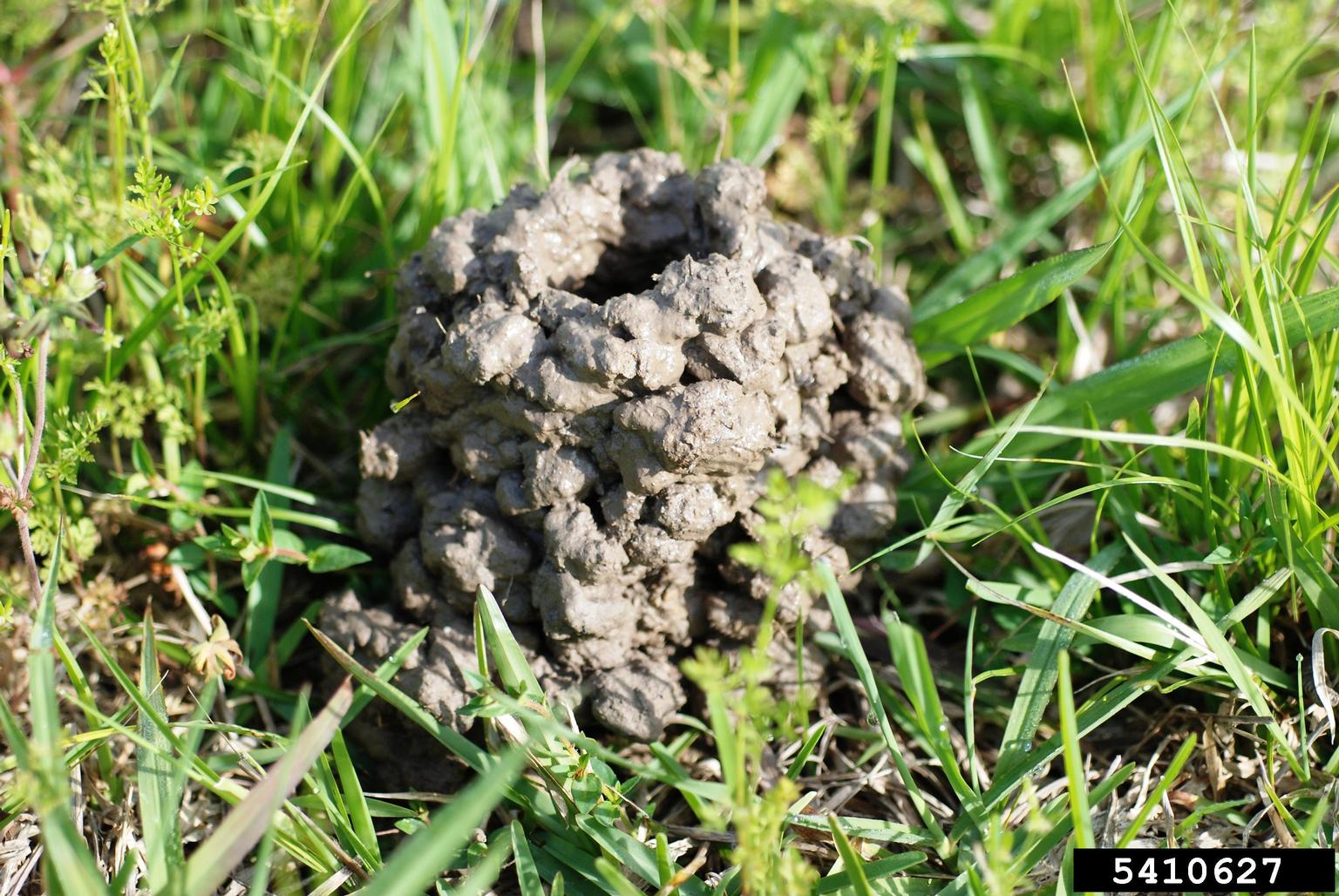
Before you start with crayfish control, it’s important to recognize the signs of crawdad activity. The most obvious sign is the presence of their distinctive chimneys or mounds of excavated mud.
Crawdad Chimneys
These are cone-shaped mounds of mud, often with a central opening, that crawdads build at the entrance to their burrows. They use these chimneys to protect their burrows from predators and to keep the water level stable within their underground homes. You’ll typically find these chimneys in damp, muddy soil.
Burrow Entrances
The burrow itself is an underwater tunnel with an opening at the surface, often marked by a chimney. The entrance is usually about the size of a quarter or slightly larger.
Water in Burrows
During dry periods, crawdads maintain a water-filled burrow. If you probe a fresh crawdad mound with a stick or wire, you might feel water a short distance down.
Damage to Lawns
The burrowing activity can create uneven terrain and unsightly holes, making lawn mowing difficult and potentially damaging your mower.
Effective Crawdad Removal Techniques
Getting rid of crawdads in your yard involves several approaches. The best strategy often combines multiple methods for maximum effectiveness.
1. Modifying the Habitat
The most sustainable way to manage crawdads is to make your yard less appealing to them. This involves addressing the moisture and water sources that attract them.
- Improve Drainage: Ensure your yard has adequate drainage. If you have areas that consistently hold water, consider installing French drains or regrading the landscape to direct water away. This is a key aspect of effective crawdad lawn care.
- Fix Leaks: Regularly check for and repair any leaky outdoor faucets, sprinkler heads, or underground pipes.
- Reduce Watering: Avoid over-watering your lawn. Water deeply but less frequently, allowing the soil surface to dry out between waterings. This can make it harder for crawdads to thrive.
- Remove Debris: Clear away any leaf litter, fallen branches, or other organic debris, especially near water sources. These can provide hiding places and food for crawdads.
2. Physical Removal and Trapping
For immediate results and to reduce the current population, physical removal and trapping are effective crawdad removal techniques.
Using Crawdad Traps
Crawdad traps are an excellent way to capture crawdads. These traps are designed to allow crawdads to enter but make it difficult for them to escape.
- Types of Traps: You can purchase commercially made crawdad traps, often resembling wire cages with funnel-shaped openings. Alternatively, you can create DIY traps using plastic bottles or mesh bags.
- Baiting the Traps: The key to successful trapping is using an attractive bait. Common baits include:
- Chicken or fish scraps
- Meaty dog food or cat food
- Beef liver
- Sardines or anchovies
- Placement: Place traps in areas where you see the most crawdad activity or near water sources. Submerge the traps fully in water.
- Checking Traps: Check your traps regularly, ideally daily, to remove captured crawdads and re-bait.
- Disposal: Once captured, you can relocate the crawdads to a distant body of water (if permitted and humane), or humanely dispose of them.
Manual Removal
If you’re feeling adventurous and have the stomach for it, you can manually remove crawdads.
- Best Time: The best time to catch them is at night when they are most active above ground. Use a flashlight to spot them.
- Tools: A long-handled net or a sturdy pair of tongs can be useful for safely grabbing them.
- Caution: Crawdads can pinch, so wear thick gloves.
3. Chemical Controls (Use with Caution)
While chemical options exist for crayfish control, they should be considered a last resort and used with extreme caution, as they can harm other wildlife and the environment. Always follow product instructions precisely and consider the potential impact on beneficial insects, pets, and water quality.
- Insecticides: Certain insecticides labeled for use on burrowing pests may be effective. However, these are often broad-spectrum and can be harmful to other garden inhabitants.
- Fumigants: Some products are designed to fumigate burrows. These can be effective but require careful application to avoid spreading to unintended areas.
- Pelletized Baits: Certain pelleted baits containing insecticides can be placed near burrow entrances. Crawdads may consume them or carry them into their burrows.
Important Note on Chemicals: It is crucial to consult with your local agricultural extension office or a pest control professional before using any chemical treatments. They can advise on the most appropriate and environmentally sound options for your specific situation.
4. Natural Deterrents and Repellents
These methods aim to make your yard less attractive to crawdads without the use of harsh chemicals.
- Introducing Predators: If you have a pond or water feature, consider introducing natural predators like certain fish species that feed on crawdads.
- Barrier Methods: While less effective for established populations, some suggest physical barriers around desirable plants or garden beds. However, crawdads are excellent burrowers and can often bypass these.
- Repellent Plants: While not scientifically proven to deter crawdads specifically, some gardeners believe planting certain strong-scented herbs like mint or rosemary near affected areas might have a slight repellent effect. This is more anecdotal than proven science for crawdad deterrence.
- Salt: Some anecdotal evidence suggests that applying salt around burrow entrances can deter crawdads due to their sensitivity to salinity. However, this can also harm your lawn and surrounding plants, so use it very sparingly and only on isolated mounds.
5. Managing Crawdad Holes
The immediate problem for many homeowners is the presence of crawdad holes. Here’s how to address them:
- Filling Holes: Once you’ve reduced the crawdad population, fill in the mounds and holes with soil. Tamp the soil down firmly.
- Reseeding: If the lawn has been damaged, reseed the bare patches with grass seed appropriate for your climate.
- Regular Maintenance: Continue to monitor for new burrow activity and address it promptly. Consistent yard pest control is key to long-term success.
Why is Removing Crawdads Important?
Beyond the aesthetic damage, having a significant crawdad population can lead to several problems:
- Lawn Damage: As mentioned, their burrowing activity creates uneven surfaces, making mowing difficult and potentially damaging your mower. The holes can also be tripping hazards.
- Structural Issues: In rare cases, extensive burrowing near foundations or retaining walls can potentially weaken structures, though this is less common in typical residential yards.
- Water Quality (for ponds): In ponds or water features, large numbers of crawdads can stir up sediment, clouding the water and impacting aquatic life. They can also eat desirable aquatic plants.
- Ecological Balance: While crawdads are part of the natural ecosystem, an overpopulation can disrupt the local balance, especially if they are introduced species.
Long-Term Crawdad Population Management
Successful crawdad population management is about more than just one-time removal. It’s about creating an environment that discourages them and consistently monitoring for new activity.
- Consistent Monitoring: Make it a habit to walk your yard regularly, especially after rain, to check for new mounds.
- Proactive Habitat Modification: Continue to prioritize good drainage and responsible watering practices.
- Integrated Pest Management (IPM): Think of crawdads as any other yard pest. Employ a strategy that combines multiple control methods, starting with the least intrusive (habitat modification) and escalating only if necessary. This is the core of effective yard pest control.
Considerations for Specific Environments
The best approach for crayfish control might vary depending on your specific location and the environment.
Crawdads in Ponds or Water Features
If crawdads are an issue in a pond or water garden, the focus shifts slightly.
- Predators: As mentioned, introducing fish that prey on crawdads can be very effective.
- Water Level Management: If possible, fluctuating water levels can disrupt their burrows and cycles.
- Aquatic Herbicides (Carefully): In severe cases, carefully managed aquatic herbicides might be used to reduce aquatic vegetation that crawdads feed on, but this requires expert knowledge to avoid damaging the ecosystem.
Crawdads in Gardens
For vegetable gardens or flower beds:
- Barriers: Consider placing a physical barrier, like fine mesh hardware cloth, around the perimeter of your garden beds, buried a few inches deep.
- Hand Removal: Be vigilant and hand-remove any crawdads you see.
- Crop Rotation: While not a direct deterrent, healthy soil and diverse planting can create a more resilient garden ecosystem less prone to single-pest dominance.
Frequently Asked Questions About Crawdad Removal
Q1: Are crawdads harmful to humans?
While crawdads can pinch with their claws, their pinch is generally not harmful to humans, though it can be painful. They do not typically carry diseases that are transmissible to humans.
Q2: Can I legally trap crawdads in my yard?
Legality varies by region. In many areas, it is legal to trap crawdads for personal consumption or removal from your property. However, it’s always best to check with your local wildlife or environmental agencies for specific regulations regarding trapping and relocation, especially if you plan to move them to a new water source.
Q3: Will natural predators completely eliminate crawdads?
Natural predators can significantly help control a crawdad population, but they may not completely eliminate them, especially if the habitat remains very favorable for crawdads. They are usually part of a larger management strategy.
Q4: How do I know if the crawdad holes are still active?
Active burrows will often have fresh mud around the entrance, and you might see a chimney mound that appears recently constructed. If you probe an active burrow with a stick, you may feel water a short distance down. You might also see the crawdad itself emerge from the burrow, especially at dawn or dusk.
Q5: What is the best time of year for crawdad removal?
Crawdads are generally most active during warmer months, from spring through fall. However, they live in burrows year-round. Trapping and habitat modification can be done during their active periods for the best results in reducing their numbers. Addressing moisture issues is beneficial year-round.
By implementing these strategies, you can effectively manage and remove crawdads from your yard, restoring its aesthetic appeal and functionality. Remember that consistent effort and a focus on habitat modification are key to long-term success in crawdad population management and yard pest control.