
Can you keep dogs out of your yard? Yes, you can implement a variety of strategies to effectively keep dogs out of your yard, ranging from physical barriers to behavioral deterrents. This guide will delve into comprehensive methods for securing your yard for dogs and other pets, ensuring your garden protection for pets is top-notch.
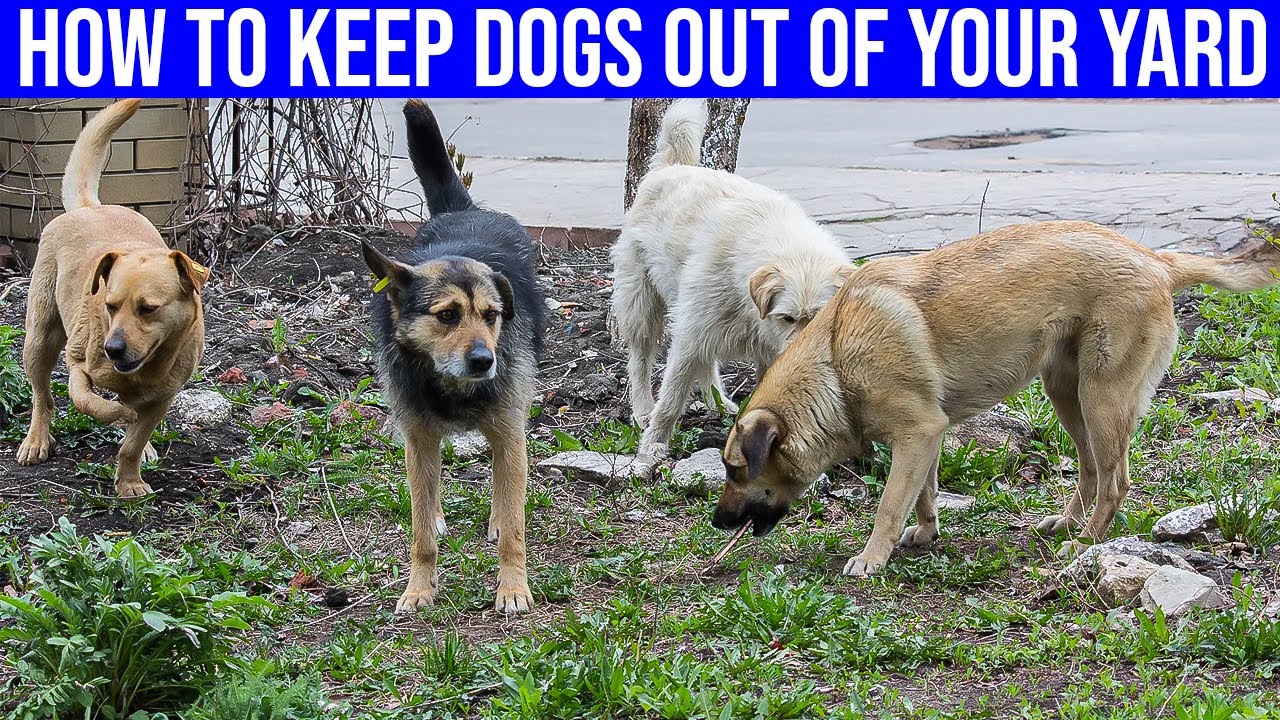
Image Source: i.ytimg.com
Why Do Dogs Enter Yards?
Dogs are curious creatures. Their natural instincts, coupled with environmental cues, can lead them to wander into yards that aren’t their own. Common reasons include:
- Seeking Mates: Intact male dogs, especially, are driven by the scent of females in heat. This is a powerful instinct that can override other considerations.
- Curiosity and Exploration: Dogs explore their surroundings with their noses and paws. A neighbor’s yard might offer interesting smells, new textures, or simply be an uncharted territory.
- Escaping Their Own Yard: Boredom, inadequate fencing at home, or a desire for stimulation can prompt dogs to dig, jump, or squeeze through gaps to explore elsewhere.
- Chasing Prey: Squirrels, rabbits, and other small animals often frequent yards, acting as a strong lure for dogs with a high prey drive.
- Seeking Water or Shade: On hot days, a dog might wander into a yard that offers a convenient water source or a shady spot to rest, especially if their own environment is lacking.
- Socialization and Play: Some dogs are naturally social and may approach other dogs or people in neighboring yards, seeking interaction or a playmate.
Effective Methods for Securing Your Yard
Keeping unwanted canine visitors out of your yard requires a multi-faceted approach. Here, we explore various solutions for dog proofing your yard and implementing pet barriers for gardens.
1. Robust Fencing Solutions
Fencing for dogs is arguably the most straightforward and effective way to keep them out. The type of fence you choose depends on your budget, the size and breed of dogs you are trying to deter, and your aesthetic preferences.
Types of Fencing:
-
Wooden Fences: These offer privacy and a natural aesthetic.
- Pros: Attractive, provides privacy, good physical barrier.
- Cons: Can be expensive, requires maintenance (painting, staining), can rot or be chewed by determined dogs.
- Height: Aim for at least 6 feet to deter most dogs from jumping over.
- Gaps: Ensure there are no gaps between the bottom of the fence and the ground, as dogs can dig underneath. Burying the fence a few inches into the ground or using wire mesh at the base can prevent this.
-
Chain-Link Fences: A durable and cost-effective option.
- Pros: Strong, long-lasting, allows visibility.
- Cons: Can be less aesthetically pleasing, dogs can climb them if they have a strong prey drive or are particularly agile.
- Considerations: While dogs are unlikely to chew through chain-link, they might try to dig under or jump over.
-
Vinyl Fences: Low maintenance and durable.
- Pros: Easy to clean, resistant to rot and insects, various styles available.
- Cons: Can be more expensive than chain-link, can become brittle in extreme cold or may crack if hit with force.
-
Wrought Iron Fences: Elegant and strong.
- Pros: Very strong, aesthetically pleasing, can be customized.
- Cons: Generally the most expensive option, offers no privacy.
DIY Fencing Tips:
- Check Local Regulations: Before installing any fence, consult your local ordinances regarding fence height, type, and property line setbacks.
- Secure Gates: Gates are common weak points. Ensure they are sturdy, close securely, and have reliable latches that dogs cannot easily manipulate. Consider self-latching gates.
- Regular Inspection: Periodically walk the perimeter of your fence to check for any signs of damage, loose panels, or gaps that a determined dog might exploit.
2. Invisible Fencing for Dogs
Invisible fence for dogs, also known as an electronic fence or containment system, uses buried wires to create a virtual boundary. When a dog wearing a special collar approaches the boundary, the collar emits a warning tone, followed by a mild static correction if the dog continues.
- Pros: Less visually intrusive than traditional fences, can be customized to fit various yard shapes, often less expensive than full fencing.
- Cons: Does not prevent other animals or people from entering your yard, relies on the dog wearing the collar consistently, corrections can be stressful for some dogs, requires professional installation or careful DIY setup, and the effectiveness can be compromised by external factors like strong scents or distractions.
- Effectiveness: Proper training is crucial for the success of invisible fences. Dogs need to associate the warning tone with the boundary and understand the consequences of crossing it.
3. Pet Barriers for Gardens
If your primary concern is garden protection for pets or preventing dogs from accessing specific areas within your yard, various pet barriers for gardens can be employed.
- Low Fencing or Edging: Small decorative fences or landscaping edging can create visual and physical deterrents for dogs. These are often used around flower beds or vegetable patches.
- Chicken Wire or Hardware Cloth: Burying chicken wire or hardware cloth a few inches below the soil line around garden beds can deter digging.
- Natural Barriers: Planting dense, thorny shrubs or ground cover like Juniper or Holly around garden beds can create a natural and unattractive barrier for dogs.
4. Humane Dog Repellent Strategies
These methods aim to discourage dogs from entering your yard without causing them harm.
-
Scent-Based Repellents: Many commercial humane dog repellent products use scents that dogs find unpleasant, such as citrus, vinegar, or certain essential oils (like citronella or eucalyptus).
- Application: These are typically sprayed around the perimeter of your yard or on specific areas you want to protect. Reapplication is often necessary, especially after rain.
- DIY Repellents: A mixture of vinegar and water, or diluted citrus essential oils, can be effective. Always test on a small, inconspicuous area first to ensure it doesn’t damage plants.
-
Motion-Activated Sprinklers: These devices detect movement and emit a burst of water, which startles most dogs and discourages them from lingering.
- Pros: Effective, humane, doesn’t harm plants.
- Cons: May not deter highly persistent dogs, can be triggered by other animals or even strong winds.
-
Auditory Deterrents: Some ultrasonic devices emit high-frequency sounds that are unpleasant to dogs but often inaudible to humans.
- Pros: Discreet.
- Cons: Effectiveness varies greatly, some dogs may become accustomed to the sound, and it might affect other animals or even some humans.
5. Creating a Less Appealing Environment
Sometimes, the best approach is to make your yard less attractive to dogs in the first place.
-
Remove Attractants:
- Food Sources: Secure garbage cans, clean up any fallen fruit from trees, and avoid leaving pet food or water bowls outside unattended.
- Scent Marking: If dogs are marking your property, cleaning the areas with an enzymatic cleaner can help neutralize the scent and discourage them from returning.
-
Yard Maintenance: Regularly mowing your lawn can reduce hiding places for small animals that might attract dogs. Trim back bushes and remove any debris that could provide an enticing den.
6. Boundary Training for Dogs
While this article focuses on keeping other dogs out, it’s worth noting that boundary training for dogs is crucial if you have dogs yourself that you need to keep within your property. This involves teaching your dog what areas are off-limits, using positive reinforcement and clear commands. This can be an adjunct to physical barriers, especially for areas within your yard that might be tempting for your own pets.
7. Strategic Planting for Garden Protection for Pets
Beyond thorny plants, consider the placement and type of plants in your garden. Some plants are toxic to dogs if ingested. While your goal is to keep dogs out, ensuring your yard doesn’t contain hidden dangers is also part of responsible pet ownership and garden protection for pets.
- Unappealing Textures: Planting ground covers with coarse or prickly textures can make certain areas less comfortable for dogs to walk on.
- Scent Barriers: Certain herbs like rosemary, lavender, or rue are thought to have scents that deter dogs. Planting these along garden edges can create a natural, fragrant barrier.
Addressing Persistent Problems
If simple deterrents aren’t working, you might need to step up your efforts.
1. Reinforcing Fencing
- Digging Prevention: If dogs are digging under your fence, consider burying chicken wire or hardware cloth along the base of the fence, extending it inward into your yard by about 12-18 inches. This creates an L-shaped barrier underground.
- Over-the-Top Barriers: For very determined climbers, consider adding an angled extension at the top of your fence, pointing inwards, with wire mesh.
2. Combining Deterrents
Often, the most effective strategy is to combine multiple methods. For example:
- A well-maintained fence combined with motion-activated sprinklers near gates or weak points.
- A sturdy fence with strategically planted deterrent plants around vegetable gardens.
- An invisible fence for dogs as a primary boundary, with additional physical barriers for specific garden areas.
3. Understanding Dog Behavior
To effectively implement dog proofing yard strategies, it’s helpful to grasp why a particular dog might be entering your yard.
- Is it a specific dog? If you can identify the dog and its owner, a polite conversation might be the first step. The owner might be unaware their dog is escaping or wandering.
- Is it random? If it seems to be multiple dogs or stray animals, a more robust physical barrier is likely necessary.
Legal and Ethical Considerations
When implementing securing yard for dogs measures, it’s important to be aware of legal and ethical implications.
- Property Laws: Ensure your fencing and any deterrents comply with local property laws and homeowner association rules.
- Humane Practices: Always prioritize humane methods. The goal is deterrence, not harm. Avoid any methods that could injure or significantly distress animals.
- Community Relations: If you identify the dog’s owner, approach the situation with courtesy and a willingness to find a mutual solution.
Frequently Asked Questions (FAQ)
Q1: What is the best way to keep dogs out of my yard if I don’t want to install a full fence?
A1: For a less permanent solution, consider a combination of humane dog repellent sprays, motion-activated sprinklers, and strategically planted dense or thorny shrubs around the perimeter and specific areas like your garden. An invisible fence for dogs is also an option if you are willing to invest in the system and train your dog.
Q2: Can I use my own dog’s scent to deter other dogs?
A2: Some people believe that placing your own dog’s bedding or toys around the perimeter can deter other dogs by marking the territory as “claimed.” However, the effectiveness of this method is debatable and may vary depending on the individual dogs involved. It’s not a guaranteed solution.
Q3: How high should a fence be to keep most dogs out?
A3: For most medium to large dogs, a fence of at least 6 feet in height is recommended to prevent them from jumping over. Smaller or more agile dogs might require even higher fencing or additional deterrents.
Q4: My neighbor’s dog keeps digging under my fence. What can I do?
A4: To prevent digging, you can bury chicken wire or hardware cloth along the base of your existing fence. Extend it about 12-18 inches inward into your yard and secure it to the fence. This creates an underground barrier that dogs are less likely to dig through.
Q5: Are ultrasonic dog deterrents effective?
A5: The effectiveness of ultrasonic dog deterrents varies greatly. Some dogs may be repelled by the high-frequency sound, while others might ignore it or even become accustomed to it. It’s not always a reliable solution, and some devices can affect other animals or even people.
Q6: What are good plants for garden protection for pets that also deter dogs?
A6: Consider planting thorny or dense shrubs like Barberry, Pyracantha, or Holly along the edges of your garden beds. Herbs like Rosemary, Lavender, and Rue are also thought to have scents that deter dogs. Always ensure any plants you choose are safe and non-toxic to animals if they do come into contact with them.
Q7: What does “dog proofing yard” mean in practical terms?
A7: “Dog proofing yard” means taking steps to make your yard secure and unattractive to dogs that do not belong there. This involves reinforcing fences, removing attractants like food, and using deterrents to prevent entry and unwanted behavior.
Q8: How can I create effective pet barriers for gardens without using traditional fencing?
A8: You can use decorative landscaping edging, buried chicken wire just below the soil surface, or dense, unappealing ground cover plants. The goal is to create a visual or physical obstacle that discourages dogs from entering the garden area.
Q9: What is boundary training for dogs and how does it relate to keeping other dogs out?
A9: Boundary training for dogs teaches your own pets where they are allowed and not allowed to go. While it doesn’t directly keep other dogs out, it’s an essential part of overall yard management. If your own dogs are well-trained, they are less likely to attempt to breach your perimeter to interact with visiting dogs, and it instills a general respect for boundaries that can be helpful in managing them within your property.
By implementing these strategies, you can effectively secure your yard and maintain garden protection for pets, ensuring your outdoor space remains a safe and undisturbed haven.