
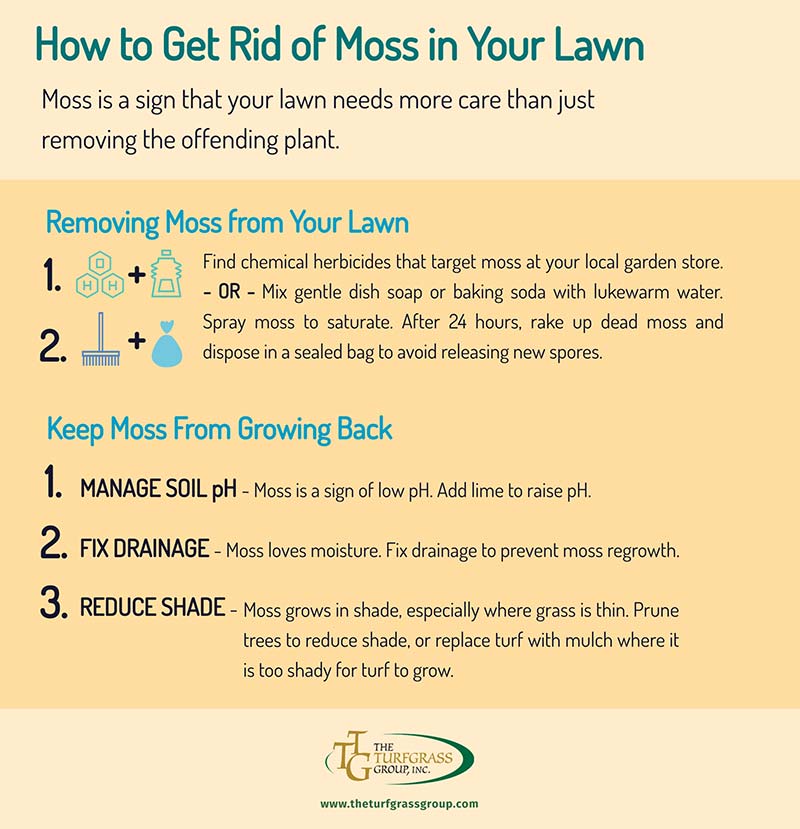
Image Source: theturfgrassgroup.com
How To Get Rid of Moss in Your Lawn: Easy Steps
What is moss in a lawn, and can you get rid of it? Yes, moss is a non-vascular plant that thrives in damp, shady, and compacted soil, and it can certainly be managed and removed from your lawn. This comprehensive guide will walk you through the entire process of tackling that green carpet and restoring a healthy, vibrant lawn. We’ll cover everything from identifying the causes of moss to effective treatment methods and prevention strategies.
Moss in your lawn isn’t just an unsightly nuisance; it’s often a symptom of underlying issues in your turf. While it might look plush and inviting, moss outcompetes grass for resources like sunlight, water, and nutrients. Getting rid of moss requires a two-pronged approach: directly killing and removing the existing moss, and then addressing the conditions that allow it to flourish in the first place.
Deciphering Why Moss Appears in Your Lawn
Before you can effectively get rid of moss, it’s crucial to understand why it’s appearing. Moss loves specific environmental conditions that grass often struggles with. Identifying these culprits is the first step toward a lasting solution.
Common Causes of Lawn Moss
- Shade: Dense shade from trees or buildings significantly reduces sunlight, creating an ideal environment for moss. Grass needs sunlight to thrive, and where grass struggles, moss often takes over.
- Poor Drainage: Waterlogged soil is a moss haven. If your lawn doesn’t drain well, the persistent moisture keeps the soil cool and damp, perfect for moss growth.
- Soil Compaction: Heavily compacted soil restricts air and water penetration, making it difficult for grass roots to grow deeply. This creates shallow root systems that are more susceptible to stress and allows moss to gain a foothold.
- Low Soil Fertility: When your soil lacks essential nutrients, grass becomes weak and thin, leaving open spaces for moss to colonize.
- Low pH (Acidic Soil): Moss prefers slightly acidic soil conditions, which can occur naturally or due to certain fertilizers. Grass, on the other hand, generally prefers a more neutral pH.
- Overwatering: Even without poor drainage, consistently overwatering your lawn can create the damp conditions moss loves.
- Infrequent Mowing/Long Grass: Letting your grass grow too tall can create shady conditions at the soil surface, encouraging moss.
Tackling Existing Moss: Effective Moss Removal Strategies
Once you’ve identified the reasons behind your moss problem, it’s time to focus on moss removal. There are several effective methods, ranging from manual removal to chemical treatments.
Manual Moss Removal
This is a great starting point, especially for smaller areas or for those who prefer an organic approach.
- Raking: A stiff-bristled rake or a dedicated moss rake can physically pull moss out of the turf. This is most effective when the moss is dry. Be vigorous! You want to lift as much as possible.
- Wire Brushing: For stubborn moss, a wire brush can be even more effective. Again, work when the moss is dry.
- Aeration: While primarily a preventative measure, aeration also helps break up the moss and loosen it from the soil, making it easier to rake out.
Chemical Moss Treatment: Lawn Moss Killer Options
For more widespread moss problems, chemical treatments can provide a quicker and more comprehensive solution. These products work by killing the moss, which then needs to be removed.
Types of Lawn Moss Killers:
- Iron-Based Products: These are very common and effective. Iron sulfate (ferrous sulfate) is the active ingredient in many lawn moss killer products. It dehydrates and kills the moss, turning it black. It also helps to green up the grass by providing essential iron.
- Pros: Widely available, relatively fast-acting, also acts as a lawn fertilizer.
- Cons: Can stain concrete or other surfaces if not cleaned up quickly. May require repeat applications.
- Chemical Herbicides: Some herbicides are specifically formulated to kill moss. These might contain ingredients like diquat or ammonium nonanoate.
- Pros: Can be very effective.
- Cons: May also harm desirable plants if not applied carefully. Always read and follow label instructions precisely.
- Soap-Based Solutions: Certain insecticidal soaps or detergents can be used as a moss treatment for lawns, as they dehydrate the moss.
- Pros: Generally considered more environmentally friendly.
- Cons: May require more frequent application and can sometimes harm the grass if too concentrated.
How to Apply Lawn Moss Killer:
- Read the Label: This is the most important step. Follow the manufacturer’s instructions for mixing, application rates, and safety precautions precisely.
- Choose the Right Time: Apply when the moss is actively growing, typically in spring or autumn. Avoid applying during very hot or dry weather, as this can stress the grass.
- Even Application: Use a spreader or sprayer for even coverage. Overlapping slightly ensures no patches are missed.
- Watering: Some products recommend watering before or after application. Check the label.
- Clean Up: Rake out the dead, black moss a few days after application.
Natural Moss Killer Options
If you prefer to avoid chemicals, several natural methods can help you get rid of moss on your lawn.
- Vinegar Solution: A solution of horticultural vinegar (typically 5-10% acetic acid) can kill moss. Mix it with water according to the vinegar’s strength and spray directly onto the moss.
- Pros: Natural, readily available.
- Cons: Can also damage grass if not applied carefully. May require multiple applications.
- Baking Soda: Sprinkle baking soda generously over the mossy areas. The alkalinity can kill the moss.
- Pros: Simple and inexpensive.
- Cons: Can temporarily raise soil pH and may affect grass health.
- Manual Removal with Amendments: After manually removing the moss, you can apply lime to the area. Lime raises the soil pH, making it less hospitable to moss and more suitable for grass.
Post-Removal Care: Raking and Overseeding
Once the moss is dead and you’ve physically removed it, your lawn will likely have bare patches. This is the perfect opportunity to reintroduce healthy grass.
Raking Out Dead Moss
- After applying a moss killer or using manual methods, wait a few days. The moss should turn black or brown and brittle.
- Use a stiff rake or a dethatching rake to vigorously comb through the affected areas. This removes the dead moss and helps to loosen any thatch, which can also contribute to moss growth.
- Collect and dispose of the removed moss.
Overseeding for a Fuller Lawn
- Timing: The best times to overseed are early autumn or early spring, when temperatures are cooler and there’s ample moisture.
- Seed Selection: Choose grass seed varieties that are suited to your lawn’s conditions, especially shade tolerance if that’s a major factor. A good quality perennial ryegrass or fescue mix is often recommended.
- Preparation: Lightly loosen the soil in the bare patches with a rake. This improves seed-to-soil contact.
- Sowing: Spread the grass seed evenly over the bare areas. You can use a spreader for larger areas.
- Fertilizing: Apply a starter fertilizer designed for new lawns. This provides the necessary nutrients for the young seedlings to establish.
- Watering: Keep the seeded areas consistently moist until the new grass is established. This might mean light watering multiple times a day, especially in dry or warm weather.
- Mowing: Once the new grass reaches about 3-4 inches tall, you can mow it for the first time. Use a higher mower setting and ensure your mower blades are sharp.
Preventing Moss in Your Lawn: Long-Term Solutions
Getting rid of moss is one thing, but preventing its return is key to maintaining a healthy lawn. This involves addressing the underlying issues that allowed it to thrive in the first place.
Improving Drainage
If poor drainage is a problem, consider these solutions:
- Aeration: Regular aeration (once or twice a year) is crucial for breaking up soil compaction and improving air and water flow. This is one of the most effective moss control for grass strategies.
- Top Dressing: After aerating, applying a thin layer of compost or sandy loam can further improve soil structure.
- French Drains or Drainage Systems: For severe drainage issues, installing a French drain or a more extensive drainage system might be necessary.
Addressing Shade Issues
While you can’t always remove large trees, you can manage the shade they create:
- Pruning: Trim lower branches of trees to allow more light to reach the lawn.
- Selective Tree Removal: If a particular tree or shrub is the primary cause of deep shade, consider removing it.
- Shade-Tolerant Grasses: If shade is unavoidable, choose grass varieties that are specifically bred for low-light conditions.
Managing Soil Compaction
- Aeration: As mentioned, aeration is vital for combating compaction.
- Reduce Foot Traffic: Minimize heavy foot traffic on your lawn, especially when the soil is wet.
- Avoid Mowing Wet Grass: Mowing when the grass is wet can lead to soil compaction.
Adjusting Soil pH and Fertility
- Soil Testing: Get your soil tested to determine its pH and nutrient levels. Local extension offices often offer this service.
- Liming: If your soil is too acidic (low pH), apply lime according to the soil test recommendations. This raises the pH and makes it less favorable for moss.
- Fertilizing: Follow a regular fertilization schedule based on your soil test results. This helps the grass grow thick and healthy, outcompeting moss.
Proper Mowing and Watering Practices
- Mowing Height: Mow your lawn at the higher recommended height for your grass type. Taller grass shades the soil, keeping it cooler and moister, which grass roots prefer. It also helps prevent moss from getting established.
- Watering Schedule: Water deeply but infrequently. This encourages grass roots to grow deeper, making them more resilient. Allow the soil surface to dry out between waterings. Avoid light, frequent sprinkling.
Natural Moss Killer: A Deeper Dive into Organic Approaches
For those committed to entirely organic lawn care, understanding the nuances of natural moss killer methods is important. These approaches often work by altering the soil conditions or directly dehydrating the moss without synthetic chemicals.
Vinegar: A Natural Dehydrator
Horticultural vinegar, with its higher acetic acid content, is a potent natural moss killer. It works by drawing moisture out of the moss cells.
- Application:
- Mix horticultural vinegar (5-10% acetic acid) with water. A common ratio is 1:1 for 5% vinegar, or follow product instructions.
- Use a garden sprayer.
- Apply on a sunny, dry day for best results.
- Aim to spray directly onto the moss, avoiding contact with desirable plants.
- Precautions: Vinegar is acidic and can harm grass if applied too concentrated or too frequently. It’s best to spot-treat mossy areas.
Baking Soda: Altering Soil Chemistry
Baking soda (sodium bicarbonate) is alkaline. By increasing the soil’s pH, it creates an environment less favorable for moss.
- Application:
- Sprinkle baking soda directly onto the mossy areas.
- Water lightly to help it dissolve into the soil.
- Precautions: Excessive use can lead to salt buildup and damage the grass. Monitor the lawn’s response.
Copper Sulfate: A Potent Fungicide and Moss Killer
Copper sulfate is a classic treatment, effective at killing moss. It functions as a fungicide and algaecide as well.
- Application:
- Available as granules or powders.
- Mix with water according to product directions for spraying, or use as a granular application.
- Apply evenly over the mossy areas.
- Precautions: Copper sulfate is a heavy metal and can be toxic if misused. It can also burn grass if applied too heavily. Always wear protective gear and follow label instructions diligently. It can stain surfaces, so avoid contact with sidewalks and patios.
DIY Moss Control Sprays
Combining ingredients like dish soap and vinegar can create a homemade moss control spray.
- Recipe Example:
- 1 gallon water
- 1 tablespoon liquid dish soap (non-detergent based is best)
- 1 cup white vinegar or 1/2 cup horticultural vinegar
- Application:
- Mix thoroughly in a sprayer.
- Spray directly on moss during cooler parts of the day.
- Precautions: Test on a small area first, as it can affect grass.
Lawn Care Moss: Integrated Strategies
Effective moss control for grass is about more than just killing what’s there. It’s about creating a lawn environment that actively resists moss. This integrated approach combines the removal of existing moss with long-term management of the underlying causes.
Fertilization and Feeding
A well-fed lawn is a strong lawn. Regular fertilization with balanced lawn fertilizers, particularly those rich in nitrogen and potassium, promotes dense turf growth. This dense growth shades the soil, outcompetes weeds and moss, and improves overall lawn health. Consider slow-release fertilizers for sustained feeding.
Dethatching
Thatch is a layer of dead and living plant material that builds up between the grass blades and the soil surface. A thick thatch layer can trap moisture and nutrients, creating an ideal habitat for moss.
- When to Dethatch: Dethatch when the grass is actively growing, typically spring or early autumn.
- How to Dethatch:
- Raking: For light thatch, a stiff dethatching rake can be effective.
- Dethatching Machine: For heavier thatch, rent or buy a dethatching machine (scarifier). These machines have tines that dig into the thatch layer and pull it to the surface.
- Power Rake: Similar to a dethatching machine, a power rake is very efficient.
Aeration
As repeatedly emphasized, aeration is a cornerstone of good lawn care and moss prevention. By creating small holes in the soil, aeration:
- Relieves soil compaction.
- Improves air circulation to grass roots.
- Enhances water penetration.
- Allows fertilizers to reach the root zone more effectively.
- Helps to break up mossy patches.
Overseeding for Resilience
Regularly overseeding your lawn, especially in autumn, helps to fill in any thin patches and introduces stronger, more resilient grass varieties. This continuous improvement ensures that your lawn remains dense and less susceptible to moss colonization.
Best Moss Remover: Choosing the Right Product
Selecting the best moss remover depends on the severity of your problem, your preference for natural or chemical treatments, and the specific conditions of your lawn.
- For Quick Action and Convenience: Iron-based granular or liquid moss killers are highly effective and readily available. They act as a lawn moss killer and often provide a nutritional boost to the grass.
- For Large Infestations: Chemical herbicides specifically designed for moss removal can be very efficient. Always use with caution and follow directions precisely.
- For Organic and Gentle Approaches: Vinegar solutions, baking soda, or carefully applied copper sulfate can be used, but they often require more patience and repeat applications.
- The “Best” is Situational: The true best moss remover is one that effectively kills the moss while also supporting the long-term health and density of your grass. This means addressing the underlying causes is as important as the initial kill.
Moss Treatment for Lawns: A Step-by-Step Summary
- Identify the Cause: Assess your lawn for shade, poor drainage, compaction, and soil conditions.
- Choose Your Treatment: Select a moss killer – chemical, iron-based, or natural.
- Apply the Treatment: Follow product instructions meticulously for even coverage.
- Wait and Rake: Allow the moss to die (turn black) and then rake it out vigorously.
- Improve Soil Conditions: Aerate, dethatch, and address drainage or pH issues.
- Overseed: Fill in bare patches with appropriate grass seed.
- Maintain: Follow good lawn care practices to prevent recurrence.
Frequently Asked Questions About Lawn Moss
Q1: Will moss harm my grass?
Yes, moss can outcompete grass for sunlight, water, and nutrients, leading to thinner, weaker turf. It’s a symptom of underlying issues that also stress your grass.
Q2: How often should I treat moss?
The frequency depends on the severity of the problem and the method used. For chemical treatments, follow product recommendations, which might be once or twice a year. For natural methods, you may need repeat applications. The key is to address the root causes to reduce the need for frequent treatments.
Q3: Can I just rake the moss off without killing it first?
You can manually remove moss by raking or brushing, but if the conditions that favor moss growth remain, it will quickly return. Killing it first and then removing the dead material is usually more effective, especially before overseeding.
Q4: Is moss bad for my lawn?
Moss itself isn’t inherently “bad” for your lawn in the way a disease might be. However, its presence is almost always an indicator of conditions that are not ideal for healthy grass growth. It signals problems like too much shade, poor drainage, or compacted soil.
Q5: Can I use bleach to kill moss?
While bleach can kill moss, it is also highly toxic to grass and other plants. It can severely damage your lawn and the soil. It is not recommended as a lawn care product.
Q6: How long does it take for moss killer to work?
Most iron-based moss killers will turn the moss black within 24-48 hours. Other chemical treatments may take a few days to a week. Natural methods might take longer. Always check the product label for specific timelines.
By following these detailed steps, you can effectively get rid of moss in your lawn and cultivate a healthier, more beautiful green space. Remember, consistent care and attention to the underlying causes are the most powerful tools in your lawn care arsenal.