
Wondering how to dispose of rocks in your yard? You can donate them, sell them, use them for landscaping projects, or take them to a local landfill or transfer station. This guide will walk you through various methods for effective yard rock removal.
Got a yard full of rocks and don’t know what to do with them? It’s a common problem for homeowners, whether you’re tidying up a new property, redesigning your garden, or just trying to reclaim your lawn. Dealing with unwanted rocks can range from a simple task to a significant undertaking, depending on the quantity, size, and type of rocks you’re dealing with. This comprehensive guide will equip you with the knowledge and strategies to tackle rock disposal methods effectively, turning a potential headache into a manageable project. We’ll cover everything from the easiest ways to get rid of small quantities to solutions for tackling major landscaping rock disposal challenges.
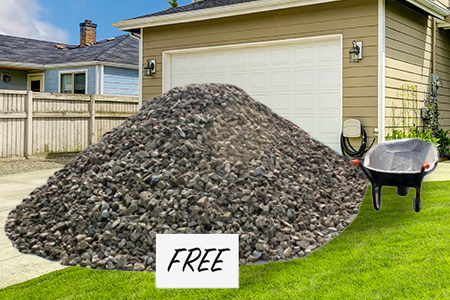
Image Source: www.budgetdumpster.com
Why Remove Rocks from Your Yard?
Rocks can accumulate in yards for several reasons. They might be remnants from construction, natural deposits in your soil, or leftover materials from previous landscaping projects. While rocks can be a beautiful addition to gardens and pathways, too many can cause problems.
- Mowing Difficulties: Rocks in the lawn can damage lawnmowers, create safety hazards for the operator, and interrupt the smooth operation of your mower.
- Planting Obstructions: Large or numerous rocks can make digging and planting difficult, hindering root growth and soil aeration for your plants.
- Aesthetic Concerns: Over time, rocks can become scattered or overgrown, leading to an unkempt appearance in your yard.
- Drainage Issues: Certain types of rock placement can inadvertently affect water drainage, leading to waterlogged areas.
Let’s dive into the various options for garden rock removal and removing stones from lawn.
Assessing Your Rock Situation
Before you start hauling, take a moment to assess what you’re working with.
- Quantity: How many rocks are we talking about? A few small ones, or a mountain of them?
- Size: Are they pebbles, fist-sized stones, or boulders?
- Type: Are they decorative landscaping rocks, construction debris, or natural fieldstones? This can influence their value and disposal options.
- Location: Where are they situated? Scattered across the lawn, piled in a corner, or embedded in flower beds?
This initial assessment will help you choose the most efficient and appropriate rock disposal methods.
Easy Ways to Dispose of Rocks
For smaller quantities or less cumbersome rocks, several straightforward methods exist.
Repurposing Yard Rocks
The most eco-friendly approach is to find a new purpose for your rocks. Repurposing yard rocks saves you money and reduces waste.
Creative Landscaping Ideas
- Rock Gardens: Create a dedicated rock garden. Select a spot, arrange your rocks artfully, and add drought-tolerant plants.
- Edging: Use smaller to medium-sized rocks to edge flower beds or pathways. This provides a clean, defined border.
- Decorative Piles: Group larger rocks strategically for visual interest, perhaps with some moss or succulents growing around them.
- Drainage Solutions: Place larger rocks at the bottom of newly dug planting holes to improve drainage.
- Fire Pit Border: If you have a fire pit, using rocks to create a border is a classic and functional choice.
- Stepping Stones: Larger, flatter rocks can be used as rustic stepping stones across your lawn or through garden beds.
Other Creative Uses
- Weight: Use heavy rocks to weigh down tarps, garden covers, or temporary structures.
- Crafts: Smaller, interesting rocks can be painted, used in mosaics, or incorporated into DIY projects.
- Aquarium/Terrarium: Cleaned and sterilized rocks can be used in fish tanks or terrariums.
Giving Rocks Away
If you have attractive rocks, especially decorative landscaping rocks, someone else might want them.
- Online Marketplaces: Post them on platforms like Craigslist, Facebook Marketplace, or local gardening groups. Offer them for free or for a small fee. Specify pickup only.
- Neighbors and Friends: Ask if anyone in your neighborhood or social circle needs rocks for their own projects.
- Community Gardens: Local community gardens or school gardening clubs might appreciate a donation of rocks.
Selling Rocks
If you have a significant quantity of desirable landscaping rocks, you might be able to sell them.
- Local Nurseries or Garden Centers: Some may be interested in purchasing unique or bulk decorative rocks.
- Online Ads: As with giving them away, advertise on local online platforms. Be sure to describe the type, size, and quantity accurately.
Methods for Larger-Scale Rock Disposal
When you have more rocks than you can repurpose or give away, or if they are particularly large and heavy, you’ll need to consider more robust disposal methods. This often involves bulk rock disposal and landscape debris removal.
Renting a Dumpster
For significant amounts of rocks, renting a dumpster is a practical solution.
- Considerations:
- Size: Dumpsters come in various sizes. Choose one large enough for your estimated rock volume.
- Weight Limits: Be aware that rocks are heavy. Exceeding the dumpster’s weight limit can incur extra fees.
- Type of Dumpster: For heavy materials like rocks, ensure you rent a “roll-off” dumpster designed for construction debris.
- Process:
- Get Quotes: Contact local waste management companies for dumpster rental prices.
- Order the Dumpster: Schedule delivery and pickup.
- Load the Dumpster: Fill it with your rocks. You might need a wheelbarrow and shovel.
- Schedule Pickup: Arrange for the company to collect the full dumpster.
Hiring a Junk Removal Service
If you prefer to outsource the entire process, a professional junk removal service is an excellent option.
- Benefits:
- Labor Included: They do the heavy lifting and loading.
- Efficiency: They are equipped to handle large volumes and heavy materials.
- Proper Disposal: Reputable services ensure materials are disposed of responsibly.
- How it Works:
- Get Estimates: Contact several junk removal companies for quotes. Prices are often based on the volume and weight of the debris.
- Schedule an Appointment: They will come to your property at a scheduled time.
- Point and They Remove: Simply show them the rocks you want removed, and they’ll take care of the rest.
Transporting Rocks Yourself to Local Facilities
If you have a truck or trailer and the physical capability, you can transport the rocks yourself. This requires finding local rock disposal sites.
Identifying Local Disposal Sites
- Landfills: Most municipal landfills accept landscape debris and inert materials like rocks. There may be tipping fees based on weight or volume.
- Transfer Stations: Similar to landfills, transfer stations are facilities where waste is consolidated before being transported to its final disposal site. They often accept rocks.
- Recycling Centers: Some facilities specialize in recycling construction and demolition debris, which might include rocks.
- Gravel Pits or Quarries: Occasionally, local gravel pits or quarries may accept clean rock fill, especially if it matches their existing material. Always call ahead.
Tips for Self-Transport
- Secure Your Load: Use tarps and tie-downs to prevent rocks from falling out of your truck bed or trailer during transport.
- Know the Facility’s Rules: Call ahead to confirm accepted materials, operating hours, any required documentation (like proof of residency), and associated fees.
- Wear Protective Gear: When handling rocks, especially larger ones, wear sturdy gloves, steel-toed boots, and safety glasses.
Dealing with Specific Rock Challenges
Sometimes, the nature of the rocks or their location presents unique disposal challenges.
Disposing of Heavy Rocks and Boulders
Disposing of heavy rocks requires careful planning and often mechanical assistance.
- Manual Removal:
- Tools: Use a heavy-duty wheelbarrow, a sturdy shovel, pry bars, and possibly a rock dolly or hand truck.
- Technique: For large rocks, try to loosen the soil around them. Use leverage to tip them into a wheelbarrow or onto a tarp for dragging.
- Teamwork: Enlist help from friends or family. Many hands make lighter work.
- Mechanical Assistance:
- Rent Equipment: For very large boulders, consider renting equipment like a small excavator, skid steer loader, or a heavy-duty trailer with ramps.
- Professional Services: Hiring landscapers or specialized removal companies might be the most efficient way to deal with substantial boulders. They have the right equipment and expertise.
Lawn Rock Removal
Removing stones from lawn requires careful attention to avoid damaging the turf.
- For Small Stones:
- Raking: A sturdy metal rake can help gather small, loose stones.
- Tilling and Sifting: For heavily stoney soil, tilling the area and then sifting the soil through a screen can effectively separate rocks. This is often done before reseeding or sodding.
- For Larger Stones Embedded in Lawn:
- Careful Digging: Dig around the stone, loosening the soil. Try to lever it out without disturbing the surrounding turf excessively.
- Repairing the Lawn: After removal, fill the hole with topsoil and reseed or patch with sod to blend it back in.
Landscape Debris Removal
When rocks are part of a larger landscape debris removal project (e.g., clearing an old patio, removing a rock garden), the principles remain the same. Consolidate all your debris, and then select the most appropriate disposal method based on the total volume and type of materials.
Regulatory Considerations and Best Practices
Always be mindful of local regulations and environmental best practices.
- Hazardous Materials: Ensure the rocks are not contaminated with hazardous materials from previous uses (e.g., old construction sites). If you suspect contamination, contact your local environmental agency for guidance.
- Composting: Rocks are not organic and cannot be composted.
- Illegal Dumping: Never dump rocks on public land, in waterways, or on someone else’s property without permission. This is illegal and harmful to the environment.
- Weight Restrictions: Be aware of weight limits on local roads if you are transporting large quantities of heavy rocks.
Table: Rock Disposal Method Comparison
| Disposal Method | Best For | Pros | Cons | Cost (Estimate) |
|---|---|---|---|---|
| Repurposing | Small to medium quantities, decorative rocks | Eco-friendly, saves money, adds aesthetic value | Time-consuming, requires creativity, not suitable for large quantities | Free to Low |
| Giving Away/Selling | Attractive or useful rocks | Reduces waste, potential income, helps others | Requires finding interested parties, may take time | Free to Moderate |
| Renting a Dumpster | Medium to large quantities | Efficient for bulk removal, contains debris | Rental fees, potential weight limit issues, requires labor to load | Moderate to High |
| Junk Removal Service | Any quantity, especially heavy/large rocks | Labor-free, efficient, professional handling | Can be more expensive than DIY, requires scheduling | High |
| Self-Transport to Facility | Medium to large quantities, accessible sites | Cost-effective if you have transport, direct disposal | Requires vehicle, physical labor, time for transport, facility fees | Low to Moderate |
Frequently Asked Questions (FAQ)
Can I just throw rocks in my regular trash bin?
Generally, no. Most municipal trash services have limits on the weight and volume of regular household waste. Rocks are heavy and can exceed these limits, potentially damaging the trash truck’s lifting mechanism. Large quantities should always be disposed of separately.
What if my rocks are very large and heavy, like boulders?
For boulders, you’ll likely need specialized equipment or professional services. Options include renting a mini-excavator, using a skid steer loader, hiring a landscaping company, or a professional junk removal service that handles heavy items. Manual removal is possible but very labor-intensive and potentially dangerous without proper technique and assistance.
Are there any environmental concerns with rock disposal?
Disposing of rocks responsibly is important. Avoid dumping them in natural waterways or sensitive ecosystems. Repurposing, donating, or using designated waste facilities are the most environmentally sound options. If rocks are from a contaminated site, they may require special handling.
How do I find local rock disposal sites?
You can typically find information by:
* Searching online for “[Your City/County] landfill” or “[Your City/County] transfer station.”
* Contacting your local municipal public works department or waste management authority.
* Asking at local garden centers or hardware stores for recommendations.
What’s the difference between a landfill and a transfer station for rock disposal?
A landfill is where waste is permanently buried. A transfer station is an intermediate facility where waste is collected, sorted, and compacted before being sent to a landfill or processing center. Both typically accept inert materials like rocks, but it’s always best to check their specific policies.
By following this guide, you can efficiently and responsibly tackle the task of yard rock removal, transforming your outdoor space and making your landscaping projects easier.