
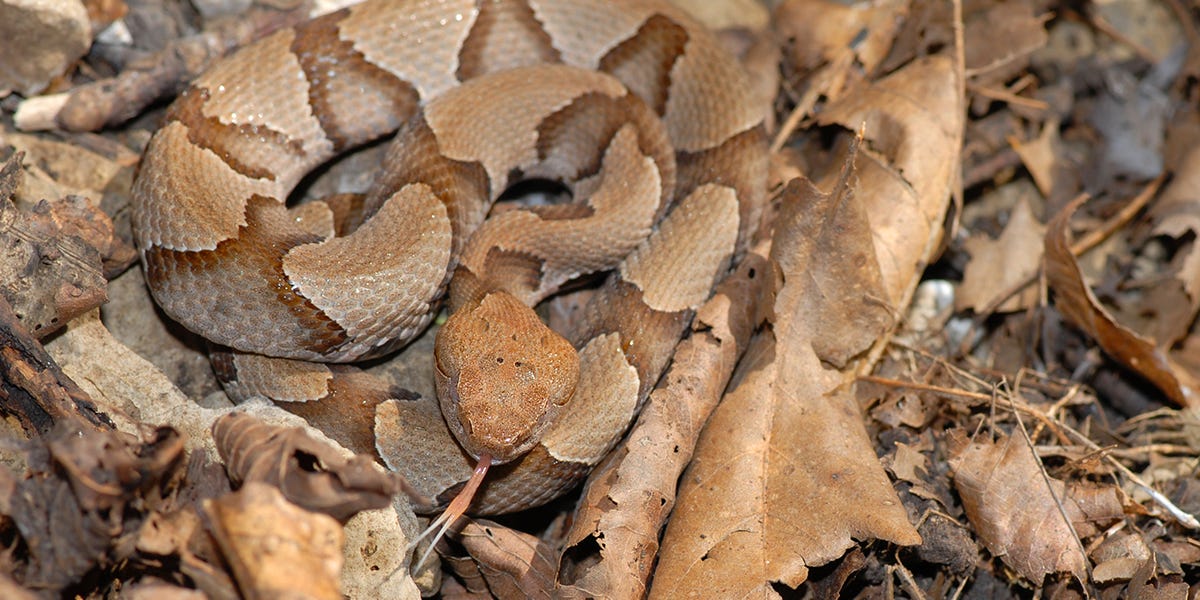
Image Source: www.solutionsstores.com
How To Get Rid Of Copperhead Snakes In My Yard: Safe & Effective Prevention
Can I get rid of copperhead snakes in my yard safely and effectively? Yes, you can get rid of copperhead snakes in your yard safely and effectively by focusing on prevention and humane removal strategies. The most effective approach involves making your yard less attractive to them and, if necessary, employing safe methods for their removal.
Copperhead snakes are a concern for many homeowners, especially those living in areas where these venomous reptiles are common. Their presence can cause anxiety and pose a risk to pets and children. This guide will walk you through how to prevent copperheads from venturing into your yard and what to do if you find one, emphasizing safety and humane practices.
Deciphering Copperhead Behavior and Habitat Preferences
To effectively deter copperheads, it’s crucial to understand what draws them to a particular area. Copperheads, like most snakes, are cold-blooded and seek environments that offer food, water, and shelter.
What Copperheads Look For:
- Food Sources: Their diet primarily consists of small rodents (like mice and voles), amphibians (frogs and toads), and sometimes birds or insects. If your yard is a buffet for these creatures, it will also attract snakes.
- Shelter: Copperheads favor dark, cool, and secluded spots. This includes:
- Tall grass and overgrown vegetation.
- Piles of rocks, logs, or debris.
- Woodpiles.
- Dense ground cover.
- Crawl spaces, basements, and garages.
- Areas around foundations and under decks.
- Warmth: They often bask in sunny areas, especially on rocks or logs, to regulate their body temperature.
Signs of Copperhead Presence:
Before you can implement strategies, it’s helpful to recognize signs that copperheads might be visiting or residing in your yard.
- Shed Skin: Snakes shed their skin periodically. Finding a copperhead’s patterned shed skin can indicate their presence.
- Tracks: In soft soil or mud, you might see their distinctive slithering tracks.
- Direct Sightings: Of course, seeing a copperhead is the most direct sign.
Making Your Yard Less Appealing: Copperhead Prevention Tips
Prevention is key to keeping copperheads away. By modifying your yard’s environment, you can significantly reduce its attractiveness to these snakes.
Habitat Modification for Copperhead Prevention:
-
Yard Maintenance is Crucial:
- Mow Regularly: Keep your lawn mowed short. Tall grass provides excellent cover for snakes and the rodents they prey on.
- Trim Bushes and Shrubs: Keep shrubs and bushes trimmed away from your house foundation. Create a clear buffer zone.
- Clear Debris: Remove any piles of rocks, leaves, woodpiles, old tires, or other debris that could serve as shelter. Store firewood off the ground and away from structures.
-
Securing Your Home:
- Seal Entry Points: Inspect your home’s exterior for any gaps or cracks. Seal holes in foundations, walls, and around utility lines. Pay close attention to basement windows and crawl space entrances.
- Door and Window Seals: Ensure doors and windows have proper seals and sweeps.
-
Addressing Food Sources:
- Rodent Control: Implement effective rodent control measures. This is perhaps the most critical step in controlling copperhead population. If there are no rodents, snakes have less reason to visit.
- Store birdseed in rodent-proof containers.
- Keep garbage cans tightly sealed.
- Clean up fallen fruits and vegetables from trees promptly.
- Consider traps or professional pest control for rodents.
- Rodent Control: Implement effective rodent control measures. This is perhaps the most critical step in controlling copperhead population. If there are no rodents, snakes have less reason to visit.
-
Water Management:
- Eliminate Standing Water: While snakes don’t need much water, they might drink from puddles. Fix leaky outdoor faucets and ensure good drainage to avoid standing water.
Yard Snake Proofing Strategies:
Creating a barrier around your property can also deter snakes.
- Fencing: A snake-proof fence is a significant investment but can be highly effective.
- Material: Use fine-mesh hardware cloth or specialized snake-proofing mesh.
- Height: The fence should be at least 2 to 3 feet tall.
- Angle: The fence should be angled outwards at approximately 30 degrees from the ground to make it difficult for snakes to climb over.
- Burial: Bury the bottom edge of the fence at least 6 inches deep to prevent snakes from burrowing underneath.
- Maintenance: Regularly check the fence for holes or damage.
Exploring Natural Snake Deterrents and Copperhead Repellents
Many homeowners prefer natural or chemical-free methods for snake repellent for yards. While the effectiveness of these methods can vary, some have anecdotal support or scientific backing for specific species.
Natural Snake Deterrents:
-
Certain Plants: While no plant is a guaranteed snake repellent, some are thought to discourage them due to their scent or texture.
- Marigolds: Their scent is often cited.
- Garlic and Onions: The strong odor might be a deterrent.
- Rue: Known for its strong smell.
- Cinnamon and Clove Oil: Some sources suggest mixing these oils with water and spraying around the perimeter.
-
Predator Scents:
- Fox or Coyote Urine: Some people believe the scent of natural predators can make snakes feel unsafe. This needs frequent reapplication, especially after rain.
-
Essential Oils:
- Peppermint Oil, Cinnamon Oil, Clove Oil: These strong scents are sometimes used. Mix a few drops with water and spray around the yard’s edges and entry points. The effectiveness is often temporary and requires repeated application.
Chemical Snake Repellents:
When considering chemical options, proceed with caution, as many are not scientifically proven to be effective and can be harmful to children and pets.
- Sulfur: Historically, sulfur powder was believed to repel snakes.
- Naphthalene (Mothballs): While often sold as a snake repellent, mothballs are generally not effective and are toxic to pets and wildlife. Their use is discouraged by many wildlife agencies.
- Commercial Repellents: A variety of commercial snake repellents are available, often containing essential oils or chemicals. Always research these products thoroughly, check for EPA registration, and follow application instructions precisely. The efficacy of most commercial repellents is debated.
Important Note on Repellents: Many popular snake repellents lack strong scientific evidence of effectiveness against copperheads or other snakes. Prevention through habitat modification is generally considered a more reliable strategy.
Safe Copperhead Removal When Prevention Fails
If you’ve implemented preventative measures and still find a copperhead in your yard, safe and humane removal is paramount.
When to Call a Professional:
- Venomous Snake: Copperheads are venomous. If you are not experienced or comfortable with snake handling, do not attempt to capture or remove it yourself.
- Enclosed Space: If the snake is inside your home, garage, or shed, it’s best to contact a professional.
- Fear or Uncertainty: If you feel unsafe or unsure, always err on the side of caution and call an expert.
Finding a Professional:
- Pest Control Services: Many pest control companies offer wildlife removal services, including snakes.
- Animal Control: Local animal control agencies might offer assistance or provide referrals.
- Wildlife Rehabilitators/Rescuers: These organizations often have experienced handlers and can often assist with humane snake relocation.
DIY Considerations (Proceed with Extreme Caution):
If you are absolutely determined to attempt removal yourself and the snake is in an open, accessible area, consider the following safe copperhead removal practices. This is generally NOT recommended for venomous snakes like copperheads.
- Identify the Snake: Make absolutely sure it is a copperhead before considering any action. Misidentification can be dangerous.
- Never Handle Directly: Use tools that keep you at a safe distance.
- Bucket Method (for non-venomous snakes, but adapted for caution):
- Carefully place a large trash can or sturdy bucket over the snake.
- Slide a stiff piece of cardboard or a thin plank of wood underneath the snake and into the bucket, trapping it.
- Carefully tilt the bucket to secure the snake and transport it.
- Snake Tongs: If you have specialized snake tongs designed for wildlife handling, use them to gently grasp the snake well behind its head.
Important: The goal of any removal should be humane snake relocation to an area far from human habitation where it can survive.
Identifying Copperhead Nests and Safe Handling
Copperheads do not build traditional “nests” in the way birds do. Instead, they seek out secluded, safe locations to lay their eggs or give birth to live young.
Where Copperheads Lay Eggs/Give Birth:
- Underneath Rocks and Logs: Sheltered, damp locations are preferred.
- In Rotting Wood: Decaying stumps or logs can provide suitable warmth and humidity.
- In Piles of Debris: Similar to their preferred shelter, these can also be nesting sites.
- Near Foundations: In secluded, undisturbed corners.
What to Do If You Find a Potential “Nest”:
- Do Not Disturb: If you suspect you have found a copperhead nesting site, do not approach or disturb it. The mother snake will likely be present and defensive.
- Identify the Species: While copperheads are venomous, other non-venomous snakes might use similar locations. Positive identification is key.
- Call a Professional: If you are certain it’s a copperhead nest or are concerned about a snake in proximity to a nest, contact a wildlife removal expert immediately. They can safely assess the situation and manage the snakes.
Identifying Copperhead Nests is more about recognizing preferred egg-laying habitats than a constructed nest.
Utilizing Copperhead Deterrents: A Deeper Dive
While habitat modification is the most reliable method, understanding the nuances of copperhead deterrents can supplement your efforts.
Behavioral Deterrents:
- Minimize Rodent Activity: As mentioned, this is paramount. A yard without its primary food source will be less inviting.
- Reduce Hiding Spots: Continuously maintaining a tidy yard is a form of behavioral deterrence. Snakes won’t linger where they can’t hide.
- Discourage Small Pets from Roaming Freely: While not a direct deterrent, keeping pets supervised can prevent them from attracting snakes or becoming prey.
Environmental Deterrents:
- Gravel or Mulch Barriers: Some people create narrow (6-12 inch) strips of sharp gravel or certain types of mulch around the perimeter of their yard or garden beds. The idea is that the rough texture is uncomfortable for snakes to cross. This is more effective against some species than others and requires meticulous maintenance.
- Water Features: While snakes do drink, large, open water features might not be the primary attractant compared to shelter and food. However, keeping ponds clean and well-maintained can reduce mosquito and frog populations, indirectly affecting the food chain.
Ultrasonic Repellers:
- Limited Scientific Support: These devices emit high-frequency sound waves intended to disturb snakes. Scientific studies on their effectiveness have yielded mixed results, with many concluding they are not a reliable solution for copperhead prevention tips. Snakes may habituate to the sounds, or the sound may not penetrate the ground effectively.
Responsible Snake Management: Beyond Removal
Effective management of copperhead presence in your yard involves a broader approach than just eradication.
Controlling Copperhead Population:
- Ecological Balance: It’s important to remember that snakes play a vital role in the ecosystem, primarily as pest controllers. Controlling copperhead population should focus on reducing their numbers in residential areas rather than outright eradication.
- Educate Yourself and Neighbors: Share information about snake safety and prevention. Educating others can create a community-wide approach to managing snake encounters.
- Respect Wildlife: When you encounter a snake, maintain a safe distance and avoid provoking it. Most snakes are not aggressive unless they feel threatened.
Humane Snake Relocation:
- Why it Matters: Humane snake relocation ensures that the snake is moved safely and ethically. Relocating snakes to areas where they can thrive but are away from human activity is a responsible practice.
- Professional Expertise: Professionals are trained in safe capture and release techniques. They also know suitable habitats for relocation, ensuring the snake’s best chance of survival.
Frequently Asked Questions (FAQ)
-
Q: Will snakes in my yard eat my pets?
A: While copperheads are venomous and can bite pets if threatened, they typically prey on smaller animals like rodents and amphibians. Larger dogs are less likely to be prey, but a bite can still be dangerous. Keeping pets supervised when outdoors is advisable. -
Q: Are there any truly effective snake repellents?
A: The most effective “repellent” is habitat modification. Creating an environment that is unattractive to snakes (no food, no shelter) is the best strategy. While some natural deterrents might have a slight effect, their reliability is often questioned. -
Q: Can I kill a copperhead if I find one?
A: In most areas, it is illegal to kill native wildlife, including snakes, unless there is an immediate threat to life or limb. Even if legal, it’s not the most effective long-term solution and can be dangerous. Focus on prevention and humane removal. -
Q: How far away should I stay from a copperhead?
A: Maintain at least a 10-15 foot distance. Copperheads can strike about one-third to one-half of their body length. Never approach or attempt to handle a copperhead yourself. -
Q: What are the signs of a copperhead bite?
A: Symptoms can vary but often include immediate, severe pain, swelling, bruising, nausea, vomiting, and dizziness. If bitten, remain calm, call emergency services immediately (911 or your local emergency number), and try to keep the bite area below the level of the heart. Do not attempt to cut the wound or suck out venom.
By focusing on diligent yard maintenance, eliminating attractants, and understanding safe removal techniques, you can significantly reduce the likelihood of copperhead encounters and create a safer outdoor environment for your family.