
The ideal Zoysia lawn height for most varieties is between 1 and 2 inches. Maintaining this range ensures a dense, healthy, and aesthetically pleasing turf.
Achieving and maintaining a beautiful Zoysia lawn involves more than just watering and fertilizing. One of the most crucial aspects of Zoysia lawn maintenance is understanding the correct mowing height. This seemingly simple decision significantly impacts your grass’s health, density, and overall appearance. Getting the Zoysia grass mowing height wrong can lead to a weak, patchy, or stressed lawn. This comprehensive guide will delve into everything you need to know about Zoysia turf height, helping you achieve that perfect, lush green carpet.
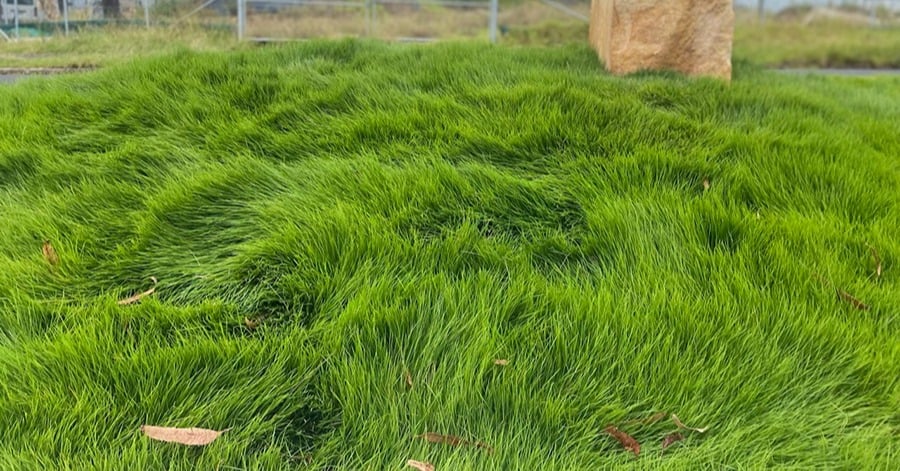
Image Source: info.supersod.com
Why Zoysia Lawn Height Matters
Zoysia grass is a warm-season turfgrass known for its dense, low-maintenance growth habit. However, like all grasses, it has specific needs to thrive. The height at which you mow your Zoysia lawn directly influences several key factors:
- Root Development: Taller grass blades have more surface area to capture sunlight, which fuels photosynthesis. This process creates more energy for the grass plant, leading to stronger root development. Shorter mowing heights can stunt root growth.
- Density and Thatch: The best mowing height for Zoysia promotes a dense turf that can effectively choke out weeds. Mowing too short can reduce density, allowing weeds to establish themselves. Conversely, very tall grass can sometimes lead to excessive thatch buildup.
- Drought Tolerance: A lawn mowed at an appropriate height with a strong root system will be more resilient to drought conditions. Longer blades provide more shade to the soil, reducing moisture evaporation.
- Disease and Pest Resistance: Healthy, vigorous grass is better equipped to fend off diseases and pests. Stress from improper mowing height can make your Zoysia lawn more susceptible.
- Overall Appearance: The final look of your lawn is heavily dependent on mowing height. The goal is a uniform, neat appearance, not scalped patches or overgrown blades.
Determining the Best Mowing Height for Your Zoysia Variety
While a general range exists for Zoysia grass, it’s important to recognize that different Zoysia varieties have slightly different preferences. Knowing your specific Zoysia type can help you fine-tune your mowing approach.
Common Zoysia Varieties and Their Mowing Preferences
- Zoysia japonica: This is one of the most common Zoysia varieties. It tolerates mowing down to 1 inch but generally performs best when maintained between 1.5 to 2 inches. Varieties like ‘Meyer’ Zoysia fall into this category.
- Zoysia tenuifolia: Often called “Korean Velvet Grass,” this variety has a finer texture and forms a very dense mat. It prefers slightly higher mowing heights, typically between 1.5 to 2.5 inches. However, some gardeners opt for lower cuts to achieve a more manicured look, though this requires more careful attention to prevent scalping.
- Zoysia matrella: This variety offers a good balance of texture and durability. It can be mowed as low as 0.5 inches, but for optimal health and density, maintaining it between 1 to 2 inches is recommended.
Factors Influencing Your Zoysia Lawn Height Choice
Beyond the specific variety, several other factors might influence your decision on optimal Zoysia height:
- Climate: In hotter, drier climates, a slightly higher mowing height can help conserve moisture and reduce stress on the grass.
- Sunlight: Lawns in full sun can generally tolerate slightly lower mowing heights than those in partial shade. Grass in shade needs longer blades to maximize sunlight absorption.
- Traffic: High-traffic areas may benefit from a slightly taller mowing height to provide more resilience against foot traffic and wear.
- Desired Appearance: While health is paramount, personal preference plays a role. Some prefer a very tightly mowed look, while others favor a slightly shaggier appearance. Always balance aesthetics with the grass’s health.
The Art of Mowing Zoysia: Techniques and Frequency
Knowing the right height is only part of the equation. The way you mow and how often you do it are equally critical for healthy Zoysia grass care tips.
The One-Third Rule: A Golden Guideline
A fundamental principle in lawn care is the “one-third rule.” This rule states that you should never remove more than one-third of the grass blade in a single mowing. Adhering to this prevents shocking the grass and allows it to recover quickly.
For example, if your target mowing height is 1.5 inches, and your Zoysia is currently 2 inches tall, you would mow off about half an inch. If your grass has grown to 3 inches, and your target is 1.5 inches, you would need to mow it in stages over several days or even a week to avoid removing more than one-third of the blade at a time.
Zoysia Grass Cutting Frequency
The frequency of mowing your Zoysia lawn is dictated by its growth rate, which is influenced by factors like temperature, rainfall, and fertilization. During the peak growing season (typically summer for warm-season grasses like Zoysia), you might need to mow more frequently.
- Active Growth Periods: Expect to mow once every 5-7 days when the grass is actively growing.
- Slower Growth Periods: During cooler periods or dry spells, growth will slow, and you may only need to mow every 10-14 days or even less.
The key is to mow when the grass reaches about one-third taller than your desired mowing height, rather than sticking to a rigid schedule. This ensures you are always following the one-third rule. This proactive approach is a cornerstone of a consistent Zoysia lawn mowing schedule.
How to Mow Zoysia: Best Practices
- Use a Sharp Mower Blade: This is non-negotiable. Dull blades tear grass, creating ragged edges that are susceptible to disease and turn brown. Sharpen your blades at least once or twice a year.
- Choose the Right Mower:
- Reel Mowers: These mowers use a scissor-like action and are excellent for achieving a very clean cut, especially at lower heights. They are ideal for Zoysia varieties that tolerate lower cuts.
- Rotary Mowers: These are more common and versatile. Ensure your rotary mower has sharp blades and is set to the correct Zoysia lawn mower settings.
- Mow in Different Directions: Alternating your mowing pattern each time helps prevent the grass blades from leaning in one direction and can lead to a more uniform appearance.
- Leave Grass Clippings (Mulching): Unless the clippings are excessively long and clumping, it’s beneficial to leave them on the lawn. They decompose and return valuable nutrients to the soil.
- Avoid Mowing Wet Grass: Mowing wet grass can lead to clumping, uneven cuts, and spread diseases. Wait until the grass blades are dry.
- Adjust Mowing Height for Stress Periods: During periods of drought or extreme heat, consider raising your mowing height slightly. This helps shade the soil and reduce stress on the grass.
Mowing Heights: A Comparative Look
To provide a clearer picture, let’s compare the typical mowing heights for Zoysia grass with other common lawn grasses. This helps illustrate why the specific Zoysia grass mowing height is important.
| Grass Type | Ideal Mowing Height (inches) | Notes |
|---|---|---|
| Zoysia | 1 – 2 | Varies slightly by variety; enjoys denser growth at 1.5-2 inches. |
| Kentucky Bluegrass | 2 – 3 | Prefers higher mowing for shade and moisture retention. |
| Fescue (Tall) | 2.5 – 3.5 | Benefits from higher mowing to encourage deeper roots and shade. |
| Bermuda Grass | 0.5 – 1.5 | Can be mowed very short for a golf-course look; requires more frequent mowing. |
| St. Augustine | 2 – 3 | Generally prefers higher cuts. |
| Centipede Grass | 1.5 – 2.5 | Tolerates lower heights but can suffer in high-stress conditions. |
As you can see, Zoysia falls into a mid-range mowing height compared to very low-cut grasses like Bermuda or higher-cut grasses like Fescue. This mid-range height is crucial for its characteristic density and resilience.
Troubleshooting Common Mowing Issues
Even with the best intentions, you might encounter issues. Here’s how to address them:
Scalping
Scalping occurs when you mow too low, removing too much of the grass blade and exposing the soil. This can happen if your mower deck is uneven, you hit a high spot, or you violate the one-third rule.
- Solution: If minor scalping occurs, water the area well and allow it to recover naturally. If it’s severe, you may need to overseed or patch the area. To prevent it, ensure your mower deck is level and always follow the one-third rule. Adjusting your Zoysia lawn mower settings to a higher height temporarily can also help.
Yellowing or Browning Grass
This can be a sign of stress. While several factors can cause this, improper mowing height is a common culprit.
- Cause: Mowing too short stresses the grass, reducing its ability to absorb nutrients and moisture. Dull blades also cause browning along the tips.
- Solution: Immediately adjust your mowing height to the higher end of the recommended range (e.g., 2 inches). Ensure your mower blades are sharp. Check your watering and fertilization schedule as well.
Patchy Lawn
A patchy lawn might indicate that mowing is uneven, or the grass is struggling due to stress from mowing.
- Cause: Uneven mowing height, dull blades, or mowing when the grass is too wet can all contribute to patchiness.
- Solution: Ensure your mower is in good condition with sharp, balanced blades. Mow only when the grass is dry. If patches persist, consider overseeding those areas with Zoysia seed or sod.
Seasonal Considerations for Zoysia Lawn Height
Your Zoysia lawn’s growth rate changes throughout the year, and your mowing practices should adapt accordingly.
Spring: Awakening and Initial Growth
As Zoysia emerges from dormancy, its growth can be slow.
- Mowing Height: Start mowing at your preferred target height once the grass shows consistent green growth. It’s generally best to start slightly higher (around 1.5-2 inches) to encourage healthy establishment and density.
- Frequency: Mowing frequency will be low initially, increasing as temperatures rise.
Summer: Peak Growing Season
This is when Zoysia is most active.
- Mowing Height: Maintain your chosen optimal Zoysia height (1-2 inches). In periods of extreme heat or drought, consider raising the height by an extra half-inch to provide more shade and stress reduction.
- Frequency: You’ll likely be mowing weekly or even more often if conditions are ideal. Stick to the one-third rule religiously.
Fall: Preparing for Dormancy
As temperatures cool, Zoysia’s growth slows down.
- Mowing Height: Continue mowing at your regular height. Some experts suggest leaving the grass slightly taller (e.g., 2 inches) as it heads into dormancy to provide winter protection.
- Frequency: Mowing frequency will decrease significantly. Mow only as needed until growth stops.
Winter: Dormancy
Zoysia grass goes dormant in cooler temperatures, turning brown.
- Mowing: No mowing is necessary during dormancy.
Maintaining Your Mower for Optimal Zoysia Care
The best Zoysia grass care tips include keeping your equipment in top condition.
Blade Sharpening and Balancing
- Frequency: Sharpen blades at least twice per year, or more if you mow frequently or encounter debris.
- Balancing: After sharpening, blades must be balanced. An unbalanced blade causes vibration, which can damage your mower and lead to uneven cuts on your lawn.
Deck Leveling
- Importance: An uneven mower deck will result in an uneven cut, leading to scalping in some areas and leaving grass too long in others.
- Check: Consult your mower’s manual for instructions on checking and adjusting deck leveling. This often involves adjusting the anti-scalp wheels or deck hangers.
Cleanliness
- Deck: Regularly clean grass clippings and debris from under the mower deck. Caked-on grass can restrict airflow, leading to poor cut quality and potential overheating of the engine.
- Engine: Keep the engine air filter clean and the cooling fins free of debris.
Frequently Asked Questions About Zoysia Lawn Height
Here are answers to some common questions:
Q: Can I mow my Zoysia lawn shorter than 1 inch?
A: While some Zoysia varieties can be mowed as low as 0.5 inches, doing so consistently is challenging and stressful for the grass. It requires more frequent mowing, meticulous attention to the one-third rule, and often specialized equipment. For most homeowners, maintaining a height between 1 and 2 inches is recommended for a healthier, more resilient lawn.
Q: My Zoysia lawn looks brown. Is it due to mowing height?
A: Browning can be caused by many factors, including drought, disease, insect infestation, or nutrient deficiencies. However, mowing too short can certainly stress the grass and contribute to browning, especially during hot weather. Check your watering, fertilization, and for any signs of pests or disease. If you suspect mowing is the issue, raise your mowing height immediately.
Q: How often should I change my mowing pattern?
A: It’s good practice to change your mowing pattern (e.g., horizontal, vertical, diagonal) with each mowing session. This helps prevent the grass blades from developing a lean and promotes a more uniform, upright growth.
Q: Is it okay to let my Zoysia grow a bit taller before mowing?
A: Yes, it’s generally better to let the grass grow a little longer than to cut it too short. As long as you are adhering to the one-third rule when you do mow, a slightly taller lawn will be healthier and more resilient. For example, if your target height is 1.5 inches, letting it grow to 2 inches before mowing is perfectly fine.
Q: What are the best Zoysia lawn mower settings for a reel mower?
A: For reel mowers, the focus is on ensuring the reel and the bedknife are properly adjusted for a clean scissor cut. The height adjustment is then set to achieve your desired Zoysia turf height, typically between 1 and 2 inches. Consult your reel mower’s manual for specific adjustment procedures.
By paying close attention to the ideal Zoysia grass mowing height, implementing proper Zoysia lawn maintenance techniques, and understanding your Zoysia grass cutting frequency, you can cultivate a stunningly healthy and attractive Zoysia lawn. Remember, consistency and observation are key to successful Zoysia grass care tips and achieving that perfect optimal Zoysia height.