
Can you dissolve dog poop in your yard? Yes, you can dissolve dog poop in your yard using specific methods and products designed for safe and effective waste management.
Managing pet waste is a crucial aspect of responsible dog ownership and maintaining a healthy yard. Dog poop left on the lawn can not only be unsightly and smelly but also harbors bacteria and parasites that can pose risks to humans and other animals. Fortunately, there are several ways to tackle this common problem, moving beyond simple scooping to more advanced pet waste solutions. This guide delves into methods for dissolving dog poop safely, ensuring your yard remains a clean and pleasant space. We’ll explore various approaches, from understanding the biology of waste decomposition to utilizing specialized products like poop digesters and enzymatic cleaners.
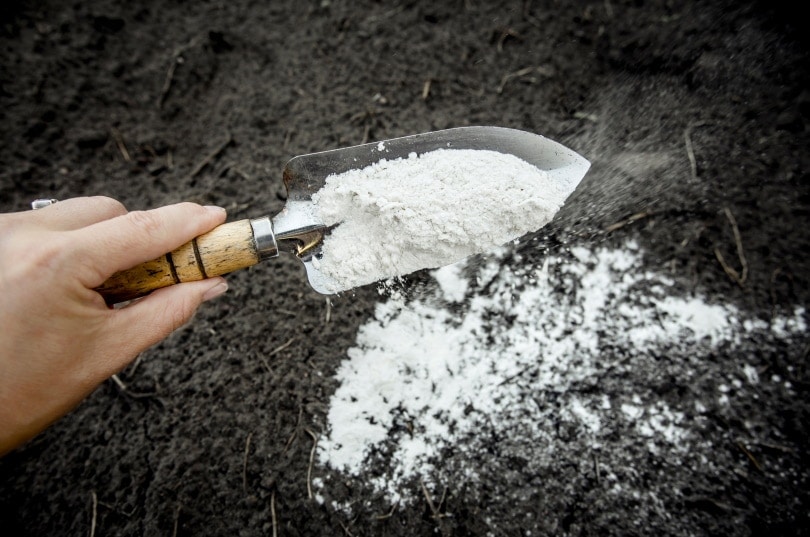
Image Source: www.hepper.com
The Importance of Proper Dog Waste Removal
Regular dog waste removal is more than just an aesthetic concern; it’s a public health and environmental necessity. Leaving dog feces on the ground can lead to:
- Health Risks: Dog waste can contain harmful bacteria like E. coli and Salmonella, as well as parasites such as roundworms and hookworms. These can spread to humans, especially children playing in the yard, and to other pets.
- Water Contamination: Rain can wash dog waste into storm drains, rivers, and lakes, polluting waterways and contributing to the spread of disease.
- Yard Degradation: While often seen as fertilizer, dog waste is too concentrated in nitrogen and phosphorus. It can burn your grass, leaving brown patches.
- Odor Issues: Unremoved waste contributes to unpleasant yard odor control problems, making your outdoor space less enjoyable.
Why Consider Dissolving Dog Poop?
While manual scooping is the most common method for dog waste removal, dissolving can offer a more thorough approach, particularly for very small amounts or in specific situations. It’s important to distinguish dissolving from simply burying. Burying without treatment can still lead to environmental issues. Dissolving aims to break down the waste into its basic components, often utilizing natural processes or specialized treatments. This approach can be part of a comprehensive outdoor sanitation strategy.
Methods for Dissolving Dog Poop
When we talk about dissolving dog poop, we are generally referring to accelerating the natural decomposition process. This can be achieved through biological agents or specific chemical reactions that break down the organic matter.
1. Utilizing Poop Digesters and Enzymes
Poop digesters are specially formulated products designed to break down dog waste. These often contain a blend of beneficial bacteria and enzymes that target the organic compounds in feces.
How Poop Digesters Work:
- Enzymatic Action: Enzymes are biological catalysts that speed up chemical reactions. In poop digesters, specific enzymes break down proteins, fats, and carbohydrates in the dog waste into simpler molecules.
- Bacterial Breakdown: Many digesters also include live bacteria cultures. These bacteria consume the broken-down organic matter, further reducing its volume and odor.
- Odor Control: As the waste is broken down, the process neutralizes the compounds that cause unpleasant smells, contributing to better yard odor control.
Application of Poop Digesters:
- Sprinkle Directly: For small, isolated incidents, you can sprinkle a portion of the poop digester directly onto the fresh waste.
- Mix with Water: Some products recommend mixing the digester with water and applying it to the affected area.
- Follow Product Instructions: It’s crucial to read and follow the manufacturer’s instructions carefully, as the concentration and application method can vary significantly between products.
Benefits of Poop Digesters:
- Reduces Waste Volume: Over time, the waste breaks down significantly.
- Helps Control Odor: Neutralizes the smells associated with dog waste.
- Environmentally Friendly: Most are designed to be biodegradable waste solutions, using natural processes.
Considerations:
- Effectiveness Varies: Results can depend on the size of the waste, its freshness, temperature, and moisture levels.
- Not an Instant Solution: Dissolving takes time; it’s not an immediate disappearance.
- Cost: While effective, these products represent an ongoing expense.
2. The “Digester Tank” Approach
A more involved method is the use of a dedicated dog waste digester tank. These are small, underground or above-ground units where dog waste is deposited.
How Digester Tanks Work:
- Sealed Environment: The tank creates a controlled environment that promotes rapid decomposition.
- Anaerobic or Aerobic Digestion: Depending on the design, the tank can facilitate anaerobic (without oxygen) or aerobic (with oxygen) digestion. Aerobic digestion often uses specialized bacteria and can be faster and produce fewer odors.
- Waste Accumulation: You deposit dog waste directly into the tank. Over time, the waste breaks down into liquid effluent and a small amount of inert residue.
Installation and Use:
- Placement: Choose a location in your yard that is easy to access but not a high-traffic area.
- Initial Setup: Often involves adding water and a starter culture of bacteria.
- Regular Deposits: Continue to deposit dog waste as it occurs.
- Maintenance: Some tanks may require occasional flushing or addition of starter cultures.
Benefits:
- Keeps Yard Clean: Eliminates visible waste.
- Effective Odor Control: Properly functioning tanks minimize odors.
- Reduces Bulk: Breaks down waste significantly.
- Sustainable Pet Waste Solutions: A good option for larger dog households.
Considerations:
- Initial Investment: Tanks can be more expensive upfront.
- Installation: May require some digging.
- Capacity: Needs to be sized appropriately for your dog(s).
- Environmental Regulations: Check local regulations regarding waste disposal systems.
3. Natural Decomposition (with a Boost)
While dog waste will naturally decompose, you can speed up the process and make it safer.
Composting Dog Waste (Specific Guidelines):
- Caution: Not all dog waste is suitable for composting. If your dog has parasites or is on medication, composting may not be safe for use on food gardens.
- Hot Composting: To effectively kill pathogens, dog waste needs to be composted at very high temperatures (140-160°F or 60-70°C) for an extended period. This is known as “hot composting” and requires a well-managed compost pile.
- Dedicated Bin: Use a separate, sealed compost bin specifically for pet waste. Do not mix it with kitchen scraps or yard waste intended for edible plants.
- Turning and Moisture: Regular turning and maintaining the correct moisture balance are crucial for achieving the necessary temperatures.
- Slow Process: Even with hot composting, it can take many months for the waste to fully break down.
Using Baking Soda or Other Natural Agents:
- Baking Soda: While baking soda can help neutralize odors, it doesn’t actively “dissolve” the waste in a significant way. It can be sprinkled on fresh waste to absorb some moisture and reduce smell.
- Vinegar: Diluted vinegar can help break down some organic matter and also has deodorizing properties. However, using too much can harm grass.
- Limitations: These are generally minor aids rather than primary dissolving methods. They are more for temporary odor control.
4. Enzymatic Cleaners for Residue
Enzymatic cleaners are particularly useful for cleaning up any lingering residue after the solid waste has been removed. While they don’t dissolve the solid mass itself, they are excellent for breaking down organic stains and odors.
How Enzymatic Cleaners Work:
- Targeted Enzymes: These cleaners contain specific enzymes that are designed to target and break down organic molecules found in pet waste, such as proteins, fats, and carbohydrates.
- Eliminating Odors: By breaking down the odor-causing compounds at their source, enzymatic cleaners provide effective yard odor control.
- Biodegradable Waste Treatment: They offer a way to treat residual organic matter naturally.
Application:
- After Scooping: After you have scooped up the solid waste, spray the area where the waste was located with an enzymatic cleaner.
- Moistening: The enzymes need moisture to activate, so the area should be slightly damp or the cleaner should be applied generously.
- Allow to Sit: Let the cleaner work for the recommended time before rinsing or allowing rain to wash it away.
Benefits:
- Thorough Cleaning: Removes invisible residue that can cause odors and attract pests.
- Safe for Lawns: Generally safe for grass and plants when used as directed.
- Reduces Stains: Can help lift residual stains.
Choosing the Right Pet Waste Solution
The best approach for dissolving dog poop in your yard depends on several factors, including the size of your yard, the number of dogs, your budget, and how much effort you’re willing to put in.
Factors to Consider:
- Number of Dogs: More dogs mean more waste, potentially requiring a more robust solution like a digester tank.
- Yard Size: A smaller yard might be managed with occasional use of poop digesters, while larger areas might benefit from a system.
- Budget: Poop digesters and tanks have recurring or upfront costs.
- Time Commitment: Manual scooping is time-consuming, but setting up and maintaining a digester tank also requires effort.
- Environmental Impact: All methods aim to reduce the negative impact of dog waste, but some are more efficient than others.
- Local Climate: Temperature and moisture affect how quickly decomposition occurs.
Comparison of Methods:
| Method | Pros | Cons | Best For |
|---|---|---|---|
| Poop Digesters (Powder/Liquid) | Easy to use, portable, helps with odor control, biodegradable waste. | Not an instant solution, effectiveness varies, ongoing cost. | Households with 1-2 dogs, small to medium yards, users wanting a simpler alternative to just scooping. |
| Digester Tank | Effective waste reduction, good odor control, keeps yard visually clean. | Higher upfront cost, installation required, limited capacity per tank. | Households with multiple dogs, larger yards, users seeking a more permanent and integrated solution. |
| Composting (Hot) | Can create usable compost (with extreme caution), environmentally sound. | Difficult to achieve high temperatures safely, time-consuming, pathogen risk. | Dedicated composters with knowledge of hot composting and strict safety protocols for pet waste. |
| Enzymatic Cleaners | Excellent for residue and odor, safe for lawns, natural cleaning. | Does not dissolve solid waste, best used after physical removal. | All dog owners as a supplementary cleaning and odor control measure. |
Important Safety and Environmental Tips
Regardless of the method you choose, it’s essential to prioritize safety and environmental responsibility.
What to Avoid:
- Using Harsh Chemicals: Avoid using bleach, ammonia, or strong disinfectants, as these can harm your lawn, soil, and local wildlife.
- Over-Application: Using too much product or depositing too much waste in one area can be counterproductive.
- Disposing in Storm Drains: Never rinse dog waste directly into storm drains.
- Composting Unsafely: Do not compost dog waste for use on edible plants unless you can guarantee pathogen kill through hot composting.
Best Practices for Outdoor Sanitation:
- Frequent Removal: Even if you’re using a dissolving method, prompt removal from highly trafficked areas is best.
- Hydration: Ensure any enzymatic cleaner or poop digester is applied to moist waste for optimal activation.
- Regular Yard Maintenance: Aerating your lawn and maintaining healthy soil can help with natural decomposition processes.
- Educate Yourself: Stay informed about the best pet owner advice for waste management in your area.
FAQs About Dissolving Dog Poop
Q1: Can I just bury dog poop to make it disappear?
A1: Burying dog poop can help it decompose, but it’s not a foolproof method for complete dissolution or immediate disappearance. If not buried deep enough, it can still be unearthed by scavengers or weather. More importantly, buried waste can still leach harmful bacteria and nutrients into the soil and groundwater, impacting your lawn and local water systems. For safe disposal, using a dedicated dog waste digester tank or a proper composting method is more effective.
Q2: Are poop digesters safe for my lawn?
A2: Most commercially available poop digesters are formulated with beneficial bacteria and enzymes that are safe for lawns and gardens. They are designed to break down organic matter. However, it’s always wise to read the product label and test on a small, inconspicuous area if you have concerns about your specific lawn type.
Q3: How long does it take for dog poop to dissolve?
A3: The time it takes for dog poop to dissolve varies greatly depending on the method used, temperature, moisture, and the specific product. Natural decomposition can take weeks or months. Poop digesters can significantly speed this up, breaking down waste over days or weeks, while digester tanks can process waste continuously.
Q4: Can I use dog poop as fertilizer directly?
A4: It’s generally not recommended to use fresh dog poop directly as fertilizer on your lawn or in your garden, especially for edible plants. Dog waste is too concentrated in nitrogen and phosphorus, which can burn grass. More importantly, it contains harmful pathogens and parasites that can survive in the soil and be transmitted to humans or other animals. Proper composting at high temperatures is necessary to neutralize these risks.
Q5: What is the best way to control dog poop odor in my yard?
A5: The most effective way to control dog poop odor is through consistent and thorough removal. For lingering odors, enzymatic cleaners are excellent as they break down odor-causing molecules. Using poop digesters or a digester tank also contributes to yard odor control by breaking down the waste itself, thus reducing the source of the smell.
Q6: Are there natural poop removers that actually dissolve waste?
A6: While many “natural” products claim to remove poop, “dissolving” typically involves breaking down the organic matter through biological or chemical processes. Poop digesters that use enzymes and beneficial bacteria are the closest to natural poop removers that also work to break down waste. Baking soda and vinegar can help neutralize odors but don’t significantly dissolve the mass.
By implementing these strategies and choosing the pet waste solutions that best fit your needs, you can effectively manage dog waste, maintain a clean and healthy yard, and contribute to a more pleasant environment for everyone. Remember that consistent effort is key to successful dog waste removal and yard sanitation.