
Do you wake up to find your precious plants riddled with holes, slimy trails glistening on leaves, and a general sense of garden devastation? You’re likely dealing with a slug infestation. Slugs are a common problem for gardeners, especially in damp conditions, and they can turn a flourishing garden into a buffet for these nocturnal mollusks. But why are they in your yard, and more importantly, what can you do about it?
Slugs are in your yard because your garden provides them with everything they need: food, shelter, and moisture. They are drawn to lush, tender greenery and thrive in environments with consistent dampness. This means that if you have a garden, especially one with moist soil, plenty of plant cover, and organic matter, you are an attractive destination for slugs.
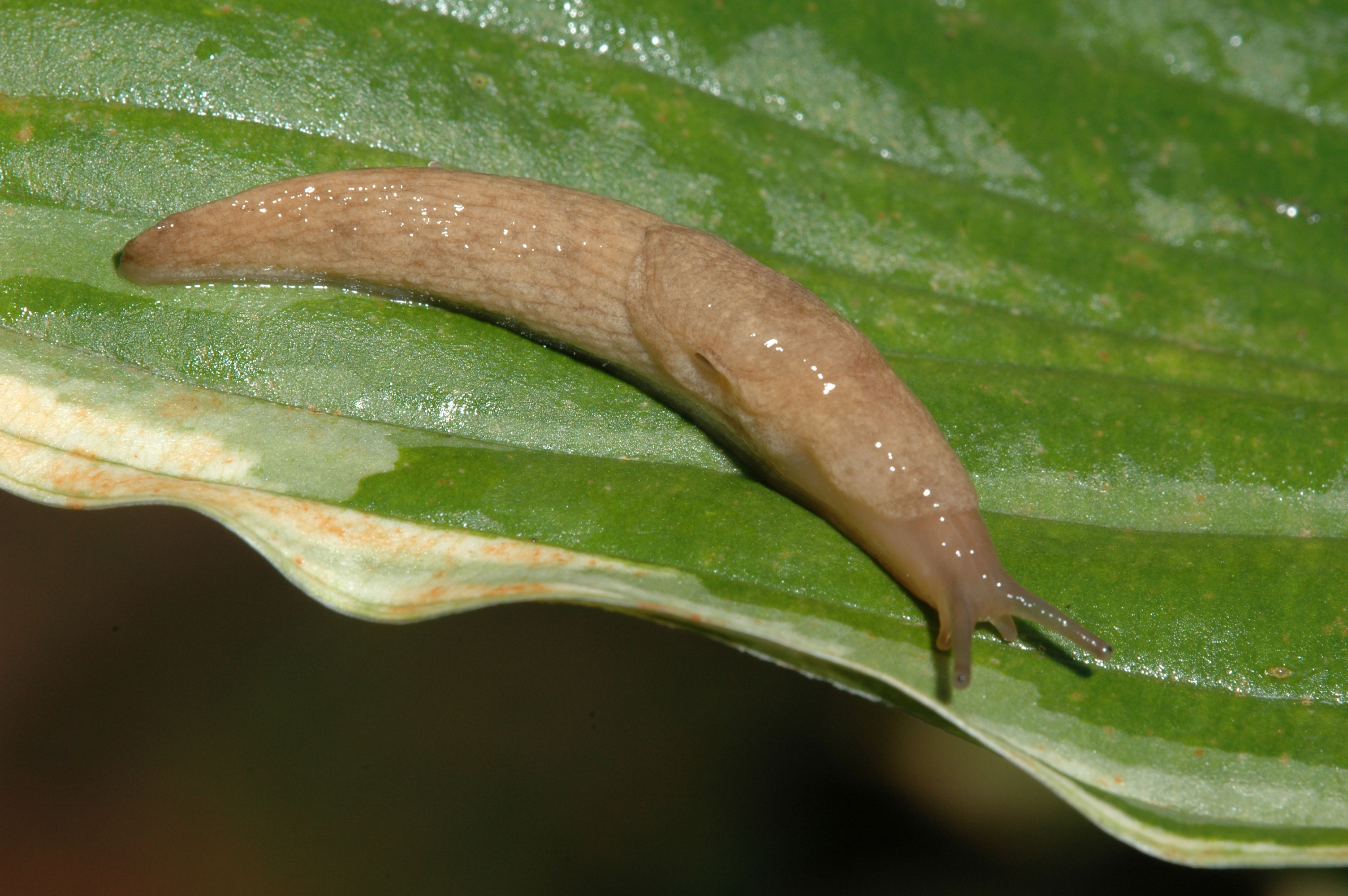
Image Source: extension.umn.edu
Deciphering the Slug Situation: Why Your Garden is a Hotspot
Slugs, those soft-bodied, shell-less gastropods, are more than just an annoyance; they are formidable garden predators, capable of significant slug damage to plants. Their presence is a direct indicator that your yard’s ecosystem is supporting their needs. Let’s delve into the primary reasons you’re likely seeing these slimy visitors.
The Allure of Moisture and Shade
Slugs are creatures of comfort, and their comfort zone is decidedly damp and cool. They cannot survive prolonged exposure to dry conditions or direct sunlight, as their bodies will desiccate.
- Damp Soil: Areas with consistently moist soil, perhaps due to overwatering, poor drainage, or frequent rainfall, create ideal conditions for slugs. They spend their days burrowed in the soil or hidden in cool, dark places.
- Shady Areas: Gardens with dense foliage, overgrown plants, or structures that cast deep shade offer refuge from the sun and retain moisture, making them prime slug real estate.
- Mulch and Ground Cover: While beneficial for soil health, thick layers of mulch (wood chips, straw, leaves) and dense ground cover can become highways and hideouts for slugs, providing protection from predators and the elements.
The Feast is Ready: Food Sources for Slugs
Your garden is a smorgasbord for slugs. They are not picky eaters and will consume a wide variety of plant matter, from tender seedlings to mature leaves and even decaying organic material.
- Young Plants and Seedlings: Tender new growth is particularly vulnerable. Slugs can decimate a patch of seedlings overnight, leaving behind only chewed stems.
- Leafy Greens: Vegetables like lettuce, spinach, kale, and hostas are favorites.
- Fruits and Vegetables: Ripe strawberries, tomatoes, and even pumpkins can be targeted by slugs, especially at ground level.
- Algae and Fungi: In addition to live plants, slugs also feed on algae and fungi that grow in damp areas.
Uninvited Guests: How Slugs Arrive
Slugs can hitchhike their way into your garden through various means.
- Transplants: Slugs or their eggs can be present on nursery plants purchased from garden centers.
- Compost: If your compost isn’t managed properly or is brought in from external sources, it can introduce slugs.
- Wind and Rain: Strong winds and heavy rains can sometimes wash slugs or their eggs into new areas.
Identifying the Culprits: Different Types of Garden Slugs
While the general appearance of slugs is similar, recognizing the specific types in your garden can sometimes inform your garden pest control strategy. The most common culprits are:
The Grey Field Slug (Deroceras reticulatum)
- Appearance: Typically greyish-brown, but can vary in color from yellowish to dark brown. They have a slightly granular skin and a prominent breathing pore (pneumostome) on the right side of their mantle.
- Habitat: Found in gardens, fields, and lawns. They are highly mobile and can cover significant distances.
- Damage: Feeds on a wide range of plants, with a preference for young leaves and seedlings.
The Black or Garden Slug (Arion ater/Arion rufus)
- Appearance: These slugs are larger and can be entirely black, dark brown, or even reddish-brown. They have a distinctive sticky slime that can be very difficult to remove. When disturbed, they often contract into a more compact, rounded shape.
- Habitat: Prefer moist, sheltered environments, often found under rocks, logs, and dense vegetation.
- Damage: Known for their voracious appetite and can cause substantial damage to vegetables, fruits, and ornamental plants.
The Leopard Slug (Limax maximus)
- Appearance: Recognizable by its distinctive mottled or spotted pattern, usually grey or yellowish with black spots or stripes. It’s one of the larger slug species.
- Habitat: Often found in more established gardens, under paving stones, in compost heaps, and in greenhouses.
- Damage: While they do eat plants, leopard slugs are also carnivorous and will eat other slugs and snails, making them somewhat beneficial in a balanced ecosystem. However, they can still inflict damage on plants, especially seedlings.
Fathoming the Damage: Recognizing Slug Damage to Plants
Spotting slugs themselves can be tricky due to their nocturnal habits, but their feeding patterns are unmistakable. Recognizing the signs is crucial for effective slug control.
Characteristic Feeding Signs:
- Irregular Holes in Leaves: This is the most common sign. Slugs chew irregular, jagged holes in leaves, often starting from the edge. Unlike caterpillars, they don’t leave behind frass (droppings) within the chewed areas.
- Silver Trails: The shiny, slimy trails left behind by slugs are a definitive indicator of their presence. These trails are composed of mucus that helps them move and retain moisture. They are often visible on leaves, stems, and the soil surface, especially in the morning.
- Holes in Fruits and Vegetables: Ripe fruits like strawberries and tomatoes are particularly susceptible. Slugs can bore holes directly into the flesh of the fruit.
- Stem Damage: Young, tender stems of seedlings can be completely severed or gnawed down to the ground.
- Root Damage (Less Common): In some cases, slugs may also feed on roots or bulbs, especially in very damp soil conditions.
Vulnerable Plants: Who Gets Targeted Most?
Certain plants are more attractive to slugs than others due to their leaf texture, moisture content, and tenderness.
- Hostas: Famous for their large, tender leaves, hostas are a slug’s paradise.
- Lettuce and other Leafy Greens: The broad, moist leaves of lettuce, spinach, kale, and chard are highly palatable.
- Seedlings and Young Plants: Tender sprouts and young transplants are extremely vulnerable due to their delicate tissues.
- Strawberries: The ripening fruit is a prime target.
- Tomatoes: Both the leaves and ripening fruit can be eaten.
- Herbs: Soft-leaved herbs like basil and mint can also suffer damage.
- Young Flowering Plants: Many flowering plants, especially those with softer petals and leaves, can be chewed.
Strategies for Getting Rid of Slugs: Expert Tips for Garden Pest Control
Addressing a slug infestation requires a multi-pronged approach. Effective slug remedies combine prevention, manual removal, and targeted control methods.
1. Cultural Controls: Modifying the Environment
The best long-term strategy for controlling garden slugs is to make your garden less hospitable to them.
Improving Drainage and Reducing Moisture
- Avoid Overwatering: Water your garden in the morning so that surfaces can dry out during the day.
- Improve Soil Drainage: Amend heavy clay soils with compost or organic matter to improve aeration and drainage. Consider raised beds for better drainage.
- Remove Debris: Clear away fallen leaves, weeds, and other plant debris, especially around the base of plants. These provide daytime shelter for slugs.
- Thin Out Dense Plantings: Allow for better air circulation between plants. Overcrowding can create microclimates that slugs love.
Mulch Management
- Choose Less Attractive Mulches: While beneficial, some mulches are more slug-friendly than others. Avoid thick layers of soft, organic mulches like straw or shredded leaves directly around vulnerable plants.
- Create Slug-Free Zones: Consider using coarser mulches like gravel, crushed shells, or diatomaceous earth around the base of plants.
2. Manual Removal: The Hands-On Approach
This is an effective, albeit time-consuming, method, especially for smaller gardens or when dealing with a low-to-moderate slug population.
- Nighttime Patrols: Slugs are most active at night, especially after rain or in the early morning. Armed with a flashlight and a bucket of soapy water, go on nightly patrols to collect them.
- Morning Collection: Check under leaves, rocks, and planters in the early morning before the sun gets too hot.
- Drowning: A simple method is to drop collected slugs into a bucket of soapy water, which will kill them.
3. Barriers: Creating Impassable Walls
Physical barriers can prevent slugs from reaching your plants.
- Copper Tape/Wire: Copper reacts with slug slime, giving them a mild electric shock that deters them. Apply copper tape around the rims of pots or raised beds. For larger areas, copper wire can be strung along fences or borders. The effectiveness can decrease if the copper becomes oxidized and covered in slime.
- Diatomaceous Earth (DE): This is a natural powder made from fossilized aquatic organisms. It has sharp edges that damage the slugs’ soft bodies, causing them to dehydrate. Apply a ring of food-grade DE around plants or beds. Reapply after rain, as it loses its effectiveness when wet.
- Eggshells: Crushed eggshells create a sharp, uncomfortable barrier for slugs. Spread them around plants.
- Sand or Gravel: Coarse grit can also deter slugs, though it may be less effective than DE or eggshells.
- Wool Pellets: These are gaining popularity as a slug deterrent. When wet, they expand and create a sticky, fibrous barrier that slugs find difficult to cross.
4. Trapping: Luring Them In
Various traps can be used to capture and kill slugs.
- Beer Traps: This is a classic and often effective method. Bury shallow containers (like yogurt cups or tuna cans) so their rims are level with the soil. Fill them about two-thirds full with beer. Slugs are attracted to the yeast in the beer, crawl in, and drown. You’ll need to refresh the beer regularly, especially after rain.
- Citrus Peel Traps: Place grapefruit or orange halves cut-side down in the garden. Slugs will congregate underneath seeking shelter. Check them in the morning and dispose of the slugs.
- Board or Tile Traps: Lay damp boards, tiles, or shingles in shady areas of the garden. Slugs will seek refuge underneath during the day. Lift them up in the morning for collection.
5. Biological Controls: Natural Predators
Encouraging natural predators can help keep slug populations in check.
- Birds: Many bird species, like thrushes and blackbirds, will eat slugs.
- Hedgehogs: These mammals are excellent slug predators.
- Ground Beetles and Rove Beetles: These beneficial insects are active hunters of slugs and their eggs.
- Toads and Frogs: Amphibians are also keen slug eaters.
- Encouraging Wildlife: Provide habitats like log piles, stone walls, or dense ground cover away from your prized plants to encourage these natural predators.
6. Organic and Low-Impact Treatments
When other methods aren’t enough, consider these options for slug prevention and control.
- Iron Phosphate Baits: These are considered one of the safest and most effective slug baits for home gardens. They are toxic to slugs but generally harmless to pets and wildlife when used according to label instructions. Slugs eat the bait, stop feeding, and retreat to die. Look for products containing iron phosphate.
- Nematodes: Specific species of entomopathogenic nematodes (e.g., Phasmarhabditis hermaphrodita) are microscopic worms that parasitize slugs. They are applied to the soil in water and are most effective when the soil is moist and at a moderate temperature. They are safe for pets, children, and beneficial insects.
7. Chemical Controls (Use with Caution)
Chemical slug baits containing metaldehyde are highly effective but also toxic to pets, children, and wildlife.
- Metaldehyde Baits: These are readily available but should be used with extreme caution. If you have pets or children, it’s best to avoid them or use them only in very contained areas where access is restricted.
- Application: Always follow label instructions precisely regarding application rates and safety precautions.
Slug Prevention: Proactive Measures for a Healthy Garden
The key to managing common garden pests like slugs lies in consistent slug prevention. By implementing these practices, you can significantly reduce the likelihood of a major infestation.
Regular Garden Maintenance
- Weeding: Keep your garden free of weeds, as they can provide shelter and alternative food sources for slugs.
- Sanitation: Remove dead or diseased plant material promptly.
- Crop Rotation: While less critical for slugs than for some other pests, rotating planting locations can help disrupt pest cycles.
Attracting Natural Predators
As mentioned, encouraging wildlife that preys on slugs is a sustainable garden pest control method.
- Bird Baths and Feeders: Provide water sources and supplementary food for birds.
- Shelter for Hedgehogs: Leave small gaps in fences or create log piles.
- Avoid Broad-Spectrum Pesticides: These kill beneficial insects and other predators that could help control slug populations.
Understanding Your Soil
- Good Drainage: Consistently moist soil is a slug’s best friend. Ensure your soil drains well.
- Soil Aeration: Compacted soil can hold more moisture and make it easier for slugs to burrow.
Planting Choices
- Deer and Rabbit Resistant Plants: Often, plants that are resistant to deer and rabbits are also less appealing to slugs due to their texture or scent.
- Hardier Plants: Consider planting varieties known for their toughness and resistance to slug damage.
Seasonal Considerations for Slug Control
Slugs are most active during warmer, wetter periods, typically spring and autumn.
Spring
- Seedling Protection: This is a critical time. Young seedlings are highly vulnerable. Use barriers and traps diligently.
- Soil Warming: As the soil warms, slugs become more active. Start your control measures early.
Summer
- Drier Periods: Summer may bring drier spells, reducing slug activity. However, after summer rains, populations can rebound.
- Watering Practices: Be mindful of how and when you water to avoid creating consistently damp conditions.
Autumn
- Egg Laying: This is when adult slugs lay their eggs, often in moist soil, under logs, or in compost piles. Clearing debris and breaking up soil can help destroy egg clusters.
- Continued Activity: Cooler temperatures and increased rainfall make autumn prime time for slug feeding.
Frequently Asked Questions About Slugs in the Garden
What do slugs eat besides plants?
Slugs are primarily herbivores, feeding on a wide range of plant material. However, they are also known to consume algae, fungi, and decaying organic matter. Some species, like the Leopard Slug, are carnivorous and will eat other slugs and their eggs, making them somewhat beneficial.
Are slugs harmful to humans or pets?
Slugs themselves are not directly harmful to humans or pets. However, some slug baits, particularly those containing metaldehyde, are highly toxic and can be dangerous if ingested by pets or children. Always read and follow product labels carefully, and opt for pet-safe alternatives like iron phosphate baits or biological controls whenever possible.
Can I get rid of slugs permanently?
It is very difficult to achieve permanent eradication of slugs from a garden. They are naturally occurring organisms, and as long as your garden provides the conditions they need (moisture, food, shelter), they will likely find a way to return. The goal of garden pest control is therefore to manage their populations to acceptable levels and minimize slug damage to plants.
When is the best time to apply slug bait?
Slug baits are most effective when applied in the late afternoon or early evening, just before slugs typically emerge to feed. Ensure the area is free of excessive moisture, as rain can wash away the bait or reduce its effectiveness. Always follow the specific instructions on the bait packaging.
How do I know if I have a slug problem or another pest?
The hallmark signs of slug damage are the irregular holes in leaves and the distinctive silvery slime trails they leave behind. If you see these, it’s almost certainly slugs. Other pests like caterpillars might leave behind frass (droppings) or create webbing. Leaf miners create winding tunnels within leaves. Carefully observing the damage and looking for slime trails will help you identify the culprit.
Can I use salt to get rid of slugs?
While salt can kill slugs by drawing moisture out of their bodies, it is strongly discouraged for garden use. Salt is detrimental to soil health, can harm beneficial soil microbes, and can damage plant roots. It’s not a sustainable or environmentally friendly slug remedy.
Conclusion: A Managed Garden is a Healthy Garden
Encountering slugs in your garden is a common challenge, but with the right knowledge and a consistent approach to garden pest control, you can effectively manage these voracious mollusks. By understanding what attracts slugs to your yard and implementing a combination of cultural controls, barriers, traps, and targeted treatments, you can protect your plants from slug damage to plants and maintain a thriving garden. Remember that slug prevention is key, and a healthy, balanced garden ecosystem is your best defense against all common garden pests. Happy gardening!