
Why do I have ant hills in my lawn? You have ant hills in your lawn because ants are building nests. These ant mounds are visible signs of their underground ant colonies. The presence of ant hills often signals a thriving insect population in your yard, and for homeowners, this can be a common concern related to lawn care and pest control.
This guide is your homeowner’s guide to understanding why these small mounds appear and what you can do about them. We’ll explore the reasons behind their construction, the types of ants you might encounter, and practical solutions for managing backyard ants and garden ants.
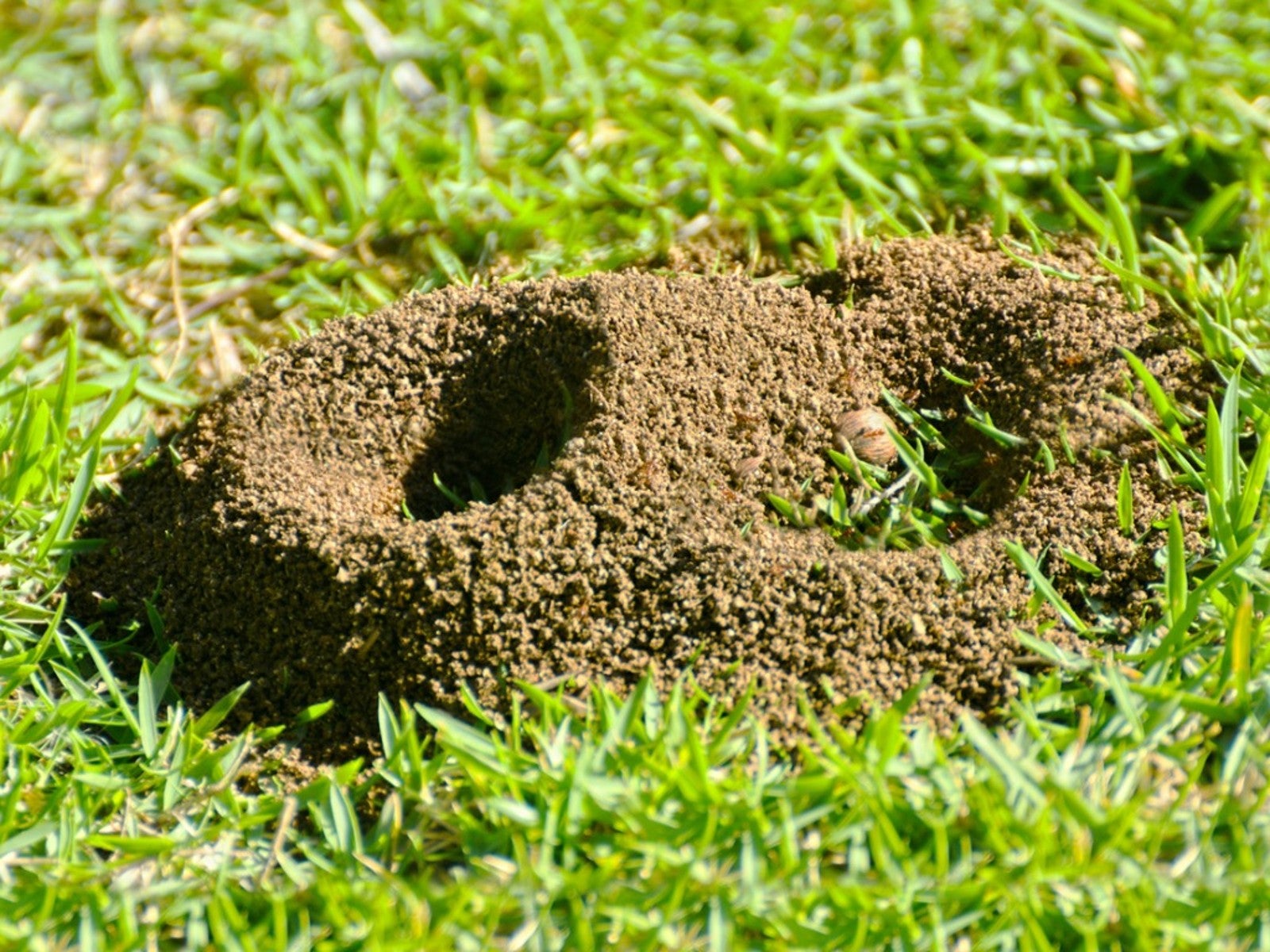
Image Source: cdn.mos.cms.futurecdn.net
Fathoming the Purpose of Ant Hills
Ant hills aren’t just random piles of dirt; they serve a vital purpose for the colony. They are the visible tips of elaborate underground structures.
The Underground City
An ant colony is a complex society with different roles for each ant.
- Workers: These ants do all the work, including foraging for food, building the nest, and caring for the young.
- Soldiers: Some species have soldier ants with larger heads and jaws, designed for defense.
- Queen: The queen is the mother of the entire colony. Her main job is to lay eggs.
The tunnels and chambers beneath the soil are where the colony lives, raises its young, and stores food. The mounds on the surface are essentially the “front doors” to this hidden world.
Why Build Mounds?
Ants construct these mounds for several reasons, primarily related to the colony’s survival and expansion:
- Ventilation: The mounds act as chimneys, allowing fresh air to circulate through the underground tunnels. This is crucial for the ants’ respiration and for maintaining a stable temperature.
- Temperature Regulation: Ants are cold-blooded, meaning their body temperature depends on their environment. The mounds, often made of soil that retains heat, help keep the colony warm, especially during cooler periods. Conversely, they can also help dissipate heat on very hot days.
- Drainage: The mounds are designed to direct water away from the nest. Heavy rains could flood the underground chambers, harming the colony. The sloped construction of the mound helps rainwater run off.
- Soil Excavation: As ants dig their tunnels, they need a place to put the excavated soil. The mound is the most convenient place to deposit this material.
- Protection: The mounds provide a degree of protection from predators and the elements for the ants and their developing brood.
Identifying the Builders: Common Lawn Ants
The type of ant you have can sometimes influence the size and shape of the mounds. Different species have different building habits.
Common Lawn Ant Species
Several species of ants commonly inhabit lawns and create visible mounds.
- Common Black Ants ( Lasius niger): These are probably the most familiar ants. They are small, black, and often seen marching in lines. Their mounds are typically small, loose piles of soil.
- Fire Ants ( Solenopsis spp.): Known for their painful sting, fire ants build distinctive, larger mounds that are often dome-shaped and more tightly packed. They can be a significant nuisance and even a hazard to people and pets.
- Pavement Ants ( Tetramorium caespitum): These ants often nest in sidewalks, driveways, and patios, but they can also create mounds in lawns, especially in disturbed soil. Their mounds are usually small and appear near hard surfaces.
- Carpenter Ants ( Camponotus spp.): While carpenter ants prefer nesting in wood, they can sometimes excavate soil around their nests in the ground, especially in areas with moist soil or near wooden structures. Their mounds are usually less distinct than other species.
What a Mound Tells You
The characteristics of the ant mound can offer clues about the ant species and the colony’s size.
- Size: Larger mounds generally indicate a larger, more established colony.
- Shape: Dome-shaped mounds are common for fire ants, while more scattered, loose piles might be from black ants.
- Location: Mounds near sidewalks or patios might suggest pavement ants, while mounds in moist areas could indicate other species.
Why Now? Factors Favoring Ant Activity
Several environmental factors can contribute to an increase in ant activity and the appearance of ant hills in your lawn.
Soil Conditions and Aeration
The condition of your soil plays a crucial role.
- Soil Aeration: Ants often prefer compacted soil. When soil is compacted, it’s harder for water and air to penetrate. Ants, however, find this easier to excavate and tunnel through. This is why you might see more ant hills in areas where the soil is naturally dense or has been heavily trafficked. Soil aeration, the process of creating holes in the soil, can make the environment less hospitable for some ant species.
- Moisture Levels: Ants need water, but they also don’t want their nests flooded. They will often build mounds in areas that are well-drained but still have access to moisture. Overwatering or poor drainage can lead to ants seeking drier spots, potentially in your lawn.
- Soil Type: Ants can nest in various soil types, but sandy or loamy soils are often easier for them to excavate than very clay-heavy soils.
Food Sources
Ants are always searching for food to feed the colony.
- Insects: Many ants are predators or scavengers. If your lawn has a healthy population of other insects, like aphids or caterpillars, this can attract ants looking for a meal. The presence of aphids, which secrete a sugary substance called honeydew, is a particularly strong attractant for many ant species.
- Plant Material: Some ants feed on plant matter, seeds, or decaying organic material.
- Pet Food and Spills: Leftover pet food, sugary spills from picnics, or fallen fruit can also be a significant food source that draws ants to your yard.
Weather Patterns
Weather significantly impacts ant behavior.
- Warm Temperatures: Ants are more active in warmer weather. Spring and summer are prime times for seeing new ant hills as colonies expand and forage actively.
- Rainfall: After periods of rain, ants may rebuild damaged mounds or move to higher, drier ground. You might notice new mounds appearing after a significant rainfall.
- Drought: During droughts, ants may dig deeper to find moisture, or they might be attracted to lawns that are being watered, as these areas provide a more reliable water source.
Disturbed Environments
Any disruption to the soil can create opportunities for ants.
- Construction or Landscaping: Areas where the soil has been recently disturbed, such as after construction or new landscaping projects, can become ideal nesting sites for ants.
- Foot Traffic: Heavily trafficked areas of a lawn can lead to soil compaction, making it easier for ants to tunnel.
The Impact of Ants on Your Lawn
While ants are a natural part of the ecosystem, an ant infestation can have several consequences for your lawn.
Direct Damage
- Mound Formation: The most obvious impact is the presence of numerous ant hills, which can disrupt mowing, create uneven surfaces, and detract from the overall appearance of your lawn.
- Root Damage: Some ant species can damage grass roots as they excavate their nests, potentially leading to weakened turf and bare patches.
Indirect Damage
- Aphid Farming: As mentioned, many ants “farm” aphids for their honeydew. Ants actively protect aphids from predators, allowing aphid populations to explode. This can lead to significant damage to your ornamental plants and grass.
- Soil Disruption: The extensive tunneling can disrupt the soil structure, affecting water drainage and nutrient distribution within the soil.
Managing Ant Hills: Your Homeowner’s Guide to Action
Dealing with ant hills requires a strategic approach. It’s not just about removing the visible mounds but also addressing the underlying insect activity.
Step 1: Identification is Key
Before you grab any pest control products, try to identify the type of ant. This can help you choose the most effective treatment.
- Observe: Watch the ants. What do they look like? What are they doing? Are they carrying food?
- Mound Characteristics: Note the size, shape, and location of the mounds.
- Potential Hazards: If you suspect fire ants, be extra cautious due to their aggressive nature and painful sting.
Step 2: Non-Chemical Control Methods
Often, you can manage ant problems with less aggressive methods, especially for common nuisance ants.
Cultural and Mechanical Solutions
- Improve Lawn Health: A healthy, dense lawn is naturally more resistant to ant infestations.
- Proper Watering: Water deeply and less frequently to encourage deep root growth, which can help the grass outcompete ants.
- Mowing: Mow at the correct height for your grass type. Taller grass shades the soil, keeping it cooler and moister, which some ants dislike.
- Fertilizing: Regular fertilization based on soil test results promotes strong turf growth.
- Remove Food Sources:
- Clean up fallen fruit, pet food, and any sugary spills promptly.
- Ensure trash cans are sealed properly.
- Diatomaceous Earth (Food Grade): This natural powder is made from fossilized aquatic organisms. It works by scratching the ants’ exoskeletons, causing them to dehydrate. Apply a thin layer around mounds or along ant trails. It’s most effective when dry.
- Boiling Water: For individual mounds, pouring boiling water directly onto the mound can kill many ants. Be cautious, as this can also kill the grass in the immediate area.
- Vinegar Solution: A mixture of vinegar and water can be sprayed on ant trails and mounds to deter ants, as they dislike the smell and acidity.
Physical Barriers
- Cornmeal or Cornstarch: Some anecdotal evidence suggests that ants eat cornmeal and cannot digest it, leading to their demise. Sprinkle it around affected areas.
- Cinnamon: Ants reportedly dislike the smell of cinnamon and will avoid areas where it is present.
Step 3: Chemical Control (When Necessary)
If non-chemical methods are not sufficient, or if you are dealing with a significant ant infestation or particularly troublesome species like fire ants, chemical treatments may be considered. Always follow product label instructions carefully and use them responsibly.
Baits
- How They Work: Ant baits contain a slow-acting poison mixed with an attractive food source. Worker ants carry the bait back to the colony, feeding it to other ants, including the queen and larvae. This is often the most effective method for eliminating the entire colony.
- Types: Gel baits, granular baits, and liquid baits are available. Choose baits specifically designed for the type of ant you have if possible.
- Placement: Place baits near ant trails, nests, and entry points. Avoid spraying insecticides near baits, as this can deter ants from taking the bait.
Granular Insecticides
- Application: Granular insecticides can be applied to the lawn and watered in. They are absorbed by the soil and kill ants that come into contact with them.
- Best for: These are often used for broad-area treatment, especially for fire ants.
Liquid Insecticides (Sprays)
- Application: Sprays can be used to treat individual mounds or broadcast over larger areas.
- Considerations: Sprays can kill ants on contact but may not reach the queen or the entire colony. They can also harm beneficial insects. Use with caution and consider targeted application.
Step 4: Professional Pest Control
When dealing with persistent or severe ant problems, especially fire ants or carpenter ants, consider hiring a professional pest control service. They have access to more potent treatments and the expertise to apply them safely and effectively.
Creating a Less Inviting Environment
Beyond direct treatment, you can make your lawn less attractive to ants.
Lawn Care Best Practices
Consistent, good lawn care is your first line of defense.
- Regular Aeration: As mentioned, aerating your lawn can break up compacted soil, making it less appealing for nesting.
- Thatch Management: Excessive thatch can harbor insects. Dethatching your lawn annually or as needed can help.
- Proper Irrigation: Avoid overwatering, which can create damp conditions that attract some ant species. Ensure your lawn has good drainage.
Yard Maintenance
- Clear Debris: Remove leaf litter, grass clippings, and other organic debris from your lawn and garden beds, as these can provide food and shelter for ants.
- Trim Vegetation: Keep shrubs and trees trimmed away from your house and lawn to prevent ants from using them as bridges to access your home or garden.
- Inspect Home Entry Points: Seal any cracks or crevices in your foundation, walls, and around windows and doors to prevent ants from entering your home.
Frequently Asked Questions About Ant Hills
Q1: Will ant hills hurt my grass?
A1: While the mounds themselves can disrupt the evenness of your lawn, severe ant infestation can sometimes damage grass roots through extensive tunneling. However, for many common lawn ants, the primary issue is the visual impact of the mounds.
Q2: How can I quickly get rid of ant hills?
A2: For a quick, albeit temporary, fix, pouring boiling water on individual mounds can kill a significant number of ants. However, the most effective long-term solution involves targeting the entire colony, often with baits, which takes a bit longer.
Q3: Are all ants bad for my lawn?
A3: No, not all ants are detrimental. Many ant species play a role in the ecosystem by aerating the soil and preying on other pest insects. It’s the excessive numbers or specific species (like fire ants) that often necessitate intervention.
Q4: Can I prevent ant hills from forming in the first place?
A4: Maintaining a healthy, well-aerated lawn and keeping your yard clean of food sources are the best preventative measures. Addressing soil compaction through regular soil aeration can also make your lawn less appealing for nesting.
Q5: What is the best time of year to treat for ants?
A5: Early spring is often the best time to treat for ants. This is when colonies begin to emerge from dormancy and workers start foraging actively, making them more susceptible to baits and treatments before they can establish large, mature colonies.
Conclusion: A Balanced Approach to Lawn Harmony
Having ant hills in your lawn is a common problem for homeowners. By fathoming the reasons behind their construction and understanding the types of backyard ants you might be dealing with, you can implement effective lawn care strategies. From improving soil health and managing food sources to employing targeted pest control methods, a balanced approach will help you manage insect activity and keep your lawn looking its best. Remember, a healthy lawn is your best defense against a widespread ant infestation.