
Ever felt the thrill of exploring a new path, only to be held back by sore feet? That’s where the right shoes come in. Choosing shoes for trail running and hiking can be tricky. So many types, so many features! It’s easy to feel confused and pick the wrong pair. This can lead to blisters, slips, and a less-than-fun adventure.
But don’t worry! This guide is here to help. We’ll break down what makes a great trail shoe. You’ll learn what to look for, from grip to cushioning, and how to match shoes to your specific needs. By the end, you’ll feel confident about picking the perfect pair to conquer any trail.
So, get ready to step into comfort and performance. Let’s dive into the world of shoes that will take your outdoor adventures to the next level.
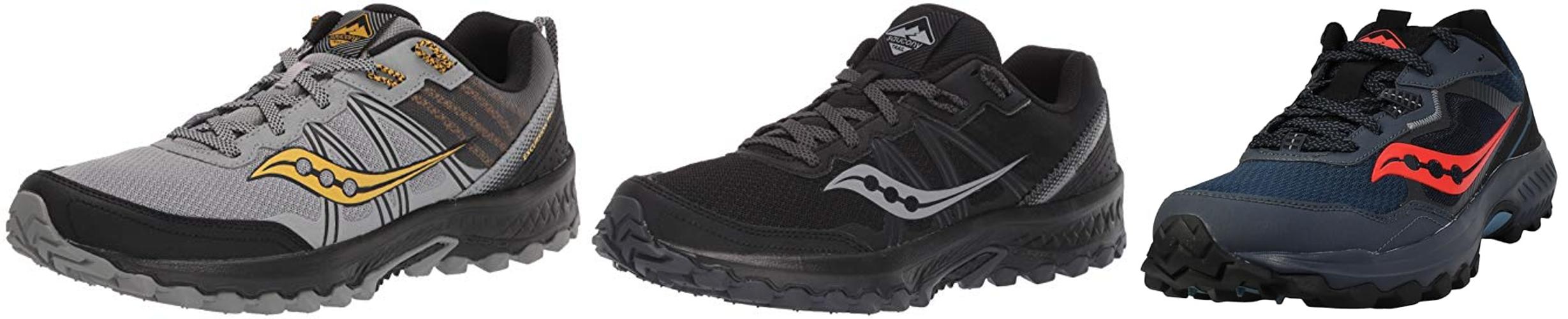
Our Top 5 Shoes For Trail Running And Hiking Recommendations at a Glance
Top 5 Shoes For Trail Running And Hiking Detailed Reviews
1. Saucony Men’s Excursion TR14 Trail Running Shoe

Rating: 8.9/10
Conquer any trail with confidence in the Saucony Men’s Excursion TR14 Trail Running Shoe. This shoe, in a stylish Grey/Gold color and size 11, is built to handle rugged terrain. It offers a comfortable ride and a secure fit, so you can focus on your run, not your feet.
What We Like:
- The grippy lugs on the bottom are made of tough carbon rubber. This gives you a rock-solid grip on any surface.
- VERSARUN cushioning provides great comfort under your feet. It’s enough to make any trail feel softer.
- The special trail mesh upper hugs your foot securely. Supportive overlays add extra protection against rocks and mud.
- The mesh is designed to keep debris out without feeling heavy or bulky.
What Could Be Improved:
- While the cushioning is moderate, some runners might prefer more plushness for very long distances.
- The colorway is specific; a wider range of color options could appeal to more tastes.
The Saucony Excursion TR14 is a solid choice for trail runners seeking reliable traction and comfort. It’s a shoe that helps you explore without hesitation.
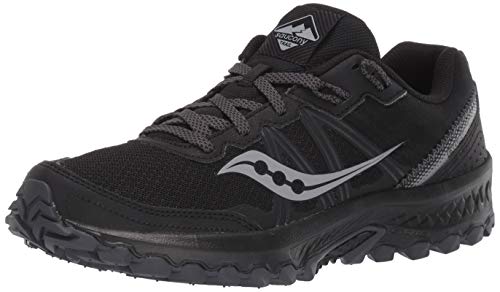
2. Saucony Women’s Excursion TR14 Trail Running Shoe
Rating: 9.2/10
Hitting the trails just got a whole lot more comfortable and grippy with the Saucony Women’s Excursion TR14 Trail Running Shoe. Designed for adventure, these shoes offer a secure fit and excellent traction, making them a fantastic companion for your off-road explorations. The black and charcoal colorway is sleek and versatile, perfect for any trail outfit.
What We Like:
- The rugged outsole bites into dirt and rocks, giving you amazing grip on tricky paths.
- Versarun cushioning makes every step feel soft and bouncy, so your feet stay happy mile after mile.
- The trail-specific mesh upper breathes well and keeps your feet cool.
- Supportive overlays hug your foot, preventing it from sliding around inside the shoe.
- They feel stable and reliable, letting you focus on the trail ahead.
What Could Be Improved:
- While the cushioning is great, some runners might prefer even more plushness for very long distances.
- The overlays, while supportive, could be slightly more flexible for some foot shapes.
Overall, the Saucony Excursion TR14 is a solid choice for trail runners seeking reliable performance and comfort on varied terrain. You’ll feel confident and supported on every adventure.
3. Saucony Men’s Excursion TR16 Trail Running Shoe

Rating: 8.9/10
Ready to hit the trails? The Saucony Men’s Excursion TR16 Trail Running Shoe in Night/Black, size 11, is built to handle whatever nature throws your way. These shoes offer a fantastic blend of comfort and toughness, making them a solid choice for both seasoned trail runners and beginners. They are designed to keep your feet happy mile after mile.
What We Like:
- The VERSARUN cushioning provides a soft and balanced feel with every step, so your feet stay comfortable all day long.
- You get amazing grip thanks to the special carbon-rubber lugs. These help you stick to the ground, no matter if you’re on dirt, rocks, or mud. You’ll feel confident and secure on any surface.
- The shoes have a cool, new look. They offer the protection you need for rough trails, but they also look good enough to wear even when you’re not out in the wild.
- They are built to last, offering good value for your money.
What Could Be Improved:
- Some users might find the sizing runs a little narrow, so trying them on is recommended if possible.
- While the cushioning is good for comfort, those seeking extreme responsiveness for speed might want a different option.
The Saucony Excursion TR16 is a dependable partner for your outdoor adventures. These shoes deliver comfort and traction, letting you explore with confidence.
4. adidas Women’s Terrex Tracefinder 2 Climaproof Trail Running Hiking Shoe

Rating: 9.1/10
The adidas Women’s Terrex Tracefinder 2 Climaproof Trail Running Hiking Shoe in Preloved Teal/Halo Mint/Semi Flash Aqua, size 8, is ready for your next adventure. These shoes are built for comfort and performance on the trail. They keep your feet dry and give you great grip on tough paths.
What We Like:
- The upper is made of light textile and synthetic materials. This makes the shoes comfortable and easy to move in.
- CLIMAPROOF technology keeps your feet dry. It blocks bad weather and lets sweat escape. This means your feet stay comfy no matter what.
- The Traxion outsole offers great grip. Its special lugs are made for rough ground. You can trust these shoes on any trail.
- You get cushioned comfort from the OrthoLite sockliner. This makes every step feel good.
What Could Be Improved:
- While the shoes are preloved, it’s always good to check the specific condition before buying.
- The specific shade of “Semi Flash Aqua” might not be everyone’s favorite color.
These shoes are a fantastic choice for anyone who loves hitting the trails. They offer a blend of protection, comfort, and grip for all your outdoor explorations.
5. New Balance Men’s 410 V8 Trail Running Shoe

Rating: 9.4/10
The New Balance Men’s 410 V8 Trail Running Shoe in Black, size 7.5 Wide, is built to handle your adventures. Whether you’re hitting the trails or just walking around town, these shoes offer comfort and support. Their design makes them a good choice for active guys who need reliable footwear.
What We Like:
- The AT Tread outsole grips well on different surfaces, both on and off the road.
- The synthetic upper is strong and holds up to tough use.
- You get soft cushioning with the BIO Foam midsole, which feels good on your feet.
- Durable overlays and meshes mean these shoes will last a long time.
- The lace-up closure lets you get a snug and secure fit.
What Could Be Improved:
- While comfortable, some users might want even more cushioning for very long runs.
- The black color is classic, but a wider variety of color options would be nice.
Overall, the New Balance 410 V8 is a solid trail running shoe. It provides the grip, comfort, and durability you need for active days.
Trail Running and Hiking Shoes: Your Adventure Awaits!
Ready to hit the trails? Choosing the right shoes makes a huge difference. Whether you’re jogging through the woods or climbing a mountain, your feet need the best support. This guide will help you find the perfect pair.
Key Features to Look For
1. Grip and Traction
The bottom of your shoes, the outsole, is super important. It has special patterns, called lugs, that bite into the dirt and rocks. Good lugs keep you from slipping. Look for deep, aggressive patterns for muddy or rocky trails. For smoother paths, you can have less aggressive lugs.
2. Cushioning
Trail shoes have padding inside to protect your feet. This cushioning absorbs shock when you land. It makes your runs and hikes more comfortable, especially on long adventures. More cushioning is good for longer distances, but it can sometimes make the shoe feel heavier.
3. Support and Stability
Your feet need support to stay strong on uneven ground. Shoes with good support stop your feet from rolling too much. This is called pronation. Some shoes have special features to help with this. Stability is key to prevent injuries.
4. Protection
Trails have things that can hurt your feet. Rocks, roots, and branches are common. Trail shoes often have reinforced toes and sides. Some have rock plates inside to block sharp objects from poking through the sole. This protection keeps your feet safe.
5. Fit
This is the most important! Your shoes must fit perfectly. They should feel snug but not tight. There should be enough room for your toes to wiggle. Try them on with the socks you plan to wear. A good fit prevents blisters and discomfort.
Important Materials
1. Uppers
The top part of the shoe is the upper. Many trail shoes use mesh. Mesh lets air flow through, keeping your feet cool. Some uppers are made with synthetic materials. These are often more durable and water-resistant. Waterproof materials, like Gore-Tex, keep your feet dry in wet conditions. However, they can make shoes less breathable.
2. Midsoles
The midsole is the layer between the upper and the outsole. It provides cushioning and support. Common materials include EVA (ethylene-vinyl acetate) and PU (polyurethane). EVA is lighter and softer. PU is denser and more durable. Some shoes mix these for the best of both worlds.
3. Outsoles
The outsole is the rubber part that touches the ground. Different rubber compounds offer varying levels of grip and durability. Stickier rubber grips better but wears out faster. Harder rubber lasts longer but might be more slippery.
Factors That Improve or Reduce Quality
Quality Boosters
- Durable construction: Strong stitching and reinforced areas mean your shoes will last longer.
- High-quality rubber: Good rubber outsoles offer superior grip and wear resistance.
- Breathable mesh: This keeps your feet comfortable and prevents overheating.
- Effective waterproofing: If you hike in wet weather, good waterproofing is a game-changer.
Quality Reducers
- Cheap glue: Shoes that use weak glue can fall apart quickly.
- Thin materials: Flimsy uppers or soles offer less protection and wear out fast.
- Poorly designed lugs: Lugs that are too shallow or too close together won’t provide good traction.
- Lack of support: Shoes without enough support can lead to foot fatigue and pain.
User Experience and Use Cases
Trail Running
For trail running, you need shoes that are light and flexible. They should offer good grip for quick turns and ascents. Plenty of cushioning helps absorb impact from running. Protection is still important, but agility is a priority.
Hiking
Hiking shoes often have more support and are built for durability. They usually have stiffer soles to handle rough terrain and carry heavier loads. Waterproofing is a big plus for hiking in changing weather. Hiking boots offer even more ankle support.
Everyday Use
Some trail shoes are comfortable and stylish enough for daily wear. They offer good support and traction for walking around town. Their rugged look can be a fashion statement.
Frequently Asked Questions (FAQ)
Q: What’s the difference between trail running shoes and hiking shoes?
A: Trail running shoes are lighter and more flexible. They focus on grip and cushioning for speed. Hiking shoes are sturdier, offering more support and protection for longer treks and heavier packs.
Q: Do I need waterproof shoes for hiking?
A: Waterproof shoes keep your feet dry in rain and puddles. This prevents blisters and keeps you comfortable. However, they can be less breathable and may make your feet sweat more in warm weather.
Q: How often should I replace my trail shoes?
A: Trail shoes usually last between 300 to 500 miles. You’ll know it’s time to replace them when the cushioning feels flat or the tread wears down and loses its grip.
Q: Can I wear hiking shoes for trail running?
A: You can, but they will feel heavy and stiff. Trail running shoes are designed for the specific demands of running on trails. Hiking shoes are better suited for slower, more deliberate movement.
Q: What are “lugs” on a shoe?
A: Lugs are the raised patterns on the bottom of your shoe. They help you grip the ground, especially on soft or slippery surfaces like mud and dirt.
Q: Is more cushioning always better?
A: Not necessarily. More cushioning provides comfort and shock absorption, but it can also make a shoe heavier and less sensitive to the ground. The best amount of cushioning depends on your preference and the type of trails you run or hike.
Q: How important is the fit of trail shoes?
A: Fit is extremely important. Shoes that are too tight or too loose can cause blisters, pain, and even injuries. Always try shoes on with the socks you plan to wear.
Q: What is a rock plate in a trail shoe?
A: A rock plate is a protective layer in the sole of some trail shoes. It helps shield your feet from sharp rocks and roots, preventing them from poking through.
Q: Can I use my road running shoes on trails?
A: It’s not recommended. Road running shoes lack the aggressive tread and protective features needed for trails. They won’t provide enough grip or protection, increasing your risk of slipping and injury.
Q: How do I clean my trail shoes?
A: You can clean them with a soft brush and mild soap and water. Remove loose dirt first. Rinse them well and let them air dry away from direct heat.
In conclusion, every product has unique features and benefits. We hope this review helps you decide if it meets your needs. An informed choice ensures the best experience.
If you have any questions or feedback, please share them in the comments. Your input helps everyone. Thank you for reading.