
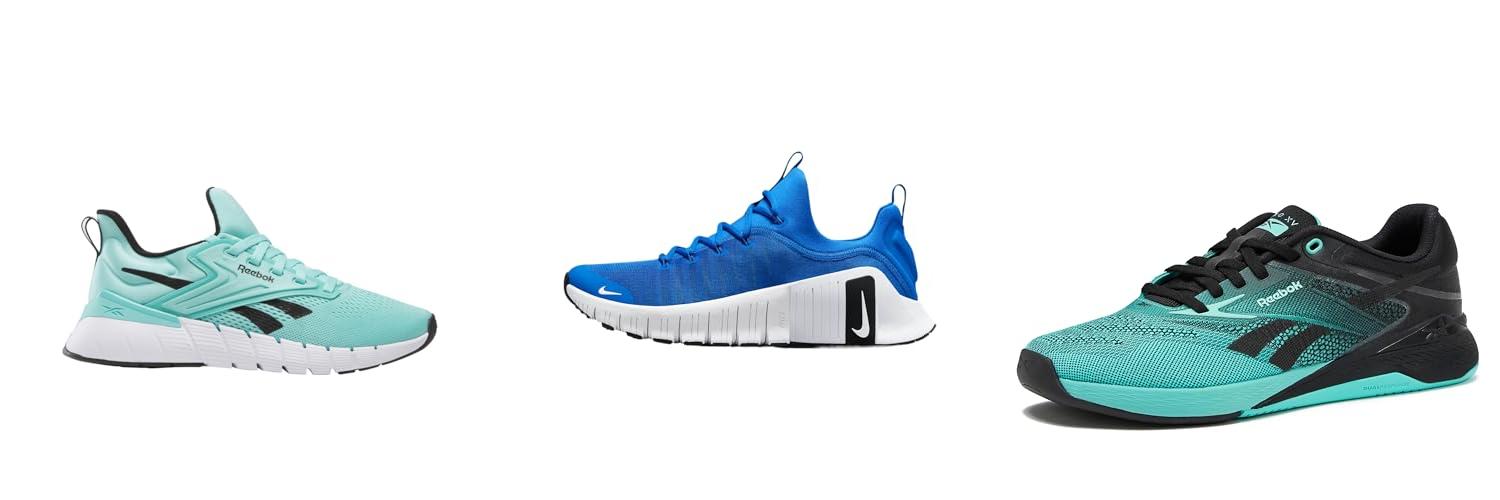
Ever felt your feet ache or your ankles wobble during a killer HIIT workout? You’re not alone. Choosing the right shoes for High-Intensity Interval Training is more important than you might think. It’s not just about looking good; it’s about protecting your body and getting the most out of every jump, lunge, and sprint.
The wrong footwear can lead to annoying blisters, painful shin splints, or even more serious injuries. You might be hopping from one shoe to another, hoping to find that perfect fit, but feeling lost in all the choices. It’s frustrating when your shoes don’t support you when you need them most.
This post is here to help! We’ll break down what makes a great HIIT shoe. You’ll learn what to look for, what to avoid, and discover how the right pair can actually boost your performance and keep you feeling strong and steady. Get ready to step up your game and find the shoes that will make your next workout your best one yet.
Our Top 5 Shoes For Hiit Recommendations at a Glance
| Image | Product | Rating | Links |
|---|---|---|---|
 |
Reebok Nano Gym Womens Sneakers | 9.3/10 | Check Price |
 |
Nike Free Metcon 6 Men’s Workout Shoes (HM3754-403 | 9.1/10 | Check Price |
 |
Reebok Nano X5 Sneakers for Women | 8.8/10 | Check Price |
 |
Reebok Women’s Flexagon Energy TR 4.0 Training Shoes | 8.7/10 | Check Price |
 |
Nike Free Metcon 6 Women’s Workout Shoes (FJ7126-801 | 9.2/10 | Check Price |
Top 5 Shoes For Hiit Detailed Reviews
1. Reebok Nano Gym Womens Sneakers
Rating: 8.9/10
The Reebok Nano Gym Womens Sneakers are your new go-to for any activity. They look and feel like running shoes but are built tough for all your gym adventures.
What We Like:
- These shoes are designed for all kinds of gym workouts, from running to lifting weights.
- They offer great support with a plush foam collar and a TPU cradle that keeps your foot stable.
- The breathable mesh upper and durable rubber sole provide comfort and grip.
- They are super versatile, working well for gym training and also as comfortable walking shoes.
- Built-in arch support and a secure bootie construction mean your feet stay happy and supported.
What Could Be Improved:
- The design might be a bit too basic for those looking for flashy style.
- While supportive, they might not offer the extreme cushioning some runners prefer for long-distance running.
Overall, the Reebok Nano Gym sneakers are a fantastic all-around choice for active women. They offer great performance and comfort for a variety of workouts.
2. Nike Free Metcon 6 Men’s Workout Shoes (HM3754-403
Rating: 8.6/10
Lace up for your next workout with the Nike Free Metcon 6 Men’s Training Shoe. These shoes, in a cool Signal Blue/Black/White colorway, are designed to help you crush your fitness goals. They offer a great mix of flexibility and stability, perfect for everything from lifting weights to quick bursts of cardio. Remember, these are men’s sizes, but you can find your women’s size by adding 1.5 to the men’s size (e.g., a Men’s 6 is a Women’s 7.5).
What We Like:
- The Nike Free technology gives you a natural feel and allows your foot to move freely.
- The Metcon design offers excellent stability for heavy lifts.
- They are built to last, so you can count on them for many workouts.
- The breathable upper keeps your feet cool and comfortable.
- The grip on the sole is super strong, helping you stay grounded.
What Could Be Improved:
- The sizing conversion from men’s to women’s might need a little getting used to.
- They might feel a bit stiff at first until they break in.
- The Signal Blue color is eye-catching, but might not be for everyone.
These shoes are a solid choice for anyone serious about training. They provide the support and flexibility you need to perform at your best.
3. Reebok Nano X5 Sneakers for Women
Rating: 8.7/10
The Reebok Nano X5 Sneakers for Women are designed to be your go-to shoe for all your fitness adventures. Whether you’re hitting the gym, going for a walk, or trying a new fitness class, these shoes offer comfort and support. They celebrate the 15th anniversary of a popular training shoe, making them an even more special choice for any active woman.
What We Like:
- Classic Reebok Style: These shoes carry on the legacy of a beloved training shoe, updated for maximum comfort.
- All-Day Comfort: A dual-density midsole provides a firm heel for stability and responsive forefoot foam for dynamic movements.
- Multi-Purpose Design: The breathable Flex Weave upper and durable rubber sole make them great for cross-training, walking, and light running.
- Made for Movement: A plush collar locks your foot in place, and the decoupled outsole helps with both short runs and long walks.
- Built-in Arch Support: These sneakers offer great support for a variety of workouts, from lifting weights to treadmill sessions.
- Stylish Options: Available in classic colors and trendy fashion shades to match your gym wardrobe.
What Could Be Improved:
- While designed for comfort, some users might prefer more cushioning for very long runs.
- The AI Aqua/Black color might not be everyone’s first choice, though other options are available.
Overall, the Reebok Nano X5 sneakers are a fantastic choice for women seeking a versatile and comfortable shoe for their active lifestyle. They blend classic style with modern comfort for a winning combination.
4. Reebok Women’s Flexagon Energy TR 4.0 Training Shoes
Rating: 9.0/10
Lace up your training with the Reebok Women’s Flexagon Energy TR 4.0 Training Shoes in Aqua Dust/Vintage Green/Chalk, size 8.5. These shoes are built for comfort and performance, making them a great choice for your workouts. The design focuses on giving you the support you need to push your limits.
What We Like:
- The rubber sole offers excellent grip, so your feet stay put during any exercise.
- They are lightweight, making them feel like you’re not wearing much at all.
- The cushioning provides good comfort for your feet, even during longer sessions.
- The stylish color combination, Aqua Dust/Vintage Green/Chalk, looks really good.
- They are flexible, allowing your feet to move naturally.
What Could Be Improved:
- Some users might find the arch support could be a bit more pronounced for specific needs.
- While durable, heavier lifters might want a shoe with a bit more ankle stability.
- The breathability, while decent, could be enhanced for very intense, hot workouts.
These Reebok Flexagon Energy TR 4.0 shoes are a solid pick for anyone looking for comfortable and reliable training footwear. They deliver on grip and cushioning for most activities.
5. Nike Free Metcon 6 Women’s Workout Shoes (FJ7126-801
Rating: 8.5/10
Lace up and conquer your next workout in the Nike Free Metcon 6 Women’s Workout Shoes. These shoes, in a stylish Guava Ice/Light Wild Mango/White colorway and size 9.5, offer a fantastic blend of flexibility and support. Style number FJ7126-801 tells you you’re getting a top-notch training shoe designed to help you perform at your best.
What We Like:
- The midsole and outsole give you lots of room to move and bend your feet naturally.
- Extra foam in the heel makes it super stable when you’re pushing hard for those extra reps.
- Cushioning absorbs the shock when your feet land, making your workouts more comfortable.
- Flywire cables hug your feet, keeping them snug and secure through every move.
- The bright Guava Ice and Light Wild Mango colors look really cool.
What Could Be Improved:
- These shoes might feel a little stiff at first until you break them in.
- While they are great for training, they might not be the best choice for long-distance running.
Overall, the Nike Free Metcon 6 is a solid choice for anyone who wants a versatile training shoe that supports them through tough workouts. You’ll feel ready for anything in these!
Choosing the Best Shoes for HIIT: Your Ultimate Guide
High-Intensity Interval Training (HIIT) pushes your body to its limits. You jump, sprint, lift, and twist – sometimes all in the same workout! Your feet need shoes that can keep up. Choosing the right HIIT shoes protects your feet, improves your performance, and makes your workouts more enjoyable. This guide helps you find the perfect pair.
1. Key Features to Look For
When shopping for HIIT shoes, prioritize these important features:
a. Stability and Support
HIIT involves a lot of lateral (side-to-side) movements. Your shoes need to be stable. Look for shoes with a wide, flat sole. This base helps prevent your ankles from rolling during quick changes in direction. Good ankle support is also a plus, especially if you tend to roll your ankles.
b. Cushioning
Jumping and impact are big parts of HIIT. You need enough cushioning to absorb shock. This protects your joints from stress. However, too much soft cushioning can make you feel unstable. You want a balance: enough to soften landings but not so much that you feel wobbly.
c. Grip and Traction
Slipping is dangerous during a workout. Your shoes need excellent grip. The outsole (the bottom part of the shoe) should have a good tread pattern. This pattern helps you stick to the floor during quick stops and starts. Think of it like the tires on a car – good tread means better control.
d. Flexibility
Your feet need to move naturally. HIIT workouts often require bending and flexing your feet. The forefoot of the shoe should be flexible enough to allow this. This helps with movements like lunges and burpees.
e. Breathability
HIIT workouts make you sweat! Your feet will get hot. Shoes with breathable materials keep your feet cool and dry. This prevents discomfort and reduces the risk of blisters. Mesh is a common and effective breathable material.
2. Important Materials
The materials used in HIIT shoes greatly affect their performance and durability.
a. Uppers
The upper is the part of the shoe that covers your foot. Many HIIT shoes use mesh or knit materials. These are lightweight and breathable. Some shoes use synthetic overlays for added durability and support in key areas.
b. Midsoles
The midsole is the layer between the upper and the outsole. It provides cushioning. EVA (ethylene-vinyl acetate) and rubber compounds are common. EVA is lightweight and offers good shock absorption. Some brands use special foam technologies for enhanced comfort and responsiveness.
c. Outsoles
The outsole is the part that touches the ground. Rubber is the standard material for outsoles. It provides excellent durability and traction. Different rubber compounds offer varying levels of grip and wear resistance.
3. Factors That Improve or Reduce Quality
Several things can make a HIIT shoe great or not so great.
a. Durability
HIIT is tough on shoes. High-quality shoes use strong stitching and durable materials. They can withstand frequent use and intense workouts without falling apart quickly. Cheaper materials or poor construction will wear out faster.
b. Fit
A good fit is crucial. Shoes that are too tight can cause pain and blisters. Shoes that are too loose can lead to instability and injuries. Always try shoes on before buying, preferably at the end of the day when your feet are slightly swollen. Ensure there’s enough room in the toe box.
c. Weight
Lighter shoes generally feel better during fast-paced workouts. They allow for quicker movements. However, don’t sacrifice support for lightness. The best shoes offer a good balance.
d. Design and Construction
Well-constructed shoes have reinforced stress points. They are designed to handle the demands of HIIT. Poorly designed shoes might lack adequate support or have weak seams that break easily.
4. User Experience and Use Cases
How do HIIT shoes feel, and what are they good for?
a. During a Workout
When you wear the right HIIT shoes, you feel confident and secure. You can push yourself harder without worrying about your feet. Movements feel controlled, and landings are softer. You won’t feel your feet getting overly tired or sore.
b. Versatility
While designed for HIIT, these shoes are often great for other activities too. They work well for general gym training, cross-training, and even some forms of weightlifting. Their stability makes them suitable for many fitness routines.
c. Preventing Injuries
The right shoes offer protection. They help absorb impact and provide stability, reducing the risk of sprains and other foot-related injuries. This is a major benefit for anyone serious about their fitness.
Frequently Asked Questions (FAQs)
Q: What makes a shoe good for HIIT?
A: A good HIIT shoe offers a balance of stability, cushioning, grip, and flexibility. It needs to support quick movements and absorb impact without feeling too soft.
Q: Can I use my running shoes for HIIT?
A: While you can, it’s not ideal. Running shoes are designed for forward motion and may lack the lateral stability needed for HIIT’s side-to-side movements. They can also be too cushioned, making you feel unstable.
Q: How important is the sole’s width for HIIT shoes?
A: The sole’s width is very important. A wider, flatter sole provides a stable base. This helps prevent your ankles from rolling during quick directional changes.
Q: Should HIIT shoes have a lot of cushioning?
A: They need enough cushioning to absorb impact from jumping. However, too much soft cushioning can make you feel unstable. A moderate amount is best.
Q: What kind of grip do I need?
A: You need excellent grip. Look for a rubber outsole with a good tread pattern. This helps you stick to the floor during quick stops and starts.
Q: Are lightweight shoes always better for HIIT?
A: Lighter shoes can help with speed. However, don’t choose a shoe just because it’s light. You still need good support and stability.
Q: How do I know if the shoe fits correctly?
A: Try them on and walk around. There should be about a thumb’s width of space between your longest toe and the end of the shoe. Your heel should not slip.
Q: What is the best material for the upper of a HIIT shoe?
A: Breathable materials like mesh or knit are usually best. They keep your feet cool and dry during intense workouts.
Q: Can I use HIIT shoes for weightlifting?
A: Yes, many HIIT shoes are suitable for weightlifting due to their stable and flat soles, which provide a good base for lifting.
Q: How often should I replace my HIIT shoes?
A: This depends on how often you work out and the intensity. Generally, you should replace them every 6-12 months, or when you notice the cushioning is worn out or the grip is gone.
In conclusion, every product has unique features and benefits. We hope this review helps you decide if it meets your needs. An informed choice ensures the best experience.
If you have any questions or feedback, please share them in the comments. Your input helps everyone. Thank you for reading.