
Does a sharp pain shoot up your heel with every step? You’re not alone. Millions of people deal with heel pain, and finding the right shoes can feel like a never-ending quest. It’s frustrating when your favorite sneakers or stylish boots make the problem worse instead of better.
Choosing shoes for heel problems isn’t just about comfort; it’s about finding support that actually helps. You need shoes that cushion your steps, align your foot properly, and reduce the strain on your aching heel. But with so many types of shoes and confusing lingo, how do you know which ones will truly make a difference?
This post will cut through the confusion. We’ll explore what makes a shoe good for heel pain, look at different types of footwear that offer relief, and give you practical tips for spotting the best options. By the end, you’ll feel more confident in finding shoes that let you walk, stand, and live without that constant heel ache.
Our Top 5 Shoes For Heel Problems Recommendations at a Glance
Top 5 Shoes For Heel Problems Detailed Reviews
1. Heel Grips Liner Cushions Inserts for Loose Shoes

Rating: 8.8/10
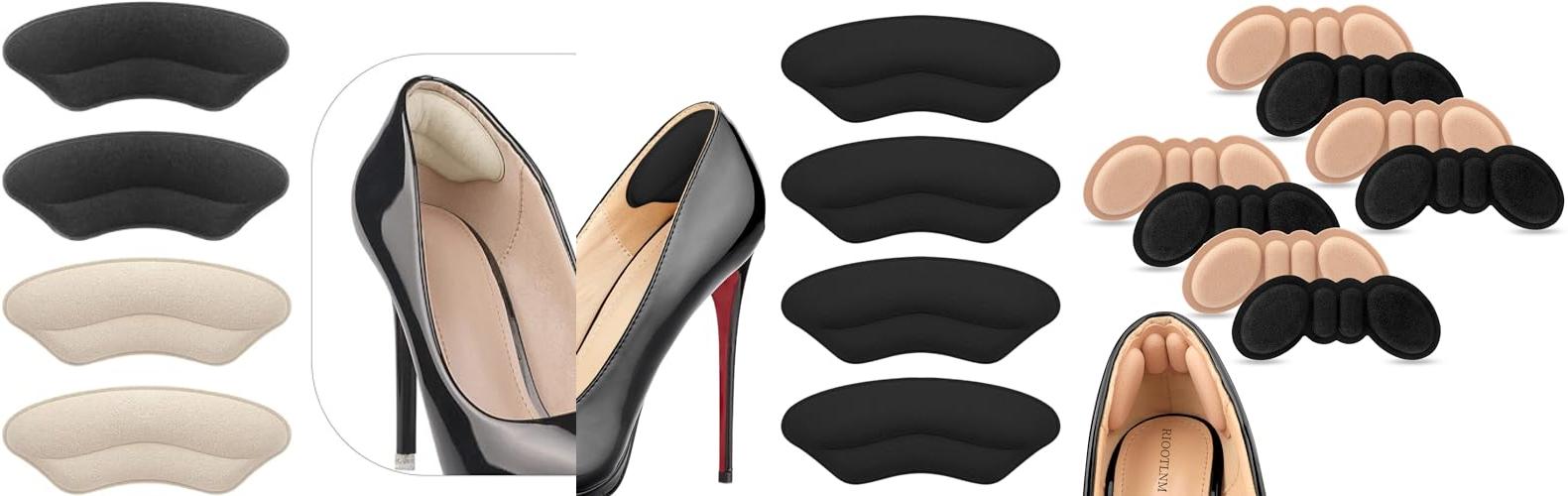
Tired of shoes that slip and slide, causing blisters and discomfort? These Heel Grips Liner Cushions are your secret weapon for a perfect fit. They’re designed to snug up those slightly too-big shoes for both men and women, making every step feel better. You get four pairs in a mix of pale apricot and black, so you can match them to your shoes.
What We Like:
- These heel liners are made from soft suede, which feels good against your skin and keeps your feet comfy.
- They’re super easy to put on. Just peel off the backing and stick them inside your shoe.
- They work with lots of different shoes, like heels and leather shoes, and are great for breaking in new ones or fixing shoes that are just a bit too big.
- The company offers a 30-day no-questions-asked refund, and they promise a good solution if you have any problems using them.
- You don’t have to send back used ones, which is convenient.
What Could Be Improved:
- While they offer comfort and cushioning, they might not be a permanent fix for shoes that are drastically too big.
- The suede material, while comfortable, might show wear more quickly than other materials over time.
These heel grips are a simple and effective way to improve the fit and feel of your shoes. They offer a practical solution for common shoe fit issues, helping you walk with confidence and comfort.
2. KTSAY 2 Pairs Heel Grips & Pads for Shoes – Non-Slip Cushion Inserts for Loose Shoes Men & Women

Rating: 9.1/10
Tired of shoes that slip, rub, or just don’t fit right? The KTSAY 2 Pairs Heel Grips & Pads offer a simple solution. These clever inserts are designed to make your footwear more comfortable and secure, whether your shoes are a little too big or just causing a bit of friction. They help prevent those painful blisters and keep your heels from sliding around, making a big difference in your day.
What We Like:
- The package includes two pairs, so you have extras.
- They are made of premium material for lasting comfort.
- Applying them is super easy with the peel-and-stick design.
- They work with many different kinds of shoes, like heels, sneakers, and flats.
- These pads help stop blisters and heel pain by reducing rubbing.
- They make loose shoes fit better and feel more secure.
- KTSAY offers a satisfaction guarantee, so you can try them worry-free.
What Could Be Improved:
- The adhesive might wear out over time with very heavy use.
- While they fit many shoes, some very narrow or very wide shoes might still be a challenge.
These heel grips are a fantastic, budget-friendly way to improve the fit and feel of your shoes. They provide much-needed comfort and protection for your feet.
3. Riootlnm Heel Pads for Shoes Too Big

Rating: 8.9/10
Tired of shoes that slip and slide, or rub your heels raw? The Riootlnm Heel Pads are here to save your soles! This pack comes with four pairs of soft, foam heel grips designed to make your shoes fit perfectly and comfortably. They’re a game-changer for those shoes that are just a little too big or tend to cause painful blisters.
What We Like:
- Effectively stops shoes from slipping by making them fit tighter.
- Soft, comfortable foam material protects your heels from pain and blisters.
- The 0.28-inch thickness is perfect for shoes that are a half-size too big.
- Made from high-grade, eco-friendly, sweat-absorbing, and breathable foam.
- Works with almost all types of shoes, including heels, sneakers, and boots.
- Uses strong, high-performance glue that sticks firmly and leaves no residue.
- Easy to apply – just peel and stick!
- Comes in a variety of colors (Rosy Brown and Black) to match your shoes.
What Could Be Improved:
- The effectiveness of the “swirl position” grip might vary slightly for different heel shapes.
- While designed for long-term use, very aggressive wear might eventually test the adhesive’s limits.
These heel pads offer a simple yet effective solution to common shoe fit problems. Say goodbye to discomfort and hello to happy feet!
4. Makryn Premium Foam Heel Pads for Shoe That are Too Big Inserts Grips

Rating: 9.3/10
Tired of shoes that slip and cause painful blisters? The Makryn Premium Foam Heel Pads are here to save your feet! These clever inserts are designed to make shoes that are a little too big fit perfectly. They also stop your heels from rubbing, which means no more blisters. You get four pairs in a pack, so you can fix multiple pairs of shoes.
What We Like:
- Made from soft, comfy foam that cushions your heels.
- Strong glue sticks them securely inside your shoes without damaging them.
- They solve the problem of loose shoes and prevent blisters easily.
- You can use them on many different types of shoes, from heels to sneakers.
- They come in different colors to match your shoes.
- The company offers good customer service if you have any questions.
What Could Be Improved:
- The multicolor pack might not appeal to everyone if they prefer a single color.
- While durable, the foam might eventually wear down with very heavy, daily use.
These heel pads are a simple and effective solution for common shoe fit issues. They bring comfort and protection, making your favorite shoes wearable again.
5. SIIHEA Adjustable Heel Lifts for Shoes

Rating: 8.5/10
Tired of heel pain or noticing a difference in your leg lengths? The SIIHEA Adjustable Heel Lifts offer a simple solution. These insoles fit discreetly into most shoes, helping to ease discomfort and correct imbalances.
What We Like:
- These heel lifts are designed to help with leg length differences and common foot pain like Achilles tendonitis and plantar fasciitis.
- You can adjust the height by adding or removing three 1/4-inch layers, letting you find your perfect lift up to 0.71 inches.
- The U-shaped design fits well in many shoe types, including sneakers and boots.
- They use a strong but removable adhesive, so you can move them between shoes without leaving sticky residue.
- Made with comfortable, breathable memory buffer material, they provide good cushioning for your heel.
- The sweat-absorbing surface is washable for long-term use.
- Anti-slip on the bottom keeps them secure in your shoes.
- They are lightweight, so you won’t even notice you’re wearing them.
- The company offers good customer service if you have any issues with sizing or receive a used item.
What Could Be Improved:
- While the adhesive is strong, it’s important not to get it wet to ensure it lasts.
These heel lifts offer a customizable and comfortable way to address foot pain and leg length discrepancies. They provide an easy way to improve your comfort and posture throughout the day.
Finding the Right Shoes for Heel Pain: A Guide
Heel pain can make even simple tasks feel like a marathon. Whether it’s plantar fasciitis, heel spurs, or just everyday aches, the right shoes can be your best friend. This guide helps you pick shoes that bring relief and comfort.
Key Features to Look For
When you’re shopping for shoes to ease heel pain, keep these important features in mind:
- **Excellent Arch Support:** Good arch support helps spread your weight evenly. This reduces pressure on your heel.
- **Cushioned Midsole:** A thick, soft midsole absorbs shock. It acts like a pillow for your feet.
- **Heel Cup or Stabilizer:** This part of the shoe cups your heel. It keeps your foot stable and prevents rolling.
- **Adequate Heel Drop:** Some shoes have a slight difference in height between the heel and toe. A small heel drop can help take pressure off the Achilles tendon.
- **Roomy Toe Box:** Your toes need space to wiggle. This prevents them from getting squished, which can worsen foot pain.
- **Removable Insoles:** This is a big plus! It lets you add your own custom orthotics or thicker insoles for extra support.
Important Materials
The materials your shoes are made of matter a lot. They affect comfort, durability, and how well they support your feet.
- **EVA Foam (Ethylene-vinyl acetate):** This is a common material for midsoles. It’s lightweight and provides good cushioning and shock absorption.
- **Rubber:** Used in outsoles, rubber offers good grip and durability. It helps prevent slips.
- **Leather:** Leather uppers can be breathable and mold to your foot over time. This offers a custom fit.
- **Mesh:** Mesh is often used in athletic shoes. It allows for good airflow, keeping your feet cool and dry.
- **Memory Foam:** Found in some insoles, memory foam conforms to your foot’s shape. It offers personalized cushioning.
Factors That Improve or Reduce Quality
Not all shoes are created equal. Here’s what can make a shoe great or not-so-great for your heel pain.
What Improves Quality:
- **Sturdy Construction:** Shoes that are well-made and feel solid are usually better. They hold up longer and offer consistent support.
- **Brand Reputation:** Some brands specialize in comfort and orthopedic-friendly footwear. These often use better materials and designs.
- **Positive Reviews:** Real user feedback can tell you a lot. Look for shoes with many positive reviews mentioning heel pain relief.
- **Orthotic-Friendly Design:** Shoes designed to work with orthotics are often of higher quality. They have the space and features needed.
What Reduces Quality:
- **Flimsy Materials:** Shoes made with cheap, thin materials won’t last. They also won’t offer the support you need.
- **Lack of Support:** If a shoe feels flat and offers no arch support, it’s not a good choice.
- **Poor Fit:** Shoes that are too tight, too loose, or rub in the wrong places will cause more pain.
- **Worn-Out Cushioning:** Over time, cushioning breaks down. Old shoes lose their ability to absorb shock.
User Experience and Use Cases
These shoes are designed for everyday wear and specific activities.
- **Everyday Walking:** For running errands or walking around the neighborhood, look for comfortable sneakers or walking shoes.
- **Standing for Long Periods:** If your job requires you to stand all day, supportive shoes with excellent cushioning are a must.
- **Light Exercise:** For activities like brisk walking or light jogging, athletic shoes with good shock absorption are ideal.
- **Recovery:** After a long day, slip into comfortable slippers or sandals with built-in support to keep your feet happy.
Frequently Asked Questions (FAQ)
Q: What is the most important thing to look for in shoes for heel pain?
A: Excellent arch support is the most important feature. It helps distribute pressure away from your heel.
Q: Can I wear my regular sneakers if I have heel pain?
A: It depends on the sneaker. If your regular sneakers have good arch support and cushioning, they might work. But many don’t offer enough for serious heel pain.
Q: How much should I expect to spend on good shoes for heel problems?
A: Good quality shoes for heel pain can range from $80 to $150 or more. Investing in better shoes often means better relief and durability.
Q: Should I buy shoes a size larger to fit orthotics?
A: Sometimes, yes. If you plan to use orthotics, it’s often best to try shoes on with them inserted or buy a half-size larger.
Q: Are sandals ever good for heel pain?
A: Yes, some sandals are designed with arch support and cushioning. Avoid flat, unsupportive flip-flops.
Q: How often should I replace my shoes if I have heel pain?
A: You should replace them every 6-12 months, or sooner if the cushioning feels worn out or the support is gone. This is especially true for athletic shoes.
Q: Do high heels make heel pain worse?
A: Yes, high heels generally make heel pain worse. They put extra pressure on the ball of your foot and can shorten your calf muscles.
Q: What is plantar fasciitis?
A: Plantar fasciitis is a common cause of heel pain. It’s an inflammation of the thick band of tissue that runs across the bottom of your foot.
Q: Can I wear shoes that are too tight?
A: No, never wear shoes that are too tight. They can cause blisters, bunions, and worsen existing foot pain.
Q: Should I see a doctor if my heel pain doesn’t get better with new shoes?
A: Yes, if your heel pain persists even with supportive shoes, it’s a good idea to see a doctor or a podiatrist. They can diagnose the cause and recommend further treatment.
In conclusion, every product has unique features and benefits. We hope this review helps you decide if it meets your needs. An informed choice ensures the best experience.
If you have any questions or feedback, please share them in the comments. Your input helps everyone. Thank you for reading.