
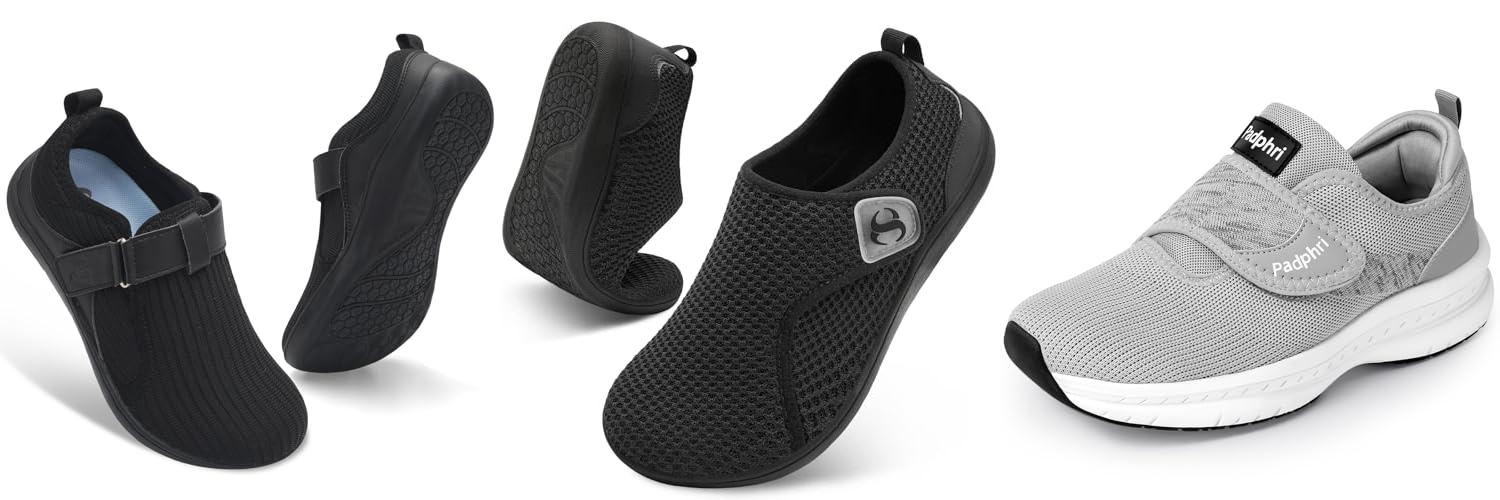
Imagine walking on clouds, even when your feet feel like they’re tingling or numb. For millions living with diabetes, this isn’t a dream, but a daily challenge. Diabetic neuropathy, a common complication, can steal the sensation from your feet, making them vulnerable to injury. This means choosing the wrong shoes can lead to serious problems, from blisters to infections.
Finding the perfect pair of shoes for diabetic neuropathy shouldn’t be a stressful ordeal. You worry about comfort, safety, and if your shoes will actually help protect your delicate feet. It’s tough to know what features really matter and which brands to trust. That’s where we come in. This post is your friendly guide to navigating the world of diabetic footwear.
By the end of this article, you’ll understand exactly what to look for in shoes designed for neuropathy. We’ll break down the key features that offer support and protection, and we’ll share tips on how to find shoes that feel as good as they look. Get ready to step into a world of comfort and confidence!
Our Top 5 Shoes For Diabetics With Neuropathy Recommendations at a Glance
Top 5 Shoes For Diabetics With Neuropathy Detailed Reviews
1. Spesoul Wide Womens Walking Shoes Adjustable Diabetic Shoes Breathable Zero Drop Barefoot Shoe Neuropathy Edema Nursing Shoe Wide Width Sneakers 8 Black

Rating: 9.4/10
The Spesoul Wide Womens Walking Shoes in Black are designed for ultimate comfort and support. These sneakers are perfect for anyone who needs extra room and adjustability in their footwear. They are great for daily wear and various activities.
What We Like:
- Wide Width: These shoes offer a roomy toe box. This helps your feet relax and keeps them comfortable, especially if they swell.
- Adjustable Strap: The hook and loop closures let you easily adjust the fit. This is ideal for people with diabetes, bunions, or swollen feet.
- Breathable Material: The knit upper keeps your feet cool and dry. You can wear them in any season.
- Zero Drop & Non-Slip: The flat soles offer good balance and stability. The rubber soles have great grip, so you won’t slip.
- Versatile Use: You can wear these shoes for walking, working, traveling, or exercising. They are suitable for many different activities.
What Could Be Improved:
- While the breathable knit is great for comfort, it might offer less protection in very wet or cold conditions compared to a more robust material.
- The zero-drop design is beneficial for some, but individuals accustomed to shoes with a heel lift may need a transition period.
These Spesoul shoes are a fantastic option for comfort and versatility. They provide the support and adjustability many people need for an active lifestyle.
2. Womens Neuropathy Shoes Wide Toe Box Walking Shoes Comfortable Diabetic Nursing Shoe Non Slip Plantar Fasciitis Orthopedic Shoes Black Casual Sneakers Size 8.5

Rating: 9.0/10
Introducing the Womens Neuropathy Shoes Wide Toe Box Walking Shoes: your ultimate solution for comfortable and supportive footwear. These black casual sneakers, size 8.5, are designed to help with a variety of foot conditions, making them a fantastic choice for anyone seeking relief and better foot health.
What We Like:
- The wide toe box gives your toes plenty of room. This prevents squeezing and helps with bunions, swollen feet, and corns.
- Adjustable straps let you customize the fit. They work well for people with diabetes, neuropathy, arthritis, and plantar fasciitis.
- These shoes are super lightweight and breathable. The stretchy upper keeps your feet cool and odor-free, offering instant comfort.
- The zero-drop sole provides good stability and feedback from the ground. This helps strengthen your foot muscles.
- The non-slip rubber sole offers great grip on different surfaces, keeping you safe.
- They are perfect for many activities, like walking, gym workouts, and even just shopping or driving.
What Could Be Improved:
- While designed for comfort, the minimalist style might not offer the same level of cushioning as traditional orthopedic shoes for some users.
- The breathable, stretchy upper, while great for reducing sweat, might offer less protection in very wet conditions compared to more rigid shoe materials.
These shoes offer a blend of comfort, support, and versatility. They are a smart choice for anyone prioritizing foot health and an active lifestyle.
3. Padphri Diabetic Shoes for Men Extra Wide Width Walking Shoe Orthopedic Neuropathy Edema Swollen Feet Lymphedema Sneakers Zapatos para Diabéticos Hombre Grey

Rating: 8.6/10
Introducing the Padphri Diabetic Shoes for Men, designed with extra comfort and support for those with diabetic needs, swollen feet, or neuropathy. These grey sneakers, also known as Zapatos para Diabéticos Hombre, offer a smart solution for everyday walking and activity.
What We Like:
- The extra-wide toe box gives your toes plenty of room. It stops them from getting squeezed and helps prevent sores. This is great for swollen feet.
- The inside of the shoe is smooth. There are no rough spots to rub your feet.
- The shoe has a cushioned heel. This makes it comfy and helps absorb bumps.
- You can easily adjust the fit with the buckle. This is helpful if your feet swell during the day.
- It’s easy to put on and take off.
- The shoe has a special sole. It helps you grip the ground so you don’t slip.
- The top part of the shoe is made of mesh. This lets air flow through, keeping your feet cool and dry.
- They are very light. This means your feet won’t get tired easily.
What Could Be Improved:
- While the grey color is classic, a wider range of color options might appeal to more people.
- More detailed sizing charts could help ensure the perfect fit for everyone.
These Padphri shoes offer excellent comfort and protection. They are a thoughtful choice for anyone needing specialized footwear.
4. Womens Casual Walking Shoes Wide Width Diabetic Shoes for Women White Neuropathy Bunion Orthopedic Nurse Shoe Summer Spring Non Slip Barefoot Indoor Outdoor Shoes Size 8

Rating: 9.0/10
Discover ultimate comfort and support with these Women’s Casual Walking Shoes. Designed for wide feet and those with specific foot needs like neuropathy or bunions, these white shoes are perfect for summer and spring.
What We Like:
- These shoes have a comfy wide width. The toe box is roomy. Your toes won’t feel squeezed.
- They are adjustable diabetic shoes. The straps fit different foot shapes. They are great for diabetes, bunions, and swollen feet.
- These shoes are lightweight and feel like barefoot shoes. The stretchy top keeps your feet cool and fresh.
- They are zero-drop walking shoes. The rubber sole has good grip. You get better balance and feel the ground.
- These shoes are a nice choice for many activities. You can wear them inside or outside. Walking, exercising, or even just shopping is comfortable.
What Could Be Improved:
- The white color might show dirt easily.
- More color options would be nice.
These versatile shoes offer fantastic comfort and support for daily wear. They are a smart option for anyone seeking relief and an active lifestyle.
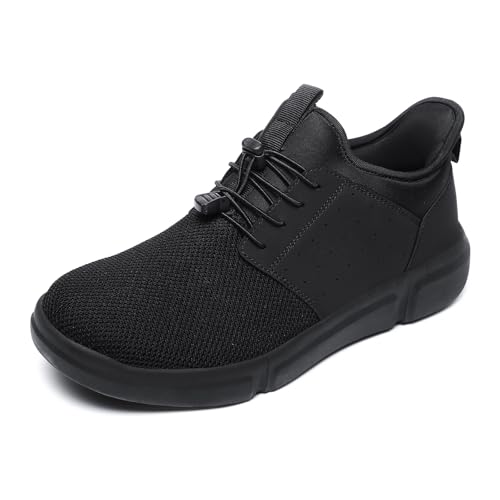
5. BLSART Diabetic Shoes for Men Wide Slip-on Shoes for Swollen Feet Walking Shoes for Elderly Foot Pain Relief Neuropathy Black 11.5
Rating: 8.8/10
Dealing with foot pain, swelling, or neuropathy can make everyday activities a challenge. That’s where the BLSART Diabetic Shoes for Men come in, offering a blend of comfort, convenience, and style for those seeking relief and ease in their footwear. Designed with specific foot concerns in mind, these shoes aim to make walking and standing more comfortable for a wide range of individuals.
What We Like:
- These shoes offer amazing foot pain relief. The soles use special materials that soak up bumps with every step, making you feel like you’re walking on clouds.
- Putting them on is super easy! They have a special slip-on design so you don’t need to bend down or use your hands. Just step in and go!
- They have a wide toe box. This means your toes have plenty of room to spread out. This is great if you have swollen feet, bunions, or other toe issues.
- Your feet will stay cool and dry. The shoes are made with a breathable fabric that lets air flow freely. This is perfect for long walks or standing for a long time.
- These shoes look good and can be worn anywhere. They mix casual and dressy styles, so you can wear them to parties, work, or just for a walk in the park.
What Could Be Improved:
- While the shoes are very versatile, some users might want more specific color options beyond black for certain occasions.
- The innovative hand-free design is a major plus, but for individuals with very severe mobility issues, additional support features might be beneficial.
These BLSART diabetic shoes are a fantastic option for anyone needing extra comfort and ease. They truly deliver on their promise of pain relief and convenience.
Finding the Right Fit: Shoes for Diabetics with Neuropathy
Living with diabetic neuropathy means your feet need extra care. Nerve damage can cause numbness, tingling, and pain, making regular shoes uncomfortable and even dangerous. The right footwear can prevent serious foot problems like sores and infections. This guide helps you choose shoes that protect and support your feet.
Key Features to Look For
When shopping for diabetic shoes, prioritize these essential features:
- Ample Depth and Width: Neuropathy can cause swelling and foot deformities. Shoes need to be roomy enough to avoid pressure points. Look for styles with a wide toe box and enough vertical space inside.
- Adjustable Closures: Velcro straps or laces allow you to customize the fit. This is crucial for accommodating swelling and ensuring a secure, non-restrictive feel.
- Removable Insoles: Many diabetic shoes come with insoles that can be swapped out. This lets you use custom orthotics or thicker insoles for added cushioning and support.
- Seamless Interior: Rough seams can irritate sensitive skin. Shoes with smooth, seamless interiors prevent rubbing and chafing, which is vital for preventing blisters.
- Good Shock Absorption: The soles should be thick and cushioned. This absorbs impact when you walk, reducing stress on your feet and joints.
- Slip-Resistant Soles: Falls are a significant risk for people with neuropathy. Outsoles with good grip help prevent slips and stumbles.
Important Materials
The materials used in diabetic shoes directly impact comfort and protection:
- Soft, Breathable Uppers: Materials like soft leather, mesh, or specialized synthetic fabrics keep your feet cool and dry. Breathability prevents moisture buildup, which can lead to fungal infections.
- Padded Collars and Tongues: These provide extra cushioning around the ankle and top of the foot, preventing irritation and adding to the overall comfort.
- Flexible Midsole: A flexible midsole allows your foot to move naturally. It shouldn’t be too stiff, which can restrict movement and cause discomfort.
- Durable Outsole: While flexibility is important, the outsole needs to be sturdy enough to withstand daily wear and provide good traction. Rubber or durable synthetic compounds are common.
Factors That Improve or Reduce Quality
Several factors influence the quality of diabetic shoes:
- Construction Quality: Well-made shoes have strong stitching and durable materials. High-quality construction means the shoes will last longer and offer consistent support. Poorly made shoes can break down quickly, losing their protective features.
- Brand Reputation: Trusted brands often invest more in research and development for specialized footwear. They understand the unique needs of people with diabetes.
- Fit and Comfort: Ultimately, the best shoe is one that feels good. Even a shoe with great features won’t be high quality if it doesn’t fit well and feel comfortable on your feet.
- Specialized Features: Some shoes offer advanced features like specialized arch support or advanced cushioning systems. These can significantly improve comfort and protection.
User Experience and Use Cases
Diabetic shoes are designed for everyday wear. They are perfect for:
- Daily Activities: Walking the dog, running errands, or simply moving around the house.
- Standing for Long Periods: If your job requires you to stand, these shoes provide essential cushioning and support.
- Individuals with Foot Issues: They are ideal for anyone experiencing swelling, bunions, hammertoes, or other foot problems related to diabetes.
- Preventing Complications: The primary use case is to protect feet and prevent the development of ulcers, infections, and other serious foot complications.
Frequently Asked Questions
Q: What is diabetic neuropathy?
A: Diabetic neuropathy is nerve damage caused by high blood sugar levels. It often affects the feet and legs, leading to numbness, tingling, and pain.
Q: Why are special shoes needed for diabetic neuropathy?
A: Special shoes are needed because nerve damage makes feet less sensitive. You might not feel a blister or a cut, which can lead to serious infections. These shoes offer protection and comfort.
Q: How do I know if my shoes are too tight?
A: If your shoes pinch, rub, or leave red marks on your feet after wearing them, they are likely too tight. You should have about a thumb’s width of space between your longest toe and the end of the shoe.
Q: Can I wear my regular sneakers?
A: Regular sneakers may not offer the deep toe box, seamless interiors, or sufficient cushioning that diabetic shoes provide. They can sometimes cause pressure points or irritation.
Q: How often should I replace my diabetic shoes?
A: You should replace them when the cushioning wears down or the soles show significant wear. This is typically every 6-12 months with regular use, but it depends on the shoe and how often you wear them.
Q: Should I see a podiatrist before buying shoes?
A: Yes, it is highly recommended. A podiatrist can assess your feet, recommend specific features, and may even provide custom orthotics if needed.
Q: What does “deep toe box” mean?
A: A deep toe box means there is extra vertical space in the front of the shoe. This prevents your toes from being squashed or rubbing against the top of the shoe.
Q: Are diabetic shoes always expensive?
A: They can be more expensive than regular shoes due to their specialized features and construction. However, many insurance plans cover some or all of the cost of therapeutic diabetic footwear.
Q: Can I put my own insoles in diabetic shoes?
A: Yes, most diabetic shoes have removable insoles, which allows you to insert your custom orthotics or thicker cushioned insoles for added support and comfort.
Q: What are the signs of foot problems I should look out for?
A: Look for redness, swelling, blisters, cuts, sores, or any changes in skin color. It is important to check your feet daily, especially if you have neuropathy.
In conclusion, every product has unique features and benefits. We hope this review helps you decide if it meets your needs. An informed choice ensures the best experience.
If you have any questions or feedback, please share them in the comments. Your input helps everyone. Thank you for reading.