

Imagine this: you’re mid-WOD, pushing hard through a set of burpees, and suddenly your feet feel… wrong. They slip, they lack support, or maybe they just feel heavy and slow. Sound familiar? Choosing the right shoes for cross-training isn’t just about looking cool; it’s about performing your best and staying injury-free. It’s a common struggle, with so many shoes promising the world. You want something that can handle a heavy lift, a quick sprint, and a jump without missing a beat.
That’s where we come in. This post is your cheat sheet to navigating the world of cross-training footwear. We’ll break down what truly matters when picking out your next pair, cutting through the jargon and the hype. By the end, you’ll feel confident knowing exactly what to look for, so you can stop worrying about your feet and start focusing on crushing your next workout. Get ready to step up your game.
Our Top 5 Shoes For Cross Training Recommendations at a Glance
Top 5 Shoes For Cross Training Detailed Reviews
1. PUMA Men’s Softride Enzo 5 Cross Training Shoes

Rating: 9.1/10
Step into ultimate comfort and style with the PUMA Men’s Softride Enzo 5 Cross Training Shoes. These shoes, in a cool Desert Dust-Black color, are designed to keep your feet happy all day long. Whether you’re hitting the gym or just running errands, they offer the perfect blend of support and cushioning. The modern look means you’ll feel as good as you look.
What We Like:
- Super soft cushioning with PUMA’s SoftFoam+ sockliner and extra thick heel.
- Amazing all-day comfort thanks to Softride EVA technology.
- Stylish design with a modern upper, cool TPU caging, and a sleek look.
- Clearly shows off the iconic PUMA branding on the toe, tongue, and heel.
- Made with at least 30% recycled material, so you’re helping the planet.
What Could Be Improved:
- While great for many activities, they might not be the best choice for very intense, specialized sports.
- The “Desert Dust” color might show dirt more easily than darker options.
These PUMA Softride Enzo 5 shoes are a fantastic choice for anyone seeking comfort and a modern look. They deliver on both performance and sustainability, making them a win-win.
2. Nike Air Monarch IV Training Shoe (4E) – White/Black/Varsity Red

Rating: 9.0/10
The Nike Air Monarch IV Training Shoe (4E) in White/Black/Varsity Red, size 11 US, offers a blend of classic style and reliable performance for your daily grind. These shoes are built to last and keep your feet feeling good, whether you’re hitting the gym or just running errands.
What We Like:
- The combination of leather and synthetic leather materials makes these shoes tough and comfortable.
- A full-length Air-Sole unit provides excellent cushioning, support, and comfort with every step.
- The durable rubber sole grips the ground well, giving you good traction on various surfaces.
- The wide 4E fit is great for those who need a little extra room.
- The classic white, black, and varsity red colorway looks sharp.
What Could Be Improved:
- While comfortable, the cushioning might not be enough for high-impact activities like serious running.
- The design is classic, but some might find it a bit basic compared to newer, flashier styles.
For anyone seeking a dependable and comfortable training shoe with a timeless look, the Nike Air Monarch IV is a solid pick. It delivers on durability and everyday comfort.
3. Avia Avi-Verge Mens Sneakers – Cross Trainer Mens Tennis Shoes

Rating: 9.4/10
Step onto the court or the walking trail with confidence in the Avia Avi-Verge Mens Sneakers. These versatile shoes are designed for active men who demand both comfort and support. Whether you’re playing pickleball, tennis, or just need a reliable pair for your daily walk, the Avi-Verge has you covered. They come in a classic black color and a size 11.5 Medium, fitting a variety of needs.
What We Like:
- The shoes offer great support thanks to their special EVA midsole, heel cradle, and Avia’s Cantilever Technology. This helps keep your heel steady and absorbs shock well.
- They are built to be sturdy and dependable for everyday use and active lifestyles, making them excellent for both court sports and general training.
- The removable memory foam sock liner provides a custom, comfortable fit by molding to your foot’s shape and relieving pressure points.
- These sneakers are lightweight, which is great for fast movements on the court. They are also available in a range of sizes, including wide options.
- The non-marking TPR soleplate is tough and doesn’t leave marks on gym floors or courts, while also holding up well to regular wear.
What Could Be Improved:
- While the standard colors are great, a wider variety of bolder color options might appeal to some users.
- Availability in certain specialized sizes or widths might be limited at times.
The Avia Avi-Verge Mens Sneakers deliver a winning combination of comfort, support, and durability. You’ll appreciate their performance on and off the court.
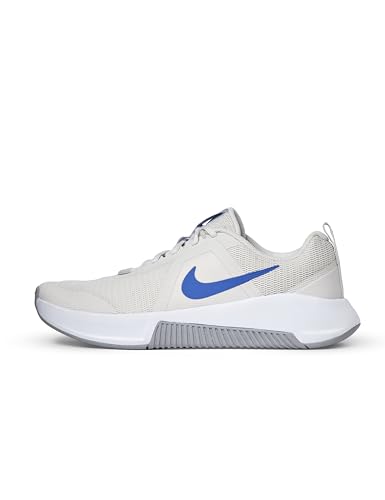
4. Nike Men’s MC Trainer 3 Training/Workout Shoes
Rating: 8.9/10
Lace up for your next workout with the Nike Men’s MC Trainer 3 Training/Workout Shoes. These shoes come in a cool Platinum Tint/Comet Blue-Wolf Grey-White colorway and are designed to help you perform your best. They offer a great mix of support and flexibility, making them a solid choice for a variety of exercises.
What We Like:
- These shoes give you a stable base, which helps you feel steady during lateral movements.
- The design includes forefoot flex grooves, letting your feet move naturally.
- You’ll find cushioning in the forefoot and heel to soften impacts.
- The foam midsole provides soft cushioning for comfort during tough workouts.
- The rubber outsole has a versatile traction pattern for easy multi-directional movement.
- Extra skins on the toe tip and heel add durability to high-wear areas.
What Could Be Improved:
- While supportive, some users might prefer even more cushioning for very high-impact activities.
- The sizing might require trying on to find the perfect fit for everyone.
Overall, the Nike MC Trainer 3 offers a balanced feel for your training sessions. They are built to support you and let you move freely, making them a dependable partner for your fitness journey.
5. Reebok Nano Gym Womens Sneakers

Rating: 9.4/10
The Reebok Nano Gym Womens Sneakers are your new go-to shoes for all kinds of activities. Whether you’re hitting the gym for a serious workout or just going for a brisk walk, these shoes are designed to keep you comfortable and supported. They offer the best of both worlds, looking like stylish running shoes but packing the power of cross-training sneakers.
What We Like:
- These shoes are made for the gym! They work great for running, lifting weights, and fitness classes.
- You get awesome support. A soft foam collar hugs your foot, and a special cradle helps you stay steady during lifts and movements.
- They are super versatile. The breathable mesh keeps your feet cool, and the sturdy rubber sole gives you good grip on different floors.
- Reebok made these for active women. They look good and feel great, making them perfect for workouts and even just walking around.
- Your feet will feel secure and supported. The built-in arch support and comfortable bootie design help with this.
What Could Be Improved:
- While great for many activities, they might not be the absolute best for highly specialized sports requiring very specific shoe features.
- Some users might prefer a wider variety of color options.
Overall, the Reebok Nano Gym sneakers are a fantastic choice for women who lead an active life. They offer a great blend of style, comfort, and performance for almost any activity you can think of.
Finding Your Perfect Cross-Training Shoes: A Buyer’s Guide
Cross-training shoes are your go-to footwear for a variety of workouts. They help you jump, lift, run, and cut with confidence. Choosing the right pair makes a big difference in comfort and performance. This guide will help you find the best shoes for your active lifestyle.
1. Key Features to Look For
When you shop for cross-training shoes, keep these important features in mind:
- Support: Good shoes offer excellent ankle and arch support. This prevents injuries and keeps you comfortable during tough workouts. Look for shoes with a firm heel counter. This is the stiff part at the back of the shoe. It helps lock your heel in place.
- Cushioning: You need enough cushioning to absorb impact. This protects your joints, especially when jumping or running. Too much cushioning can make you feel unstable during lifting. You want a balance.
- Flexibility: The shoe should bend easily with your foot. This is important for natural movement. The forefoot area should be flexible. This allows your toes to spread and push off the ground.
- Traction: A good grip keeps you from slipping. The outsole of the shoe has a pattern for traction. Look for a durable rubber outsole. It should offer grip on various surfaces.
- Breathability: Your feet can get hot during exercise. Breathable shoes keep your feet cool and dry. Mesh materials are often used for this. They allow air to flow through the shoe.
2. Important Materials
The materials used in cross-training shoes affect their performance and feel.
- Uppers: Most uppers are made from mesh, synthetic leather, or knit fabrics.
- Mesh: This material is lightweight and very breathable. It helps keep your feet cool.
- Synthetic Leather: This adds durability and some structure to the shoe. It can offer more support than mesh alone.
- Knit Fabrics: These are flexible and can provide a sock-like fit. They are also often breathable.
- Midsoles: This is the layer between the outsole and the insole. It provides cushioning and shock absorption. Common midsole materials include EVA (ethylene-vinyl acetate) and PU (polyurethane). EVA is lighter and more flexible. PU is denser and more durable.
- Outsoles: This is the bottom part of the shoe that touches the ground. It’s usually made of rubber. Different rubber compounds offer varying levels of grip and durability.
3. Factors That Improve or Reduce Quality
Several things make a cross-training shoe great or not so great.
- Construction: How well the shoe is put together matters. Strong stitching and secure bonding of materials indicate good quality. A shoe that feels flimsy might not last long.
- Durability: High-quality shoes use strong materials that resist wear and tear. They can handle frequent use and tough workouts. Cheaper materials might break down quickly.
- Fit: A shoe that fits poorly will reduce your quality of experience. It can cause blisters and discomfort. Always try shoes on before buying. Walk around in them.
- Weight: Lighter shoes often feel better for faster movements. Heavier shoes might offer more support for lifting. The right weight depends on your activity.
4. User Experience and Use Cases
Cross-training shoes are designed for a wide range of activities.
- Gym Workouts: They are perfect for gym sessions that include weightlifting, circuit training, and cardio machines. The stability helps with lifting. The cushioning helps with impact.
- HIIT Classes: High-intensity interval training often involves jumping, burpees, and quick movements. Cross-training shoes provide the support and grip needed for these exercises.
- Short Runs: While not ideal for long-distance running, these shoes can handle short sprints or warm-up jogs. They offer enough cushioning for brief periods of running.
- Agility Drills: If you do exercises that involve changing direction quickly, cross-training shoes offer the lateral support to prevent ankle rolls.
Frequently Asked Questions (FAQ)
Q: What are the main Key Features to look for in cross-training shoes?
A: The main Key Features are excellent support for your ankles and arches, enough cushioning to absorb impact, flexibility for natural foot movement, good traction for grip, and breathability to keep your feet cool and dry.
Q: What materials are important in cross-training shoes?
A: Important materials include mesh or knit fabrics for breathable uppers, synthetic leather for added support and durability, EVA or PU for the cushioning midsole, and durable rubber for the outsole that provides traction.
Q: How does shoe construction affect quality?
A: Strong stitching and well-bonded materials mean a shoe is built to last and will offer reliable performance. Poor construction leads to shoes that break down quickly.
Q: Why is fit so important for user experience?
A: A good fit ensures comfort and prevents injuries like blisters. A poorly fitting shoe makes any workout uncomfortable and can hinder your performance.
Q: Are cross-training shoes good for running?
A: They are suitable for short runs or warm-up jogs. However, they are not designed for long-distance running, which requires more specialized cushioning and support.
Q: What kind of workouts are cross-training shoes best for?
A: They are excellent for gym workouts, HIIT classes, weightlifting, agility drills, and any activity that involves a mix of jumping, lifting, and quick movements.
Q: How can I tell if a shoe has good ankle support?
A: A shoe with good ankle support will have a firm heel counter that doesn’t easily collapse and will feel snug around your ankle without being too tight.
Q: What is the difference between EVA and PU midsoles?
A: EVA midsoles are generally lighter and more flexible, offering good shock absorption. PU midsoles are denser, more durable, and can provide firmer support, often preferred for heavier lifting.
Q: Should I buy shoes that are too big to allow for thicker socks?
A: No, it’s best to buy shoes that fit well with the socks you plan to wear for your workouts. Shoes that are too big can cause your feet to slide, leading to blisters and instability.
Q: How often should I replace my cross-training shoes?
A: You should consider replacing your cross-training shoes every 6-12 months, depending on how often you use them and the intensity of your workouts. Look for signs of wear and tear, like flattened cushioning or worn-out soles.
In conclusion, every product has unique features and benefits. We hope this review helps you decide if it meets your needs. An informed choice ensures the best experience.
If you have any questions or feedback, please share them in the comments. Your input helps everyone. Thank you for reading.