
Imagine taking a wrong step, and suddenly, your heel bone—the calcaneus—snaps. This is a calcaneal fracture, a serious injury that can sideline you for months. After the casts come off and the initial healing begins, a big question pops up: what kind of shoes should you wear? It’s not as simple as grabbing your old sneakers.
Choosing the right footwear after a calcaneal fracture is crucial. Wear the wrong shoes, and you risk more pain, slower healing, or even re-injury. It’s a confusing time, and many people don’t know where to start. You want shoes that protect your healing heel, offer comfort, and help you get back on your feet safely.
This guide is here to help. We’ll break down what makes a shoe ideal for your recovery. You’ll learn about the features to look for, the types of shoes that work best, and what to avoid. By the end, you’ll feel confident in choosing footwear that supports your journey back to normal life.
Our Top 5 Shoe After Calcaneal Fracture Recommendations at a Glance
Top 5 Shoe After Calcaneal Fracture Detailed Reviews
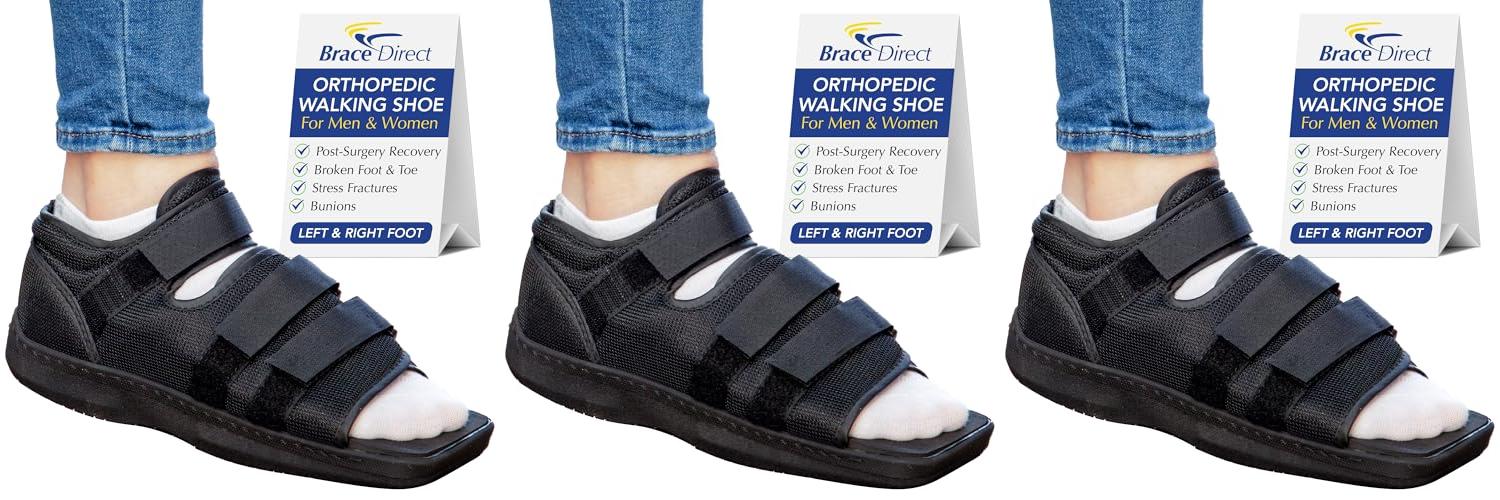
1. Brace Direct Post-Op Shoe – Adjustable Orthopedic Walking Shoe for Broken Foot & Toe

Rating: 8.5/10
The Brace Direct Post-Op Shoe is designed to help you recover comfortably after injuries or surgery. This adjustable orthopedic walking shoe supports your broken foot or toe, stress fractures, bunions, and post-surgery healing. It works for either your left or right foot. The Women’s Large size fits US shoe sizes 9-10.5, which is about 26 cm.
What We Like:
- Square Toe Comfort: The roomy square toe box protects swollen or bandaged toes. It’s great for bunion surgery, broken toes, and foot fractures. The open design gives your toes plenty of space. Breathable mesh keeps your foot cool and dry.
- Natural Gait with Rocker Sole: The special rocker-bottom sole helps you walk more smoothly. It reduces strain on your foot and ankle. This makes every step easier as you heal.
- Adjustable Fit: Hook-and-loop straps let you adjust how tight the shoe is. You can change it as your swelling changes. This stops painful pressure points. It also keeps your foot supported all day and night.
- Access to Fitting Support: Brace Direct offers free video fitting help. Their American-owned team makes sure you get the perfect fit. The shoe is available in sizes Small to XL. It’s also FSA/HSA eligible, making it easier to get the support you need.
- Sizing Options: The shoe comes in various sizes for both men and women, making it easy to find your correct fit.
What Could Be Improved:
- While the sizing chart is detailed, some users might find it takes a moment to match their specific shoe size to the provided ranges.
This Brace Direct Post-Op Shoe offers excellent support and comfort for your recovery journey. Its thoughtful design helps you move more naturally and stay comfortable.
2. Brace Direct Post-Op Shoe – Adjustable Orthopedic Walking Shoe for Broken Foot & Toe
Rating: 9.0/10
The Brace Direct Post-Op Shoe is designed to help you recover comfortably after a foot or toe injury or surgery. It offers a secure and adjustable fit for both left and right feet, making it a versatile choice for many people. This shoe aims to make walking easier and more natural as your foot heals.
What We Like:
- The square toe box gives your toes plenty of room, especially if they are swollen or bandaged after surgery for bunions or broken toes. Breathable mesh keeps your foot cool and dry.
- The rocker sole makes walking feel smoother and more natural. This helps reduce strain on your foot and ankle as you recover.
- You can easily adjust the hook-and-loop straps to get the right amount of support. This helps prevent sore spots and keeps your foot supported all day and night.
- Brace Direct offers free video fitting help to make sure you get the perfect fit. The shoe is also FSA/HSA eligible, so it can be a smart financial choice.
- It’s available in a range of sizes for both men and women, making it easy to find the right fit based on your regular shoe size.
What Could Be Improved:
- While the shoe is adjustable, some users might find the sizing chart a little confusing to navigate initially.
- The single shoe design means you’ll need to buy a separate shoe for the other foot if both are injured or if you prefer to wear matching shoes.
Overall, the Brace Direct Post-Op Shoe provides excellent comfort and support for healing feet. Its thoughtful design helps make the recovery process much more manageable.
3. Brace Direct Post-Op Shoe – Adjustable Orthopedic Walking Shoe for Broken Foot & Toe
Rating: 9.3/10
Dealing with a broken foot, toe, or recovering from surgery can be tough. The Brace Direct Post-Op Shoe aims to make that journey a little easier. This adjustable orthopedic walking shoe is designed to protect your injured foot and help you move more comfortably during your recovery period. It’s made for both left and right feet and comes in various sizes, including a Men’s XL for those with larger shoe sizes.
What We Like:
- The square toe box gives your toes plenty of room and protection, especially if they’re swollen or bandaged. It’s better than the old rounded ones.
- The breathable mesh keeps your foot cool and dry, which feels nice.
- The special rocker-bottom sole helps you walk more naturally. It makes each step smoother and puts less strain on your foot and ankle.
- You can easily adjust the hook-and-loop straps to get the right amount of tightness as your swelling changes. This stops painful pressure spots.
- Brace Direct offers free video fitting help to make sure you get the perfect fit.
- It’s FSA/HSA eligible, so you might be able to use those funds to buy it.
What Could Be Improved:
- While the sizing chart is detailed, it’s always a good idea to double-check your measurements before ordering to ensure the best fit.
This Brace Direct Post-Op Shoe offers excellent comfort and support for anyone recovering from foot injuries or surgery. Its thoughtful design makes a noticeable difference in everyday comfort and mobility.
4. BraceAbility Short Walking Boot – Orthopedic Medical Walker Cast for Broken Toe Injuries

Rating: 9.2/10
The BraceAbility Short Walking Boot is a great tool for anyone dealing with foot or ankle injuries. It helps you walk while your foot heals. It works for broken toes, sprained ankles, and even after surgery. You can wear it on either your left or right foot.
What We Like:
- This boot protects and helps heal injuries like broken toes or sprained ankles.
- It has a soft foam liner and a roomy toe area, so your foot stays comfy and has space for swelling.
- The bottom is shaped like a rocker, which makes walking feel more natural.
- You can adjust the straps easily with medical-grade Velcro to get the perfect fit.
- The strong plastic sides offer good support for your foot and ankle.
- It fits both men and women.
What Could Be Improved:
- It’s important to check the size chart carefully before buying to ensure a good fit.
This walking boot is a reliable option for recovery. It offers the support and comfort you need to get back on your feet.
5. Walking Brace for Broken Toe Injuries
Rating: 9.5/10
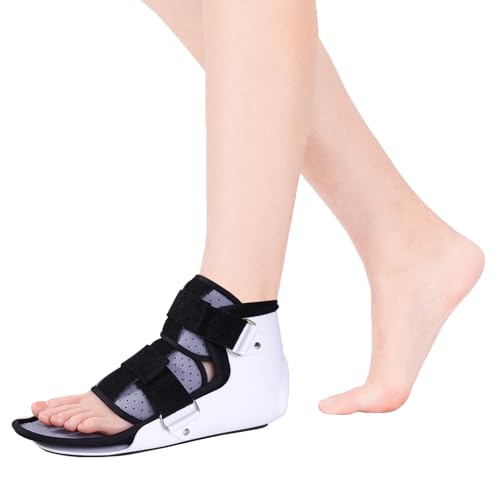
Dealing with a broken toe, sprained ankle, or recovering from surgery on your foot can be tough. This walking brace is designed to help you heal comfortably and safely. It supports your left foot, whether you’re dealing with a fracture, stress injury, or need post-operative care. The brace helps keep your ankle stable, reduces pain, and lets you walk while your injury mends.
What We Like:
- The brace uses durable, lightweight plastic and breathable fabric, so it’s comfy to wear all day.
- It has a wide toe area and an open toe design, giving plenty of room for bandages or swelling.
- The low-profile bottom helps you walk more naturally.
- Easy-to-adjust Velcro straps let you get the perfect fit.
- The strong plastic shell offers great protection and support for your foot and ankle.
- It’s suitable for various injuries like broken toes, sprains, metatarsal stress, and after bunion surgery.
What Could Be Improved:
- While it offers good support, some users might find the rigid plastic less flexible than other options.
- The brace is specifically for the left foot, which means it’s not a universal option.
This walking brace offers solid support and comfort for a variety of foot and ankle injuries. It’s a practical choice for aiding your recovery journey.
Choosing the Right Shoe After a Calcaneal Fracture: Your Guide to Comfort and Recovery
A calcaneal fracture, also known as a broken heel bone, can be a painful and challenging injury. After the initial healing period, selecting the right footwear is crucial for your comfort, stability, and continued recovery. This guide will help you understand what to look for in shoes designed for this specific situation.
Why Special Shoes Matter
After a calcaneal fracture, your heel bone needs protection and support. Regular shoes might not offer enough cushioning or stability. Special post-fracture shoes help reduce pressure on your heel, absorb shock, and guide your foot through a healthy walking motion. This can prevent re-injury and make your recovery smoother.
1. Key Features to Look For
When you’re shopping for shoes after a heel fracture, keep these important features in mind:
- Excellent Cushioning: Your heel needs soft support. Look for shoes with thick, shock-absorbing midsoles. This material helps soften every step you take.
- Arch Support: Good arch support helps distribute weight evenly across your foot. This takes pressure off your heel.
- Wide Toe Box: Your toes need space to spread out. A roomy toe box prevents squeezing and discomfort.
- Adjustable Straps: Shoes with Velcro straps or laces let you customize the fit. You can make them tighter or looser as needed.
- Rocker Sole: Some shoes have a curved sole. This “rocker” shape helps your foot roll forward naturally with each step. It reduces the need to push off with your heel.
- Removable Insole: This allows you to add custom orthotics if your doctor recommends them.
2. Important Materials
The materials used in your shoes play a big role in comfort and support.
- Midsoles: This is the cushioning layer. EVA (Ethylene Vinyl Acetate) and PU (Polyurethane) are common. EVA is lighter and softer. PU is denser and more durable. Both offer good shock absorption.
- Uppers: The part that covers your foot. Mesh is breathable and lightweight. Leather offers more support and durability. Knit materials are flexible and comfortable.
- Outsoles: The bottom part that touches the ground. Rubber is a good choice for grip and durability.
3. Factors That Improve or Reduce Quality
Not all shoes are created equal. Here’s what makes a shoe better or worse for your recovery:
-
Improved Quality:
- High-density foam midsoles: These offer lasting cushioning.
- Durable stitching and construction: This means the shoe will hold up better over time.
- Breathable materials: These keep your feet cool and dry.
- Non-slip outsoles: These prevent dangerous slips and falls.
-
Reduced Quality:
- Thin, flimsy soles: These offer little protection from impact.
- Stiff, unsupportive uppers: These can rub and irritate your foot.
- Poorly placed seams: These can cause friction and blisters.
- Lack of adjustability: If you can’t get a snug, comfortable fit, the shoe isn’t ideal.
4. User Experience and Use Cases
Imagine wearing shoes that make walking feel good again. That’s the goal.
- Daily Wear: These shoes are perfect for everyday activities like walking around the house, going to the store, or short errands. They provide the support you need without feeling bulky.
- Light Exercise: Once cleared by your doctor, some of these shoes can be used for gentle walks or light activities. The cushioning and stability help protect your healing heel.
- Comfort During Recovery: The primary use case is to make your recovery period as comfortable as possible. They reduce pain and allow you to move more freely.
Frequently Asked Questions (FAQ)
Q: What is the main purpose of shoes after a calcaneal fracture?
A: The main purpose is to protect your healing heel, provide cushioning, and offer stability to help you walk comfortably and safely.
Q: How much cushioning should I look for?
A: You should look for shoes with significant cushioning in the heel and midsole. Thick foam layers are ideal.
Q: Do I need a doctor’s recommendation for specific shoes?
A: It’s always a good idea to ask your doctor or physical therapist. They can give you personalized advice based on your specific fracture and recovery stage.
Q: Can I wear my regular sneakers?
A: Generally, no. Regular sneakers often lack the specialized support and cushioning needed after a heel fracture. They might not protect your foot adequately.
Q: Are rocker-soled shoes always necessary?
A: They are very helpful for many people. The rocker sole reduces pressure on the heel. However, your doctor will advise if this feature is best for you.
Q: How do I know if a shoe fits correctly?
A: The shoe should feel snug but not tight. There should be enough room in the toe box. Your heel should not slip out.
Q: Can I wear these shoes with a cast or boot?
A: Typically, these shoes are worn *after* the cast or boot is removed, as part of the rehabilitation process.
Q: How long will I need to wear these special shoes?
A: This varies greatly depending on your healing progress. Your doctor or physical therapist will tell you when you can transition to regular footwear.
Q: What if my foot swells?
A: Look for shoes with adjustable straps. This allows you to loosen the shoe if your foot swells during the day.
Q: Where can I buy these types of shoes?
A: You can find them at specialty shoe stores, sporting goods stores, and online retailers. Look for brands that offer orthopedic or recovery footwear.
In conclusion, every product has unique features and benefits. We hope this review helps you decide if it meets your needs. An informed choice ensures the best experience.
If you have any questions or feedback, please share them in the comments. Your input helps everyone. Thank you for reading.