
Ever felt a strange ache in your feet or legs after a run, even when you thought you were doing everything right? For many runners, especially those with underpronation, this isn’t just bad luck – it’s a sign their shoes aren’t giving them the support they need. Underpronation, also called supination, means your foot doesn’t roll inward enough when you land. This can put extra stress on your feet and ankles, making every step a little tougher.
Finding the perfect running shoes when you underpronate can feel like a treasure hunt with no map. There are so many brands, styles, and features, and it’s easy to get lost. You might worry about picking the wrong pair and end up with more pain instead of more miles. But don’t worry, we’re here to help you navigate this confusing world.
This post will be your guide to understanding what makes a running shoe great for underpronators. We’ll break down the key things to look for, explain why they matter, and share some tips to help you find shoes that will make your runs feel smoother and more comfortable. Get ready to discover how the right shoes can change your running game!
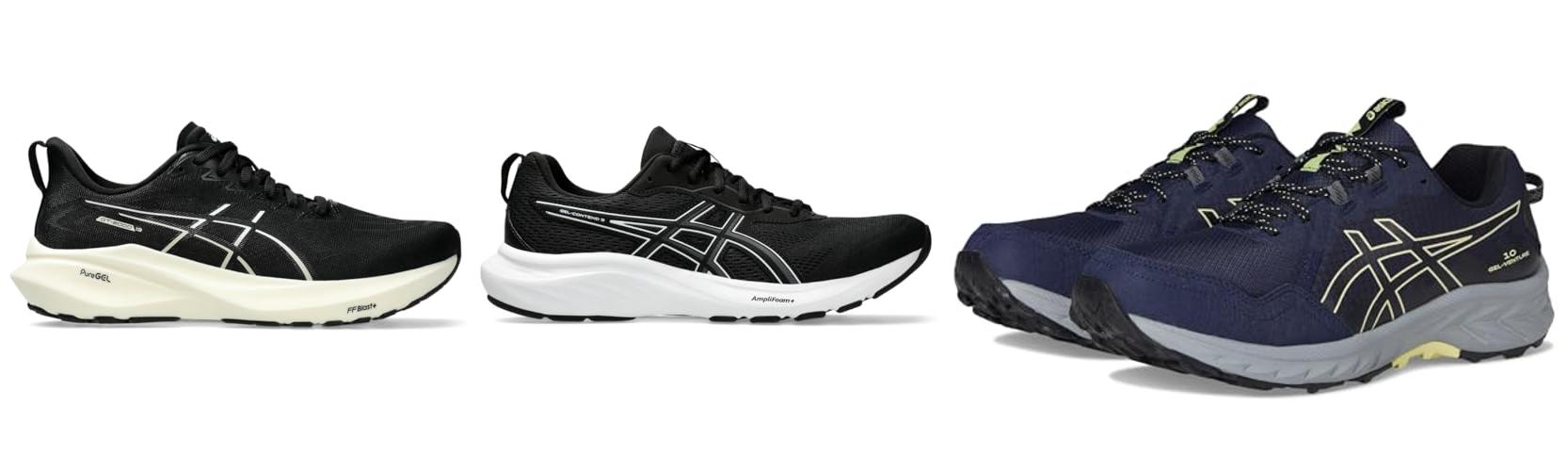
Our Top 5 Running Shoes For Underpronation Recommendations at a Glance
| Image | Product | Rating | Links |
|---|---|---|---|
 |
ASICS Women’s GT-2000 13 Running Shoe | 9.2/10 | Check Price |
 |
ASICS Men’s Gel-Contend 9 Running Shoes | 9.0/10 | Check Price |
 |
ASICS Men’s Gel-Venture 10 Running Shoes | 8.7/10 | Check Price |
 |
ASICS Men’s GT-2000 13 Running Shoe | 8.9/10 | Check Price |
 |
ASICS Women’s Gel-Excite 11 Running Shoes | 9.4/10 | Check Price |
Top 5 Running Shoes For Underpronation Detailed Reviews
1. ASICS Women’s GT-2000 13 Running Shoe
Rating: 9.1/10
The ASICS Women’s GT-2000 13 Running Shoe in Black/White is a fantastic choice for runners looking for comfort and support. This shoe is designed to help you move smoothly and land softly with every step.
What We Like:
- The Jacquard mesh upper wraps your foot snugly, giving you a secure and comfy feel.
- It’s made with at least 50% recycled materials, which is good for the planet.
- The sockliner uses a special dyeing process that saves water and cuts down on pollution.
- You’ll experience soft landings and light cushioning thanks to the Rearfoot PureGEL technology.
- The 3D GUIDANCE SYSTEM helps you run more steadily and smoothly.
What Could Be Improved:
- Some runners might prefer a slightly wider toe box.
- The black and white colorway, while classic, might not appeal to everyone looking for more vibrant options.
Overall, the ASICS GT-2000 13 offers a balanced blend of performance and eco-conscious design. It’s a reliable partner for your daily runs and training sessions.
2. ASICS Men’s Gel-Contend 9 Running Shoes
Rating: 8.8/10
The ASICS Men’s Gel-Contend 9 Running Shoes in Black/White, size 9.5, are designed to offer a comfortable and supportive experience for your runs. These shoes aim to make your feet feel good with every stride.
What We Like:
- The Rearfoot GEL technology really cushions your feet. It absorbs shock well and makes landing feel softer.
- The Jacquard mesh upper lets your feet breathe. This keeps your feet cooler during your runs.
- You get great comfort right when you put them on thanks to the OrthoLite sockliner.
- Flex grooves in the bottom of the shoe help it bend naturally with your foot. This makes running feel more natural.
- Synthetic stitching on the sides adds extra support where you need it.
What Could Be Improved:
- Some people find these shoes run a little small. You might need to go up a half or even a full size to get the best fit.
The ASICS Gel-Contend 9 offers good cushioning and breathability for many runners. Just remember to consider sizing up for the best fit.
3. ASICS Men’s Gel-Venture 10 Running Shoes
Rating: 8.5/10
The ASICS Men’s Gel-Venture 10 Running Shoes in Midnight/Black are designed for runners who want comfort and performance on various terrains. These shoes offer a great blend of cushioning and support. They are built to handle both the road and the trail.
What We Like:
- The mesh upper lets your feet breathe, keeping them cool and dry during your runs.
- ASICS uses a special dyeing process for the sockliner that saves water and lowers pollution.
- Rearfoot GEL technology makes your steps softer and absorbs shock well.
- AMPLIFOAM cushioning gives you a comfortable, springy feel with every stride.
- The trail-specific outsole pattern provides excellent grip on different surfaces, so you can run with confidence.
What Could Be Improved:
- Some runners might find the cushioning a bit firm for extremely long distances.
- The Midnight/Black colorway, while classic, might not appeal to those looking for brighter options.
These shoes are a solid choice for runners seeking reliable performance and comfort. They offer a good balance of features for their price point.
4. ASICS Men’s GT-2000 13 Running Shoe
Rating: 8.9/10
Lace up for your next run with the ASICS Men’s GT-2000 13 Running Shoe in Blue Expanse/Grey Blue. This shoe is built to support you mile after mile, offering a blend of comfort, stability, and eco-friendly design.
What We Like:
- The jacquard mesh upper hugs your foot for a snug and comfy feel.
- ASICS uses recycled materials in the upper, helping the planet.
- The sockliner’s special dyeing process saves water and cuts down on pollution.
- The 3D GUIDANCE SYSTEM helps you run smoother and more steadily.
- Rearfoot PureGEL technology makes landings softer and adds great cushioning.
What Could Be Improved:
- While supportive, some runners might prefer a more minimalist feel.
- The Blue Expanse/Grey Blue color might not be for everyone.
The ASICS GT-2000 13 is a solid choice for runners looking for a stable and cushioned ride with a focus on sustainability. It’s a shoe that cares for your feet and the earth.
5. ASICS Women’s Gel-Excite 11 Running Shoes
Rating: 9.2/10
The ASICS Women’s Gel-Excite 11 Running Shoes in Dark Pink Clay/Orange Glow are designed to make your runs feel amazing. They offer a great mix of softness and energy return, perfect for runners who want a comfortable yet peppy experience.
What We Like:
- The FF BLAST PLUS cushioning makes every step feel light and springy. It’s softer and more responsive than older versions.
- PureGEL technology adds extra softness underfoot. This updated GEL is about 65% softer than the standard GEL.
- The engineered mesh upper is super breathable. It keeps your feet cool and reduces the need for extra layers.
- FLUIDRIDE outsole technology helps your foot roll smoothly through each stride.
- AMPLIFOAM PLUS cushioning provides a softer and more comfortable ride. It’s a noticeable upgrade from standard AMPLIFOAM.
- The dark pink clay and orange glow colors are stylish and eye-catching.
What Could Be Improved:
- While the cushioning is great, some runners might prefer even more support for very long distances.
- The durability of the outsole for trail running could be a concern for some.
These shoes offer a fantastic blend of comfort and performance for everyday runs. You’ll enjoy the plush feel and energetic ride they provide.
Finding the Right Fit: Running Shoes for Underpronation
Are you a runner who feels like your feet don’t roll inward much when you run? That might mean you have underpronation, sometimes called supination. This means your foot’s arch stays high, and your weight lands more on the outside of your foot. It’s important to pick the right running shoes to keep your feet happy and prevent injuries. This guide will help you find those perfect shoes.
Why Underpronation Matters for Running Shoes
Underpronation can put extra stress on your feet and legs. Your shoes need to help absorb shock and provide enough cushioning. They also need to offer a bit of flexibility to let your foot move naturally. Shoes that are too stiff or don’t have enough padding can make your underpronation worse.
Key Features to Look For
When you’re shopping for running shoes for underpronation, keep these features in mind:
- Excellent Cushioning: This is super important. You need shoes that soak up a lot of impact. Look for thick midsoles made of soft foam. This padding protects your bones and joints.
- Flexibility: Your shoes should bend easily with your foot. This allows your foot to move more naturally. A shoe that’s too rigid can force your foot into an unnatural position.
- Neutral Support: Underpronators don’t need extra support to roll their foot inward. Most shoes designed for neutral runners work well. These shoes don’t try to correct your foot’s motion.
- Comfortable Fit: The shoe should feel good from the moment you try it on. There shouldn’t be any pinching or rubbing. Your toes should have enough room to wiggle.
Important Materials
The materials used in running shoes play a big role in how they perform.
- Midsole Foam: This is where most of the cushioning comes from. Common foams include EVA (ethylene-vinyl acetate) and PU (polyurethane). EVA is lighter and more flexible, while PU is denser and more durable. Many brands use special blends for a good balance of softness and responsiveness.
- Outsole Rubber: The rubber on the bottom of the shoe gives you grip. It also adds some durability. Different types of rubber offer varying levels of traction and wear resistance.
- Upper Mesh: The top part of the shoe is usually made of breathable mesh. This keeps your feet cool and dry. Look for a mesh that feels soft and doesn’t cause irritation.
Factors That Improve or Reduce Quality
Some things make a running shoe great, and others can make it less ideal.
- Improved Quality:
- Advanced Cushioning Technologies: Brands often develop their own cushioning systems. These can offer superior shock absorption and energy return.
- Durable Construction: Well-made shoes last longer. Look for strong stitching and high-quality materials that resist wear and tear.
- Breathable Upper: A good mesh upper prevents your feet from getting too hot and sweaty. This increases comfort during your runs.
- Reduced Quality:
- Stiff Design: Shoes that are too stiff can hinder natural foot movement and cause discomfort for underpronators.
- Poor Cushioning: If the midsole feels hard or thin, it won’t provide enough shock absorption.
- Lack of Flexibility: A shoe that doesn’t bend with your foot can lead to strain.
User Experience and Use Cases
How a shoe feels and performs in real-world running is what matters most.
- On the Road: For road running, you want shoes that offer excellent cushioning to handle the hard surfaces. They should feel smooth and comfortable mile after mile.
- On Trails: Trail running shoes often have more aggressive outsoles for better grip on uneven terrain. They might also offer a bit more protection. However, for underpronators, a shoe that’s too stiff or lacks cushioning on trails can be problematic. Prioritize comfort and shock absorption.
- Everyday Wear: Some running shoes are so comfortable they can be worn for walking or casual activities. These shoes will have great cushioning and a relaxed fit.
Frequently Asked Questions (FAQ)
Q: What is underpronation?
A: Underpronation, or supination, is when your foot doesn’t roll inward enough when you run. Your weight stays more on the outside of your foot.
Q: What kind of shoes are best for underpronators?
A: Neutral running shoes with plenty of cushioning are usually the best choice.
Q: Do I need special shoes if I underpronate?
A: Not necessarily special “underpronation shoes.” You need shoes that provide good shock absorption and flexibility, which are common in neutral running shoes.
Q: How much cushioning do I need?
A: A lot! Underpronators benefit from soft, thick midsoles that absorb impact well.
Q: Can I wear shoes for overpronators?
A: No, shoes for overpronators have features that help roll the foot inward. These can actually make underpronation worse.
Q: What does “neutral support” mean?
A: Neutral support shoes don’t try to change how your foot moves. They offer a balanced feel.
Q: How do I know if a shoe is flexible enough?
A: You can bend the shoe in half easily with your hands. It should bend at the ball of your foot.
Q: What if my shoes feel too hard?
A: If your shoes feel hard, they likely don’t have enough cushioning. This can be bad for underpronators.
Q: Can I use any brand of running shoe?
A: Many brands make great neutral, cushioned shoes. It’s more about the specific shoe model than the brand.
Q: How often should I replace my running shoes?
A: Generally, you should replace running shoes every 300-500 miles, or when the cushioning feels worn out.
In conclusion, every product has unique features and benefits. We hope this review helps you decide if it meets your needs. An informed choice ensures the best experience.
If you have any questions or feedback, please share them in the comments. Your input helps everyone. Thank you for reading.