
Does your garden look a little… sad? Are your plants not growing as tall or as green as you’d like? You’re not alone! Many plant parents face the challenge of giving their green friends the best food. Choosing the right liquid fertilizer can feel like navigating a jungle of confusing labels and scientific-sounding words. It’s tough to know which bottle will truly make your tomatoes burst with flavor or your roses bloom with vibrant color.
But what if there was a way to cut through the confusion and pick a fertilizer that your plants will absolutely love? This guide is here to help! We’ll break down the world of liquid fertilizers into easy-to-understand pieces. You’ll learn what to look for, how to use it correctly, and why it’s such a fantastic choice for happy, healthy plants. Get ready to transform your garden from drab to fab!
Our Top 5 Liquid Fertilizer Recommendations at a Glance
Top 5 Liquid Fertilizer Detailed Reviews
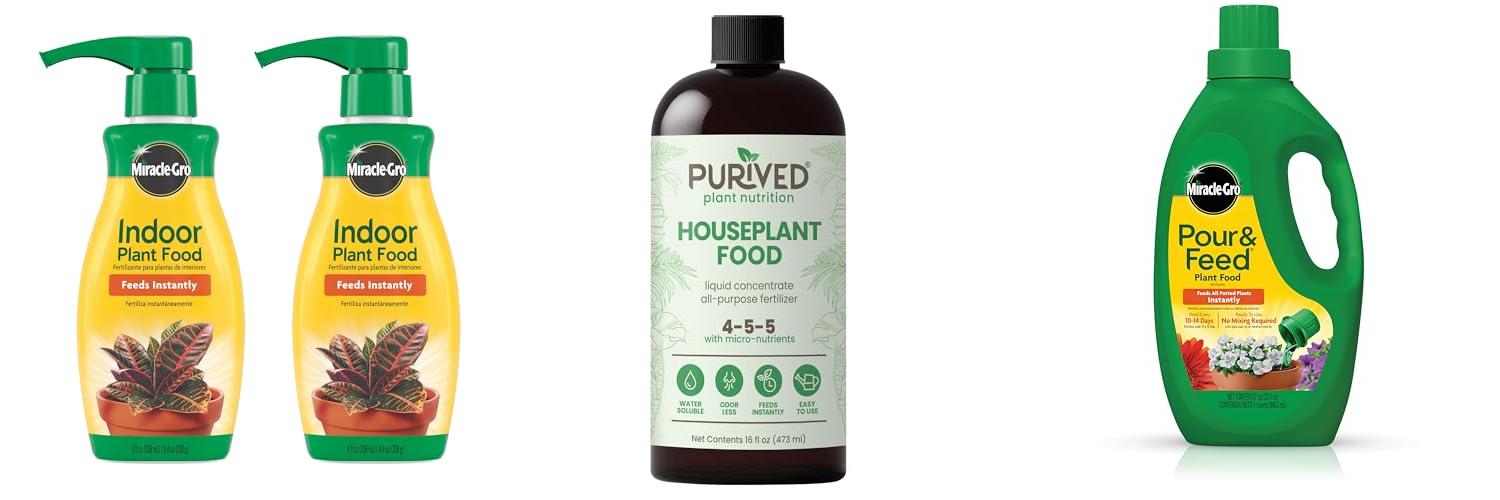
1. Miracle-Gro Indoor Plant Food

Rating: 8.8/10
Give your indoor plants the best with Miracle-Gro Indoor Plant Food. This liquid food is designed to help all your houseplants, from snake plants and peace lilies to herbs and veggies, grow big and strong. It’s easy to use and gives your plants the nutrients they need to thrive.
What We Like:
- Feeds plants right away for quick results.
- Works with a wide variety of indoor plants.
- Simple to apply directly to the soil or mix with water.
- Comes in a convenient 2-pack so you have plenty.
- Helps plants grow healthier and look more vibrant.
What Could Be Improved:
- The pump dispenser can sometimes be a bit tricky to get the right amount.
- Some users might prefer a more natural or organic option.
This Miracle-Gro Indoor Plant Food is a fantastic way to keep your indoor garden looking its best. It’s an easy solution for busy plant parents who want to see their green friends flourish.
2. Purived 16oz All-Purpose Liquid Plant Fertilizer – Makes 50 Gallons

Rating: 9.3/10
Want greener, healthier plants? The Purived 16oz All-Purpose Liquid Plant Fertilizer is your answer. This one bottle makes a huge 50 gallons of fertilizer. It’s all-natural, safe for groundwater, and proudly made right here in the USA. Get ready to see your indoor houseplants thrive!
What We Like:
- Best value for your money – one bottle makes a massive 50 gallons!
- It’s odorless, so no stinky smells in your home.
- Feeds your plants instantly.
- Super easy to use: just mix one capful with a gallon of water.
- Works for all kinds of potted plants, inside and out.
- You can use it in many ways: watering the soil, spraying leaves, or even in hydroponic systems.
- It has a long shelf life of 2 years.
What Could Be Improved:
- The packaging could be a bit clearer on the exact measurement for smaller batches.
- While it’s “all-purpose,” specific plant types might benefit from specialized formulas in the future.
This Purived fertilizer is an excellent choice for any plant parent. It offers fantastic value and simple feeding for beautiful, vibrant plants.
3. Miracle-Gro Pour & Feed Plant Food

Rating: 9.4/10
Tired of complicated plant care? The Miracle-Gro Pour & Feed Plant Food is a game-changer for anyone who wants vibrant, healthy plants without the fuss. This 32 oz. bottle is packed with a powerful fertilizer that instantly feeds your live plants, making it ideal for both your indoor jungle and your outdoor container garden.
What We Like:
- It’s super easy to use – no mixing required! Just pour it right onto the soil.
- It works instantly, giving your plants a quick boost.
- This plant food is perfect for all your potted plants, no matter where they live.
- You can feed your plants every 1 to 2 weeks for continuous growth.
- It’s great for both indoor and outdoor container plants.
What Could Be Improved:
- The 32 oz. size might not be enough for a very large collection of plants.
- While convenient, some experienced gardeners might prefer to mix their own custom blends.
This Miracle-Gro Pour & Feed is an excellent choice for busy plant parents. It makes feeding your plants simple and effective, leading to noticeably healthier greenery.
4. Triple 10 All Purpose Liquid Fertilizer 10-10-10 with Amino Acids (5.5%) & Seaweed Extract (32oz)

Rating: 8.7/10
Ready to give your plants a serious boost? The Triple 10 All Purpose Liquid Fertilizer is a powerful, all-in-one solution for healthier, happier plants. This 10-10-10 formula is packed with essential nutrients, plus the added benefits of 5.5% amino acids and 32% seaweed extract. It’s designed to help your plants thrive through every stage of their life, from tiny sprouts to bountiful harvests.
What We Like:
- It works on almost any plant! Gardens, flowers, fruits, veggies, and even your lawn will love it.
- You can use it inside or outside, making it super versatile.
- It’s a highly concentrated formula, so a little goes a long way. One bottle makes up to 32 gallons of fertilizer!
- The easy-squeeze bottle lets you measure and pour the perfect amount without any mess.
- Amino acids and seaweed extract help plants grow stronger and resist stress.
What Could Be Improved:
- It’s important to start with a lower dose and see how your plants react before increasing it.
This fertilizer is a fantastic all-around choice for any plant parent. It provides everything your plants need to flourish.
5. FoxFarm – Big Bloom Plant Food

Rating: 9.2/10
Want bigger, brighter blooms and tastier fruits and veggies? The FoxFarm Big Bloom Plant Food is a liquid fertilizer concentrate designed to do just that. It’s perfect for all your flowering and fruiting plants, whether they’re in the ground or in pots, inside or outside. This all-purpose fertilizer gives your plants the nutrients they need to grow strong and produce amazing results.
What We Like:
- Big Blooms Start with Big Bloom: This fertilizer is specially made to help your flowers, fruits, and vegetables grow vibrantly and healthily.
- Great Formula: It uses a unique micro-brewed formula with natural ingredients like earthworm castings and bat guano for a full range of nutrients, and it’s free of harmful chemicals.
- Strengthens Roots and Boosts Flavor: It helps roots grow stronger, makes flower smells more intense, and improves the taste of your herbs, fruits, and vegetables.
- Versatile Use: It’s great for all kinds of flowering and fruiting plants, including flowers, vegetables, and herbs, and it’s safe for regular use in gardens or potted plants.
- Easy to Apply: You can easily mix this liquid fertilizer with water. Just add it to your watering can, and feed your plants as you water them.
What Could Be Improved:
- The NPK ratio (0-0.5-0.7) is very low in Nitrogen, which might not be ideal for plants that need a lot of nitrogen for leafy growth.
- While it’s easy to use, the pint size might run out quickly for larger gardens or frequent applications.
For those seeking to enhance the beauty and flavor of their plants, FoxFarm Big Bloom offers a natural and effective solution. It’s a simple way to give your plants a nutrient boost for impressive growth.
Your Green Thumb’s Best Friend: A Liquid Fertilizer Buying Guide
Liquid fertilizer is a fantastic way to give your plants a quick boost of nutrients. It’s easy to use and works fast. This guide will help you pick the best liquid fertilizer for your garden.
Key Features to Look For
When you’re shopping for liquid fertilizer, keep these important features in mind.
Nutrient Ratios (N-P-K)
- Nitrogen (N): This helps plants grow green leaves and stems.
- Phosphorus (P): This encourages strong roots and flowers.
- Potassium (K): This helps plants fight off diseases and handle stress.
You’ll see numbers like 10-10-10 on the bottle. This tells you the percentage of Nitrogen, Phosphorus, and Potassium. Different plants need different amounts. For example, leafy greens need more Nitrogen.
Micronutrients
- Some fertilizers also include small amounts of other essential nutrients like iron, zinc, and magnesium. These are important for overall plant health.
Formulation Type
- Synthetic: These are made in a lab. They work very quickly.
- Organic: These come from natural sources like fish emulsion or seaweed. They feed the soil as well as the plant.
Ease of Use
- Look for fertilizers that are easy to measure and mix. Some come with built-in measuring caps.
Important Materials
The ingredients in your liquid fertilizer matter.
Primary Nutrients (N-P-K)
- These are the big three. They are usually derived from different sources. For synthetic fertilizers, this might be urea for nitrogen, superphosphate for phosphorus, and potassium chloride for potassium.
- Organic fertilizers get their N-P-K from things like compost, bone meal, blood meal, and kelp.
Secondary Nutrients and Micronutrients
- These can come from various mineral salts or natural sources like gypsum (for calcium and sulfur) or iron chelates.
Water
- This is the base for all liquid fertilizers. It helps the nutrients dissolve and get to the plant roots easily.
Factors That Affect Quality
Not all liquid fertilizers are created equal. Here’s what makes some better than others.
Concentration
- A more concentrated fertilizer means you get more uses out of one bottle. You’ll dilute it with water, so a little goes a long way.
Solubility
- High-quality liquid fertilizers dissolve completely in water. This ensures even distribution of nutrients to your plants. Poorly soluble fertilizers can clog sprayers.
Source of Nutrients
- Organic sources often improve soil structure over time. Synthetic sources provide a rapid nutrient boost. The “best” depends on your gardening goals.
pH Level
- The pH of the fertilizer solution can affect how well plants absorb nutrients. Some fertilizers are buffered to maintain an optimal pH.
User Experience and Use Cases
Liquid fertilizer is versatile and great for many situations.
For Houseplants
- Indoor plants often don’t get nutrients from soil like outdoor plants. Liquid fertilizer gives them the food they need to thrive.
For Vegetable Gardens
- Tomatoes, peppers, and leafy greens benefit greatly from a liquid feeding, especially when they are flowering or fruiting.
For Flowering Plants
- Give your flowers a boost for more blooms and brighter colors.
For Quick Fixes
- If a plant looks pale or droopy, a quick dose of liquid fertilizer can perk it up.
How to Use It
- Always read the label.
- Dilute the fertilizer with water as directed.
- Water your plants at the base.
- Don’t fertilize dry soil. Water first.
- Avoid fertilizing during extreme heat or when plants are stressed.
Frequently Asked Questions about Liquid Fertilizer
Q: What is liquid fertilizer?
A: Liquid fertilizer is plant food that comes in a liquid form. You mix it with water and give it to your plants.
Q: Why is N-P-K important?
A: N-P-K stands for Nitrogen, Phosphorus, and Potassium. These are the main nutrients plants need to grow healthy leaves, strong roots, and produce flowers or fruit.
Q: How often should I use liquid fertilizer?
A: It depends on the plant and the fertilizer. Usually, you use it every 2-4 weeks during the growing season. Always check the product instructions.
Q: Can I use liquid fertilizer on all my plants?
A: Yes, you can use it on most plants, but always check if the fertilizer is right for that specific type of plant. Some plants need special food.
Q: What’s the difference between synthetic and organic liquid fertilizer?
A: Synthetic fertilizers are made in a lab and work fast. Organic fertilizers come from nature and feed the soil too. They work a bit slower but are good for long-term soil health.
Q: How do I know how much fertilizer to use?
A: The bottle will have instructions. You usually mix a small amount of fertilizer with a lot of water. It’s better to use too little than too much.
Q: What happens if I use too much liquid fertilizer?
A: Using too much can “burn” your plants. This means the roots get damaged, and the leaves might turn brown or yellow.
Q: Can I mix liquid fertilizer with regular watering?
A: Yes, you can. You just need to make sure you mix the fertilizer with the water before you give it to your plants.
Q: When is the best time to fertilize my plants?
A: The best time is during the plant’s growing season, when it’s actively producing new leaves or flowers. Avoid fertilizing when plants are dormant or stressed by heat.
Q: Where should I apply liquid fertilizer?
A: You should apply it to the soil around the base of the plant. This is where the roots can easily absorb the nutrients.
In conclusion, every product has unique features and benefits. We hope this review helps you decide if it meets your needs. An informed choice ensures the best experience.
If you have any questions or feedback, please share them in the comments. Your input helps everyone. Thank you for reading.