

Imagine stepping onto a lawn so green and lush it feels like a carpet of emeralds. That vibrant, healthy yard you dream of doesn’t just happen by magic. It takes a little help, and that help often comes in a bag or a jug of lawn fertilizer. But walk into any garden store, and you’re met with a bewildering array of choices. What do all those numbers mean? Which one is best for *your* grass? It’s easy to feel overwhelmed and unsure where to start.
Choosing the right fertilizer can seem like a puzzle with missing pieces. You want your grass to grow strong, look beautiful, and fight off weeds and diseases. But picking the wrong one can lead to wasted money, unhappy grass, or even damage. We get it! This guide is here to clear the confusion and give you the knowledge you need to pick the perfect fertilizer for your lawn’s needs.
By the end of this post, you’ll understand what makes a good fertilizer, how to read those important labels, and how to choose the best option to transform your lawn from drab to fab. Get ready to unlock the secrets to a greener, healthier yard!
Our Top 5 Lawn Fertilizer Recommendations at a Glance
Top 5 Lawn Fertilizer Detailed Reviews
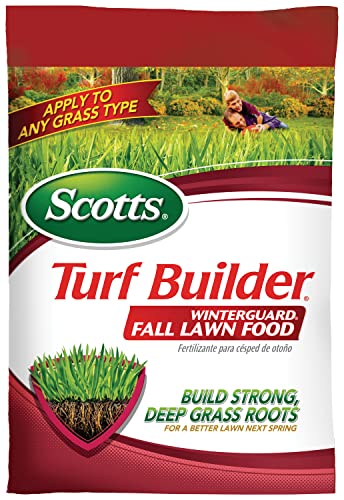
1. Scotts Turf Builder WinterGuard Fall Lawn Fertilizer for All Grass Types
Rating: 9.4/10
Get your lawn ready for winter and set it up for a fantastic spring with Scotts Turf Builder WinterGuard Fall Lawn Fertilizer. This special formula helps your grass grow strong roots, which is super important for surviving the cold. It also helps your lawn bounce back from any rough patches from the summer, like heat or too much playing. You can put it on your lawn whether it’s wet or dry, and fall is the best time to give your grass this boost.
What We Like:
- Builds strong, deep grass roots for a healthier lawn next spring.
- Helps your lawn recover from summer damage caused by heat, drought, and activity.
- Can be applied to a wet or dry lawn.
- Works on all types of grass.
- One 10 lb. bag covers a large area of 4,000 sq. ft.
What Could Be Improved:
- The product is designed for fall application, so it’s not a year-round solution.
- Some users might prefer a liquid fertilizer option for easier application.
Scotts Turf Builder WinterGuard is a solid choice for anyone wanting to give their lawn the best possible start for the next growing season. It’s a simple way to ensure a greener and healthier lawn come springtime.
2. Scotts Turf Builder WinterGuard Fall Lawn Fertilizer for All Grass Types
Rating: 9.4/10
Get your lawn ready for next spring with Scotts Turf Builder WinterGuard Fall Lawn Fertilizer! This special formula works hard in the fall to build strong, deep grass roots. This helps your lawn bounce back from summer stress like heat, drought, and lots of playing. You can apply it to your lawn whether it’s wet or dry. It’s the perfect time to give your grass a boost.
What We Like:
- Builds strong, deep grass roots for a healthier lawn next spring.
- Helps your lawn recover from summer damage caused by heat, drought, and activity.
- Can be applied to a wet or dry lawn.
- Works for all grass types.
- One bag covers a large area – 12,000 sq. ft.!
What Could Be Improved:
- The 32.3 lb bag can be a bit heavy to carry and spread.
- Requires application in the fall, so you can’t use it anytime you want.
Scotts Turf Builder WinterGuard Fall Lawn Fertilizer is a smart choice for a stronger, greener lawn. It gives your grass the nutrients it needs to thrive all year long.
3. Scotts Turf Builder WinterGuard Fall Weed & Feed3

Rating: 9.3/10
Get your lawn ready for spring with Scotts Turf Builder WinterGuard Fall Weed & Feed3. This product is a weed killer and lawn fertilizer all in one. It helps control weeds and feeds your grass during the fall. This means you’ll have a much better lawn when spring arrives.
What We Like:
- Kills over 50 common lawn weeds like clover and dandelions.
- Feeds your grass in the fall for a healthier lawn next spring.
- Works on many types of grass, including Bahiagrass, Bermudagrass, Bluegrass, Centipedegrass, Fescue, Ryegrass, and Zoysiagrass.
- One bag covers a large area of 4,000 square feet.
- Easy to apply when weeds are growing and temperatures are just right.
What Could Be Improved:
- Needs specific weather conditions to be applied effectively (60°F to 90°F, moist lawn).
- Application timing is important for best results.
Scotts Turf Builder WinterGuard Fall Weed & Feed3 is a solid choice for fall lawn care. It tackles weeds and feeds your grass, setting the stage for a beautiful lawn in the spring.
4. Scotts Green Max Lawn Food

Rating: 8.8/10
Want a greener lawn, fast? The Scotts Green Max Lawn Food, Lawn Fertilizer Plus Iron Supplement is your answer. This product is designed to give your grass a vibrant, deep green color in as little as three days. It’s a special formula that does two things at once: it feeds your lawn and boosts its greenness with iron. This means you get quick, noticeable results without a lot of hassle.
What We Like:
- Super-fast greening: Get a noticeably greener lawn in just 3 days.
- Dual-action power: It feeds your grass and adds iron for extra greening.
- Iron boost: Contains 5% iron, a key nutrient for vibrant grass.
- Works on all grass types: You can use it on any kind of lawn.
- Flexible application: Apply it in spring, summer, or fall.
- Stain-free guarantee: It’s made not to stain your concrete or driveways when used correctly.
- Large coverage: One bag covers 5,000 square feet, so it’s great for bigger yards.
- Immediate re-entry: You can go back on your lawn right after applying it.
What Could Be Improved:
- Application timing: While versatile, following specific instructions for best results is important.
Scotts Green Max Lawn Food offers a simple way to achieve a beautiful, green lawn quickly. It’s a reliable choice for homeowners looking for fast and effective lawn care.
5. Scotts Turf Builder Lawn Food – Fertilizer for All Grass Types

Rating: 9.3/10
Scotts Turf Builder Lawn Food is your secret weapon for a greener, healthier lawn. This 12.5 lb. bag covers up to 5,000 square feet, making it ideal for most yards. It’s designed to feed and strengthen your grass, giving it the power to fight off future problems. Plus, it works on any type of grass, so you don’t have to worry about whether it’s right for your lawn.
What We Like:
- Feeds and strengthens grass for better defense against future issues.
- Helps build strong, deep roots.
- Improves the lawn’s ability to soak up water and nutrients.
- Works on all grass types.
- Can be applied to a wet or dry lawn.
- One bag covers a large area (5,000 sq. ft.).
What Could Be Improved:
- The 12.5 lb. bag might be a bit heavy for some users.
- Specific nutrient analysis is not immediately obvious from the title.
Scotts Turf Builder Lawn Food is a solid choice for anyone wanting to improve their lawn’s health and appearance. It’s easy to use and delivers visible results, helping your grass thrive.
Your Lawn’s Best Friend: A Comprehensive Buying Guide to Lawn Fertilizer
A lush, green lawn makes your home look great. Fertilizer helps your grass grow strong and healthy. But with so many options, choosing the right one can be tricky. This guide will help you pick the perfect lawn fertilizer.
Key Features to Look For
When you shop for fertilizer, look for these important things:
- NPK Ratio: This is the most important part. It shows the amounts of Nitrogen (N), Phosphorus (P), and Potassium (K). These are the three main nutrients grass needs.
- Nitrogen (N): This helps grass grow green and thick. It’s usually the biggest number.
- Phosphorus (P): This helps roots grow strong. It’s often a smaller number.
- Potassium (K): This helps the grass fight off diseases and weather changes. It’s also usually a smaller number.
A common ratio might be 10-10-10, meaning 10% of each nutrient. Your lawn’s needs will change the best ratio.
- Slow-Release vs. Quick-Release:
- Quick-Release: This fertilizer works fast. Your lawn will look greener quickly. But it can burn grass if you use too much. It also needs more frequent applications.
- Slow-Release: This fertilizer feeds your lawn over a longer time. It’s less likely to burn the grass. You won’t need to fertilize as often. This is often a better choice for most homeowners.
- Granular vs. Liquid:
- Granular: These are small pellets. You spread them with a spreader. They are easy to use and good for larger areas.
- Liquid: You mix these with water and spray them. They work fast and get into the soil quickly. They are good for spot treatments or smaller lawns.
Important Materials
Fertilizers contain different types of nutrients.
- Nitrogen: This can come from sources like urea or ammonium sulfate. These are common and effective.
- Phosphorus: This is often found as superphosphate. It’s crucial for root development.
- Potassium: This is usually in the form of potassium chloride or sulfate. It boosts overall plant health.
- Micronutrients: Some fertilizers include small amounts of other nutrients like iron, manganese, and zinc. These help with plant color and growth. Iron, in particular, helps make grass greener.
Factors That Improve or Reduce Quality
- Improves Quality:
- Organic ingredients: Fertilizers made from natural materials like compost or manure can improve soil health over time. They release nutrients slowly and build up the soil.
- Balanced NPK ratio: A fertilizer that matches your lawn’s specific needs will perform better.
- Slow-release technology: This provides consistent feeding and reduces the risk of damage.
- Reduces Quality:
- Too much of one nutrient: An unbalanced NPK ratio can harm your lawn. For example, too much nitrogen can lead to weak, disease-prone grass.
- Poor quality ingredients: Some fertilizers use fillers or less effective nutrient sources.
- No micronutrients: If your soil lacks certain micronutrients, your lawn might not achieve its full potential color and health.
User Experience and Use Cases
- For New Lawns: When you first plant grass seed or lay sod, you’ll want a starter fertilizer. These often have a higher phosphorus number to help roots grow strong.
- For Established Lawns: For ongoing care, choose a fertilizer based on the season.
- Spring: Use a fertilizer with more nitrogen to encourage green growth.
- Summer: A balanced fertilizer or one with added iron can help keep your lawn healthy in the heat.
- Fall: A fertilizer with higher potassium helps grass prepare for winter.
- Ease of Use: Granular fertilizers are generally easy to spread with a walk-behind spreader. Liquid fertilizers require a sprayer but can be quicker for smaller areas. Always follow the instructions on the bag or bottle carefully.
Frequently Asked Questions about Lawn Fertilizer
Q: What does NPK stand for on a fertilizer bag?
A: NPK stands for Nitrogen (N), Phosphorus (P), and Potassium (K). These are the three main nutrients your lawn needs to grow.
Q: How often should I fertilize my lawn?
A: Most lawns need fertilizing 2-4 times a year. The exact schedule depends on your grass type, climate, and the type of fertilizer you use.
Q: Can I fertilize my lawn in the winter?
A: It’s generally not recommended to fertilize in the winter. Grass is usually dormant, and the fertilizer won’t be used effectively. It can also harm the grass.
Q: What is the best time of day to fertilize?
A: The best time to fertilize is when the grass is dry, and there is no rain expected for at least 24 hours. This helps the fertilizer stick to the grass blades and then get watered into the soil.
Q: How much fertilizer should I use?
A: Always follow the instructions on the fertilizer packaging. Using too much can burn your lawn, while using too little won’t give you the desired results.
Q: What is a starter fertilizer?
A: Starter fertilizer is designed for new lawns or when seeding. It has higher phosphorus to help new roots grow strong.
Q: Should I water my lawn after fertilizing?
A: Yes, watering after applying granular fertilizer helps it dissolve and move into the soil. This also helps prevent the fertilizer from burning the grass.
Q: What is the difference between organic and synthetic fertilizer?
A: Organic fertilizers come from natural sources like plants and animals. They improve soil health over time. Synthetic fertilizers are made in a lab and provide nutrients more quickly.
Q: How do I know what NPK ratio my lawn needs?
A: You can get a soil test from your local extension office. This test will tell you exactly what nutrients your soil is lacking and what NPK ratio would be best.
Q: Can fertilizer harm pets?
A: Some fertilizers can be harmful if ingested by pets. Always keep pets off the lawn for the time recommended on the product label after fertilizing.
In conclusion, every product has unique features and benefits. We hope this review helps you decide if it meets your needs. An informed choice ensures the best experience.
If you have any questions or feedback, please share them in the comments. Your input helps everyone. Thank you for reading.