
Can I waterproof my garden shed myself? Yes, you absolutely can! Protecting your garden shed from the elements is crucial for its longevity and for keeping your stored items safe and dry. This comprehensive guide will walk you through everything you need to know about shed waterproofing methods, from assessing the current state of your shed to applying the best garden shed sealant. We’ll cover weatherproofing garden shed structures, focusing on roof sealing shed areas, wall protection shed strategies, and effective damp proofing shed techniques. Get ready to learn about timber shed treatment and essential shed maintenance waterproofing practices that will keep your shed in top condition for years to come.
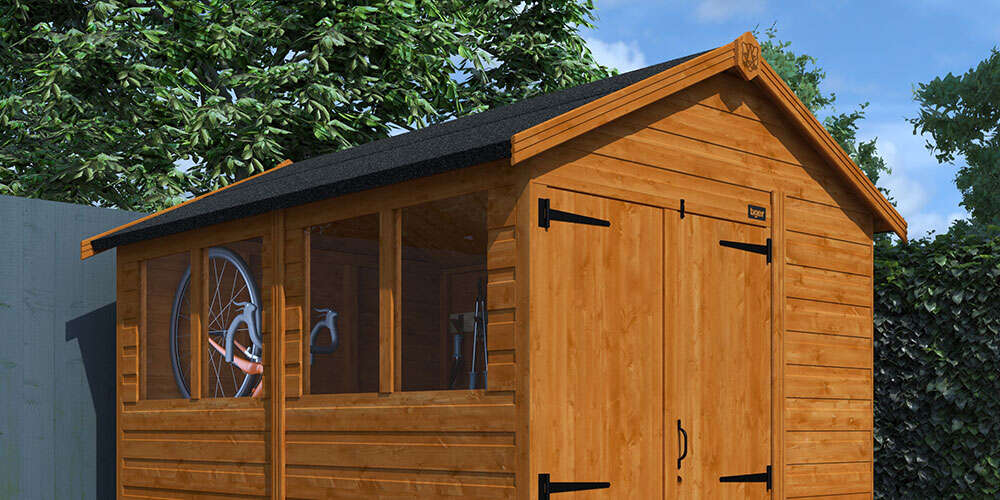
Image Source: assets.tigersheds.com
Assessing Your Shed’s Waterproofing Needs
Before you grab any tools or products, it’s vital to inspect your garden shed thoroughly. This assessment will help you pinpoint exactly where the vulnerabilities lie and what steps you need to take.
Common Areas of Concern
- Roof: Look for missing or damaged shingles, cracked felt, or any signs of sagging. Water pooling on the roof is a major red flag.
- Walls: Check for gaps, cracks, loose panels, or rot, especially around joints and the base.
- Doors and Windows: Examine seals, frames, and the general condition of the door and window itself. Warped doors or cracked panes can let in a lot of water.
- Floor: Inspect the floorboards for rot or dampness, particularly where the shed meets the ground.
- Foundation/Base: Ensure the base the shed sits on is stable and allows for water drainage away from the structure.
Signs of Water Damage
- Musty Odors: This is a classic sign of mold and mildew growth, often caused by persistent dampness.
- Visible Mold or Mildew: Patches of black, green, or white fuzzy growth indicate moisture problems.
- Peeling Paint or Blistered Surfaces: Water seeping behind paint can cause it to bubble and peel.
- Rotting Wood: Soft, spongy, or crumbly wood is a clear sign of decay due to moisture.
- Stains: Water stains on walls or ceilings are visible indicators of leaks.
Essential Shed Waterproofing Products and Tools
Gathering the right materials is key to a successful DIY waterproofing project. Here’s a list of what you might need, along with explanations of why each is important for protect shed from rain.
Top Product Categories
- Roofing Materials:
- Roofing Felt: A common and effective material for shed roofs, offering a good waterproof barrier.
- Roof Sealant/Caulk: For sealing small gaps and seams on the roof, especially around edges and joins.
- Shingles or Tiles: If your shed has a pitched roof, replacing damaged shingles or tiles is essential.
- Wood Treatments and Sealants:
- Wood Preservatives: These penetrate the wood to protect against rot, fungi, and insect attack, crucial for timber shed treatment.
- Exterior Wood Sealers/Varnishes: These form a protective layer on the surface, repelling water. Look for products specifically designed for outdoor use.
- Wood Fillers/Epoxy: For repairing small cracks and holes in wooden panels.
- Caulks and Sealants:
- Silicone Sealant: Excellent for sealing around windows, doors, and joints due to its flexibility and water resistance.
- Exterior Grade Caulk: General-purpose caulk suitable for gaps in walls and trim.
- Paint and Coatings:
- Exterior Paint: A good quality exterior paint provides a protective layer and an aesthetic finish.
- Waterproof Coatings/Membranes: For more extreme protection, specialized waterproof coatings can be applied.
Necessary Tools
- Safety Gear: Gloves, eye protection, and a dust mask are essential when working with chemicals and during sanding.
- Brushes and Rollers: For applying paints, stains, and sealants.
- Caulking Gun: For applying sealants smoothly and evenly.
- Putty Knife/Scraper: For removing old sealant, paint, or debris.
- Sanding Block or Electric Sander: To prepare surfaces for new coatings.
- Hammer and Pry Bar: For removing old roofing felt or damaged panels.
- Utility Knife: For cutting roofing felt and other materials.
- Measuring Tape: For accurate measurements.
- Ladder: If your shed roof is high.
- Stiff Brush or Broom: For cleaning surfaces.
Step-by-Step Guide to Waterproofing Your Garden Shed
This guide breaks down the process into manageable steps to ensure you achieve the best results and effectively protect shed from rain.
Step 1: Prepare the Surface
Proper preparation is arguably the most crucial step for any waterproofing project. A clean, dry, and sound surface will ensure that sealants and coatings adhere properly and last longer.
Cleaning and Debris Removal
- Clear the Area: Remove everything from inside and outside the shed. This gives you full access and prevents your stored items from getting dirty or damaged.
- Sweep and Brush: Thoroughly sweep the interior and exterior of the shed to remove loose dirt, cobwebs, leaves, and any other debris. Pay attention to corners and edges.
- Wash Down (Optional but Recommended): For a deeper clean, especially if there’s mold or algae, use a mild detergent solution and a stiff brush. Rinse well and allow the shed to dry completely. You might consider a specific garden shed cleaner if it’s particularly dirty.
Repairing Existing Damage
- Inspect and Repair: Go back over your initial assessment and fix any minor damage.
- Cracks and Holes: Fill small cracks and nail holes with exterior-grade wood filler or caulk. For larger holes, you might need to use wood patches or specialized epoxy fillers. Ensure the filler is allowed to cure completely according to the manufacturer’s instructions.
- Loose Panels: Re-nail or re-screw any loose wall or roof panels.
- Rotten Wood: If you find significant rot, it’s best to cut out the rotten sections and replace them with new timber. This is part of effective shed maintenance waterproofing.
Sanding
- Smooth Surfaces: Lightly sand any rough or flaking paint surfaces. This creates a better surface for new paint or sealants to adhere to.
- Smooth Repairs: Sand down any dried wood filler or caulk so it’s flush with the surrounding surface.
Step 2: Waterproofing the Roof
The roof is the most vulnerable part of your shed, as it directly faces rain, snow, and UV rays. Effective roof sealing shed is paramount.
For Felt Roofs
- Inspect Existing Felt: Look for tears, blisters, or areas where the felt has pulled away from the roof deck.
- Repair Small Tears: Clean the area around a tear. Apply a suitable roof repair mastic or a patch of new felt over the damaged area, ensuring it overlaps the existing felt by at least 4 inches. Use felt adhesive to secure the patch.
- Address Blisters: If the felt is blistering, you can try to carefully cut a slit in the blister with a utility knife, lift the felt, clean underneath, apply adhesive, and press it flat. Then, cover the area with a new patch of felt.
- Seal Edges: Apply a generous bead of roofing felt adhesive or a suitable sealant along the edges of the felt, especially where it meets the fascia boards. This prevents water from getting underneath.
- Total Replacement: If the felt is extensively damaged or brittle, the best option is to remove the old felt entirely and lay new roofing felt.
- Preparation: Remove all old felt, nails, and adhesive. Ensure the roof deck is clean and dry.
- Laying New Felt: Start at the lowest edge of the roof. Roll out the new felt, ensuring it overlaps the previous layer by at least 4 inches when working up the roof. Use felt tacks or staples to secure it, then seal all seams and edges with felt adhesive. For a standard shed roof, a drip edge at the eaves is also a good idea.
For Shingled or Tiled Roofs
- Replace Damaged Shingles/Tiles: Carefully lift any damaged or missing shingles or tiles. Slide new ones into place, ensuring they overlap correctly.
- Seal Gaps: Use roofing cement or a specialized sealant to secure new shingles or tiles and to seal any small gaps or around flashing.
Step 3: Waterproofing the Walls
Protecting the walls is crucial for wall protection shed integrity and preventing moisture from entering the structure.
Sealing Gaps and Joints
- Caulk Around Openings: Apply a continuous bead of exterior-grade silicone or acrylic caulk around the frames of windows and doors. Also, caulk along any joints where different materials meet (e.g., wall panels to the base, corners).
- Seal Cracks in Panels: Use wood filler for small cracks or gaps. Ensure the filler is smooth and flush with the surface once dry. For larger gaps or splits, consider using wood adhesive and clamping the pieces together, or using a specialized timber repair product.
- Check for Gaps at the Base: Inspect the seam where the shed walls meet the base. Fill any gaps with caulk or a suitable sealant to prevent water from seeping in from the ground.
Applying Protective Coatings
- Wood Preservatives (for Timber Sheds): If your shed is timber, applying a good quality wood preservative is essential for timber shed treatment. This penetrates the wood to protect against rot and insect damage. Follow the product instructions for application, which usually involves brushing or spraying it onto all exterior timber surfaces. Allow it to dry thoroughly.
- Exterior Sealers or Varnishes: Once the preservative has dried, apply at least two coats of an exterior-grade wood sealer or varnish. These create a water-repellent barrier on the surface. Use a brush or roller, applying thin, even coats. Allow each coat to dry completely before applying the next.
- Exterior Paint: For maximum protection and a finished look, apply exterior paint.
- Primer: Use a good quality exterior primer, especially if you’re painting over bare wood or a different color.
- Paint Application: Apply at least two coats of high-quality exterior paint. Ensure you cover all exterior surfaces, including the bottom edges of the walls, as these are often exposed to splash-back. Use a brush for edges and corners, and a roller for larger flat areas.
Step 4: Doors and Windows
These are common entry points for water if not properly sealed.
Door Waterproofing
- Seal Gaps: Check the door for any gaps between the door and the frame. Apply weatherstripping or a sealant to create a tight seal when the door is closed.
- Door Bottom Seal: Consider adding a door bottom seal or sweep to prevent water from blowing underneath.
- Door Treatment: If the door is made of wood, treat it with the same wood preservative, sealer, and paint as the walls to ensure it’s fully protected.
Window Waterproofing
- Seal Around Frames: Ensure the caulk around window frames is intact. Re-caulk if necessary.
- Check Glass: If any panes are cracked, replace them.
- Window Glazing: If your shed has older windows with putty glazing, check if it’s cracked or missing. Re-glaze as needed.
- Waterproof Coatings: For added protection, you can apply a clear waterproof coating to wooden window frames.
Step 5: Base and Floor Protection
Preventing moisture from rising from the ground into the shed is vital for damp proofing shed interiors.
Elevating the Shed
- Importance of Airflow: Ideally, a garden shed should be raised slightly off the ground to allow air to circulate and prevent moisture from being trapped. This can be achieved using concrete blocks, paving slabs, or treated timber skids.
- Drainage: Ensure the base slopes away from the shed so water drains freely.
- Ground Cover: Consider laying a layer of gravel or weed membrane around the base of the shed to further improve drainage and prevent plant growth from holding moisture against the timber.
Treating the Floor
- Interior Floor: If your shed floor is timber, once you’ve waterproofed the walls and sealed any gaps at the base, you can apply a waterproof floor paint or sealer to the inside floorboards. This will add an extra layer of protection against spills and any residual dampness.
- Exterior Base: If the shed sits directly on a concrete slab, ensure the slab is in good condition and doesn’t have cracks where water can pool. You might consider a concrete sealer for the slab itself.
Advanced Shed Waterproofing Techniques
For those who want to go the extra mile or have older, more exposed sheds, these techniques can offer enhanced protection.
Applying Waterproof Membranes
Waterproof membranes, often made from materials like EPDM rubber or bitumen, can be applied to the roof for superior waterproofing.
- Roof Felt Over Membrane: You can apply a waterproof membrane over the roof deck before laying roofing felt for a double layer of protection.
- Full Membrane Roof: Some shed owners opt for a complete EPDM rubber roof covering for ultimate durability and waterproofing. This requires careful application and specialized adhesives.
Using Water-Repellent Coatings on Masonry
If your shed has brick or concrete walls, specialized masonry water repellents can be applied. These penetrate the pores of the material, making it hydrophobic without significantly altering its appearance.
Installing Gutters and Downpipes
For pitched roofs, installing a simple guttering system can effectively channel rainwater away from the shed walls and foundation. This is an excellent way to protect shed from rain and prevent ground saturation around the base.
Shed Maintenance: Ongoing Waterproofing
Waterproofing isn’t a one-time job. Regular shed maintenance waterproofing is key to maintaining its integrity.
Regular Inspections
- Seasonal Checks: Inspect your shed at least twice a year, ideally in spring and autumn.
- Focus Areas: Pay close attention to the roof, seams, and any areas where you’ve previously made repairs.
Reapplication of Treatments
- Re-sealing: Exterior sealers and paints will degrade over time. Reapply them every 2-3 years, or as recommended by the product manufacturer, to maintain their protective qualities.
- Gutter Cleaning: Keep gutters clear of leaves and debris to ensure they function correctly.
Prompt Repairs
- Address Issues Quickly: If you notice any new cracks, loose fittings, or signs of wear, address them immediately. Small problems can quickly escalate into significant leaks if left unattended.
Frequently Asked Questions (FAQ)
Q1: How often should I re-waterproof my shed?
You should inspect your shed twice a year and reapply protective coatings like sealers or paint every 2-3 years, or as recommended by the product manufacturer. Regular maintenance is key.
Q2: What is the best way to waterproof a timber shed roof?
For timber sheds, the most common and effective methods include using roofing felt with proper overlapping and sealing of seams, or potentially a more durable EPDM rubber membrane for superior protection.
Q3: Can I use silicone sealant on my shed roof?
Silicone sealant is good for sealing small cracks, joints, and around flashing on a shed roof. However, it’s not typically used as a primary roofing material for large areas. Roofing felt or specialized roof sealants are better for larger sections.
Q4: How do I stop water getting in under my shed door?
You can stop water from getting under your shed door by fitting a door bottom seal or sweep. Ensure the door frame is also well-sealed with weatherstripping or caulk.
Q5: What’s the best way to deal with dampness inside my shed?
To deal with dampness, ensure good ventilation, check for and seal any leaks or gaps in the walls, roof, and floor. Applying a waterproof sealer to the interior floor and walls can also help.
By following these comprehensive steps and tips, you can effectively waterproof your garden shed, ensuring it remains a dry, secure, and durable space for all your gardening tools and equipment. Happy DIYing!