
Image Source: cdn.mos.cms.futurecdn.net
How To Treat Your Whole Yard For Ants Safely
What is the best way to treat my whole yard for ants safely? The best way to treat your whole yard for ants safely involves a multi-pronged approach, focusing on prevention, identifying the source, and using targeted, eco-friendly methods that minimize harm to beneficial insects, pets, and people.
Ants can quickly turn a beautiful backyard into a frustrating battleground. Seeing trails of these tiny invaders marching across your patio, through your flowerbeds, or even appearing in your home can be incredibly annoying. But before you reach for the strongest, most indiscriminate chemical sprays, it’s crucial to remember that a healthy yard ecosystem includes many beneficial creatures. Treating your whole yard for ants effectively and safely requires a thoughtful, integrated approach. This guide will walk you through the most effective ant eradication methods, from DIY ant control to understanding natural ant deterrents, all while prioritizing the safety of your family and the environment.
Decoding the Ant Invasion: Why Are They Here?
Before we can effectively treat your whole yard for ants, we need to figure out why they’ve chosen your property as their new headquarters. Ants aren’t just randomly appearing; they are driven by specific needs.
Common Ant Attractions in Your Yard:
- Food Sources: Ants are constantly searching for food. This can include spilled sugary drinks, pet food left outdoors, fallen fruit from trees, or even aphid honeydew on plants.
- Water Sources: While they need water, excessive moisture in your soil, leaky hoses, or standing water can attract them.
- Shelter: Ants build nests in various locations. Soft soil, mulch, decaying wood, cracks in patios, and even under rocks provide ideal shelter.
- Harborage: Overgrown vegetation, piles of leaves or debris, and dense ground cover can offer ants protection and attractive nesting sites.
Your Comprehensive Ant Control Strategy: A Step-by-Step Plan
Treating your whole yard for ants safely means moving beyond a single solution. It’s about creating a less inviting environment and targeting the problem precisely.
Step 1: Identify the Ant Species and Their Trails
Not all ants are created equal, and some are more problematic than others. Observing their behavior can provide valuable clues.
Common Yard Ants and Their Habits:
- Odorous House Ants: These ants often form trails and are attracted to sweets. They emit a strong, unpleasant odor when crushed.
- Carpenter Ants: These are larger ants that can nest in moist or decaying wood. They don’t eat wood but excavate it to build nests, which can cause structural damage over time. Look for sawdust-like debris (frass) near suspected nest sites.
- Pavement Ants: Typically found nesting in cracks in sidewalks, driveways, and patios. They are often seen foraging for food indoors and outdoors.
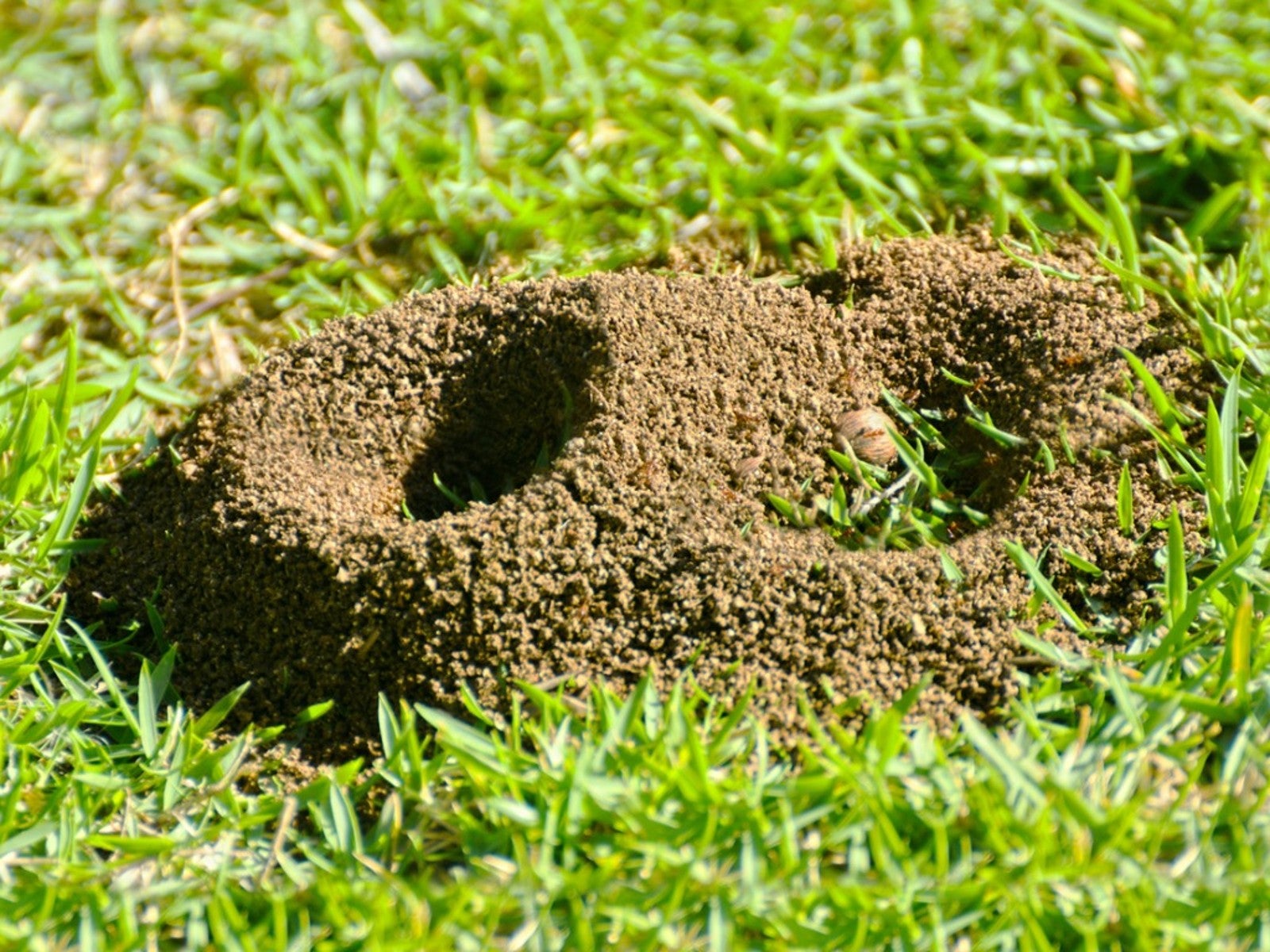
- Fire Ants: Known for their painful sting and aggressive nature. They build visible mounds in sunny, open areas of the yard.
Mapping Ant Trails:
- Follow the ant trails back to their entry points or nest locations. This is crucial for effective home ant treatment.
- Look for activity around potential food and water sources.
- Note areas where you see significant ant mound activity.
Step 2: Eliminate Food and Water Sources (Prevention is Key!)
This is the foundational step in any successful yard pest management plan. If ants can’t find what they need, they are less likely to stay.
Making Your Yard Less Attractive:
- Clean Up Spills Immediately: Wipe up any sugary spills on patios or outdoor furniture.
- Secure Pet Food: Don’t leave pet food outdoors overnight. If you feed pets outside, clean up any uneaten food and bowls promptly.
- Manage Fallen Fruit: Regularly collect fallen fruit from trees.
- Proper Composting: Ensure your compost bins are properly sealed to prevent ants from accessing food scraps.
- Water Management: Fix leaky hoses and sprinklers. Ensure good drainage in your yard to avoid standing water.
Step 3: Tackle the Nests: Targeted Ant Eradication Methods
Once you’ve identified nest locations, you can apply targeted treatments.
Safe and Effective Nest Treatments:
- Boiling Water: For visible mounds, pouring boiling water directly into the nest opening can be an effective immediate solution. Be cautious, as this can also harm nearby plants. This is a simple DIY ant control method.
- Diatomaceous Earth (Food Grade): This natural powder is made from fossilized aquatic organisms. When ants walk through it, its sharp edges scratch their exoskeletons, causing dehydration. Apply a thin layer around ant mounds, nesting areas, and along ant trails. It’s safe for pets and humans when used as directed but avoid inhaling the dust.
- Vinegar Solution: A mixture of equal parts white vinegar and water can be sprayed directly onto ant trails and near nesting sites. Vinegar disrupts ant scent trails, making it harder for them to navigate.
- Soapy Water: A solution of liquid dish soap and water can be sprayed directly onto ants. The soap breaks down their exoskeletons, leading to dehydration.
Step 4: Utilize Natural Ant Deterrents
Beyond direct nest treatment, several natural ant deterrents can help keep ants at bay and are excellent for preventing ant infestations.
Natural Ant Deterrents to Implement:
- Essential Oils: Certain essential oils like peppermint, tea tree, cinnamon, and citrus oils are known ant repellents. Mix a few drops with water in a spray bottle and apply around entry points, windowsills, and doors.
- Cinnamon: Ants dislike cinnamon. Sprinkle ground cinnamon or place cinnamon sticks around areas where you see ant activity.
- Chalk: Drawing a chalk line across ant entry points can deter them. Ants reportedly find it difficult to cross chalk lines.
- Coffee Grounds: Sprinkling used coffee grounds around your plants and near ant mounds can act as a repellent.
- Cornmeal: Some people find that sprinkling cornmeal around ant mounds can help eliminate them, as ants eat it but cannot digest it properly, leading to their demise.
Step 5: Strategic Application of Outdoor Ant Killer (When Necessary)
Sometimes, a more robust solution is needed, especially for widespread or persistent infestations. Opt for products designed for outdoor use and choose the safest options available.
Selecting the Right Outdoor Ant Killer:
- Ant Baits: These are highly effective for comprehensive ant control. Ants carry the poisoned bait back to their colony, effectively treating the entire nest. Place bait stations near ant trails and nesting areas, but out of reach of children and pets.
- Granular Ant Killers: These can be spread over larger areas of your lawn. Look for products specifically labeled for lawn and garden use and follow application instructions carefully.
- Liquid Ant Sprays: Use these as a targeted treatment for specific ant trails or nests. Opt for products with lower toxicity ratings if possible.
Safe Application Practices:
- Read and Follow Label Instructions: This is paramount for safety and effectiveness.
- Apply During Cooler Parts of the Day: Early morning or late evening can be best to avoid harming beneficial insects like bees.
- Avoid Applying Before Rain: Rain can wash away the product before it has a chance to work.
- Designate Treated Areas: Keep children and pets away from treated areas until the product has dried or is no longer detectable.
Step 6: Maintaining a Pest-Free Environment (Long-Term Solutions)
Effective ant eradication methods aren’t a one-time fix. Consistent maintenance is key to preventing ant infestations from returning.
Ongoing Prevention Strategies:
- Regular Yard Cleanup: Keep your lawn mowed, trim overgrown bushes, and remove leaf litter and debris.
- Seal Entry Points: Inspect your home’s exterior for cracks and crevices where ants might enter and seal them with caulk.
- Monitor and Reapply: Periodically check for new ant activity and reapply deterrents or treatments as needed.
- Encourage Beneficial Insects: Ladybugs and praying mantises are natural predators of some ant species. Avoid broad-spectrum insecticides that can harm them.
Natural Ant Deterrents: A Closer Look
For those seeking truly eco-friendly solutions, natural ant deterrents offer a powerful way to manage ant populations.
Table: Popular Natural Ant Deterrents and Their Uses
| Deterrent | How It Works | Application Method | Safety Notes |
|---|---|---|---|
| Peppermint Oil | Strong scent disorients ants and masks their scent trails. | Mix 10-20 drops with 1 cup of water in a spray bottle. Spray around ant trails, entry points, and suspected nest areas. | Can irritate skin and eyes. Keep away from pets who may be sensitive to strong scents. |
| Vinegar | Disrupts ant scent trails and leaves a residue that deters them. | Mix equal parts white vinegar and water in a spray bottle. Apply directly to ant trails and nests. | Can damage certain plants and surfaces. Test in an inconspicuous area first. |
| Cinnamon | Ants dislike the smell and texture. | Sprinkle ground cinnamon or cinnamon sticks around ant entry points, along trails, and near nests. | Generally safe, but large quantities might deter beneficial insects. |
| Diatomaceous Earth | Dehydrates ants by damaging their exoskeletons. | Apply a thin, even layer around ant mounds, along trails, and in dry areas where ants travel. Use a duster for best coverage. | Use food-grade DE only. Avoid inhaling the dust; wear a mask during application. Can be harmful to beneficial insects if they come into direct contact. |
| Coffee Grounds | The strong scent and texture are believed to repel ants. | Sprinkle used coffee grounds around plants, along garden edges, and near ant mounds. | Generally safe. Can add nitrogen to soil. |
| Lemon Juice | The acidic nature and strong scent can disrupt ant trails. | Mix lemon juice with water (ratio of 1:1 or 2:1 lemon juice to water) and spray around ant entry points. | Can bleach surfaces. Test in an inconspicuous area. |
| Chalk | Ants reportedly cannot easily cross chalk lines due to its powdery texture and chemical composition. | Draw thick chalk lines across ant entry points or around areas you want to protect. | Safe for most surfaces. May need reapplication after rain. |
DIY Ant Control: Empowering Your Yard Pest Management
Many effective solutions for treating your whole yard for ants can be achieved with common household items. This DIY ant control approach saves money and allows for greater control over the ingredients used.
Simple DIY Ant Control Recipes:
-
Ant Trail Cleaner:
- 1 cup water
- 1 cup white vinegar
- 10 drops peppermint essential oil
- Combine all ingredients in a spray bottle. Shake well before each use and spray directly on ant trails. This helps break the scent highway ants follow.
-
Cornmeal and Borax Bait (Use with Caution):
- 1 part Borax
- 3 parts cornmeal
- 1 part sugar (optional, for added attraction)
- Mix ingredients thoroughly. Place small amounts in shallow containers or bottle caps near ant trails, but out of reach of children and pets. Ants eat the mixture and carry it back to the colony. Borax is a natural mineral, but it is toxic if ingested.
-
Soapy Water Spray:
- 1 tablespoon liquid dish soap
- 2 cups water
- Combine in a spray bottle. Spray directly on ants. The soap breaks down their outer layer, causing them to dehydrate. This is an immediate kill but not a colony treatment.
Eliminating Ants in Lawn: Specific Considerations
When ants have established themselves in your lawn, a different approach might be needed.
Lawn-Friendly Ant Eradication:
- Bait Stations: Place ant bait stations strategically in the lawn where you see the most activity. Ants will consume the bait and carry it back to their colony, leading to effective ant eradication methods.
- Granular Ant Control: Choose granular products designed for lawns. Apply them evenly according to the package directions, ensuring they are watered in if the instructions specify. This helps the granules reach the soil and ant nests.
- Diatomaceous Earth: Lightly dust ant mounds with food-grade diatomaceous earth. This is a safe and natural option for lawns.
- Nematodes: Beneficial nematodes are microscopic roundworms that are natural predators of many soil-dwelling insects, including ant larvae. Introducing them to your lawn can help control ant populations naturally.
Preventing Ant Infestations: The Long Game
The most effective way to deal with ants is to stop them from becoming a problem in the first place. Preventing ant infestations involves consistent observation and proactive measures.
Proactive Steps for a Pest-Free Yard:
- Regular Inspections: Walk your yard regularly, looking for early signs of ant activity or new mounds.
- Maintain a Healthy Lawn and Garden: Healthy plants are more resilient. Water and fertilize appropriately.
- Mulch Wisely: While mulch can be beneficial, thick layers of mulch can provide ideal ant habitat. Keep mulch a few inches away from your home’s foundation.
- Seal Foundation Cracks: Ants often use cracks in the foundation as entry points into your home.
- Trim Vegetation: Keep tree branches and shrubs trimmed back from your house, as these can act as bridges for ants to reach your home.
Home Ant Treatment: Protecting Your Living Space
While this article focuses on yard treatment, it’s important to note that outdoor ant problems often spill indoors.
Bridging the Gap: Indoor Prevention
- Seal Cracks and Gaps: Inspect your home’s interior for any gaps around windows, doors, pipes, and electrical outlets. Seal these with caulk.
- Keep Kitchen Clean: Wipe down counters, sweep floors, and store food in airtight containers.
- Address Moisture Issues: Fix any leaky pipes or faucets that might be attracting ants.
Frequently Asked Questions (FAQ)
Q1: How long does it take for ant baits to work?
A1: Ant baits typically start working within a few days, but it can take up to two weeks for the entire colony to be eradicated, as ants need time to transport the poisoned bait back to the nest.
Q2: Is it safe to use pesticides in my yard if I have pets or children?
A2: Always opt for pet-safe and child-safe products whenever possible. Read labels carefully and follow all application instructions. Natural deterrents and baits placed in secure stations are generally the safest options. Keep pets and children away from treated areas until the product has dried or is no longer active.
Q3: Can I use the same treatment for all types of ants?
A3: While some methods are universally effective, the best approach can depend on the ant species. For instance, carpenter ants require different treatment strategies than pavement ants. Identifying the species can help you choose the most effective ant eradication methods.
Q4: How often should I reapply natural ant deterrents?
A4: Natural deterrents like essential oils or cinnamon may need to be reapplied every few days or after rain, as their effectiveness can diminish over time due to weathering or evaporation. Diatomaceous earth needs to be reapplied when it becomes wet.
Q5: What if I can’t find the ant nest?
A5: If you can’t locate the nest, focus on disrupting ant trails and eliminating food and water sources. Ant baits are also effective when placed along visible trails, as they will be carried back to the colony. Consistent application of natural ant deterrents can also help make your yard less hospitable.
By implementing these comprehensive ant control strategies, you can effectively treat your whole yard for ants safely, maintaining a beautiful and enjoyable outdoor space for everyone. Remember that patience and persistence are key to successful yard pest management.