
Raccoons digging up your lawn, what can you do? You can use a combination of deterrents, repellents, fencing, and natural solutions to keep them away from your yard and protect your garden. This comprehensive guide will walk you through the best methods for preventing this common nuisance and keeping your lawn looking its best.
Raccoons are clever, adaptable creatures that often find suburban and urban environments quite appealing. Their natural instincts, particularly foraging for grubs and insects, can lead them to dig up lawns in search of a tasty meal. This can be incredibly frustrating for homeowners who invest time and effort into maintaining a beautiful yard. Fortunately, there are many effective strategies you can employ to discourage these masked bandits without resorting to harmful methods. The key lies in understanding raccoon behavior and employing a multi-faceted approach to wildlife control.
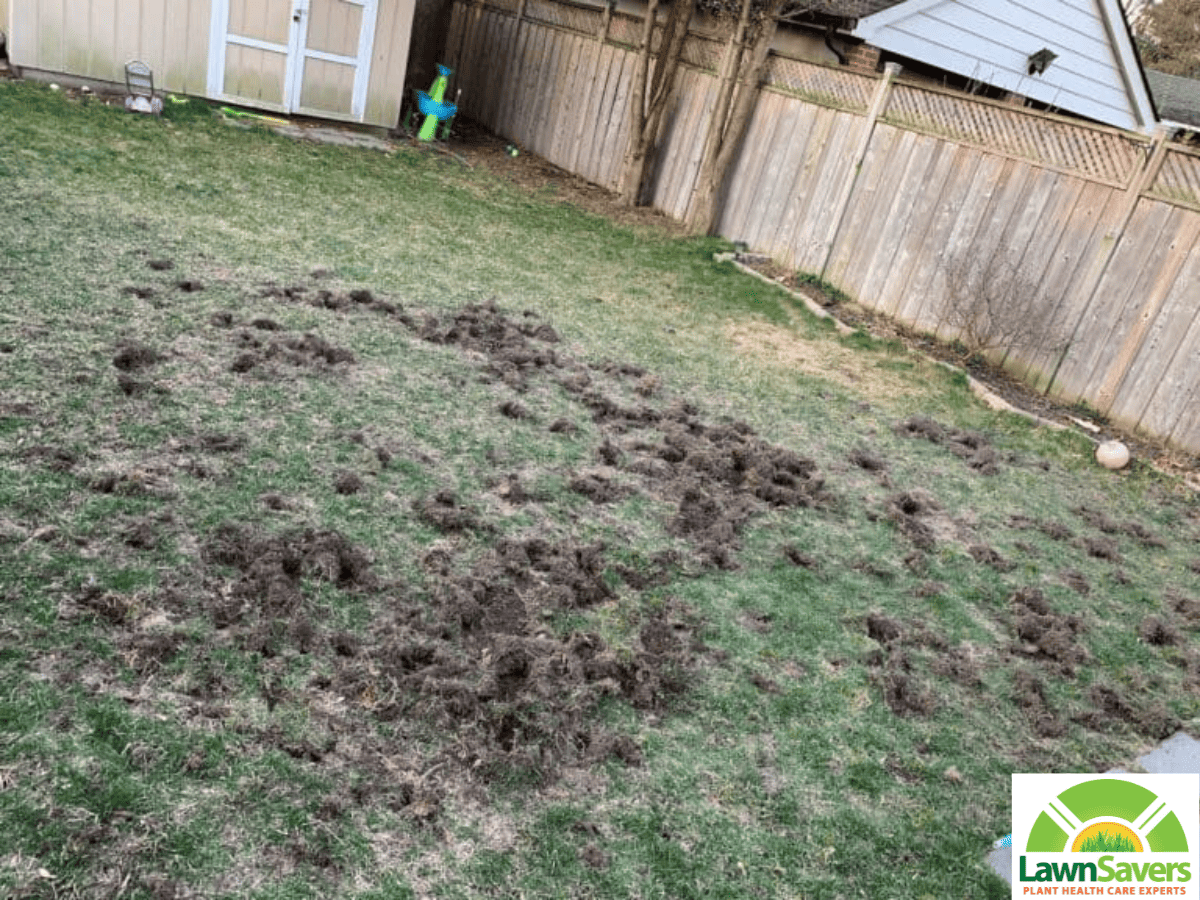
Image Source: lawnsavers.com
Why Do Raccoons Dig Up Lawns?
Before we delve into solutions, it’s helpful to grasp why raccoons are attracted to your lawn in the first place. The primary reason is the presence of abundant food sources beneath the surface.
Grub and Insect Infestations
Grubs: These are the larval stages of various beetles, such as Japanese beetles and June bugs. Grubs live in the soil and feed on grass roots, weakening the turf. Raccoons, with their keen sense of smell and ability to dig with their paws, can easily detect and unearth these protein-rich snacks. A lawn with a significant grub problem is like an all-you-can-eat buffet for raccoons.
Earthworms: While beneficial for soil aeration, earthworms are also a food source for raccoons.
Other Insects and Larvae: Various other soil-dwelling insects and their larvae can also attract raccoons to your lawn.
Nesting and Shelter Seeking
While less common for widespread lawn digging, raccoons may also investigate lawns for potential denning sites, especially if there are nearby bushes, woodpiles, or sheds. They prefer dark, secluded, and protected areas.
General Foraging Behavior
Raccoons are opportunistic eaters. Even without a major grub infestation, they may still investigate your lawn simply as part of their nightly foraging routine. Their curiosity and natural drive to find food can lead them to disturb your grass.
Identifying Raccoon Digging
Distinguishing raccoon digging from other types of animal damage is important for choosing the right solution.
- Raccoon Digging: Typically characterized by shallow, irregular patches of overturned sod, often resembling torn-up turf. They tend to dig in a more systematic, “plowing” motion, pulling up sections of grass and soil. You might see small mounds of soil.
- Grub Damage: This often appears as brown, dead patches of grass that can be easily lifted like a carpet. The grubs themselves are usually visible in the lifted turf.
- Bird Activity: Birds like robins and starlings also peck at the lawn for grubs, but their damage is usually smaller and more scattered.
- Squirrels/Chipmunks: These animals are more likely to dig small holes for burying or retrieving nuts.
Effective Deterrents and Repellents
The first line of defense against raccoons digging up your lawn involves making your yard less appealing to them. This is where deterrents and repellents come into play.
Chemical Repellents
Ammonia-based solutions: Ammonia’s strong scent mimics predator urine, which can deter raccoons. Mix household ammonia with water (approximately 1 part ammonia to 4 parts water) and spray it around the perimeter of your lawn, focusing on areas where digging is most frequent. Reapply after rain.
Peppermint oil: Raccoons dislike strong smells, and peppermint oil is a popular natural option. Mix a few tablespoons of peppermint oil with water and a drop of dish soap (to help emulsify) and spray it generously on the lawn.
Castor oil: Castor oil is known to irritate a raccoon’s sensitive paws. Mix castor oil with water and a small amount of dish soap. Spray this mixture on the affected areas of your lawn.
Crucial Note: When using chemical repellents, always follow product instructions carefully and consider the potential impact on pets and beneficial insects. It’s also important to reapply them regularly, especially after rain or irrigation.
Natural and Sensory Deterrents
These methods aim to disrupt a raccoon’s comfort and sense of security in your yard.
-
Strong Scents: Beyond ammonia and peppermint, raccoons are also repelled by the smell of garlic, hot peppers (cayenne or chili powder), and even coffee grounds. Sprinkle these liberally around your lawn, particularly at the edges.
-
Motion-Activated Sprinklers: These devices are highly effective. When a raccoon (or any animal) crosses their path, they emit a sudden burst of water, startling the animal and discouraging it from returning. This is a humane and effective way to deter them.
-
Noise Deterrents: While not always practical for continuous lawn protection, occasional loud noises or ultrasonic devices can temporarily startle raccoons. However, raccoons can become accustomed to consistent sounds.
-
Light Deterrents: Motion-activated lights can also be effective. A sudden flash of light can startle a nocturnal animal like a raccoon, making them feel exposed and less likely to linger.
Physical Barriers: Fencing and Exclusion
For a more permanent solution to stop raccoons from digging up lawn, physical barriers are often the most reliable method. The goal here is to exclude raccoons from accessing your yard.
Lawn Fencing
When considering fencing, the height and type of material are key to preventing raccoons from entering.
- Height: A fence at least 3-4 feet high is generally recommended. Raccoons are surprisingly good climbers.
- Material: Sturdy wire mesh or hardware cloth with small openings (1-2 inches) is effective. Avoid materials that raccoons can easily chew through or push aside.
-
The L-Footer: This is a crucial element for preventing digging. Bury the bottom 6-12 inches of your fence at a 90-degree angle outward (forming an “L” shape). This prevents raccoons from digging under the fence. You can also anchor this buried portion with stakes or rocks.
Fence Component Recommendation Purpose Height 3-4 feet Prevents jumping over Mesh Size 1-2 inches Prevents entry through gaps Bottom Burial 6-12 inches Prevents digging under Outward Bend 90-degree angle Further discourages digging under Anchoring Stakes, rocks, or buried wire Secures the base against digging and lifting Top Extension Optional: 1-foot outward-facing wire cage or net Prevents climbing over, especially for smaller fences
Protecting Specific Garden Areas
If your primary concern is protecting a specific garden bed rather than the entire lawn, consider these options:
- Raised Garden Beds: Building your garden beds higher makes them less accessible and harder for raccoons to dig into.
- Temporary Fencing: Use chicken wire or deer netting around vulnerable plants, especially during planting season or when seedlings are young. Secure the base well to prevent digging underneath.
- Mulching: A thick layer of mulch can make digging more difficult for raccoons and less appealing.
Addressing the Root Cause: Grub Control
If grubs are the primary attractant, tackling the infestation directly will significantly reduce raccoon activity on your lawn.
Natural Grub Control Methods
- Beneficial Nematodes: These microscopic roundworms are natural predators of grubs. You can purchase and apply them to your lawn. They are most effective when applied during the season when grubs are most vulnerable.
- Milky Spore: This is a naturally occurring bacterium that infects and kills Japanese beetle grubs. It’s a slow-acting solution but provides long-term control. Apply it in late summer or early fall for best results.
- Proper Lawn Care: A healthy, dense lawn is more resistant to grub damage and less appealing to raccoons. This includes:
- Mowing at the correct height: Taller grass (3 inches or more) shades the soil, making it less hospitable for grubs.
- Adequate watering: Deep, infrequent watering encourages stronger root growth.
- Fertilizing appropriately: A well-fed lawn can better withstand minor grub infestations.
Chemical Grub Control (Use with Caution)
If natural methods are insufficient, consider using grub control products. However, be aware that these can harm beneficial insects and soil organisms.
- Timing is Crucial: Apply grub treatments when grubs are closest to the surface and most actively feeding, usually in late summer or early fall, or in the spring.
- Read Labels Carefully: Choose products that specifically target grubs and follow application instructions precisely.
- Consider Environmental Impact: Opt for products with lower toxicity or those that are labeled as bee-friendly if possible.
Humane Trapping and Relocation (Last Resort)
In persistent cases, or if you need to remove a specific problematic raccoon, humane trapping and relocation might be considered. However, this is often a complex and regulated process.
- Check Local Ordinances: Many municipalities have strict rules about trapping and relocating wildlife. Always check with your local animal control or wildlife agency before setting any traps.
- Humane Traps: If trapping is permitted, use live humane traps designed for raccoons.
- Relocation Challenges: Relocation can be stressful for the animal and may not solve the problem long-term. Relocated raccoons may struggle to adapt to a new environment, and other raccoons may simply move into the vacated territory.
- Professional Wildlife Control: For the most effective and humane approach to trapping and removal, it’s often best to contact a professional wildlife control service. They have the expertise and equipment to handle these situations safely and ethically.
Integrated Wildlife Control Strategies
The most successful approach to preventing raccoons from digging up your lawn often involves combining several methods. This integrated strategy ensures you’re addressing the problem from multiple angles.
Creating an Uninviting Environment
- Remove Food Sources: Secure garbage cans with tight-fitting lids. Clean up fallen fruit or pet food left outdoors. Avoid leaving pet food out overnight.
- Eliminate Shelter: Seal any potential entry points to sheds, garages, or under decks. Remove debris piles or dense undergrowth where raccoons might seek shelter.
- Water Sources: If you have standing water sources like bird baths that are easily accessible to raccoons, consider moving them or making them less accessible.
Reinforcing Lawn Care Practices
- Aeration: Aerating your lawn can improve soil health and drainage, making it less appealing for grubs and, consequently, raccoons.
- Overseeding: Overseeding with hardy grass varieties can help create a denser turf that is more resistant to damage.
Combining Deterrents and Barriers
- Repellent Plus Fencing: Apply a strong-smelling repellent around the perimeter of your yard and also install an L-footer fence. This combination makes your yard doubly unattractive and inaccessible.
- Motion Sprinkler Plus Grub Control: Address the grub issue with natural control methods and use motion-activated sprinklers to deter raccoons while the grub treatment takes effect.
Frequently Asked Questions (FAQ)
Q: Can raccoons be deterred from digging up my lawn permanently?
A: While it’s challenging to guarantee permanent exclusion of wild animals, consistent application of deterrents, proper lawn care, and physical barriers can significantly reduce or eliminate raccoon digging. Their behavior is driven by instinct and available resources, so making your lawn less appealing is key.
Q: What is the best natural solution for keeping raccoons away?
A: Natural solutions like motion-activated sprinklers, strong scents (peppermint oil, ammonia, garlic), and removing food sources are highly effective. Addressing grub infestations with beneficial nematodes or milky spore also tackles the root cause naturally.
Q: Is it illegal to trap raccoons?
A: Laws regarding trapping and relocating wildlife vary by location. It’s essential to check with your local wildlife agency or animal control department before attempting to trap any animal.
Q: How can I protect my garden from raccoons?
A: To protect your garden, use physical barriers like fencing with an L-footer, raised garden beds, or row covers. Natural deterrents and keeping the garden area clean of fallen produce can also help.
Q: My neighbor’s raccoons are digging up my lawn, what can I do?
A: Since animal behavior doesn’t respect property lines, you’ll need to implement deterrents and exclusion methods on your property. If the problem is severe, you might consider speaking with your neighbor about shared solutions or contacting a professional wildlife control service.
Q: Will mothballs keep raccoons away?
A: Mothballs are sometimes suggested, but they are generally not recommended for repelling raccoons. They can be toxic to pets and humans, and their effectiveness is debatable. Natural repellents are a safer and often more effective alternative.
Q: How do I know if it’s raccoons or something else digging up my lawn?
A: Raccoons tend to dig in wider, more systematic patterns, often pulling up large sections of sod. Look for signs like overturned soil, paw prints, or even droppings. Grub damage often appears as dead, easily lifted patches of turf.
Conclusion
Dealing with raccoons digging up your lawn requires a proactive and persistent approach. By understanding their motivations and employing a combination of effective deterrents, repellents, sturdy fencing, and natural solutions, you can successfully protect your lawn and garden. Focus on making your yard less attractive to them by removing food and shelter opportunities, and consider addressing any underlying grub problems. With the right strategies, you can enjoy a beautiful, intact lawn and coexist harmoniously with local wildlife. Remember that consistent effort is key to successful wildlife control and preventing recurring animal damage.