
Can I legally stop my neighbor’s dog from pooping in my yard? Generally, yes. While laws vary by location, most jurisdictions have ordinances regarding animal waste and public nuisance. The primary goal is to achieve neighbor’s dog waste removal and preventing animal defecation on your property. This article will explore effective and easy solutions for dealing with dog mess from a neighbor’s pet.
Dealing with dog feces on property can be frustrating. It’s not just an unsightly issue; it’s a health hazard and can damage your lawn. When your neighbor’s dog repeatedly uses your yard as its personal restroom, it’s time to take action. This guide provides practical strategies for deterring dogs from yard, addressing neighbor’s pet problems, and promoting responsible pet ownership in your community. We’ll look at simple fixes, creative deterrents, and how to approach your neighbor for the best outcome.
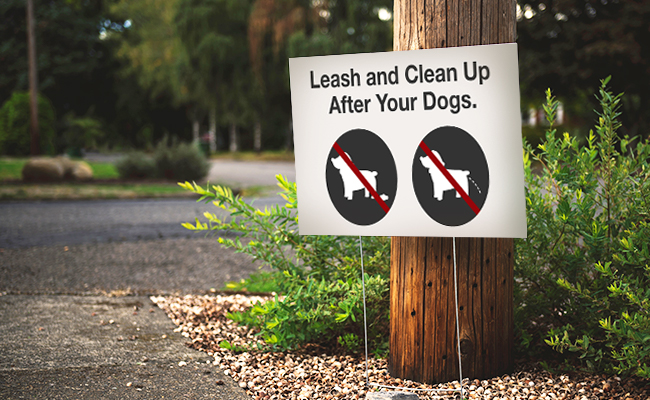
Image Source: home-cdn.reolink.us
Why It’s a Problem: More Than Just Mess
The presence of dog feces on property isn’t just an aesthetic issue. It poses several significant problems:
- Health Risks: Dog waste can carry harmful bacteria, viruses, and parasites like E. coli, Salmonella, and roundworms. These can spread to humans, especially children playing in the yard, and to other pets.
- Environmental Impact: When not picked up, dog waste can contaminate local waterways through storm runoff, polluting rivers, lakes, and oceans.
- Lawn Damage: The nitrogen and phosphorus in dog urine can “burn” grass, leaving unsightly brown patches. Feces can also smother and kill grass.
- Nuisance and Smell: Repeated defecation can lead to unpleasant odors, making your yard less enjoyable.
Addressing the Situation: A Step-by-Step Approach
Before implementing any solutions, consider a calm and systematic approach. It’s often best to start with communication.
Step 1: Direct, Polite Communication
The simplest way to resolve neighbor’s pet problems is often direct conversation.
- Choose the Right Time: Approach your neighbor when you are both calm and have time to talk without distractions. Avoid confronting them when you’re angry or the dog is actively pooping.
- Be Specific and Friendly: Start with a friendly greeting. Then, clearly state the problem without being accusatory.
- Instead of: “Your dog is always pooping in my yard!”
- Try: “Hi [Neighbor’s Name], I wanted to chat for a moment. I’ve noticed your dog has been using my yard as a bathroom lately, and I’m concerned about the mess and potential health issues. Would it be possible to keep [Dog’s Name] from doing that?”
- Offer Solutions (If Appropriate): You might suggest they keep their dog on a leash or direct them to an alternative spot.
- Focus on Shared Responsibility: Frame it as a community issue, not just a personal grievance.
Step 2: Documenting the Issue
If polite conversation doesn’t yield results, or if you have repeat offenders, it’s wise to start documenting.
- Log Dates and Times: Keep a record of when you find dog waste in your yard.
- Take Photos or Videos: Capture clear images of the dog in your yard, or the waste itself. This can be helpful if you need to involve authorities later.
- Note Any Communication: Record when you spoke to your neighbor and their response.
Easy Solutions for Deterring Dogs from Yard
Once communication has been attempted or if direct confrontation isn’t feasible, it’s time to explore yard deterrents for dogs. These methods aim to make your yard less appealing to visiting dogs without harming them.
Natural Deterrents
Many natural substances can effectively discourage dogs from entering and defecating in your yard. These are often safe for children and other pets.
Citrus Peels
- How it works: Dogs generally dislike the strong scent of citrus.
- Application: Scatter fresh orange, lemon, lime, or grapefruit peels along the perimeter of your yard and in areas where the dog frequently poops.
- Pros: Natural, readily available, adds a pleasant smell for humans.
- Cons: Needs frequent replenishment, especially after rain.
Vinegar
- How it works: The pungent smell of vinegar is off-putting to dogs.
- Application: Mix equal parts white vinegar and water in a spray bottle. Spray liberally along fence lines, gates, and around the affected areas.
- Pros: Inexpensive, easy to apply.
- Cons: Can be harmful to plants if sprayed directly on them. The smell can be strong for humans too. Needs reapplication after rain.
Coffee Grounds
- How it works: The scent and texture of coffee grounds can deter dogs.
- Application: Sprinkle used coffee grounds around the perimeter of your yard or on problem spots.
- Pros: Recycles waste, can be beneficial to some plants.
- Cons: May attract other animals. Effectiveness can vary.
Cayenne Pepper or Chili Powder
- How it works: The spicy nature of pepper irritates a dog’s nose and paws if they step on it or sniff it.
- Application: Sprinkle a moderate amount around your yard’s borders.
- Pros: Very effective for many dogs.
- Cons: CAUTION: Can cause significant discomfort or even pain if it gets into a dog’s eyes or is ingested. Use sparingly and with extreme care, and avoid if you have small children or other pets that might be sensitive or ingest it. Reapplication is needed after rain.
Commercial Dog Repellents
- How it works: These products often contain scents or tastes that dogs find unpleasant. They are usually formulated to be safe for pets and humans when used as directed.
- Application: Follow product instructions carefully. Typically involves spraying around the perimeter.
- Pros: Specifically designed for this purpose, often long-lasting.
- Cons: Can be costly, effectiveness can vary by dog and product. Always check ingredients and safety for other animals and children.
Physical Barriers and Modifications
Sometimes, a physical change to your yard can be the most effective way to deter stopping dogs from marking or defecating.
Sturdy Fencing
- How it works: A well-maintained fence is the most obvious physical barrier.
- Application: Ensure your fence is tall enough and has no gaps that a dog can squeeze through. Check for any loose boards or holes at the base.
- Pros: Highly effective, permanent solution if properly installed.
- Cons: Can be expensive and requires maintenance.
Motion-Activated Sprinklers
- How it works: These devices detect movement and emit a burst of water, startling the dog and making the area unwelcoming.
- Application: Position sprinklers to cover the areas where dogs enter or defecate. Adjust sensitivity and range as needed.
- Pros: Humane, effective for many dogs, covers a wide area.
- Cons: Requires water access, can be triggered by other animals or people, may need re-positioning.
Textured Surfaces
- How it works: Dogs often prefer soft, grassy surfaces to relieve themselves. Making certain areas less appealing can redirect them.
- Application: Consider placing rough materials like gravel, pinecones, or strategically placed rocks in common entry points or problem areas.
- Pros: Can be a deterrent without using chemicals.
- Cons: May not be aesthetically pleasing to everyone, might not deter all dogs.
Planting Unappealing Shrubs or Plants
- How it works: Certain plants have scents or textures that dogs find unpleasant.
- Examples: Coleus Canina (Scaredy Cat plant), rue, lavender, rosemary, and citronella grass are sometimes cited.
- Application: Plant these along your fence line or in vulnerable areas.
- Pros: Natural, can enhance landscaping.
- Cons: Effectiveness varies greatly by dog. Needs time to grow and establish.
Reinforcing Boundaries and Signs
Clear communication of boundaries can also be helpful.
“No Trespassing” or “Keep Off Grass” Signs
- How it works: While not a physical barrier, signs can serve as a clear message.
- Application: Place signs at visible points along your property line.
- Pros: Inexpensive, communicates your expectations directly.
- Cons: Relies on the neighbor’s willingness to comply; may not deter a determined dog or owner.
Talking to Your Neighbor (Again)
If the problem persists, a second conversation might be necessary, perhaps with a firmer tone or by involving a mediator if available.
Advanced Solutions for Persistent Problems
If the above methods aren’t working, you may need to consider more robust strategies.
Escalating Communication: Involving Homeowners’ Association (HOA) or Local Authorities
If your community has an HOA, check its rules regarding pet waste and property nuisances. Many HOAs have specific policies that can help resolve neighbor’s pet problems.
- Review HOA Covenants: Look for rules about pet waste, leash laws, and property upkeep.
- File a Formal Complaint: Follow your HOA’s procedure for filing a complaint, providing your documentation.
If an HOA isn’t an option, or if their rules are insufficient, consider contacting your local animal control or code enforcement.
- Check Local Ordinances: Research your city or county’s laws regarding animal waste, public nuisance, and leash laws.
- File a Report: Provide your documentation to the relevant authorities. They may issue warnings or citations to the neighbor if the problem violates local laws. This is a crucial step for pet waste control and ensuring responsible pet ownership within the community.
Legal Recourse (Last Resort)
In extreme cases, if all other avenues fail and the problem significantly impacts your property value or enjoyment, you might consider legal action. This is typically a last resort due to cost and potential for escalating neighborly disputes.
- Consult an Attorney: Discuss your options with a legal professional specializing in property or nuisance law.
- Cease and Desist Letter: An attorney can draft a formal letter demanding the neighbor address the issue.
Maintaining Your Yard: Dog Waste Removal and Lawn Care
Even with deterrents in place, accidents can happen. It’s important to maintain your yard properly.
Prompt Cleanup
- How it works: Regularly inspect your yard for any waste and clean it up immediately.
- Tools: Use a pooper scooper or a sturdy plastic bag.
- Disposal: Dispose of waste in a sealed bag in your outdoor trash bin.
- Benefits: Reduces odor, prevents spread of bacteria and parasites, and keeps your lawn healthy. This is key for effective pet waste control.
Lawn Care for Damaged Areas
- Rinsing: If urine has hit your grass, rinse the area thoroughly with plenty of water to dilute the nitrogen and prevent burning.
- Repair: For burn spots, rake out the dead grass, reseed with a quality grass seed suitable for your climate, and keep the area moist until new growth is established.
Preventing Dogs from Marking
Stopping dogs from marking is a common issue related to preventing animal defecation. Marking is a natural behavior for dogs, but it becomes a nuisance when it happens in your yard.
- Citrus Scents: As mentioned, citrus sprays or peels can deter dogs from marking territory.
- Vinegar: A vinegar wash can neutralize urine odors that attract other dogs to mark the same spot.
- Install Dog Posts: Some people find success by placing a “dog relief station” (a post with a small patch of gravel or mulch) in a designated area near the property line that they are willing for dogs to use. This can sometimes redirect their marking behavior. It’s a proactive measure for pet waste control.
- Frequent Cleaning: Thoroughly clean any marked spots with an enzymatic cleaner specifically designed to break down pet odors. This removes the scent cues that encourage further marking.
Table: Summary of Deterrent Methods
| Method | How it Works | Application | Pros | Cons |
|---|---|---|---|---|
| Citrus Peels | Unpleasant scent for dogs | Scatter around perimeter | Natural, pleasant smell for humans | Needs frequent reapplication, especially after rain |
| Vinegar Spray | Pungent, off-putting smell | Spray along borders | Inexpensive, easy to apply | Can harm plants, strong smell for humans, needs reapplication |
| Coffee Grounds | Unpleasant scent and texture | Sprinkle around yard | Recycles waste, some plant benefits | May attract other animals, variable effectiveness |
| Cayenne Pepper/Chili Powder | Irritates nose/paws | Sprinkle sparingly around borders | Effective for many dogs | CAUTION: Can cause pain/discomfort to dogs and pets/children if ingested or gets in eyes. |
| Motion Sprinklers | Startles dogs with water | Position to cover problem areas | Humane, effective, covers large areas | Requires water, can trigger other animals, may need re-positioning |
| Textured Surfaces | Uncomfortable for paws | Place gravel, pinecones, etc. in entry areas | Natural deterrent, no chemicals | May not be aesthetically pleasing, may not deter all dogs |
| Specific Plants | Unpleasant scent/texture | Plant along fence lines | Natural, enhances landscaping | Effectiveness varies, needs time to grow |
| Commercial Repellents | Unpleasant scents/tastes | Spray as per product instructions | Specifically designed, often long-lasting | Can be costly, effectiveness varies, check safety for other animals |
Frequently Asked Questions (FAQ)
What is the best way to stop a neighbor’s dog from pooping in my yard?
The best approach starts with polite communication with your neighbor. If that fails, implement a combination of natural deterrents, physical barriers, and consistent cleaning.
Can I call animal control if my neighbor’s dog keeps pooping in my yard?
Yes, if your neighbor is unresponsive to your requests and the dog’s actions violate local ordinances regarding animal waste or public nuisance, you can contact your local animal control or code enforcement agency. Ensure you have documented evidence.
Are there humane ways to stop dogs from entering my yard?
Absolutely. Motion-activated sprinklers, natural deterrents like citrus peels or vinegar, and sturdy fencing are all humane methods that don’t harm the animal.
How do I clean up dog feces from my yard effectively?
Use a pooper scooper or a plastic bag to pick up the feces immediately. Dispose of it in a sealed bag in your outdoor trash. For lingering odors or stains from urine, use an enzymatic cleaner.
My neighbor’s dog is marking my fence. How can I stop this?
To stop dogs from marking, clean the area thoroughly with an enzymatic cleaner to remove scent cues. You can also use deterrents like citrus-based sprays or planting strong-smelling herbs near the fence.
What if my neighbor ignores my concerns?
If your neighbor is not receptive to your concerns, you may need to escalate the issue. This could involve contacting your Homeowners’ Association (HOA) if you have one, or reporting the problem to local authorities like animal control or code enforcement, especially if it violates local ordinances.
By implementing these strategies, you can effectively manage and prevent dog feces on property and reclaim your yard, fostering a more pleasant living environment for everyone. Remember, the goal is pet waste control and encouraging responsible pet ownership throughout your neighborhood.