
Can you stop deer from pooping in your yard? Yes, by using a combination of deterrents, habitat modification, and consistent effort, you can significantly reduce or eliminate deer droppings in your yard.
Deer are beautiful creatures, but when they decide your lawn and garden are their personal restroom, it can become a messy and unsanitary problem. The persistent piles of deer droppings aren’t just unsightly; they can also spread parasites and diseases and even damage your plants by over-fertilization or simply by the sheer volume of their presence. This comprehensive guide will delve into various strategies and solutions to help you deter deer and keep your yard clean and green.
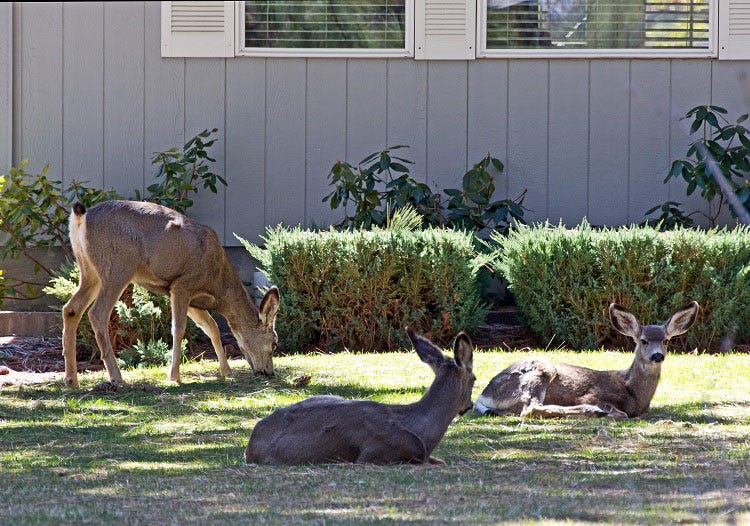
Image Source: www.havahart.com
Why Are Deer Pooping in Your Yard?
Deer are often drawn to residential areas for a variety of reasons, primarily food and shelter. Yards with lush landscaping, gardens, and access to water sources become attractive feeding grounds. Additionally, suburban and urban environments can offer a perceived sense of safety from natural predators, making your yard a comfortable place for them to linger and, unfortunately, leave their mark. Fencing can be a good option for yard protection from deer.
Effective Deer Repellent Strategies
Finding the best deer repellents involves understanding what makes deer uncomfortable or hesitant to enter an area. Deer have a keen sense of smell and are sensitive to certain tastes and textures. Exploiting these senses is key to effective deer control.
Scent-Based Repellents
Deer rely heavily on their sense of smell to identify food sources and potential dangers. Scent-based repellents aim to mask attractive smells or introduce odors that deer find unpleasant.
Natural Deer Deterrents (Scent)
Many natural ingredients can be formulated into effective deer repellent sprays or granules. These often mimic the scent of predators or strong, acrid smells that deer associate with danger.
- Rotten Egg Solutions: The strong sulfurous smell of rotten eggs is highly offensive to deer. You can create a spray by mixing eggs with water and a bit of dish soap (to help emulsify) and spraying it on plants and around the perimeter of your yard. Reapplication is crucial, especially after rain.
- Garlic and Onion Sprays: Similar to rotten eggs, the potent odor of garlic and onions is a powerful natural deer deterrent. Blend garlic cloves and onions with water, strain, and spray.
- Spicy Pepper Sprays: Capsaicin, the active compound in chili peppers, can irritate a deer’s mouth and nose, making them avoid treated areas. You can create a spray using cayenne pepper powder or hot sauce mixed with water and a mild soap. Be cautious when handling and spraying, and avoid contact with eyes.
- Essential Oils: Certain essential oils, such as peppermint, rosemary, eucalyptus, and cedarwood, have strong scents that deer generally dislike. Dilute these oils with water and a carrier oil (like vegetable oil) before spraying.
Commercial Scent Repellents
The market offers a wide range of commercially produced scent repellents. These often contain ingredients like putrescent egg solids, predator urine (coyote or fox), or essential oils. When choosing a commercial deer repellent, look for products labeled as safe deer deterrents and follow application instructions carefully.
- Repels-All: This is a popular option that uses a blend of animal-based ingredients to confuse and deter deer.
- Deer Out: Another widely used product that combines predator urine, garlic, and essential oils.
- Plantskydd: This is a blood-meal-based repellent that is effective against deer and rabbits.
Taste-Based Repellents
These repellents work by making plants unpalatable to deer. When deer nibble on treated foliage, they experience an unpleasant taste, discouraging them from returning.
Natural Deer Deterrents (Taste)
- Soap: Some gardeners have reported success by hanging bars of strongly scented soap (like Irish Spring) from trees or shrubs. The theory is that deer dislike the smell and taste of the soap.
- Aluminum Foil: Wrapping young trees or vulnerable plants in aluminum foil can deter deer. The crinkling sound and unfamiliar texture can startle them, and the metallic scent might also be off-putting.
Commercial Taste Repellents
These typically contain ingredients like rotten eggs, bittering agents, or plant-based compounds that make plants taste bad.
- Hinder: A widely available taste and scent repellent.
- Deer-B-Gone: Another common option that uses a blend of ingredients to create an unpleasant taste and smell.
Tactile and Auditory Deterrents
Some methods focus on making your yard less comfortable or more startling for deer.
Physical Barriers and Textures
- Gravel or Mulch: A layer of coarse gravel or sharp mulch around vulnerable plants can be uncomfortable for deer to walk on, discouraging them from browsing.
- Netting and Cages: For particularly prized plants or young trees, physical barriers like garden netting or wire cages offer excellent deer proofing. Ensure these are tall enough to prevent deer from simply stepping over them.
Sound and Motion Activated Devices
- Motion-Activated Sprinklers: These devices detect movement and release a sudden burst of water, startling deer and driving them away. They are a safe deer deterrent as they don’t harm the animals.
- Ultrasonic Devices: These emit high-frequency sounds that are inaudible to humans but can be irritating to deer and other animals. Their effectiveness can vary, and deer may become accustomed to them over time.
- Wind Chimes and Rattles: The unexpected sounds from wind chimes or strategically placed rattles can startle deer and make them more cautious about entering your yard.
Habitat Modification for Deer Control
Making your yard less appealing to deer is a proactive approach to prevent deer droppings. This involves altering the environment to remove attractants.
Strategic Planting
Choosing deer-resistant plants is one of the most effective long-term solutions for yard protection. While no plant is entirely deer-proof, some species are significantly less palatable than others.
Deer-Resistant Plant Choices
Deer tend to avoid plants that are:
- Aromatic: Plants with strong scents (herbs like lavender, rosemary, sage) are often overlooked.
- Textured: Plants with fuzzy, prickly, or leathery leaves are less appealing.
- Toxic: Some plants are naturally poisonous to deer.
| Plant Category | Deer-Resistant Options |
|---|---|
| Perennials | Coneflower, Bee Balm, Bleeding Heart, Peony, Columbine, Astilbe, Iris, Lavender, Salvia, Yarrow |
| Shrubs | Lilac, Forsythia, Butterfly Bush, Hydrangea (some varieties), Rhododendron (some varieties), Spirea, Potentilla |
| Groundcovers | Creeping Thyme, Pachysandra, Vinca Minor, Juniper |
| Annuals | Marigolds, Zinnias, Petunias, Snapdragons, Begonias |
| Trees | ornamental maples, oaks, birch, pine, fir, spruce |
It’s important to research specific varieties, as deer resistance can vary even within the same species.
Removing Attractants
- Secure Trash Cans: Ensure your trash cans are tightly sealed to prevent odors from attracting deer.
- Clean Up Fallen Fruit: If you have fruit trees, promptly collect any fallen fruit, as it’s a high-value food source for deer.
- Manage Bird Feeders: Bird feeders can also attract deer, especially if seeds spill onto the ground. Consider elevated feeders or removing them during periods of high deer activity.
- Eliminate Water Sources: While not always feasible, reducing accessible water sources like uncovered pools or ponds can make your yard less inviting.
Physical Exclusion: The Ultimate Deer Proofing
When other methods fail, or for high-value gardens, physical barriers are the most reliable way to prevent deer droppings.
Fencing
- Height and Material: Deer can jump surprisingly high, so fences need to be at least 8 feet tall. Woven wire, welded wire, or electric fencing are common choices.
- Double Fencing: For extreme protection, a double fence system can be effective. This involves two fences placed a few feet apart. Deer are reluctant to jump between two closely spaced barriers.
- Slanted Fencing: Fencing installed at an outward angle (about 45 degrees) can make it difficult for deer to get a foothold and jump over.
- Electric Fencing: A properly installed electric fence can be a very effective deer repellent. Deer learn quickly to avoid the mild shock. It can be less visually obtrusive than a tall solid fence.
Tree Guards
Protecting young trees from deer damage is crucial for their survival and growth.
- Trunk Wraps: Tree wraps made of plastic, cardboard, or burlap can protect the bark from rubbing and browsing.
- Wire Cages: Cylindrical wire cages around the trunks of young trees provide a physical barrier against deer nibbling. Ensure they are tall enough to extend above the expected browsing height.
Behavioral Modification: Teaching Deer to Stay Away
Sometimes, a consistent and varied approach to deer control can teach deer that your yard is not a safe or desirable place.
Noise and Disturbance
- Regular Presence: Simply being present in your yard regularly, especially during dawn and dusk when deer are most active, can make them feel unwelcome.
- Scare Tactics: While not a permanent solution, occasional loud noises (like banging pots and pans or shouting) can temporarily startle deer.
Introducing New Stimuli
- Reflective Objects: Hanging old CDs or aluminum pie plates that move and reflect light can startle deer and make them wary.
- Floating Eyes: Some commercial products mimic the eyes of predators and can be placed in gardens to deter deer.
Maintenance and Consistency are Key
The most crucial aspect of any deer control strategy is consistency. Deer are intelligent and adaptable animals.
- Reapply Repellents Regularly: Scent and taste repellents wash off with rain and dew. Follow product instructions, but generally, reapplication every few weeks or after significant rainfall is necessary.
- Rotate Deterrents: Deer can become accustomed to a single type of deterrent. Varying your approach by switching between different scent, taste, or tactile methods can be more effective.
- Monitor Effectiveness: Keep an eye on your yard for signs of deer activity. If you notice new droppings or browse damage, it’s time to reassess your strategies.
Common Mistakes to Avoid
- Relying on a Single Method: A multi-pronged approach is almost always more successful.
- Not Reapplying: This is the most common reason for repellent failure.
- Using Only Natural Methods on Aggressive Deer: While natural deer deterrents are great, severe infestations might require stronger solutions.
- Ignoring Habitat Modification: Making your yard less attractive is as important as actively deterring them.
Frequently Asked Questions About Deer Poop and Control
Q1: How often should I reapply deer repellent?
A1: Most deer repellent products recommend reapplication every 2-4 weeks, or after heavy rain or irrigation. Always check the specific product label for the best guidance.
Q2: Are all deer resistant plants truly deer-proof?
A2: No, no plant is entirely deer-proof. In areas with high deer populations and limited food, deer may eat plants they typically avoid. However, deer-resistant plants are significantly less likely to be browsed than other options.
Q3: Can I use homemade deer repellents safely?
A3: Yes, many homemade natural deer deterrents using ingredients like garlic, onions, and cayenne pepper are generally safe for plants and the environment. However, always test a small area of the plant first to ensure it doesn’t cause discoloration or damage. Avoid using harsh chemicals.
Q4: What is the best time of year to start deer control?
A4: It’s best to start implementing deer control methods before deer damage becomes noticeable, ideally in early spring as new growth emerges. However, you can implement deterrents at any time of year if deer are becoming a problem.
Q5: How can I stop deer from returning after I’ve deterred them?
A5: Consistent application of repellents, maintaining physical barriers, and modifying your yard’s habitat to remove attractants are key to preventing deer from returning. Persistence is essential for long-term yard protection.
Q6: Are ultrasonic deer deterrents effective?
A6: The effectiveness of ultrasonic devices can be inconsistent. Some users report success, while others find deer become accustomed to the sound. They can be a good addition to a multi-faceted strategy but are rarely a complete solution on their own.
By implementing a combination of these strategies, you can effectively deter deer and significantly reduce or eliminate deer droppings in your yard. Remember, patience and persistence are your greatest allies in achieving a clean and deer-free outdoor space.