
Can you make a good living running your own lawn care business? Yes, many individuals successfully build profitable careers as lawn mowing entrepreneurs, ground maintenance company owners, and operators within the green industry startup sector. Starting a lawn service requires careful planning and execution, whether your focus is on residential lawn care business operations or larger commercial lawn maintenance contracts. This guide will walk you through the essential steps to launch and grow your own small business lawn care venture.
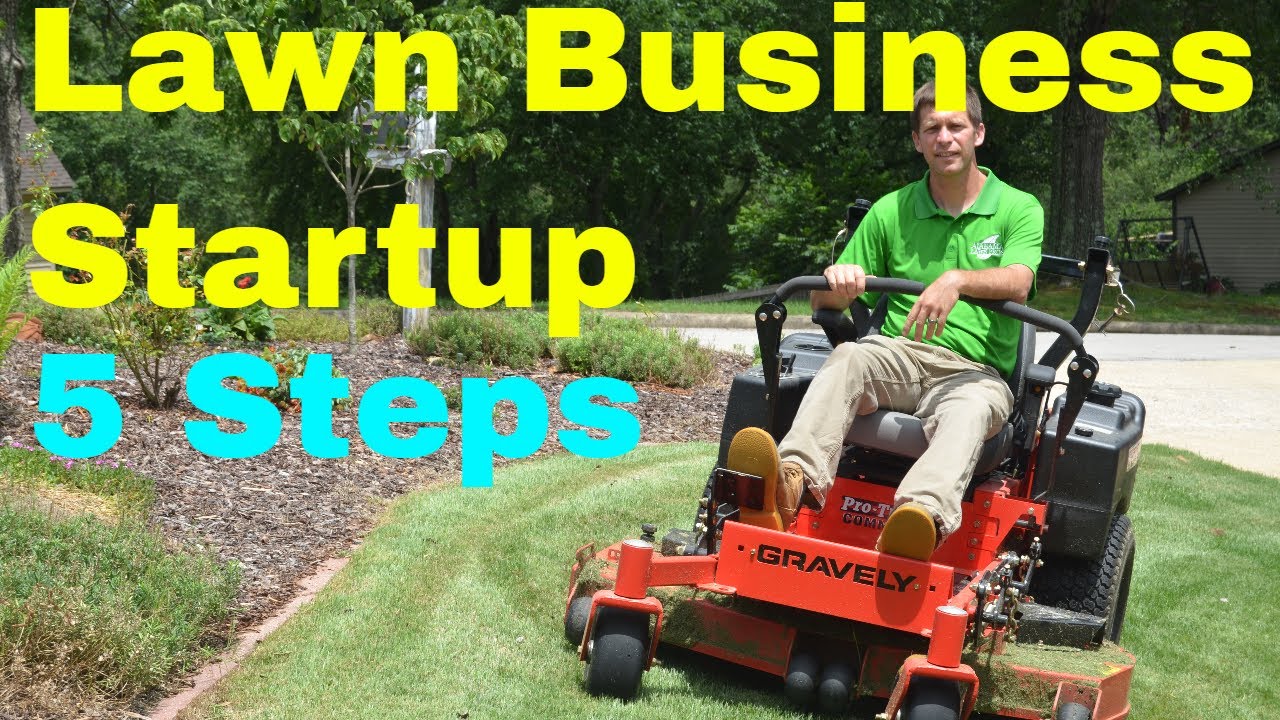
Image Source: i.ytimg.com
Laying the Groundwork for Your Lawn Care Startup
Embarking on a journey to establish your own lawn care business, often referred to as starting a lawn service, is an exciting endeavor. This field offers a practical path to self-employment, allowing you to build a business centered around horticultural business ideas and practical ground maintenance. Whether you envision a modest operation or aspire to manage commercial lawn maintenance, the foundational steps are crucial for success.
Defining Your Business Niche
The green industry is vast. Before you buy a single piece of equipment, consider what specific services you want to offer. This is a critical part of your lawn care startup.
- Residential Lawn Care Business: Focusing on individual homes. Services typically include mowing, trimming, edging, blowing, and basic fertilization. This is a popular entry point for a lawn mowing entrepreneur.
- Commercial Lawn Maintenance: Targeting businesses, HOAs, apartment complexes, and industrial properties. These contracts often involve more extensive services like landscape design, irrigation management, seasonal cleanups, and snow removal (depending on your location). This can be a significant growth area for a ground maintenance company.
- Specialty Services: You might focus on areas like aeration, overseeding, pest control, lawn disease treatment, hardscaping, or tree and shrub care. This is where many horticultural business ideas can blossom.
Crafting a Solid Business Plan
A business plan is your roadmap. It helps you clarify your goals, understand your market, and secure financing if needed. For a small business lawn care operation, this doesn’t need to be a novel, but it should cover key areas.
Key Components of Your Business Plan:
- Executive Summary: A brief overview of your entire plan.
- Company Description: What your business is, its mission, and its vision.
- Market Analysis: Research your local market. Who are your potential customers? Who are your competitors? What are their strengths and weaknesses?
- Services Offered: Detail the specific lawn care services you will provide.
- Marketing and Sales Strategy: How will you reach your customers and sell your services?
- Management Team: Even if it’s just you initially, outline your experience and any future staffing plans.
- Financial Projections: Estimate your startup costs, operating expenses, and projected revenue.
Legal Structures and Registration
Choosing the right legal structure is vital for protecting your personal assets and for tax purposes.
- Sole Proprietorship: The simplest structure, where you and your business are one entity. Easy to set up but offers no personal liability protection.
- Partnership: If you’re going into business with someone else, a partnership is an option. Similar to a sole proprietorship in terms of liability.
- Limited Liability Company (LLC): A popular choice for small businesses. It separates your personal assets from your business debts and obligations.
- S-Corporation or C-Corporation: More complex structures, usually for larger businesses.
Registration Steps:
- Register Your Business Name: File a “Doing Business As” (DBA) or fictitious name statement if you’re using a name other than your own.
- Obtain an Employer Identification Number (EIN): If you plan to hire employees or operate as an LLC or corporation, you’ll need an EIN from the IRS.
- Secure Necessary Licenses and Permits: Check with your local city, county, and state governments for any required business licenses or permits for lawn care services. Some states may require specific licenses for pesticide application or certain landscaping activities.
Gearing Up: Equipment and Operations for Your Lawn Service
The right tools are essential for efficiency and quality work. As a lawn mowing entrepreneur, your equipment is your livelihood.
Essential Equipment for a Lawn Care Startup
For a residential lawn care business, you’ll need reliable equipment that can handle various property sizes.
- Commercial-Grade Riding Mower: For larger properties, a zero-turn mower is efficient.
- Walk-Behind Mower: Good for smaller yards or tight spaces.
- String Trimmer (Weed Eater): For edging and trimming around obstacles.
- Edger: For clean, crisp lines along sidewalks and driveways.
- Blower: For clearing clippings from hard surfaces.
- Handheld Tools: Shovels, rakes, pruners, loppers for basic landscaping and cleanup.
- Safety Gear: Eye protection, ear protection, gloves, sturdy footwear.
- Trailer or Truck: For transporting equipment. A reliable trailer is often more cost-effective for a lawn care startup than a dedicated truck.
Considering Additional Services and Equipment
If you plan to offer more advanced services, your equipment needs will expand.
- Aerator: For improving soil compaction.
- Dethatcher/Power Rake: For removing thatch buildup.
- Spreader: For applying fertilizer or seed.
- Hedge Trimmer: For shaping bushes and hedges.
- Pressure Washer: For cleaning patios, driveways, and fences.
- Snow Blower or Plow: If offering winter services.
Maintaining Your Equipment
Regular maintenance is crucial to prevent costly breakdowns and ensure a professional finish.
- Blade Sharpening: Keep mower blades sharp for clean cuts.
- Oil Changes: Follow manufacturer recommendations for engine oil.
- Filter Cleaning/Replacement: Air and fuel filters need regular attention.
- Greasing: Lubricate moving parts to prevent wear.
- Tire Pressure: Ensure tires are properly inflated.
Pricing Your Services and Managing Finances
Financial health is key to the longevity of your ground maintenance company. Smart pricing and financial management will set you apart.
Developing a Pricing Strategy
Your pricing needs to cover your costs, provide a profit, and remain competitive.
- Cost-Plus Pricing: Calculate all your costs (labor, equipment, fuel, insurance, etc.) and add a profit margin.
- Value-Based Pricing: Price based on the perceived value to the customer. For example, a beautifully maintained lawn can increase a home’s curb appeal.
- Competitive Pricing: Research what your competitors charge for similar services.
Factors to Consider When Pricing:
- Time: How long will the job take?
- Complexity: Are there many obstacles, slopes, or special features?
- Equipment Used: Different services require different equipment, affecting costs.
- Location: Costs of living and doing business vary by region.
- Your Overhead: Insurance, vehicle costs, marketing, administrative expenses.
Service Pricing Models:
- Per-Service Rate: Charge a set price for each individual service (e.g., mowing, trimming, edging).
- Hourly Rate: Charge by the hour, common for more complex or unpredictable jobs.
- Package Deals: Offer bundled services at a discounted price (e.g., weekly mowing + trimming).
- Maintenance Contracts: For commercial lawn maintenance or regular residential clients, offer monthly or seasonal contracts for recurring services.
Managing Your Finances
Good bookkeeping is essential for any small business lawn care operation.
- Track All Income and Expenses: Use accounting software or a spreadsheet.
- Separate Business and Personal Finances: Open a dedicated business bank account.
- Create a Budget: Plan your spending and revenue.
- Invoice Promptly: Send invoices as soon as services are rendered.
- Manage Cash Flow: Ensure you have enough money to cover expenses between payments.
Startup Costs to Consider
Here’s a table outlining typical startup costs for a lawn care startup:
| Expense Category | Estimated Cost Range | Notes |
|---|---|---|
| Equipment Purchase | $3,000 – $15,000+ | Mowers, trimmers, edgers, blowers, trailer |
| Vehicle/Trailer | $2,000 – $10,000+ | Used truck or van, trailer |
| Licenses & Permits | $100 – $500 | Varies by location |
| Insurance | $500 – $2,000 (annual) | General liability, auto, workers’ comp (if applicable) |
| Marketing & Advertising | $200 – $1,000 | Website, flyers, business cards |
| Tools & Supplies | $100 – $500 | Shovels, rakes, safety gear, fuel, oil, blade sharpener |
| Legal & Accounting Fees | $100 – $750 | Business formation, initial advice |
| Contingency Fund | 10-20% of total | For unexpected expenses |
| Total Estimated Startup | $6,000 – $30,000+ | Highly dependent on equipment quality and scope |
Marketing Your Lawn Care Business Effectively
Getting your name out there is crucial for attracting clients for your residential lawn care business or commercial lawn maintenance contracts.
Building Your Brand and Online Presence
In today’s digital age, a strong online presence is vital for any horticultural business ideas or ground maintenance company.
- Create a Professional Website: Showcase your services, pricing, testimonials, and contact information.
- Develop a Logo and Brand Identity: This helps you stand out.
- Utilize Social Media: Platforms like Facebook, Instagram, and Nextdoor are excellent for reaching local customers. Post before-and-after photos, share tips, and run promotions.
- Google My Business: Claim your listing to appear in local search results and on Google Maps.
Offline Marketing Strategies
Don’t underestimate traditional marketing for your lawn mowing entrepreneur journey.
- Flyers and Door Hangers: Target specific neighborhoods where you want to build a client base.
- Yard Signs: Place signs on properties you’re servicing (with homeowner permission).
- Local Networking: Attend community events, join local business associations.
- Word-of-Mouth Referrals: Encourage satisfied customers to spread the word. Offer referral discounts.
Developing Service Packages and Promotions
Create attractive offers to draw in new clients.
- Seasonal Clean-Up Packages: Spring and fall cleanups can be profitable.
- New Customer Discounts: Offer a percentage off the first service.
- Referral Programs: Reward existing customers for bringing in new business.
- Loyalty Programs: Discounted services for long-term clients.
Delivering Quality Service and Building Customer Relationships
Excellent service is the foundation for repeat business and positive reviews. This is the core of being a successful lawn mowing entrepreneur.
Professionalism in Every Interaction
How you conduct yourself directly impacts customer perception.
- Punctuality: Arrive on time for appointments and jobs.
- Communication: Keep clients informed about schedules, any issues, or changes.
- Appearance: Wear clean, branded uniforms. Maintain a professional demeanor.
- Respect for Property: Treat your clients’ lawns and property with care. Clean up thoroughly after each job.
Ensuring Quality Workmanship
Your work is your advertisement.
- Attention to Detail: Mow edges cleanly, trim precisely, and blow off all hard surfaces.
- Consistency: Maintain a high standard of quality for every client, every time.
- Problem Solving: Identify potential lawn issues (pests, diseases) and offer solutions or advise the client.
Handling Customer Feedback and Complaints
Even the best businesses receive feedback.
- Listen Actively: Hear the customer’s concerns without interrupting.
- Apologize Sincerely: If a mistake was made, apologize and take responsibility.
- Offer a Solution: What can you do to rectify the situation? A re-service, a discount on future work?
- Learn from Feedback: Use complaints as opportunities for improvement.
Scaling Your Lawn Care Business
Once your lawn care startup is running smoothly, you can think about growth.
Hiring and Managing Employees
As your client base expands, you may need to hire help.
- Define Roles and Responsibilities: Clearly outline what you expect from employees.
- Background Checks: Especially if employees will be entering homes or working unsupervised.
- Training: Provide proper training on equipment operation, safety, and customer service.
- Compliance: Understand employment laws, payroll taxes, and workers’ compensation requirements.
Expanding Service Offerings
Diversifying your services can increase revenue streams. Consider adding:
- Fertilization and Weed Control: Requires licensing and specific knowledge.
- Pest and Disease Management: Also requires licensing.
- Landscape Design and Installation: Can be a significant revenue generator.
- Irrigation System Installation and Repair: Requires specialized skills.
- Seasonal Services: Snow removal, holiday lighting, leaf removal.
Investing in Better Equipment and Technology
As you grow, consider upgrading your equipment for greater efficiency and professionalism.
- Fleet Management Software: To track vehicles, maintenance, and employee schedules.
- Customer Relationship Management (CRM) Software: To manage client information, billing, and communication.
- GPS Tracking: For route optimization and accountability.
Frequently Asked Questions (FAQ) for Starting a Lawn Care Business
What are the essential skills for a lawn care business owner?
Key skills include strong work ethic, physical stamina, basic mechanical aptitude, customer service abilities, sales and marketing knowledge, and financial management skills. Understanding horticultural principles is also a significant asset.
Do I need a license to start a lawn care business?
Licensing requirements vary by state and locality. You may need a general business license, and specific licenses are often required for services like pesticide application or certain types of landscaping. Always check with your local and state government agencies.
How much money do I need to start a lawn care business?
Startup costs can range from a few thousand dollars for a very basic setup (using existing equipment) to tens of thousands for a fully equipped commercial operation. A realistic budget might be between $5,000 and $20,000 for a solid lawn care startup.
Is lawn care a profitable business?
Yes, lawn care can be a very profitable business, especially with careful planning, efficient operations, and effective marketing. Profitability depends on factors like pricing, customer acquisition, service quality, and overhead management.
What kind of insurance do I need for my lawn care business?
Essential insurance includes general liability insurance (to cover property damage or injuries to third parties), commercial auto insurance (if using vehicles for business), and potentially workers’ compensation insurance if you hire employees.
How do I find my first customers?
Start by targeting your immediate neighborhood. Use flyers, door hangers, and local social media groups. Ask friends and family to spread the word. Offer introductory discounts to encourage initial sign-ups.
Is it better to focus on residential or commercial clients?
This depends on your goals and resources. Residential lawn care offers a broad customer base and easier entry. Commercial lawn maintenance often involves larger, recurring contracts but can be more competitive and require more substantial equipment and capital. Many successful ground maintenance company owners start with residential and then expand into commercial.
How important is equipment maintenance for a lawn mowing entrepreneur?
It is critically important. Well-maintained equipment operates efficiently, delivers better results, and reduces the risk of breakdowns, which can lead to missed appointments and lost revenue.
What are some common mistakes to avoid when starting a lawn care business?
Common mistakes include underpricing services, neglecting marketing, failing to get adequate insurance, not having a clear business plan, and not investing in proper equipment maintenance.
Conclusion
Starting your own lawn care business is a rewarding path for those who enjoy working outdoors and are eager to build something of their own. By meticulously planning your services, securing the right equipment, understanding your finances, and committing to exceptional customer service, you can establish a thriving residential lawn care business or a robust commercial lawn maintenance operation. The journey from a simple lawn mowing entrepreneur to a leading ground maintenance company owner is paved with hard work, dedication, and a continuous drive for excellence within the green industry startup landscape. Your horticultural business ideas can truly take root and flourish with careful execution.