
Can you start a small lawn care business? Yes, absolutely! With careful planning and the right approach, launching a profitable lawn mowing business is achievable for many entrepreneurs. This comprehensive guide will walk you through every step of starting a lawn service, from initial concept to securing your first clients. We’ll cover everything you need to know to build a successful lawn care startup.
Image Source: greenpal-production.s3.amazonaws.com
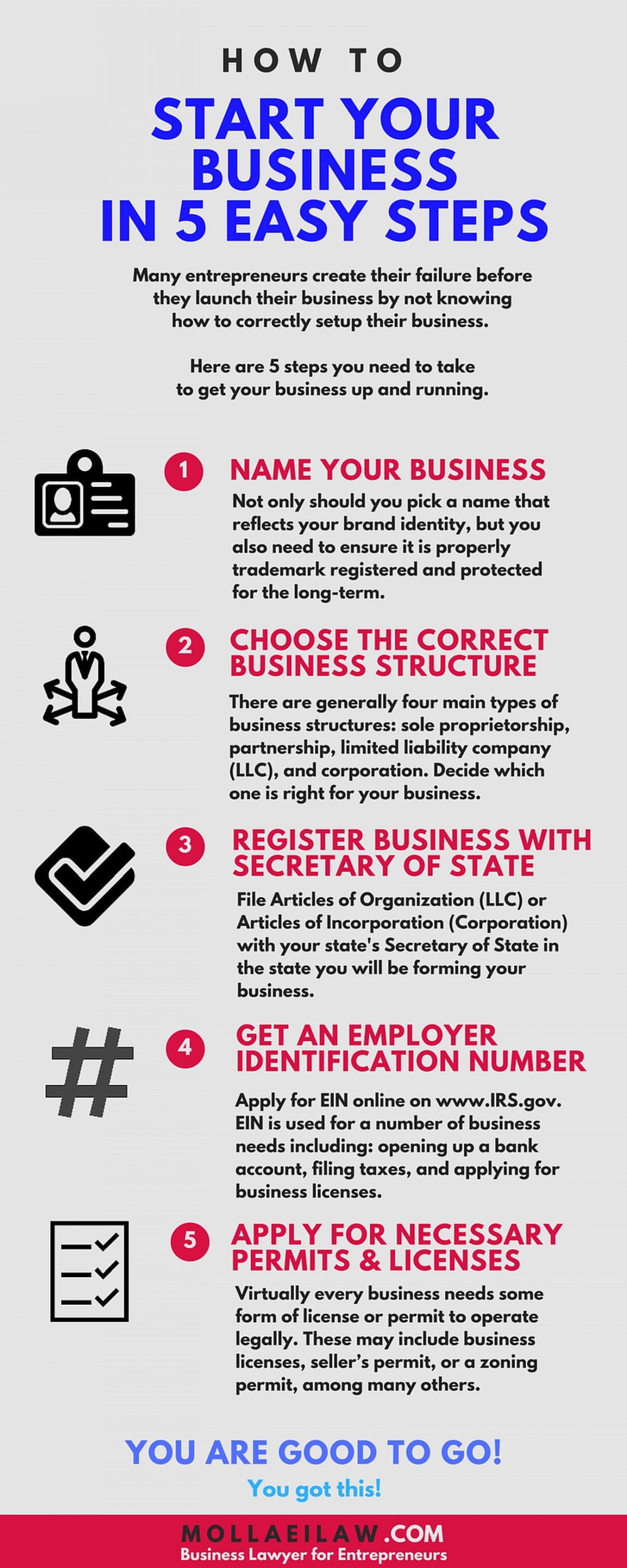
Laying the Groundwork: Your Business Blueprint
Before you buy a single piece of lawn care equipment, you need a solid foundation. This means developing a robust business plan for lawn care. Think of it as your roadmap to success.
Defining Your Services and Niche
What services will you offer? While basic mowing is a staple, consider expanding your offerings.
- Core Services:
- Mowing (residential and commercial)
- Edging
- Trimming
- Blowing (walkways and driveways)
- Potential Add-ons:
- Fertilization and weed control
- Aeration
- Dethatching
- Mulching
- Spring and fall cleanups
- Hedge trimming
- Planting
- Basic landscaping services (this is where you differentiate if you’re aiming for a landscaping startup)
Deciding on your niche is crucial. Will you focus on high-end residential properties, budget-conscious homeowners, or commercial accounts? Your target market will influence your pricing, marketing, and equipment choices.
Market Research: Know Your Turf
- Who are your competitors? Identify other lawn care businesses in your area. What services do they offer? What are their prices? Visit their websites or social media pages.
- What are the local demand trends? Are there many new housing developments? Is there a strong emphasis on curb appeal in your target neighborhoods?
- Identify your ideal customer. What are their needs and expectations?
Naming Your Business and Branding
- Choose a memorable name. It should be easy to say, spell, and relevant to your services.
- Develop a simple logo. This will be part of your brand identity.
- Secure a domain name and social media handles.
Financial Foundations: Funding Your Venture
Starting a business requires capital. You need to determine how much money you’ll need and where it will come from.
Estimating Startup Costs
Your initial investment will depend on the scale of your operation and the type of equipment you choose.
Startup Cost Estimator
| Category | Estimated Cost Range | Notes |
|---|---|---|
| Lawn Care Equipment | $2,000 – $10,000+ | Mower, trimmer, edger, blower, hand tools, safety gear. |
| Vehicle | $3,000 – $20,000+ | Truck or van for hauling equipment. Consider used options initially. |
| Insurance | $500 – $1,500+ | General liability, workers’ compensation (if hiring). |
| Business Licenses/Permits | $50 – $300 | Varies by city/county/state. |
| Marketing Materials | $200 – $1,000 | Business cards, flyers, website development. |
| Software/Admin Tools | $100 – $500 | Invoicing, scheduling, accounting. |
| Initial Supplies | $100 – $500 | Fuel, oil, trimmer line, safety glasses, gloves. |
| Working Capital | $1,000 – $5,000+ | To cover operating expenses until revenue stabilizes. |
| Total Estimated Startup | $7,950 – $39,300+ | This is a broad estimate. Research specific costs in your area. |
Funding Options
- Personal Savings: The most common and risk-free method.
- Loans: Small business loans from banks or credit unions.
- Friends and Family: Borrowing from loved ones.
- Grants: Less common for this type of business, but worth exploring.
Acquiring the Right Equipment
Investing in reliable lawn care equipment is critical for efficiency and customer satisfaction.
Essential Lawn Care Equipment
- Riding Mower: For larger properties. Consider zero-turn mowers for maneuverability.
- Push Mower: Good for smaller yards or as a backup.
- String Trimmer (Weed Eater): For edging and trimming around obstacles.
- Edger: For creating clean lines along sidewalks and driveways.
- Leaf Blower: For clearing debris from lawns and hard surfaces.
- Hand Tools: Shovels, rakes, pruners, hedge trimmers.
- Safety Gear: Safety glasses, ear protection, gloves, sturdy footwear.
- Trailer or Truck Bed Rack: For transporting equipment.
- Fuel Cans and Oil: For engine maintenance.
Purchasing Strategies
- New vs. Used: New equipment comes with warranties but is more expensive. Used equipment can be a cost-effective option, but inspect it thoroughly before buying.
- Brand Reputation: Invest in reputable brands known for durability and performance.
- Maintenance: Learn how to perform basic maintenance to extend the life of your equipment.
Legalities and Protection: Staying Compliant and Safe
Protecting yourself and your business is paramount. This involves legal registration and appropriate insurance.
Business Registration and Licenses
- Choose a Business Structure: Sole proprietorship, partnership, LLC, or S-corp. Consult with a legal professional to determine the best structure for your needs.
- Register Your Business Name: File for a DBA (Doing Business As) if you’re not using your legal name.
- Obtain Federal and State Tax IDs: Get an Employer Identification Number (EIN) from the IRS.
- Local Licenses and Permits: Check with your city and county for any required business licenses or permits for operating a lawn care service.
Lawn Care Insurance: Essential Protection
Lawn care insurance is non-negotiable. It protects you from financial loss due to accidents, injuries, or property damage.
- General Liability Insurance: Covers third-party bodily injury or property damage that occurs while you are performing your services. For example, if you accidentally damage a client’s sprinkler system or a passerby trips over your equipment.
- Workers’ Compensation Insurance: If you plan to hire employees, this insurance covers medical expenses and lost wages for employees injured on the job.
- Commercial Auto Insurance: If you use a vehicle for your business, you’ll need commercial auto insurance that covers business use.
- Inland Marine Insurance (Tool & Equipment Coverage): This covers your equipment against theft or damage while it’s being transported or stored.
It is crucial to consult with an insurance agent specializing in small business coverage to ensure you have the right policies in place.
Pricing Your Services: Earning a Fair Return
Pricing lawn care services correctly is vital for profitability. Don’t undercharge just to get clients.
Pricing Strategies
- Per-Service Pricing: Charge a fixed rate for each service (e.g., $50 for a standard mow).
- Hourly Pricing: Charge an hourly rate for your labor. This can be harder for clients to budget.
- Square Footage Pricing: Base your price on the size of the lawn. This is common for mowing.
- Tiered Packages: Offer different levels of service at varying price points (e.g., Basic Mow, Mow & Edge, Full Service).
Factors Influencing Your Pricing
- Lawn Size and Complexity: Larger and more difficult-to-maneuver lawns command higher prices.
- Service Frequency: Regular clients may receive a slight discount.
- Travel Distance: Factor in the cost of fuel and time for travel to client locations.
- Your Costs: Equipment maintenance, fuel, insurance, labor (even your own time!).
- Competitor Pricing: While not the sole determinant, it’s a point of reference.
- Perceived Value: What is the value of a well-maintained lawn to your customer?
Example Pricing Table (Estimates – Adjust for your area)
| Service | Small Lawn (up to 5,000 sq ft) | Medium Lawn (5,000-10,000 sq ft) | Large Lawn (10,000+ sq ft) |
|---|---|---|---|
| Mow, Edge, Trim, Blow | $40 – $60 | $60 – $90 | $90+ |
| Edging Only | $20 – $30 | $30 – $45 | $45+ |
| Trimming Only | $20 – $30 | $30 – $45 | $45+ |
| Spring/Fall Cleanup | $150 – $300 | $300 – $600 | $600+ |
Marketing Your Lawn Care Business: Attracting Clients
Even with excellent service, you need to let people know you exist. Effective marketing a lawn care business is key to growth.
Creating a Marketing Plan
- Define Your Target Audience: Who are you trying to reach?
- Set Marketing Goals: How many new clients do you want to acquire?
- Allocate a Budget: How much can you spend on marketing?
Marketing Strategies for Obtaining Clients
- Local SEO and Online Presence:
- Google Business Profile: Claim and optimize your free listing. Ensure accurate contact information, services, and hours. Encourage reviews!
- Simple Website: A professional website showcasing your services, pricing, testimonials, and contact information is essential.
- Social Media: Create business pages on platforms like Facebook and Instagram. Post before-and-after photos, client testimonials, and useful lawn care tips.
- Offline Marketing:
- Door Hangers and Flyers: Target neighborhoods where you want to work.
- Vehicle Wraps or Magnets: Turn your truck into a mobile billboard.
- Networking: Attend local community events, join business associations.
- Referral Program: Encourage existing clients to refer new customers with discounts.
- Yard Signs: Ask satisfied clients if you can place a sign in their yard after service.
- Word-of-Mouth: This is your most powerful marketing tool. Provide exceptional service, and happy customers will spread the word.
Operations and Management: Running Your Business Smoothly
Efficient operations will save you time and money.
Scheduling and Routing
- Optimize Routes: Group clients geographically to minimize travel time and fuel consumption.
- Scheduling Software: Consider using scheduling apps to manage appointments and client communications.
Customer Service Excellence
- Reliability: Show up on time for appointments and complete jobs as promised.
- Communication: Keep clients informed about schedule changes or any issues.
- Professionalism: Maintain a professional appearance and demeanor.
- Follow-up: Check in with clients after service to ensure satisfaction.
Invoicing and Payment
- Clear Invoices: Provide detailed invoices outlining services rendered and costs.
- Payment Options: Offer multiple payment methods (cash, check, online payments, credit cards).
- Payment Terms: Clearly state your payment terms (e.g., due upon receipt, net 30).
Growth and Expansion: Scaling Your Lawn Care Startup
Once your lawn care startup is established, you can think about growing.
Hiring Employees
- When to Hire: When you have more work than you can handle yourself.
- Legal Requirements: Understand employment laws, payroll taxes, and workers’ compensation.
- Training: Train new hires on safety procedures and service quality.
Expanding Service Offerings
- Add Landscaping: As your expertise and resources grow, consider offering more comprehensive landscaping startup services.
- Seasonal Services: Offer snow removal in winter, holiday lighting, or other seasonal services to generate year-round income.
Investing in Better Equipment
- Upgrade Mowers: Invest in more efficient or specialized mowers.
- Add Advanced Equipment: Consider aerators, dethatchers, or power rakes to offer more services.
Frequently Asked Questions (FAQ)
Q1: What are the most important things to consider when starting a lawn care business?
The most important things are developing a solid business plan for lawn care, securing adequate lawn care insurance, investing in reliable lawn care equipment, and creating a strong marketing a lawn care business strategy to start obtaining clients.
Q2: Can I start a lawn care business with just one mower?
Yes, you can start with just one reliable mower, a trimmer, and an edger. As your lawn mowing business grows, you can invest in more advanced equipment.
Q3: How much money do I need to start a small lawn care business?
You can potentially start a small lawn care startup with as little as $3,000-$5,000 if you already own a suitable vehicle and purchase used equipment. However, a more realistic budget for a well-equipped operation, including insurance and initial marketing, might range from $8,000 to $15,000.
Q4: How do I set prices for my lawn care services?
Research competitor pricing lawn care services, calculate your operating costs (equipment, fuel, insurance, labor), and consider the value you provide. A common approach is to price based on lawn size, service complexity, and frequency.
Q5: What kind of insurance do I need for a lawn care business?
You absolutely need general liability insurance. If you plan to hire employees, workers’ compensation insurance is mandatory. Commercial auto insurance is also essential if you use a vehicle for your business.
Q6: How do I get clients for my new lawn care business?
Start by letting your personal network know. Then, focus on local marketing like Google Business Profile, flyers, door hangers, and social media. Excellent service and word-of-mouth referrals are crucial for obtaining clients.
By following this guide, you’ll be well on your way to launching a successful and sustainable small lawn care business. Dedication, hard work, and a commitment to quality service are your greatest assets.