
Can you recycle an old lawn mower? Yes, you absolutely can! An old lawn mower can often be recycled, especially its metal components. How do you dispose of a gas mower responsibly? You’ll want to drain the fuel and oil before taking it to a recycling center or scrap yard.
When your trusty lawn mower finally gives up the ghost, you might wonder what to do with it. Tossing it in the regular trash isn’t ideal, and often not even allowed, due to its metal content and potentially hazardous fluids. Fortunately, there are several environmentally friendly and responsible ways to handle lawn mower disposal. This guide will walk you through your options, from finding mower recycling centers to exploring old mower repurposing ideas and understanding how to deal with hazardous waste mower components.
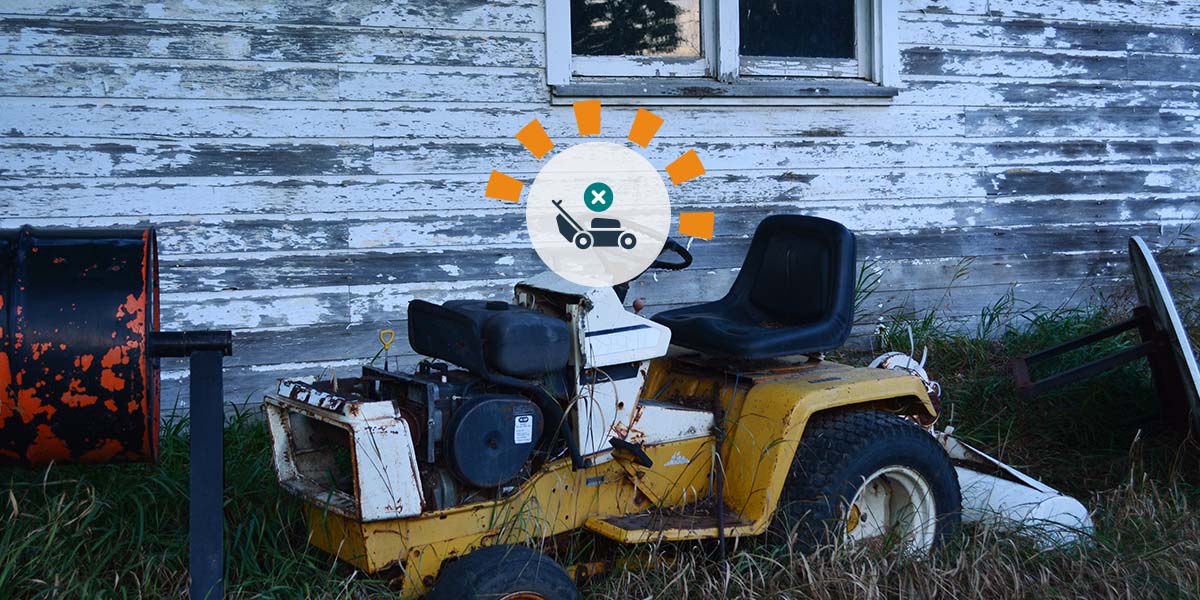
Image Source: dumpsters.com
Why Recycling Your Old Lawn Mower Matters
Lawn mowers, whether gas-powered, electric, or even manual push models, are largely made of metal. Recycling these metals conserves natural resources, reduces energy consumption, and minimizes the amount of waste sent to landfills. Furthermore, older gas mowers contain fluids like gasoline and motor oil, which are considered hazardous waste and require special handling to prevent environmental contamination.
Environmental Benefits of Recycling
- Resource Conservation: Recycling metal, like steel and aluminum found in mowers, reduces the need to mine and process virgin ore.
- Energy Savings: Producing goods from recycled metal uses significantly less energy than from raw materials.
- Pollution Reduction: Landfills can leach harmful chemicals from disposed items, including residual fuels and oils. Recycling diverts this waste.
- Reduced Greenhouse Gas Emissions: Less energy used in manufacturing means lower carbon footprints.
Your Options for Lawn Mower Disposal
When it’s time to say goodbye to your old mower, you have several avenues to explore. The best choice for you will depend on the type of mower, its condition, and what resources are available in your area.
1. Selling or Donating a Working Mower
If your mower is still functional, even if it’s not in perfect condition, selling or donating it is a great option.
Selling Your Mower
- Online Marketplaces: Websites like Craigslist, Facebook Marketplace, eBay, and local classifieds are excellent places to list a working mower. Be honest about its condition.
- Garage Sales: A classic way to offload unwanted items.
- Local Repair Shops: Some shops might buy older, but still running, mowers for parts or to refurbish.
Donating Your Mower
- Community Organizations: Habitat for Humanity ReStores, local vocational schools, or community gardens might accept working lawn mowers.
- Friends, Family, or Neighbors: Someone you know might need a spare mower or a project.
2. Taking it to a Metal Scrap Yard
Many metal scrap yard lawn mower services are happy to take old mowers. They are primarily interested in the metal content.
What to Expect at a Scrap Yard
- Preparation: You’ll likely need to drain all fluids (gasoline, oil, and any hydraulic fluid if it’s a riding mower) before taking it in. This is crucial for safety and acceptance.
- Payment: Scrap yards typically pay by weight for metals. The amount will vary based on the current market price for scrap metal.
- Types of Metal: Mowers contain steel, aluminum, and sometimes copper in the engine or wiring.
How to Find a Scrap Yard
- Online Search: Use terms like “scrap metal recycling near me,” “auto salvage yard,” or “metal recycling center.”
- Local Government Websites: Your city or county waste management department might have a list of approved scrap recyclers.
3. Utilizing Local Recycling Centers and Hazardous Waste Facilities
Dedicated mower recycling centers and municipal waste facilities are equipped to handle lawn mowers and their hazardous components.
Municipal Recycling Programs
- Drop-off Centers: Many towns and cities have designated drop-off locations for bulky items or scrap metal. Check your local waste management website for details.
- Special Collection Events: Some municipalities host annual or semi-annual collection events for electronics, appliances, and scrap metal.
Hazardous Waste Disposal
- Gasoline and Oil: These are flammable and toxic. Never pour them down drains or onto the ground. Most hazardous waste facilities accept these fluids.
- Batteries: Electric mowers, especially riding ones, may have lead-acid batteries. These also need special disposal at designated battery recycling or hazardous waste sites.
4. Junk Lawn Mower Removal Services
If you prefer a hassle-free option, consider hiring a professional junk lawn mower removal service.
Benefits of Removal Services
- Convenience: They will pick up the mower directly from your property.
- Proper Disposal: Reputable services will ensure the mower is recycled or disposed of according to environmental regulations.
- No Preparation Needed: In most cases, you don’t need to drain fluids; they handle that.
Finding a Removal Service
- Search Online: Look for “junk removal,” “appliance removal,” or “scrap metal pickup” services in your area.
- Ask for Quotes: Compare prices and services from different companies.
- Check Reviews: Ensure the company has a good reputation for responsible disposal.
Preparing Your Lawn Mower for Disposal or Recycling
Proper preparation ensures that your old mower can be recycled effectively and safely.
For Gas Mowers
Gasoline and oil are the primary concerns.
Draining Gasoline
- Safety First: Wear gloves and eye protection. Work in a well-ventilated area, away from open flames or sparks.
- Empty the Tank: Use a siphon pump or a dedicated fuel transfer pump to transfer the gasoline into an approved gasoline container.
- Run the Engine Dry: Start the mower and let it run until it stops from lack of fuel. This removes residual gas from the fuel lines and carburetor.
- Proper Disposal of Gasoline: Do not pour old gasoline into drains or onto the ground. Take it to a household hazardous waste collection site.
Draining Motor Oil
- Warm Engine: Run the mower for a few minutes to warm the oil, making it flow more easily.
- Locate Drain Plug: The drain plug is usually at the bottom of the engine crankcase.
- Place Container: Position an oil drain pan beneath the plug.
- Remove Plug: Use a wrench to remove the drain plug. Let all the old oil drain into the pan.
- Dispose of Oil: Pour the old oil into a sealed container and take it to an auto parts store, a repair shop, or a hazardous waste facility that accepts used motor oil for recycling.
For Electric Mowers
Electric mowers are generally simpler to prepare.
Corded Electric Mowers
- Cord Removal: Simply cut off the power cord if you wish. These can often be recycled with electronics or scrap metal.
Battery-Powered Electric Mowers
- Battery Removal: The battery is the main component to consider.
- Type of Battery: Most electric mowers use lead-acid or lithium-ion batteries.
- Recycling: Both types of batteries contain materials that should be recycled and can be hazardous if not handled properly. Take them to battery recycling centers, electronics recycling facilities, or hazardous waste collection sites. Many retailers that sell batteries also accept them for recycling.
For Riding Mowers and Zero-Turn Mowers
These larger machines require similar preparation to walk-behind gas mowers, with a few additions.
Fluid Drainage
- Gasoline and Oil: Drain these as described above for gas mowers.
- Hydraulic Fluid: Many riding mowers use hydraulic fluid for steering and transmission. This fluid also needs to be drained and disposed of properly. Consult your owner’s manual for the location of the hydraulic reservoir and drain points.
- Coolant: If your riding mower is liquid-cooled, you’ll need to drain the coolant. Coolant is toxic and must be taken to a hazardous waste facility.
Battery Removal
- Riding mowers and zero-turn mowers typically have a 12-volt lead-acid battery, similar to a car battery. Remove this battery carefully and take it to a designated battery recycling location or hazardous waste facility.
Specific Disposal Scenarios
Let’s break down disposal based on mower type and condition.
How to Dispose of a Gas Mower
Disposing of a gas mower involves draining its fuel and oil. Once these fluids are removed, the mower is essentially scrap metal. You can then take it to a scrap metal yard or a municipal recycling center. If you’re unsure about draining the fluids, a junk removal service is a good alternative.
Electric Mower Recycling
Electric mower recycling is generally straightforward. The primary concern is the battery. Once the battery is removed and taken for proper recycling, the rest of the mower (plastic housing, metal blades, and frame) can often be taken to a metal scrap yard or a general recycling facility.
Zero Turn Mower Disposal and Riding Mower Recycling
Zero turn mower disposal and riding mower recycling follow similar principles to gas mowers but on a larger scale. Ensure all fluids, including gasoline, oil, and hydraulic fluid, are drained. Batteries also need separate recycling. These larger mowers are excellent candidates for scrap yards due to their substantial metal content. Many junk removal services specialize in larger items and can handle the pickup and disposal of these mowers.
When Your Mower is Beyond Repair
If your mower is rusted, broken, or simply too old and uneconomical to fix, recycling it as scrap metal is the most common and responsible approach. Ensure all fluids are removed, and then it’s ready for the scrap yard.
Old Mower Repurposing Ideas
While recycling is often the primary goal, sometimes an old mower can find a new life through creative repurposing. This is especially true for older, more robust models.
Creative Repurposing Projects
- Planter: Remove the engine and deck, clean it up, and use the mower body as a unique garden planter.
- Garden Art: Paint it a bright color or incorporate it into a whimsical garden sculpture.
- Tool Storage: The deck or body might be adapted to store garden tools.
- Parts Salvage: If you have a similar mower that needs repair, your old one might be a source of usable parts.
Note: If repurposing involves keeping the mower somewhat intact, and it’s a gas model, ensure all fuel and oil are completely removed and disposed of properly before displaying it as garden art or using it for any purpose that might involve the engine or fluids.
Table: Mower Disposal Options Summary
| Disposal Method | Best For | Preparation Required | Potential Benefits |
|---|---|---|---|
| Selling/Donating | Working or easily repairable mowers. | Clean up, possibly minor repairs. | Earn money or help others; environmentally friendly. |
| Metal Scrap Yard | Non-working mowers, any type. | Drain all fluids (gas, oil, hydraulic). Remove battery. | Recovers valuable metals; often provides payment. |
| Local Recycling Center | Non-working mowers. | Drain fluids; battery removal for electric/riding mowers. Check local guidelines. | Convenient drop-off; supports community recycling efforts. |
| Hazardous Waste Facility | Fluids (gasoline, oil, coolant), batteries. | Transport fluids/batteries to the facility. | Prevents environmental contamination. |
| Junk Lawn Mower Removal | All types, especially when convenience is key. | Minimal; service handles pickup and preparation. | Hassle-free; ensures proper disposal. |
| Old Mower Repurposing | Creative individuals with functional or repairable mowers for non-operational use. | Thoroughly clean and remove all hazardous fluids and components if not being used. | Unique garden features; reduces waste through creative reuse. |
Frequently Asked Questions (FAQ)
Q1: Can I just throw my old lawn mower in the dumpster?
A1: Generally, no. Lawn mowers, especially gas-powered ones, contain fluids that are considered hazardous waste and cannot be disposed of in regular trash. They are also often too large for standard dumpsters.
Q2: How do I dispose of the gasoline and oil from my mower?
A2: You must drain all gasoline and oil from the mower. Gasoline should be taken to a household hazardous waste collection site. Used motor oil can usually be taken to auto parts stores, service stations, or local recycling centers that accept it. Never pour these fluids into drains, sewers, or onto the ground.
Q3: Where can I find mower recycling centers near me?
A3: You can find mower recycling centers by searching online for “scrap metal recycling,” “metal recycling near me,” or by checking your local city or county waste management website for a list of approved recycling facilities or collection events.
Q4: What about the battery in my electric mower?
A4: Batteries from electric mowers, especially riding or zero-turn models, need to be recycled separately. Look for battery recycling drop-off points at electronics stores, home improvement stores, or hazardous waste collection sites.
Q5: Is it safe to take a lawn mower with fluids still in it to a scrap yard?
A5: No, most scrap yards will not accept a mower with fluids still inside due to safety and environmental regulations. You must drain all gasoline, oil, and any other operational fluids before bringing it in.
Q6: What if my mower is very old and rusty?
A6: Even old and rusty mowers are valuable for their metal content. They can be taken to a metal scrap yard lawn mower service. Just be sure to drain any residual fluids.
Q7: I have a riding mower that’s broken. What’s the best way to get rid of it?
A7: For riding mower recycling or zero turn mower disposal, your best options are typically a scrap metal yard or a professional junk lawn mower removal service. Remember to drain all fluids and remove the battery before taking it to a scrap yard.
By following these guidelines, you can ensure your old lawn mower is disposed of responsibly, keeping your community and the environment clean.