
Can you protect your garden from hail? Yes, there are many effective ways to protect your garden from hail. This guide will show you simple methods for hail damage prevention, garden hail cover options, and how to implement DIY hail protection. We’ll cover hail netting for plants, protecting vegetables from hail, and safeguarding crops from hail. You’ll learn about hail resistant plants, hail storm damage mitigation, weather protection for gardens, and preventing hail impact on plants.
Hailstorms can be devastating for gardeners. Those icy projectiles can shred leaves, bruise fruits, and even snap stems. The damage can be extensive, setting back your harvest for weeks or even the entire season. But don’t despair! With a little planning and effort, you can significantly reduce the risk of hail damage prevention and keep your precious plants safe.
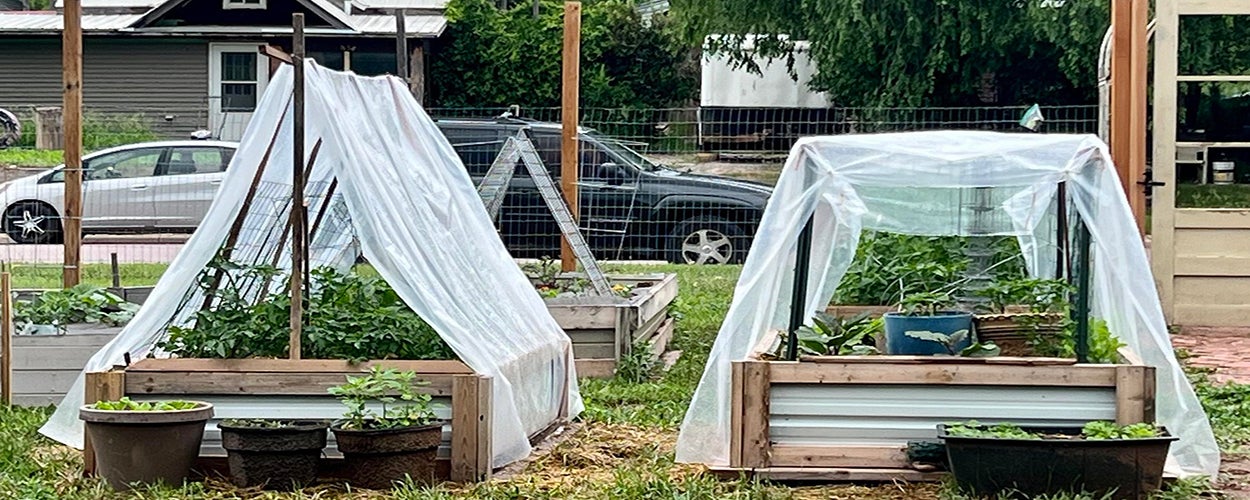
Image Source: extension.sdstate.edu
The Threat of Hail to Your Garden
Hailstones can vary greatly in size, from small peas to grapefruit-sized chunks of ice. The impact force is directly related to the size and speed of the hail. Larger, faster hailstones cause more severe damage.
Common types of hail damage include:
- Leaf Damage: Leaves can be torn, punctured, or completely stripped from plants. This reduces photosynthesis, weakening the plant.
- Stem Damage: Stems can be cracked, bruised, or broken, hindering nutrient and water transport.
- Fruit and Vegetable Damage: Produce can be bruised, split, or have their skin damaged, making them susceptible to rot and less appealing for consumption.
- Flower Damage: Delicate blossoms can be destroyed, preventing fruit set.
- Seedling Destruction: Young, tender seedlings are particularly vulnerable and can be wiped out in a single storm.
Proactive Strategies for Hail Damage Prevention
The best approach to hail damage prevention is to be prepared before the storm hits. Thinking ahead can save your garden from significant loss.
Choosing the Right Location
When planning your garden, consider its placement. While you can’t always predict hail, certain locations might offer some natural protection.
- Near Buildings or Tall Structures: Structures can sometimes shield a portion of your garden from direct hail impact, especially if the prevailing storm direction is known.
- Underneath Sturdy Trees (with caution): While trees can offer some shade, be mindful of branches falling during severe storms. Ensure the trees are healthy and not overcrowded above your garden.
Selecting Hail Resistant Plants
Some plants are naturally tougher and can withstand a bit of rough weather better than others. Incorporating hail resistant plants into your garden can be a smart long-term strategy.
Plants known for better hail tolerance:
- Herbs: Rosemary, Thyme, Lavender are generally quite hardy.
- Root Vegetables: Carrots, potatoes, and beets often have foliage that can recover or grow back from minor damage.
- Certain Brassicas: Cabbage and kale tend to have robust leaves.
- Tomatoes (with caveats): While the fruit can be damaged, the plants themselves are often resilient enough to recover if the stems remain intact.
Plants to protect more carefully:
- Lettuce and leafy greens
- Peppers
- Cucumbers
- Melons
- Young seedlings of any kind
Implementing Garden Hail Cover Solutions
The most direct way to protect your garden from hail is by covering your plants. There are several options, from commercial products to DIY hail protection.
Using Hail Netting for Plants
Hail netting for plants is a popular and effective method for safeguarding crops from hail. This specialized netting is designed to be durable and resilient against ice impacts.
Types of Hail Netting:
- Woven Polyethylene Nets: These are common and come in various mesh sizes and densities. The denser the weave, the better the protection.
- Knotless Nets: These are often stronger and less likely to snag on plants.
How to Use Hail Netting:
- Structure: You’ll need a frame to support the netting over your plants. This can be as simple as stakes and hoops or more elaborate arched structures.
- Installation: Drape the netting over the frame, ensuring it covers the entire area you want to protect. Secure the edges firmly with clips, weights, or stakes to prevent the wind from lifting it.
- Height: Ensure the netting is high enough so it doesn’t press directly on the plants, especially if they are tall or have fruits. A clearance of at least 6-12 inches is often recommended.
- Anchoring: The netting needs to be well-anchored. Wind can turn a lightweight cover into a kite, and it can also snag on plants, causing damage.
Advantages of Hail Netting:
- Provides excellent protection against hail.
- Can also offer some protection from birds and strong winds.
- Allows sunlight and water to reach the plants.
Considerations for Hail Netting:
- Requires a structure, which can be an initial investment.
- Needs to be installed before a storm is imminent, which might not always be possible.
- Can be a bit fiddly to put up and take down.
DIY Hail Protection Structures
For the budget-conscious gardener or those who enjoy a project, DIY hail protection offers great solutions. The core principle remains the same: create a barrier above your plants.
Simple DIY Cover Ideas:
- Hoop Houses/Cold Frames: Existing hoop houses or cold frames can offer protection. For extra hail defense, you can reinforce the plastic sheeting or add a layer of netting over the top.
- PVC Pipe Frames: Build simple frames using PVC pipes and connectors. Cover the frames with sturdy hail netting for plants or heavy-duty tarps. These can be designed to be easily erected and dismantled.
- Wooden Frame Structures: For more permanent protection of specific beds, construct simple wooden frames that can hold netting or solid roofing materials.
- Temporary Coverings: In an emergency, blankets, tarps, or even cardboard can be used to cover plants. Secure them well so they don’t blow away. It’s crucial to remove these immediately after the storm to prevent overheating and disease.
Key DIY Tips:
- Material Choice: Opt for durable materials that can withstand the impact of hail and weather. Shade cloth with a tighter weave can offer some hail protection, though dedicated hail netting is superior.
- Stability: Ensure your DIY structures are stable and won’t collapse under their own weight or from wind.
- Accessibility: Design your covers so you can easily access your plants for watering and harvesting.
Using Row Covers and Mulch
While not a complete solution for large hailstones, row covers and mulch can offer a degree of hail storm damage mitigation for smaller hail and lighter impacts.
- Floating Row Covers: Lightweight fabric row covers can offer minor protection for very delicate plants. They are best used in conjunction with other methods for significant hail events.
- Heavy Mulch: A thick layer of mulch around plants can help absorb some of the impact for low-growing crops and protect the soil surface.
Protecting Specific Vegetable Crops from Hail
Some vegetables are more susceptible to hail damage prevention than others. Knowing which ones need extra care is key to protecting vegetables from hail.
Leafy Greens
Lettuce, spinach, arugula, and other leafy greens have tender leaves that are easily shredded by hail.
- Best Protection: Raised beds covered with hail netting for plants or DIY hail protection structures.
- Mitigation: If caught unprotected, leaves will likely be damaged. You can still harvest the less damaged portions or allow the plant to regrow if the core is intact.
Fruiting Vegetables
Tomatoes, peppers, cucumbers, squash, and melons are particularly vulnerable, especially when they start to form fruit.
- Best Protection: Sturdy frames covered with netting or tarps. For tomatoes, consider staking them well so they stand up to impacts without falling over.
- Mitigation: Bruised fruits can still be used if the damage is shallow. Cut away any damaged sections. Split fruits or those with significant damage should be discarded to prevent rot.
Root Vegetables
Carrots, radishes, beets, and potatoes are more forgiving. While their foliage can be damaged, the edible part is underground.
- Best Protection: While the roots are safe underground, the foliage still needs protection for photosynthesis. Netting or coverings will help the plant continue to grow.
- Mitigation: If the foliage is heavily damaged, the plant may not produce as well. However, the roots are usually still viable.
Corn and Beans
Tall plants like corn can be damaged by hail breaking their stalks or shredding their leaves. Bush beans are more compact but still susceptible.
- Best Protection: Netting draped over a frame that is tall enough for the plants. For corn, consider a wider net to cover multiple rows.
- Mitigation: Broken stalks may need to be propped up. Heavily damaged leaves will impact yield.
Hail Storm Damage Mitigation and Recovery
Even with the best precautions, some hail storm damage mitigation might be necessary. What do you do after a hail storm?
- Assess the Damage: Once the storm has passed, carefully inspect your garden. Note which plants are damaged and the extent of the injury.
- Prune Damaged Parts: Use clean, sharp pruning shears to remove any shredded leaves, broken stems, or bruised fruit. This helps the plant conserve energy and prevents disease entry.
- Water and Fertilize: Damaged plants are stressed. Provide consistent watering and consider a light application of a balanced fertilizer to help them recover.
- Monitor for Disease: Damaged tissues are prone to fungal and bacterial infections. Keep an eye out for any signs of disease and treat accordingly.
- Harvest Usable Produce: Harvest any fruits or vegetables that have minor damage. It’s best to use them quickly.
Weather Protection for Gardens: Beyond Hail
While this guide focuses on hail, good weather protection for gardens encompasses more.
- Wind Protection: Windbreaks, such as sturdy fences or rows of shrubs, can help reduce wind damage, which often accompanies hailstorms.
- Frost Protection: Row covers and cloches can also protect plants from unexpected frosts.
- Sun Protection: Shade cloth is useful for protecting plants from intense sun during heatwaves.
Frequently Asked Questions (FAQ)
Q1: How high should my hail netting be?
A1: Aim for at least 6-12 inches of clearance between the netting and your plants. This prevents the netting from pressing on leaves and fruits, which can cause damage or hinder growth. For taller plants like tomatoes or corn, you may need a significantly taller structure.
Q2: Can I use regular shade cloth for hail protection?
A2: Regular shade cloth offers some protection, especially against smaller hail, but it’s not as effective as dedicated hail netting. Hail netting is designed with a tighter weave and stronger materials to withstand the impact of larger hailstones. If using shade cloth, choose a denser weave.
Q3: What is the best material for DIY hail protection?
A3: Strong, UV-resistant polyethylene netting is ideal. PVC pipes, wood, and sturdy stakes are good materials for building the frame. Ensure all materials are weather-resistant.
Q4: How do I secure hail netting?
A4: Secure the netting with clips, ties, or weights along the edges and at the base of the frame. Proper anchoring is crucial to prevent the netting from blowing away or damaging plants in high winds.
Q5: Can hail-damaged plants recover?
A5: Yes, many plants can recover from hail damage if the main stems and roots are intact. Pruning away damaged foliage and providing good care can help them bounce back. However, severe damage can significantly impact yield.
Conclusion
Protecting your garden from hail might seem like a daunting task, but with the right strategies and resources, it’s entirely achievable. Implementing hail damage prevention through sturdy garden hail cover solutions like hail netting for plants or well-constructed DIY hail protection can make a significant difference. By considering hail resistant plants, understanding how to protect specific crops, and knowing how to manage hail storm damage mitigation, you can significantly improve your chances of a bountiful harvest, regardless of the weather. Investing a little time and effort into weather protection for gardens will pay off in healthier, more productive plants, ultimately safeguarding crops from hail and preventing hail impact on plants.