
Are you finding too many pill bugs in your garden? Many gardeners wonder, “What is the best way to get rid of pill bugs naturally?” The most effective methods involve understanding their habitat and using common, non-toxic household items. This guide will explore several natural approaches to manage pill bugs, or “rolly polly” as they are often called, in your garden, providing natural pill bug killer solutions and effective garden pest removal.
Pill bugs, also known as sowbugs or armadillo bugs, are small, segmented crustaceans that have adapted to land. While they are beneficial decomposers, eating decaying organic matter and helping to enrich your soil, a large number of them can become a nuisance. They can chew on young plants, seedlings, and soft fruits, causing damage that can impact your harvest. When you face a rolly polly infestation, it’s time for some strategic garden bug treatment and outdoor insect control.
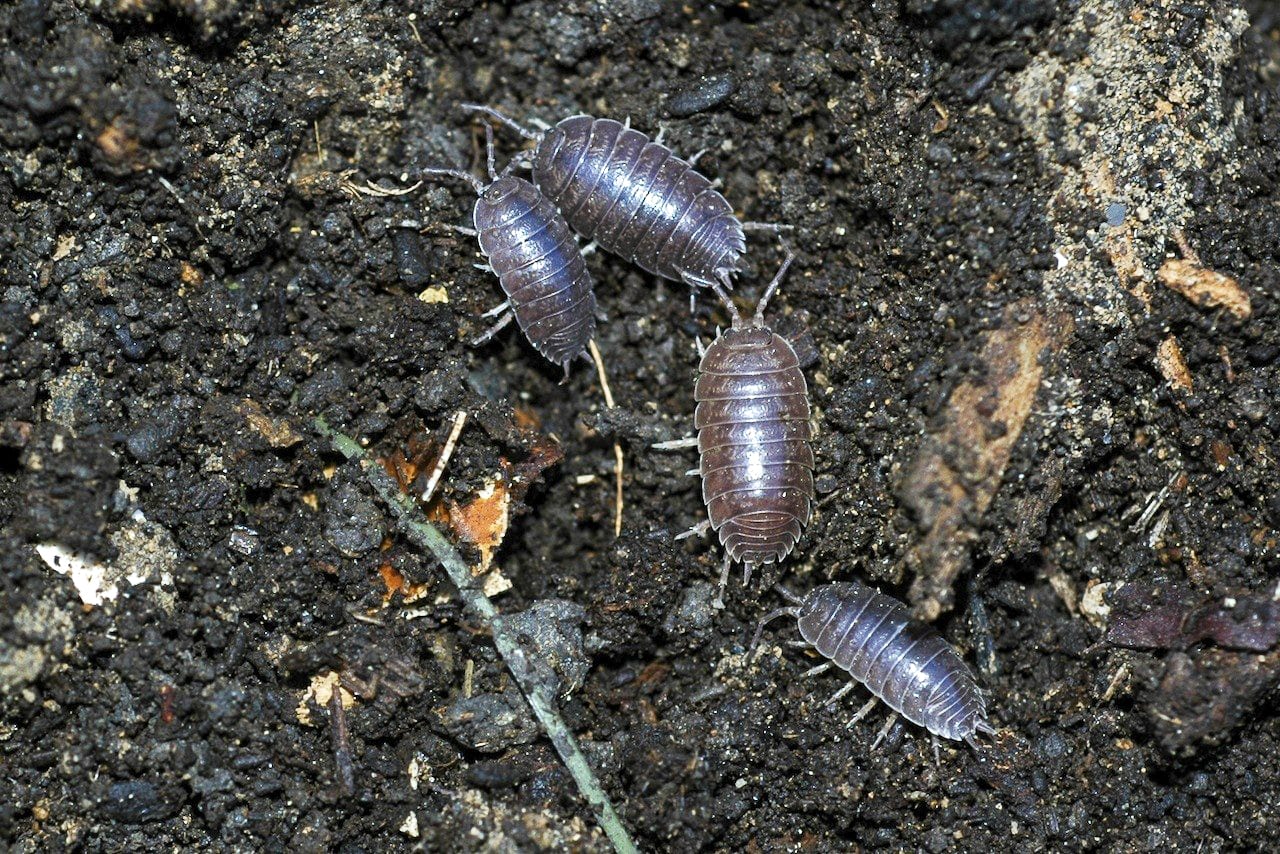
Image Source: growingspaces.com
Why Pill Bugs Become a Problem
Before we dive into how to kill pill bugs in the garden naturally, let’s explore why you might be seeing so many of them. These little creatures thrive in damp, dark environments. They are nocturnal, meaning they come out mostly at night to feed. During the day, they hide under rocks, logs, leaf litter, mulch, and in any damp crevices they can find.
Several factors can contribute to a rolly polly infestation:
- Excessive Moisture: Overwatering your garden or poor drainage creates ideal damp conditions for pill bugs to flourish.
- Abundant Organic Matter: While good for soil health, large piles of decaying leaves, compost, or rotting wood provide ample hiding places and food sources.
- Lack of Natural Predators: A healthy garden ecosystem includes predators like birds, frogs, and certain insects that help keep pill bug populations in check.
- Proximity to Structures: Pill bugs often migrate from areas near your house, such as basements or crawl spaces, if conditions are favorable.
Natural Methods for Sowbug Control
Fortunately, you don’t need harsh chemicals to manage pill bugs. There are many effective natural pill bug killer and sowbug control methods that focus on habitat modification and simple deterrents. These are not only safer for your plants, beneficial insects, and the environment but are also often more sustainable in the long run. Let’s explore these options for effective garden pest removal.
1. Habitat Modification: The First Line of Defense
The most crucial step in natural pill bug control is to make your garden less hospitable to them. This involves removing their favorite hiding spots and reducing moisture levels.
Reducing Moisture and Dampness
Pill bugs need moisture to survive. By managing the moisture in your garden, you can significantly reduce their numbers.
- Improve Drainage: Ensure your garden beds drain well. Avoid areas that stay waterlogged after rain or watering. Raised beds can be a good solution for poorly draining soil.
- Water Wisely: Water your plants in the morning. This allows the soil surface and foliage to dry out before evening, when pill bugs are most active. Avoid overwatering.
- Clear Debris: Remove fallen leaves, grass clippings, and old mulch from around the base of plants, especially young ones. While mulch is beneficial, keeping it thin and away from stems can help.
- Eliminate Standing Water: Check for and remove any sources of standing water in containers, old tires, or forgotten puddles.
Removing Hiding Places
Pill bugs love to hide. Removing their shelters is a key component of outdoor insect control.
- Clear Leaf Litter and Debris: Rake up fallen leaves and pile them away from your garden beds. Remove old plant debris after harvest.
- Remove Rocks and Logs: If possible, move rocks, bricks, and decaying logs away from areas where you are experiencing problems.
- Manage Mulch: Apply mulch thinly, especially around seedlings and delicate plants. Avoid piling mulch directly against plant stems. Consider using coarser mulches like pine bark or wood chips, which may not retain as much moisture as finer materials.
2. Trapping Pill Bugs
Traps are an excellent way to reduce the number of pill bugs in your garden without using chemicals. These methods are simple and can be very effective for rolly polly extermination.
The Citrus Peel Trap
Pill bugs are attracted to the pith of citrus fruits.
- How it works: Place halves of grapefruits, oranges, or melons upside down on the soil surface in affected areas.
- What to do: Check the traps daily, usually in the morning. The pill bugs will gather inside the peels. Carefully collect the peels with the pill bugs and dispose of them. You can drop them into a bucket of soapy water or relocate them to a more distant wooded area.
- Placement: Place these traps near the plants you want to protect.
The Cardboard Trap
Corrugated cardboard also provides an attractive hiding place for pill bugs.
- How it works: Dampen a piece of corrugated cardboard and place it flat on the soil.
- What to do: The pill bugs will seek shelter and moisture within the cardboard’s corrugations. Lift the cardboard in the morning to collect and dispose of the trapped pill bugs.
- Tip: You can make this trap even more appealing by placing a few moist organic materials, like vegetable scraps, inside.
The Beer Trap
Similar to slugs, pill bugs can be lured into beer.
- How it works: Bury a shallow container (like a yogurt cup or tuna can) so its rim is level with the soil. Fill it about halfway with cheap beer.
- What to do: The pill bugs will be attracted to the yeast in the beer, crawl into the container, and drown. Empty the trap regularly.
3. Natural Deterrents and Repellents
Some natural substances can deter pill bugs from entering certain areas or feeding on your plants.
Diatomaceous Earth (Food Grade)
Diatomaceous earth (DE) is a naturally occurring sedimentary rock that is ground into a fine powder.
- How it works: DE has sharp edges at a microscopic level that scratch the exoskeletons of insects, causing them to dehydrate and die.
- Application: Sprinkle a barrier of food-grade DE around the base of vulnerable plants or in areas where you see many pill bugs.
- Important: DE is most effective when dry. Reapply after rain or watering. While natural, it can harm beneficial insects too, so use it judiciously and avoid applying it directly to flowering plants that attract pollinators.
Copper Barriers
Copper can act as a deterrent because pill bugs and other crustaceans experience a mild electric shock when they touch it.
- How it works: The reaction between their moist bodies and the copper creates a small charge.
- Application: You can use copper tape or copper flashing around raised beds or the base of containers. Even copper coins placed around plants can offer some protection. This is a good method for earwig prevention as well, as earwigs also dislike copper.
Coffee Grounds
Used coffee grounds can act as a mild deterrent and also improve soil structure.
- How it works: The acidity and texture of coffee grounds can make them unappealing to pill bugs.
- Application: Sprinkle a layer of used coffee grounds around the base of plants.
4. Introducing Natural Predators
Encouraging natural predators can provide a long-term solution for managing pill bug populations.
Birds and Amphibians
Birds, toads, frogs, and beneficial insects like ground beetles are all natural predators of pill bugs.
- How to attract them:
- Bird Baths and Water Sources: Provide clean water in bird baths or shallow dishes.
- Shelter: Plant shrubs and create rock gardens that offer safe havens for beneficial creatures.
- Avoid Pesticides: Never use chemical pesticides, as they can harm these valuable allies.
Beneficial Insects
Certain insects, like ground beetles, actively hunt and consume pill bugs.
- How to encourage them:
- Mulch and Ground Cover: Provide plenty of leaf litter and mulch where ground beetles can live and hunt.
- Native Plants: Planting native species can support a wider range of beneficial insects.
5. Manual Removal
Sometimes, the simplest methods are the most effective, especially for a smaller rolly polly infestation.
- Handpicking: If you see pill bugs during the day while gardening, simply pick them up and dispose of them. Wearing gloves can make this more pleasant.
- Relocation: Gather them and relocate them to a wooded area or compost bin far from your garden.
Addressing a Rolly Polly Infestation: A Proactive Approach
When you have a serious rolly polly infestation, a combination of strategies is usually best. Think of it as a multi-pronged attack for robust outdoor insect control.
Garden Bug Treatment Checklist
- Assess the Damage: Identify which plants are being affected and the extent of the damage. This helps you prioritize your efforts.
- Reduce Moisture: Ensure excellent drainage and adjust your watering schedule.
- Eliminate Hiding Spots: Clear away excess debris, leaf litter, and damp organic matter near your plants.
- Deploy Traps: Set up citrus peel or cardboard traps to catch and remove large numbers of pill bugs.
- Apply Natural Deterrents: Use diatomaceous earth or coffee grounds as barriers.
- Encourage Predators: Make your garden a welcoming place for birds and beneficial insects.
What About Other Garden Pests?
While focusing on pill bugs, it’s worth noting that some of the methods used for sowbug control can also help with other common garden pests. For instance, the principles of reducing moisture and eliminating hiding places are crucial for managing slugs and snails. Likewise, diatomaceous earth can be effective against ants and other crawling insects. If you’re also concerned about earwig prevention, the copper barriers can be helpful, as earwigs tend to avoid them. A holistic approach to garden pest removal benefits your entire garden ecosystem.
Dealing with Pill Bugs in Containers
Pill bugs can also be a problem in potted plants.
- Check Drainage Holes: Ensure pots have adequate drainage.
- Avoid Overwatering: Let the soil dry out slightly between waterings.
- Mulch Wisely: Use a thinner layer of mulch in containers.
- Repotting: If the infestation is severe, consider repotting the plant with fresh soil, removing as many pill bugs and their eggs as possible from the old soil. You can also rinse the roots gently.
Pill Bugs vs. Earwigs vs. Sowbugs
It’s helpful to distinguish between similar garden dwellers.
- Pill Bugs (Roly-polies): Are crustaceans, breathe with gill-like structures (require moisture), and curl into a ball when disturbed.
- Sowbugs: Are also crustaceans, similar to pill bugs, but have tail-like appendages and do not curl into a ball. They also require moisture.
- Earwigs: Are insects with pincers at the rear. They are omnivores and can be both beneficial (eating aphids) and sometimes damaging to plants. They also prefer damp, dark places.
Understanding these differences helps in targeting your garden bug treatment effectively.
When Natural Methods Aren’t Enough
In rare cases of extreme rolly polly infestation or when dealing with a delicate, highly susceptible crop, you might consider more aggressive, yet still natural, approaches.
- Beneficial Nematodes: Certain species of nematodes are microscopic roundworms that parasitize insect larvae and other soil-dwelling invertebrates. You can purchase these and apply them to your soil. They are safe for plants and most beneficial insects.
- Bacillus thuringiensis israelensis (BTI): While primarily known for mosquito control, BTI is a bacterium that can be effective against certain insect larvae. Its effectiveness against adult pill bugs is limited, but it’s worth exploring for broader garden pest control if combined with other methods.
However, for most gardeners, focusing on habitat modification and simple traps is the most sustainable and effective way to manage pill bug populations.
Frequently Asked Questions (FAQ)
Q1: Are pill bugs harmful to humans or pets?
A1: No, pill bugs are not harmful to humans or pets. They do not bite or sting, and they are not known to transmit diseases. They are simply decomposers of decaying organic matter.
Q2: Can I use salt to kill pill bugs?
A2: While salt can kill pill bugs, it is not recommended for garden use. Salt can harm your soil, kill beneficial microorganisms, and damage plant roots. It is best to stick to methods that do not degrade soil health.
Q3: How quickly do natural methods work?
A3: Natural methods often take a little time to show significant results, especially those relying on habitat modification and predator attraction. Trapping can yield results within days. Consistency is key for long-term outdoor insect control.
Q4: What is the best time of year to address a pill bug problem?
A4: Pill bugs are most active and noticeable during warmer, moist periods, typically spring and fall. Addressing the problem early in these seasons can prevent larger infestations. However, the principles of habitat modification apply year-round.
Q5: Do garden chemicals kill pill bugs?
A5: Yes, chemical pesticides can kill pill bugs, but they are generally not recommended for natural pill bug killer solutions. They can harm beneficial insects, pollinators, birds, and other wildlife, and can also contaminate your soil and water. Natural methods are always preferable for a healthy garden ecosystem.
By implementing these natural strategies, you can effectively manage pill bugs in your garden and maintain a healthy, thriving ecosystem. Remember, a balanced garden is one where even the smallest creatures have a role, but when that balance is tipped, natural solutions are your best bet for garden pest removal.