
Can you legally stop your neighbor from letting their weeds spread into your yard? Generally, no, you cannot force your neighbor to control their weeds unless there’s a specific local ordinance. However, you absolutely can take proactive steps to prevent their weeds from taking over your pristine lawn and garden beds, and you can do it naturally and effectively! This guide will walk you through the best methods for property line weed prevention and garden boundary maintenance, ensuring your yard stays beautiful and weed-free.
Dealing with weeds from a neighbor’s property can be frustrating. These unwanted guests don’t respect fences or property lines. They can creep, blow, and hitchhike their way into your carefully cultivated spaces. The good news is that by focusing on preventing invasive plants from establishing a foothold and employing smart landscape edge management, you can maintain a healthy, vibrant yard. We’ll explore various natural weed barriers and organic neighbor weed solutions that are both environmentally friendly and highly effective. Let’s dive into how to stop spreading weeds and achieve excellent border weed control without resorting to harsh chemicals.
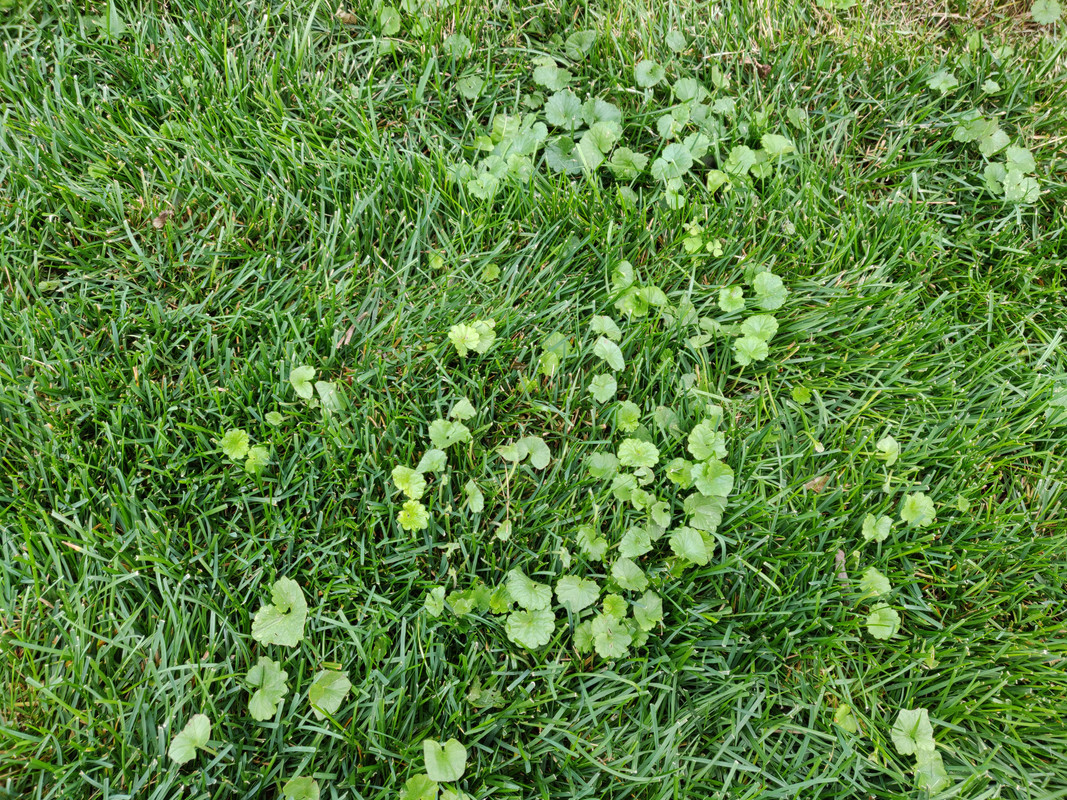
Image Source: i.postimg.cc
Fostering a Healthy Boundary: Your First Line of Defense
The best way to combat neighbor’s weeds is to make your own yard less welcoming to them. This involves creating a dense, healthy landscape that outcompetes any stray seeds or roots. Think of it as creating a natural fortress.
Building a Strong Turf
A thick, healthy lawn is your ultimate weapon against weeds. When grass is dense, it leaves little room for weeds to sprout and thrive.
Proper Mowing Techniques
- Mow High: Set your mower to a higher setting. Taller grass shades the soil, preventing weed seeds from germinating. It also encourages deeper root growth in your turf, making it more resilient. For most cool-season grasses, aim for 3-4 inches.
- Sharp Mower Blades: Dull blades tear grass, leaving it susceptible to disease and stress, which weeds exploit. Keep your mower blades sharp for clean cuts that promote quick healing.
- Don’t Remove Too Much: Never remove more than one-third of the grass blade’s height in a single mowing.
Smart Watering
- Deep and Infrequent: Water your lawn deeply but less often. This encourages grass roots to grow deeper, making them more drought-tolerant and better able to compete with weeds. Shallow, frequent watering leads to shallow roots that are easily outcompeted.
- Water in the Morning: This allows the grass to dry before nightfall, reducing the risk of fungal diseases.
Feeding Your Lawn Naturally
- Compost Topdressing: Applying a thin layer of compost in the spring and fall adds essential nutrients and improves soil structure, promoting vigorous grass growth.
- Organic Fertilizers: Use slow-release organic fertilizers. These feed the soil and provide a steady supply of nutrients, unlike synthetic fertilizers that can cause rapid, weak growth susceptible to weeds.
Enhancing Your Garden Beds
Your garden beds are prime targets for encroaching weeds. Healthy soil and dense planting are key to garden boundary maintenance.
Mulching Magic
Mulch is a superstar for controlling creeping weeds and preventing weed seeds from germinating.
- Types of Organic Mulch:
- Wood Chips/Bark: Durable and long-lasting, providing excellent weed suppression.
- Shredded Leaves: A free and fantastic option in the fall. Compost them first or use them as a natural mulch.
- Straw: Good for vegetable gardens, but can sometimes contain weed seeds if not sourced carefully.
- Grass Clippings: Use them in thin layers to avoid matting and potential disease issues.
- Application: Apply mulch in a layer 2-3 inches thick. Make sure to pull it back slightly from the base of plants to prevent rot and pest issues. This creates a strong natural weed barrier.
Dense Planting
Fill your garden beds with plants! The more ground cover you have, the less space there is for weeds.
- Ground Cover Plants: Consider using low-growing, spreading ground cover plants in areas prone to weeds. Plants like creeping thyme, sedum, or vinca can effectively suppress weeds.
- Close Spacing: Plant your garden flowers and vegetables closer together (following spacing guidelines for mature plant size). This creates a natural canopy that shades the soil and smothers emerging weeds.
Physical Barriers: Creating Unwanted Roadblocks
While fostering a healthy landscape is crucial, sometimes you need a more direct physical approach to stop spreading weeds and ensure effective border weed control.
The Power of Edging
Proper edging is vital for landscape edge management. It creates a clear visual and physical separation between your yard and your neighbor’s.
Material Choices for Edging
- Metal Edging: Steel or aluminum edging is durable and creates a clean, defined line. It’s effective at stopping shallow-rooted weeds from migrating.
- Stone or Brick: These can create beautiful and sturdy borders. Ensure they are installed securely and deep enough to prevent root systems from creeping underneath.
- Wood Edging: While aesthetically pleasing, wood can rot and may not be as effective at stopping persistent weeds long-term. Choose rot-resistant wood like cedar or pressure-treated lumber.
- Plastic or Rubber Edging: These are generally less durable and may not be effective against aggressive weeds.
Installation Tips for Effective Edging
- Depth is Key: Install edging at least 4-6 inches deep to deter most common weeds, especially controlling creeping weeds like ground ivy or bindweed.
- Proper Backfilling: Ensure the soil on your side of the edge is level or slightly higher to encourage water runoff away from the border.
Trenching for an Extra Layer of Defense
For particularly aggressive weeds, consider a trench alongside your property line.
- Digging a Trench: Dig a trench about 6-8 inches deep and 4 inches wide along the property line.
- Lining the Trench: You can line the trench with landscape fabric or a sturdy plastic barrier. Overlap the edges of the fabric to prevent weeds from growing through seams.
- Covering the Barrier: Cover the barrier with mulch or gravel for a neat appearance. This physically prevents roots from crossing over.
Living Barriers: Plants That Fight Back
Certain plants can act as natural deterrents to weeds.
- Dense Shrubs: Planting a row of dense, well-behaved shrubs along the property line can create a significant barrier. Consider varieties like compact boxwood, potentilla, or certain types of juniper.
- Native Grasses: Some ornamental grasses can form dense clumps that are difficult for weeds to penetrate.
Natural Weed Control Methods: When Prevention Isn’t Enough
Even with the best preventative measures, some weeds might still appear. Here are effective organic neighbor weed solutions for tackling them.
Hand-Pulling: The Classic Approach
The most direct and satisfying method, especially for small infestations.
- Timing is Everything: Pull weeds when the soil is moist, as they will come out more easily, roots and all.
- Get the Roots: Always try to remove the entire root system. Leaving even a small piece can allow the weed to regrow, especially when controlling creeping weeds.
- Dispose Properly: Don’t compost weeds that have gone to seed, as you’ll just be spreading them. Bag them and put them in the trash or consider solarizing them in a sealed black plastic bag in the sun.
Vinegar: A Natural Herbicide
Horticultural vinegar (20% acetic acid) can be a powerful weed killer. Regular household vinegar (5%) is less effective but can work on very young weeds.
- How it Works: Vinegar burns the leaves of plants on contact. It’s a non-selective herbicide, meaning it will kill any plant it touches, so use it with extreme caution.
- Application: Apply on a sunny, warm day. Use a sprayer with a shield to protect desirable plants.
- Limitations: Vinegar is most effective on young, annual weeds. Perennial weeds with deep root systems will likely regrow. It can also lower soil pH.
Boiling Water: A Simple Solution
Pouring boiling water directly onto weeds can kill them instantly.
- Effectiveness: Works best on cracks in pavement or gravel paths where there are no desirable plants.
- Caution: Like vinegar, it’s non-selective and will kill anything it touches. Use carefully.
Corn Gluten Meal: A Pre-Emergent
Corn gluten meal is an organic pre-emergent herbicide. It works by inhibiting root formation in germinating seeds.
- How it Works: Apply in early spring before weed seeds germinate. It won’t kill existing weeds.
- Benefits: It also acts as a slow-release nitrogen fertilizer for your lawn, promoting healthy grass growth.
- Timing is Critical: You must apply it at the right time for it to be effective.
Flame Weeding: For Hard Surfaces
A propane torch designed for weeding can be used to “scorch” weeds.
- How it Works: The heat causes the plant’s cells to burst. You don’t need to incinerate the weed, just pass the flame over it quickly.
- Best Use: Excellent for cracks in sidewalks, driveways, and patios.
- Safety First: Be extremely cautious, especially in dry conditions, to avoid starting a fire. Keep a water source nearby.
Specific Weed Strategies: Tackling Tough Invaders
Some weeds are more persistent than others. Here’s how to tackle common culprits when controlling creeping weeds and preventing invasive plants from your neighbor’s yard.
Dandelion (Taraxacum officinale)
- Characteristics: Deep taproot, yellow flower, puffy seed heads that spread easily by wind.
- Natural Control:
- Hand-Pulling: Essential to get the deep taproot. Use a dandelion digger tool.
- Corn Gluten Meal: Apply in early spring as a pre-emergent.
- Dense Lawn: A healthy, thick lawn will outcompete dandelions.
- Boiling Water: Effective if you can target individual plants, especially in cracks.
Creeping Charlie / Ground Ivy (Glechoma hederacea)
- Characteristics: Low-growing, scalloped leaves, small purple flowers, spreads aggressively by runners and stems. A classic example of a creeping weed.
- Natural Control:
- Hand-Pulling: Difficult due to extensive runners. It’s crucial to get as much of the root system as possible.
- Mulching: A thick layer of mulch can suppress its spread.
- Dense Ground Cover: Planting a vigorous ground cover that tolerates shade can help outcompete it.
- Vinegar: Can damage it, but repeated applications will likely be needed, and it may not kill the roots.
Bindweed / Morning Glory (Convolvulus arvensis)
- Characteristics: Vining plant with heart-shaped leaves, white or pink trumpet-shaped flowers, extensive root system that can go very deep.
- Natural Control:
- Persistent Hand-Pulling: This is the most effective natural method. It requires diligence and repeated removal of any new growth. Aim to weaken the plant over time by preventing it from photosynthesizing.
- Smothering: Use thick layers of cardboard or black plastic over infested areas for an extended period (several months to a year).
- Corn Gluten Meal: Can help prevent new seedlings from establishing.
Clover (Trifolium spp.)
- Characteristics: Three-leaflet leaves, often with white or pink flowers. It can be a nuisance if you prefer a monoculture lawn.
- Natural Control:
- Healthy Lawn: Clover thrives in lawns that are low in nitrogen. Proper fertilization and mowing practices can make your grass more competitive.
- Corn Gluten Meal: Can be applied as a pre-emergent to prevent clover seeds from germinating.
- Hand-Pulling: Effective for isolated patches.
Maintaining Yard Cleanliness: An Ongoing Effort
Maintaining yard cleanliness is fundamental to property line weed prevention. This involves not just your planting beds but also the areas around fences and pathways.
Fence Line Care
The area along fences is often a magnet for weeds, as debris can accumulate and provide a haven for seeds.
- Clear Debris: Regularly clear fallen leaves, twigs, and any other debris from the fence line. This removes hiding places for weed seeds and pests.
- Edging the Fence Line: Consider installing a shallow trench or edging material along the base of the fence, especially if it’s a chain-link fence where seeds can easily blow through.
- Planting Appropriate Species: If you have space near the fence, consider planting a ground cover or low-maintenance shrubs that can help keep weeds at bay.
Pathway and Driveway Control
Weeds often pop up through cracks in paved surfaces.
- Regular Sweeping: Sweep pathways and driveways regularly to remove accumulating weed seeds.
- Natural Crack Fillers: Use sand or fine gravel to fill small cracks.
- Boiling Water/Vinegar: Effective for targeted removal in these hardscape areas, with less risk to desirable plants.
When to Talk to Your Neighbor
While legal recourse is often limited, a friendly conversation can sometimes be the most effective organic neighbor weed solution.
The Diplomatic Approach
- Choose the Right Time: Approach your neighbor when you are both relaxed and have time to talk. Avoid confronting them when you’re feeling stressed or angry.
- Focus on Your Yard: Frame the conversation around your desire to maintain your own yard. For example, “I’ve been working hard to get my garden looking its best, and I’ve noticed some of the weeds from the other side are starting to creep in. Do you have any tips for keeping them out?”
- Offer Solutions (Gently): You could mention natural methods you’re using. “I’ve found that mulching heavily really helps prevent weeds from taking hold.”
- Avoid Accusations: Never accuse them of negligence. Focus on the problem and potential shared solutions.
Documenting the Issue (If Necessary)
If weeds are causing significant damage or are a recurring, severe problem, and a friendly approach doesn’t work, you might need to consider documenting the issue. Take photos and keep a log of when you observe weeds crossing the property line and any efforts you’ve made to communicate. This can be helpful if you ever need to consult local authorities or a homeowners’ association, though this should be a last resort.
Summary Table: Your Weed Prevention Arsenal
| Method | Description | Best For | Considerations |
|---|---|---|---|
| Healthy Lawn | Dense turf, proper mowing, smart watering, organic feeding. | Preventing weeds in lawn areas. | Requires consistent effort. |
| Mulching | Layer of organic material (wood chips, leaves, straw) applied to garden beds. | Suppressing weed seeds, retaining soil moisture. | Needs replenishing; keep away from plant crowns. |
| Dense Planting | Filling garden beds with plants to shade the soil. | Outcompeting weeds in garden beds. | Requires careful plant selection and spacing. |
| Physical Edging | Barriers like metal, stone, or wood installed at property lines. | Border weed control, landscape edge management. | Depth is crucial; can be an upfront cost. |
| Trenching | Digging a trench lined with fabric to physically block root spread. | Controlling creeping weeds aggressively. | Labor-intensive; needs covering for aesthetics. |
| Hand-Pulling | Manual removal of weeds, ensuring roots are extracted. | Early detection, small infestations, organic neighbor weed solution. | Time-consuming; effective if done consistently. |
| Vinegar Spray | Horticultural vinegar burns plant foliage on contact. | Killing young annual weeds, spot treatment. | Non-selective; can harm desirable plants; may require repeat applications. |
| Boiling Water | Pouring boiling water directly on weeds. | Weeds in cracks, hardscaping. | Non-selective; use with extreme caution. |
| Corn Gluten Meal | Organic pre-emergent herbicide that inhibits root formation. | Preventing invasive plants from seeding. | Must be applied at the correct time; does not kill existing weeds. |
| Clearing Debris | Removing leaves, twigs, and other organic matter from fence lines and pathways. | Maintaining yard cleanliness, removing weed seed sources. | Regular, ongoing task. |
| Friendly Conversation | Discussing weed issues with neighbors. | Collaborative solutions, preventing invasive plants together. | Requires tact and diplomacy; not always effective. |
Frequently Asked Questions (FAQ)
Q1: Can I be held responsible for weeds growing from my neighbor’s yard into mine?
A1: Generally, no, unless there’s a specific local ordinance requiring property owners to control noxious weeds on their land, or if your own landscaping practices are contributing to the problem. However, focusing on preventing them from establishing in your yard is the best approach.
Q2: What is the best natural weed barrier?
A2: A combination of methods is most effective. Thick organic mulch (2-3 inches) is an excellent natural weed barrier for garden beds. For property lines, a combination of proper edging installed 4-6 inches deep and dense planting can create a robust barrier.
Q3: How do I stop spreading weeds like bindweed or creeping Charlie naturally?
A3: For aggressive creeping weeds, persistent hand-pulling to remove as much of the root system as possible is key. Smothering with cardboard or black plastic for an extended period can also be effective. Ensuring your own lawn and garden beds are dense and healthy will make them less hospitable to these invaders.
Q4: Is corn gluten meal safe for my pets?
A4: Yes, corn gluten meal is generally considered safe for pets and children when used as directed. It’s an organic product that also acts as a fertilizer.
Q5: My neighbor’s dandelions are constantly seeding into my yard. What can I do?
A5: While you can’t control your neighbor’s dandelions, you can aggressively manage yours. Regularly remove dandelions in your yard before they go to seed, ideally when they are young and the soil is moist to get the taproot. Applying corn gluten meal in early spring in your lawn can help prevent their seeds from germinating. A dense, healthy lawn will also outcompete them.
By implementing these natural and effective strategies, you can significantly reduce the impact of neighbor’s weeds on your yard. It requires consistent effort and a layered approach, but the reward is a beautiful, healthy outdoor space that you can enjoy without the constant battle against unwanted guests. Remember, maintaining yard cleanliness and fostering a robust, healthy landscape on your own property is the most powerful form of property line weed prevention and border weed control.