
Image Source: cdn11.bigcommerce.com
How To Keep Geese Away From Yard: Safe & Humane Solutions
Wondering how to keep geese away from your yard? The most effective methods involve creating an unwelcoming environment using humane goose deterrents, exploring various goose repellent options, and implementing consistent goose proofing yard strategies.
Geese, while majestic in flight, can quickly turn a pristine yard into a messy, undesirable space. Their constant grazing, droppings, and territorial nature can be a significant nuisance for homeowners. Fortunately, there are numerous safe and humane ways to manage goose populations and protect your lawn and garden. This guide will delve into effective strategies for deterring geese from your property, focusing on methods that are kind to the birds while safeguarding your space.
Why Are Geese Attracted to Yards?
Geese are drawn to yards for several key reasons:
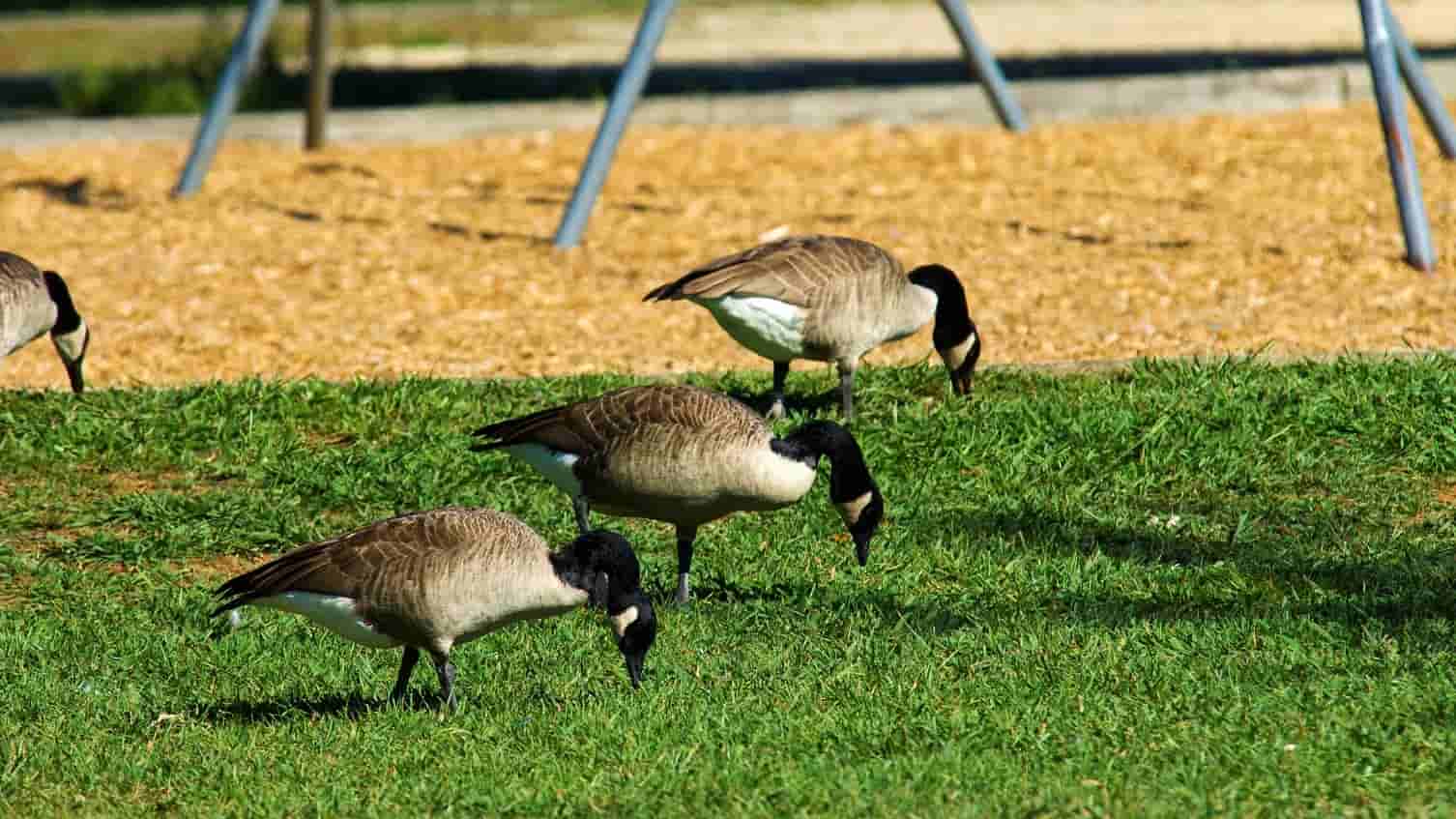
- Abundant Food Source: Well-maintained lawns offer a consistent and easily accessible supply of tender grass, which is a primary food source for geese. The short, green blades are ideal for their grazing habits.
- Water Proximity: Geese are waterfowl, meaning they prefer to nest and rest near water sources. If your yard is close to a pond, lake, river, or even a well-maintained water feature, it’s a magnet for them.
- Safety and Shelter: Open yards, especially those with some landscaping or trees, can offer a sense of security. They provide a clear view of potential predators while offering a place to rest and digest their food.
- Nesting Opportunities: During the spring nesting season, geese actively seek out safe, secluded spots to lay their eggs. Quiet corners of yards, often near water or in dense vegetation, can become attractive nesting sites.
Effective Goose Deterrents: A Multi-Pronged Approach
Successfully keeping geese away often requires a combination of strategies. Relying on a single method might yield temporary results, but a layered approach ensures more consistent success.
1. Modifying Your Landscape: Making Your Yard Less Appealing
The simplest way to deter geese is to make your yard less attractive to them in the first place.
Altering Food Sources
- Reduce Lawn Height: Geese prefer short, manicured grass. Letting your lawn grow slightly longer can make it less appealing. Aim for a grass height of around 3-4 inches.
- Avoid Fertilizers: Fertilizers encourage fast, tender grass growth, which is a prime attraction for geese. Limiting fertilizer use can make your lawn less palatable.
- Remove Fallen Fruit: If you have fruit trees, clean up fallen fruit promptly. This sugary food source is a significant draw for geese.
Changing the Environment
- Eliminate Water Sources: If you have standing water in your yard (like bird baths or decorative ponds), consider removing them or ensuring they are inaccessible to geese.
- Clear Vegetation: Dense, low-lying vegetation near water sources can provide ideal nesting and resting spots. Keep these areas clear and tidy.
2. Physical Barriers: Creating Obstacles
Physical barriers are highly effective goose deterrents that physically prevent geese from accessing your yard or specific areas.
Goose Fencing
- Effectiveness: Goose fencing is a reliable method for keeping geese out of a specific area, such as a garden or a prized section of lawn.
- Types of Fencing:
- Netting: Lightweight netting can be draped over gardens or young plants. Ensure it’s secured well so geese don’t get entangled.
- Wire Fencing: A sturdy wire fence, at least 3-4 feet high, can be effective. Consider using chicken wire or hardware cloth for smaller areas like vegetable patches.
- Decorative Fencing: Some homeowners opt for more aesthetically pleasing fences that still serve the purpose of deterring geese.
Goose Deterrent Spikes
- Application: Goose deterrent spikes are typically used on surfaces where geese tend to perch or land, such as decks, railings, or flat roofs.
- Mechanism: These spikes create an uncomfortable surface, discouraging geese from landing or resting.
- Considerations: While effective for specific surfaces, they are not a solution for an entire yard. Ensure they are installed safely and don’t pose a hazard to other wildlife or people.
3. Visual Deterrents: Confusing and Scaring Geese
Geese are wary creatures, and introducing objects that disrupt their sense of security can be an effective goose repellent.
Motion-Activated Sprinklers
- How They Work: These devices detect movement and emit a sudden burst of water, startling geese and making them flee.
- Placement: Position them strategically in areas where geese frequent.
- Pros: Non-toxic, humane, and can also deter other unwanted garden visitors.
- Cons: May require frequent refilling or have a limited range. They can also be activated by pets or people if not placed carefully.
Decoys
- Types: Realistic-looking predator decoys, such as owls, hawks, or coyotes, can scare geese. Even large, reflective objects like Mylar balloons or pinwheels can sometimes startle them.
- Effectiveness: Decoys are most effective when moved regularly. If a decoy remains in the same spot for too long, geese may become accustomed to it and lose their fear.
- DIY Option: Some homeowners create their own scare devices using old CDs, aluminum foil, or reflective tape.
Reflective Tape and Objects
- Mechanism: The flashing reflections from Mylar tape, old CDs, or shiny streamers can disorient and frighten geese.
- Usage: Hang these items on trees, fences, or stakes in areas where geese congregate.
- Maintenance: Like decoys, their effectiveness wanes over time as geese get used to them. Rotate their placement or add new ones periodically.
4. Auditory Deterrents: Sounding the Alarm
Sound can be a powerful tool for goose control, as geese are sensitive to unusual or alarming noises.
Ultrasonic Goose Repellers
- How They Work: These devices emit high-frequency sounds that are imperceptible to humans but are highly irritating and disturbing to geese.
- Placement: Proper placement is key to covering the desired area effectively.
- Pros: Discreet and can be effective in deterring geese from a significant area.
- Cons: Effectiveness can vary depending on the specific model and the geese’s adaptability. Some studies suggest geese can become habituated to constant ultrasonic sounds.
Noise Makers
- Examples: Air horns, propane cannons, or even loud music can be used to scare geese.
- Considerations: These methods can be disruptive to neighbors and may not be practical for long-term use. They also risk habituation if used too frequently.
5. Repellent Sprays and Liquids: Creating an Unpleasant Taste or Smell
Several goose repellent products are available, utilizing taste or smell to discourage geese from feeding.
Commercial Goose Repellents
- Active Ingredients: Many commercial repellents use ingredients like methyl anthranilate (derived from grapes) or essential oils that geese find unpleasant.
- Application: These are typically sprayed directly onto the grass or foliage.
- Reapplication: Repellents need to be reapplied regularly, especially after rain or watering, to maintain their effectiveness.
Homemade Goose Repellent
For those seeking natural goose deterrents, a homemade goose repellent can be an option.
- Vinegar-Based Repellent: Mix equal parts white vinegar and water. You can also add a few drops of essential oils like peppermint or eucalyptus, which geese are said to dislike. Spray this mixture on your lawn and garden edges.
- Caution: Vinegar can be harmful to plants if used in high concentrations or applied too frequently. Test on a small area first.
- Spicy Pepper Spray: Mix cayenne pepper or hot sauce with water and a little dish soap. Spray this around the perimeter of your yard.
- Caution: This can irritate geese and other animals, including pets and humans. Use with care and avoid spraying directly on plants that are meant for consumption.
- Garlic Spray: A strong garlic spray, made by boiling garlic cloves in water, straining, and diluting, can also act as a deterrent due to its pungent smell.
Table: DIY Goose Repellent Recipes
| Repellent Type | Ingredients | Application Instructions | Cautions |
|---|---|---|---|
| Vinegar & Water | 1 part white vinegar, 1 part water | Mix in a spray bottle. Apply to lawn and garden edges. | Can damage plants with frequent or concentrated use. |
| Spicy Pepper Spray | 1 tbsp cayenne pepper, 1 tsp dish soap, 1 quart water | Mix well. Spray around yard perimeter. | Irritating to skin, eyes, pets, and children. Avoid direct contact. |
| Garlic & Water | 5-6 garlic cloves, 1 quart water | Boil garlic in water, let steep, strain, and dilute with more water. Spray on affected areas. | Strong odor, may attract beneficial insects in some cases. |
6. Introducing Natural Predators (Indirectly)
While you can’t introduce live predators, creating an environment that attracts natural predators can help manage goose populations.
- Attract Birds of Prey: Install nesting boxes for owls or kestrels, as these birds prey on goslings and young geese.
- Discourage Roosting: Keep areas around your yard clear of dense shrubbery where smaller predators like foxes might hide.
7. Professional Goose Control Services
If goose problems are persistent and difficult to manage, consider contacting professional wildlife control services that specialize in humane goose control. They can offer tailored solutions, including:
- Flock Management: Using trained dogs or other methods to herd geese away from your property.
- Habitat Modification: Expert advice on landscaping changes to make your yard less attractive.
- Egg Addling: A humane method where goose eggs are treated to prevent hatching, reducing future populations. This requires specific knowledge and often permits.
Humane Goose Control: Prioritizing Animal Welfare
When implementing any goose control strategy, it’s crucial to prioritize humane methods. The goal is to deter geese, not to harm them.
- Avoid Harmful Chemicals: Steer clear of poisons or toxic substances, which can harm not only geese but also pets, children, and other wildlife.
- Prevent Entanglement: Ensure any netting or barriers are installed in a way that prevents geese (especially goslings) from getting trapped or injured.
- Respect Nesting Seasons: Be mindful of nesting seasons (typically spring). While you want to deter nesting, avoid disturbing active nests unless absolutely necessary and permitted by local wildlife regulations.
Goose Proofing Yard: A Long-Term Strategy
Goose proofing your yard is an ongoing process that involves consistent application of deterrents and regular maintenance.
- Consistency is Key: Geese can be persistent. Regular reapplications of repellents, moving decoys, and maintaining physical barriers are essential.
- Observe Goose Behavior: Pay attention to where and when geese are most active in your yard. This information can help you tailor your deterrent strategies more effectively.
- Community Effort: If your neighbors are also experiencing goose issues, consider collaborating on strategies. A neighborhood-wide approach can be more effective than individual efforts.
Dealing with Goose Droppings
Goose droppings are not only unsightly but can also spread disease. Regular cleanup is part of effective yard management.
- Wear Gloves: Always wear gloves when cleaning up goose droppings.
- Methods:
- Scooping: Use a shovel or dustpan and brush to collect droppings.
- Blowing: A leaf blower can be useful for dry droppings on hard surfaces.
- Washing: For stubborn residue on patios or decks, a hose with a strong spray can help.
- Disposal: Dispose of droppings in a sealed bag in your trash.
FAQ: Common Questions About Keeping Geese Away
Q1: Can I use salt to deter geese?
A1: No, using salt is not recommended. While it might deter geese, it can also harm your lawn, plants, and local soil and water systems. It is not considered a humane or environmentally friendly method.
Q2: How often do I need to reapply goose repellent?
A2: This depends on the type of repellent and weather conditions. Generally, natural or homemade repellents may need reapplication every few days or after rain. Commercial repellents may last longer, but always check the product label for specific instructions.
Q3: Are ultrasonic goose repellers effective?
A3: Their effectiveness can vary. While some users report success, others find that geese become accustomed to the sounds over time. It’s often best used in conjunction with other deterrents.
Q4: How can I deter geese from nesting in my yard?
A4: The best way to deter nesting is to make your yard unattractive before nesting season begins. This includes removing attractants like easy food sources and water, and using deterrents in areas where they might choose to nest. If you find a nest, it’s generally best to leave it undisturbed until after the goslings have hatched and left, or consult with local wildlife authorities for guidance.
Q5: What is the best way to deter geese from my garden?
A5: For gardens, a combination of physical barriers like garden netting or low wire fencing, along with visual deterrents like reflective tape, can be very effective. Ensuring the garden is not near a water source is also important.
Q6: Can I use my dog to keep geese away?
A6: Dogs, especially herding breeds, can be effective at scaring geese. However, this requires constant supervision and training, and the dog’s activity needs to be consistent. It’s important to ensure the dog doesn’t chase or harm the geese, and to manage potential noise complaints from neighbors.
By implementing a combination of these safe and humane goose deterrents, you can effectively protect your yard and enjoy your outdoor space without the nuisance of geese. Remember that persistence and a multi-faceted approach are key to successful goose proofing.