
Can you keep a dog in your yard without a fence? Yes, you can, but it requires careful planning, the right tools, and consistent effort to ensure your dog’s safety and security. Keeping your dog contained without traditional fencing involves several reliable methods, ranging from physical barriers to training techniques and modern technology.
Many dog owners face the challenge of securing their canine companions in the yard without the expense or installation of a physical fence. Whether you rent your property, have budget constraints, or simply prefer a more minimalist approach, there are effective ways to create a safe outdoor space for your dog. This guide will delve into various strategies, helping you choose the best approach for your furry friend and your living situation.
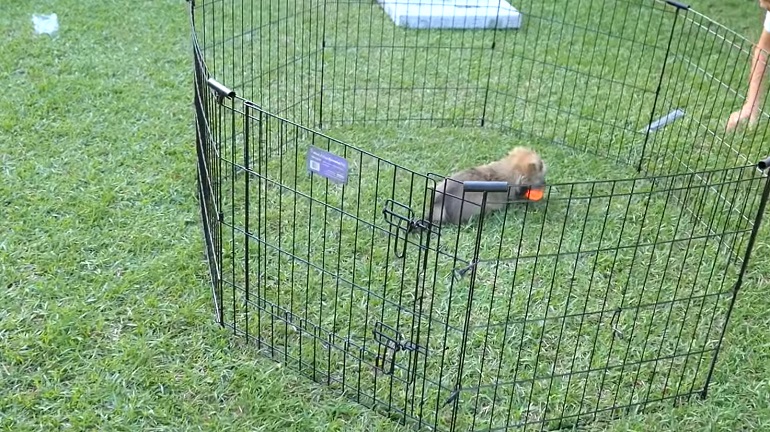
Image Source: worldanimalfoundation.org
Exploring Your Options for Pet Containment
When a traditional fence isn’t an option, several pet containment system solutions can help keep your dog safely within your property boundaries. These methods focus on creating invisible barriers, using physical restraints, or employing rigorous training.
The Power of Boundary Training
Boundary training is a fundamental skill for any dog that needs to be kept in a yard without a physical fence. It teaches your dog the limits of their allowed space. This method relies on positive reinforcement and repetition.
How Boundary Training Works
- Define the Boundaries: Clearly identify the edges of your yard. This could be property lines, sidewalks, or designated areas.
- Introduce the Area: Start with short, positive sessions. Use treats and praise to encourage your dog to explore within the designated zone.
- Gentle Guidance: If your dog approaches the boundary, use a calm voice and a gentle leash to guide them back into the safe area. Avoid punishment.
- Positive Reinforcement: Reward your dog heavily when they stay within the boundaries. This could be with high-value treats, enthusiastic praise, or a favorite toy.
- Gradual Increase in Freedom: As your dog becomes more reliable, gradually increase the time they spend in the yard unsupervised, always starting with short periods and supervising closely.
Key Principle: The goal is for your dog to learn where they can and cannot go, rather than being forced by a physical or electronic deterrent.
Invisible Fences: A Technological Solution
An invisible fence, also known as an electronic dog fence, is a popular alternative to traditional fencing. It uses a buried wire or a wireless signal to create a boundary.
How Invisible Fences Function
An invisible fence system typically consists of:
- A Transmitter: This unit is plugged into an electrical outlet and broadcasts a radio signal.
- A Boundary Wire: This wire is buried underground or attached to existing structures around your property perimeter. Some systems use a wireless signal from a central hub.
- A Receiver Collar: This collar is worn by your dog. When the dog approaches the boundary wire, the collar receives a signal from the transmitter.
When your dog gets close to the boundary, the receiver collar will first emit a warning tone. If the dog continues to advance, the collar will deliver a mild static correction. The intensity of the correction can usually be adjusted.
Pros and Cons of Invisible Fences
| Pros | Cons |
|---|---|
| No physical obstruction, maintains aesthetics. | Requires training for the dog to accept and respect the correction. |
| Can be more affordable than traditional fencing. | Potential for the dog to run through the correction if they are highly motivated to escape or chase something. |
| Effective for many breeds and temperaments. | The electric dog collar can cause distress or fear in some dogs if not introduced properly or if the settings are too high. |
| Customizable boundary areas. | Dogs can sometimes learn to “cheat” the system by quickly entering and exiting the boundary. |
| Good for properties with difficult terrain. | Requires a power source for the transmitter and batteries or recharging for the receiver collar. |
| A wireless dog fence option exists for easy setup. | Not suitable for all dogs; some dogs may not be responsive to the training or corrections. |
| Offers a pet containment system that is less intrusive. | Can be problematic if your dog has health conditions that could be exacerbated by the static correction, or if they have a tendency to dig under the wire or jump over it if the correction isn’t perceived. |
Important Considerations for Invisible Fences
- Proper Training: It’s crucial to introduce the invisible fence and the electric dog collar positively. Start with the audible warning and reward the dog for heeding it.
- Collar Fit and Comfort: Ensure the collar fits snugly but comfortably. Check for any irritation on the dog’s neck regularly.
- Correction Levels: Start with the lowest possible correction level and gradually increase only if necessary. The goal is deterrence, not punishment.
- Supervision: Always supervise your dog during the initial training period with an invisible fence.
- Professional Installation: For the most effective setup, consider professional installation of the wire or system.
The Reliable Tie-Out Cable
A tie-out cable is a more traditional and often more affordable method for containing a dog in the yard. It involves attaching your dog to a secure anchor point using a strong cable.
How a Tie-Out Cable Works
A tie-out cable system typically includes:
- A Strong Cable: Made of durable metal, often coated to prevent rust and tangling.
- A Swivel Clip: One end attaches to the dog’s collar or harness, and the other attaches to the anchor point. The swivel prevents the cable from twisting.
- An Anchor: This can be a sturdy stake driven deep into the ground, a securely attached eye bolt on a strong structure, or a specialized heavy-duty anchor.
The dog wears a comfortable collar or harness, and the cable connects them to the anchor. This allows the dog a good range of movement within a defined area.
Pros and Cons of Tie-Out Cables
| Pros | Cons |
|---|---|
| Simple, relatively inexpensive, and easy to set up. | Can lead to tangling if the dog moves around a lot or if there are obstacles in the yard. |
| Provides a clear physical boundary of their movement. | The dog is physically tethered, which can be a tripping hazard for people or other animals. |
| Portable and can be used in different locations. | Not a safe solution for unsupervised or extended periods, as the dog could become entangled or have difficulty reaching water or shade. |
| Allows for some freedom and exercise. | Some dogs can chew through or break a tie-out cable if they are persistent or if the cable is not robust enough for their size and strength. |
| A viable dog tether option for temporary containment. | The dog is restricted to a specific radius around the anchor point, which might not be sufficient for active dogs. |
| Does not rely on electronics or training for basic containment. | The effectiveness depends heavily on the strength of the anchor and the cable, as well as the dog’s ability to chew or break free. |
| A dog stake is a common and effective anchor for this method. | Can cause frustration or anxiety in some dogs due to the restriction of movement, potentially leading to behavioral issues. |
Best Practices for Using a Tie-Out Cable
- Choose a Strong Anchor: Ensure the dog stake or anchor point is deeply set and can withstand your dog’s pulling force.
- Use a Quality Cable: Invest in a durable, tangle-resistant tie-out cable appropriate for your dog’s size and strength.
- Supervise Closely: Never leave your dog unattended on a tie-out cable, especially for long periods.
- Check for Tangling: Regularly check that the cable is not tangled around furniture, trees, or the dog itself.
- Provide Essentials: Ensure your dog has access to fresh water and shade while tethered.
- Consider a Harness: A harness can be more comfortable and safer than a collar for some dogs, distributing pressure more evenly.
The Ground Stake: A Simple Anchor
A dog stake is a fundamental component of using a tie-out cable or dog tether. It’s a sturdy metal stake that is driven into the ground, providing a secure point to attach your dog’s leash or cable.
Types of Dog Stakes
- Screw-in Stakes: These are twisted into the ground, offering excellent stability, especially in softer soil.
- Auger Stakes: Similar to screw-in stakes, they have a corkscrew design for maximum grip.
- Traditional Stakes: These are hammered into the ground and are generally suitable for firmer soil.
How to Use a Dog Stake Effectively
- Choose the Right Location: Select a spot with good visibility of your dog and minimal obstacles.
- Drive it Deep: Push or screw the stake firmly into the ground until it is as deep as possible. The deeper it goes, the more secure it will be.
- Attach the Cable: Use a sturdy carabiner or the swivel clip on your tie-out cable to connect to the loop on the dog stake.
- Check for Security: Give the stake a good tug to ensure it’s firmly planted and won’t pull out.
Important Caveats for Dog Stakes
- Soil Type: The effectiveness of a dog stake can vary greatly depending on soil type. Hard, rocky soil might make it difficult to drive in properly, while very loose soil may not provide enough grip.
- Dog’s Strength: A powerful dog can still dislodge a stake if it’s not installed perfectly or if the soil is too soft.
- Supervision is Key: A dog stake is not a substitute for supervision. Always monitor your dog.
Leash Training and Recall: The Foundation of Control
Beyond physical restraints and electronic systems, leash training and a strong recall command are essential for keeping your dog safe, whether in a yard or out in the world. These skills are the bedrock of good canine behavior and can significantly enhance your ability to manage your dog in various situations.
Mastering Leash Training
Leash training teaches your dog to walk calmly beside you without pulling. This is important not only for enjoyable walks but also for reinforcing good behavior and control in the yard.
- Positive Association: Start by making the leash and collar a positive experience. Let your dog wear them around the house for short periods, associating them with treats and praise.
- No Pulling = Reward: When walking, if your dog pulls ahead, stop moving. Only resume walking when the leash slackens. Reward them with a treat and praise when they walk nicely beside you.
- Direction Changes: If your dog pulls hard, change direction abruptly. This can help them focus on your movements.
The Importance of a Reliable Recall
A strong recall command (e.g., “Come!”) is critical. It means your dog will return to you immediately when called, regardless of distractions.
- Practice in Low-Distraction Environments: Start calling your dog when they are close and have nothing else to focus on.
- High-Value Rewards: Use extremely motivating treats or toys to make coming to you the best option.
- Never Punish: If your dog takes a while to come, don’t scold them when they arrive. They will associate coming to you with punishment. Instead, be patient and enthusiastic.
- Gradually Add Distractions: Once your recall is reliable in quiet settings, gradually introduce more distractions.
These training techniques are invaluable when used in conjunction with any containment method, providing an extra layer of safety and control.
Combining Methods for Maximum Security
Often, the most effective approach is to combine several strategies. For instance, you might use an invisible fence as your primary containment method but reinforce it with boundary training to build your dog’s natural understanding of the yard’s limits.
Example Combination Strategies
- Invisible Fence + Leash Training: Use the invisible fence for daily yard access, but maintain leash training for walks and when you need extra control. This reinforces good behavior and strengthens your bond.
- Tie-Out Cable + Boundary Training: Use a tie-out cable for supervised potty breaks or short periods of outdoor time, but simultaneously work on boundary training so your dog learns to respect the yard’s perimeter even when not tethered.
- Wireless Dog Fence + Recall Training: The wireless dog fence keeps your dog within the designated area, while a strong recall ensures that even if they are momentarily tempted to test the boundary, they will return to you when called.
When considering a pet containment system, it’s important to assess your dog’s breed, temperament, energy level, and any specific behavioral quirks.
Ensuring Dog Safety and Well-being
Regardless of the method chosen, the primary goal is your dog’s safety and well-being.
Key Safety Considerations
- Weather Protection: Ensure your dog has access to shelter from sun, rain, and extreme temperatures.
- Water Access: Always provide fresh, clean water, especially when your dog is outdoors for any length of time.
- Supervision: Even with the best containment system, supervision is often the safest approach. This allows you to intervene if something unexpected happens.
- Regular Checks: Periodically inspect your dog’s collar (if using an electronic system) for any signs of irritation or damage. Check your tie-out cable for wear and tear.
- Yard Hazards: Regularly scan your yard for potential dangers like poisonous plants, sharp objects, or holes that your dog might dig.
What to Do If Your Dog Escapes
Despite your best efforts, an escape can happen.
- Stay Calm: Panic won’t help.
- Call Their Name: Use a happy, encouraging tone.
- Use a High-Value Reward: If you have a favorite treat or toy, try to lure them back.
- Don’t Chase: Chasing can often make a dog run further.
- Contact Neighbors: Inform your neighbors and ask them to keep an eye out.
- Microchip and ID Tags: Ensure your dog is microchipped and wears an ID tag with your current contact information. This is your most critical backup.
Frequently Asked Questions
Q1: Is an invisible fence safe for my dog?
Yes, invisible fence systems are generally safe when used correctly and with proper training. The static correction is typically mild and designed to deter, not harm. However, it’s essential to start with the lowest correction level and ensure your dog is comfortable with the collar. Always supervise during the initial training phases.
Q2: Can my dog dig under an invisible fence wire?
Some dogs, especially those with a strong digging instinct, might attempt to dig under the boundary wire. Professional installation can help by burying the wire at an appropriate depth. However, if your dog is a determined digger, an invisible fence might not be the most suitable option, or you might need to combine it with other deterrents.
Q3: What is the difference between a tie-out cable and a tether?
A tie-out cable is a specific type of dog tether. A tether is a general term for any rope, cable, or chain used to restrain an animal. In the context of keeping a dog in a yard, a tie-out cable refers to the durable, often coated, metal cable with a swivel clip that connects to an anchor.
Q4: How long should I leave my dog on a tie-out cable?
It is strongly advised to supervise your dog at all times when they are on a tie-out cable or any dog tether. Leaving a dog unsupervised for extended periods on a tie-out can be dangerous due to the risk of entanglement, heatstroke, or theft. Use it for short, supervised periods for potty breaks or outdoor relaxation.
Q5: What if my dog is scared of the electric dog collar?
If your dog shows fear or anxiety towards the electric dog collar, it’s crucial to stop immediately. Reintroduce it slowly and positively. Start by letting them wear the deactivated collar for short periods with high-value treats. Gradually activate the tone-only warning, rewarding them for responding. Only introduce the static correction at the lowest level if absolutely necessary and if they show no adverse reactions. If fear persists, consult a professional dog trainer or consider alternative containment methods.
Q6: Can I use a wireless dog fence for a large yard?
Yes, many wireless dog fence systems are designed for larger properties. The range of the transmitter will determine the size of the containment area. It’s important to check the specifications of the system to ensure it covers the full area of your yard.
Q7: What is the best way to train my dog to respect boundaries without a fence?
The most effective method is consistent boundary training using positive reinforcement. Teach your dog where the limits are by rewarding them for staying within the designated area. Combine this with a strong recall command. For systems like invisible fence, introduce the system gradually, focusing on the audible warning before the static correction.
Q8: Are tie-out cables bad for dogs?
Tie-out cables are not inherently bad, but their misuse can be. They are effective for temporary, supervised containment. However, they can lead to frustration, anxiety, or tangling if used incorrectly or for too long without supervision. They can also cause injury if the dog runs suddenly and hits the end of the lead. Always prioritize your dog’s comfort and safety.
Q9: How does an electronic dog fence compare to a wireless dog fence?
An electronic dog fence typically uses a buried wire to create a boundary, while a wireless dog fence uses a central transmitter that broadcasts a signal without the need for buried wires. Wireless systems can be easier and faster to set up but may have limitations in range or be more susceptible to interference. Both systems rely on a receiver collar worn by the dog.
Q10: What is a pet containment system?
A pet containment system is any method or device used to keep a pet, such as a dog or cat, within a defined area. This can include physical fences, invisible fences, tie-out cables, GPS trackers, and even extensive training programs. The goal is to ensure the pet’s safety and prevent them from wandering off the property.
Choosing the right containment strategy for your dog requires careful consideration of your property, your dog’s personality, and your commitment to training and supervision. By exploring the options outlined above, you can create a safe and secure outdoor environment for your beloved canine companion.