
What is nut grass? Nut grass is a perennial sedge, not a true grass, characterized by its triangular stems and grass-like leaves. It’s known for its persistent underground tubers, often called “nuts,” which store energy and allow it to regrow aggressively. Can I eliminate nutgrass from my garden? Yes, you can eliminate nutgrass with consistent effort and the right methods, though it can be challenging due to its resilient nature.
Nutgrass, scientifically known as Cyperus esculentus (also referred to as yellow nutsedge), is a gardener’s nemesis. Its spread is relentless, and its underground network of tubers makes nutgrass removal a formidable task. If you’re battling this persistent weed, you’ve come to the right place. This guide will equip you with the knowledge and strategies for effective nutgrass eradication methods, from manual digging to targeted chemical applications, and even exploring organic nutgrass removal.
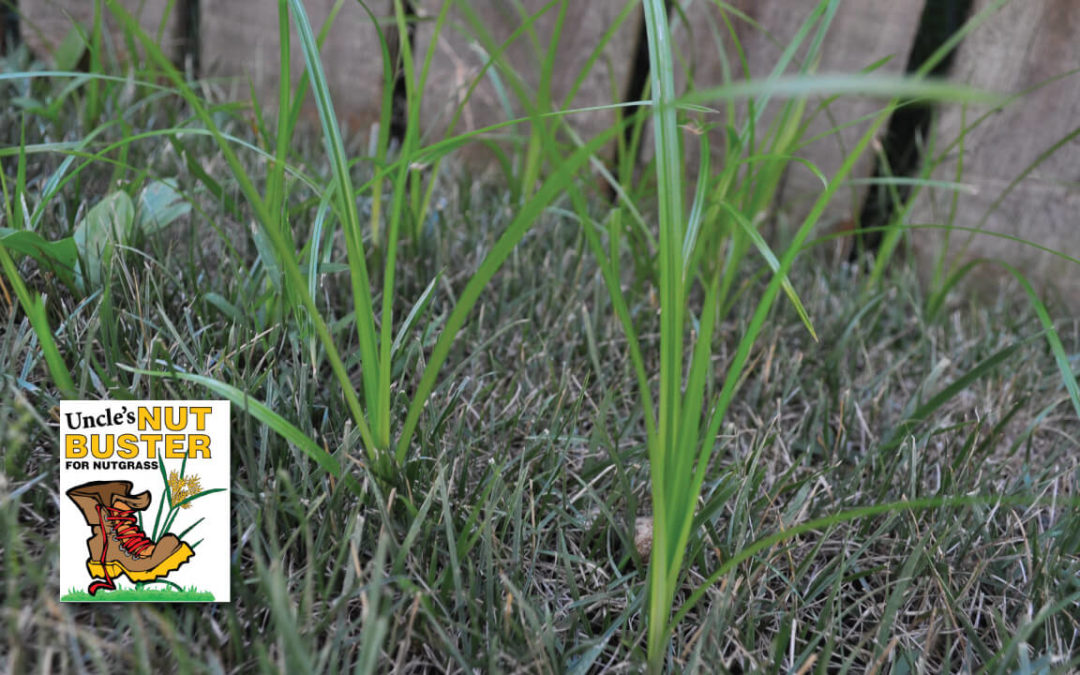
Image Source: grasspad.com
Deciphering the Nutgrass Problem
Before we dive into solutions, it’s crucial to comprehend why nutgrass is so difficult to eliminate. Its success lies in its unique biology.
The Nutgrass Life Cycle and Survival Secrets
- Tubers (Nuts): The primary reason nutgrass is so persistent is its tubers. These small, starchy structures, similar to potato eyes, are buried in the soil. They can lie dormant for years and sprout when conditions are favorable. Each tuber can produce a new plant, and a single plant can produce thousands of tubers in a season.
- Rhizomes: Nutgrass also spreads via rhizomes, which are underground stems. These rhizomes can extend horizontally, forming new shoots at intervals.
- Seed Dispersal: While less common than tuber spread, nutgrass can also reproduce by seed, though these seedlings are less robust than those from tubers.
- Ideal Conditions: Nutgrass thrives in moist, fertile soils but can adapt to a wide range of conditions, including dry, sandy soils. It often signals poor drainage or compacted soil.
Identifying Nutgrass in Your Garden
Distinguishing nutgrass from common lawn grasses is key to tackling it effectively.
- Stem Shape: Unlike most grasses with round stems, nutgrass has distinctly triangular stems.
- Leaf Arrangement: Its leaves grow in whorls of three from the base of the stem.
- Flower Spikes: It produces small, yellowish-brown flower spikes at the top of its stems, often drooping like a broom.
- Sedge vs. Grass: Remember, it’s a sedge, not a grass. This difference in botanical classification informs the best nutgrass weed killer options.
Strategies for Nutgrass Removal
Getting rid of nutgrass requires a multi-pronged approach. Combining methods often yields the best results for nutgrass eradication.
Method 1: Manual Digging – The Laborious but Effective Route
This is often the first line of defense, especially for smaller infestations. The goal here is complete nutgrass removal.
The Art of Digging Out Nutgrass
- Timing is Everything: Digging is most effective when the soil is moist but not waterlogged. This makes it easier to pull out the entire root system and tubers.
- Tools of the Trade:
- Garden Fork or Trowel: For loosening soil around the plant.
- Broadfork: Excellent for larger areas to aerate and lift soil.
- Weeding Knife or Dandelion Weeder: For precise extraction.
- The Process:
- Loosen the Soil: Carefully insert your tool next to the base of the nutgrass plant.
- Lift Gently: Work your way around the plant, loosening the soil to a depth of at least 6 inches, as tubers can be found deeper.
- Remove Entire Plant: Gently pull the entire plant, including its root system and any visible tubers. Try not to break off the tubers; they are the enemy!
- Inspect and Repeat: Thoroughly search the disturbed soil for any missed tubers and remove them. This is critical for nutgrass eradication.
- Dispose Properly: Bag all removed plant material and tubers and dispose of them in a sealed bag in your regular trash. Do NOT compost them, as they can survive and spread.
Advantages of Manual Digging:
- Environmentally Friendly: No chemicals involved.
- Immediate Removal: You see the results right away.
- Precise: You can target specific plants without harming desirable ones.
Disadvantages of Manual Digging:
- Labor Intensive: Can be very time-consuming and physically demanding.
- Missed Tubers: It’s easy to miss tubers, which will lead to regrowth.
Method 2: Solarization and Occultation – Smothering the Sedge
These methods involve covering the infested area to kill the plants and their tubers through heat (solarization) or lack of light (occultation).
Solarization: Harnessing the Sun’s Power
This technique uses clear plastic sheeting to trap solar heat, essentially “cooking” the weeds.
- When to Use: Best done during the hottest months of the year when sunlight is intense.
- The Process:
- Mow Low: Cut the nutgrass as short as possible.
- Water Thoroughly: Water the area to be treated to increase soil moisture.
- Cover Tightly: Lay clear plastic sheeting (at least 4-6 mil thick) over the infested area.
- Seal the Edges: Bury the edges of the plastic securely in the soil to trap heat and moisture. Ensure there are no gaps where air can escape.
- Wait and Watch: Leave the plastic in place for 4-8 weeks, depending on the intensity of the sun and your climate.
- Effectiveness: Solarization can kill nutgrass plants and a significant portion of their tubers, especially those closer to the surface.
Occultation (Black Plastic or Cardboard): Starving the Sedge
This method uses opaque materials to block sunlight, preventing photosynthesis and eventually killing the plant.
- Materials: Thick black plastic, old carpet, or layers of cardboard.
- The Process:
- Cover Area: Cover the nutgrass completely with your chosen material.
- Secure Edges: Make sure the material is well-secured around the edges to prevent light from entering and to stop nutgrass from growing out.
- Leave in Place: Leave the occulting material for several months (at least 6-8 weeks, but longer is often better for stubborn weeds like nutgrass).
- Effectiveness: Excellent for smothering existing plants and preventing new growth. It’s a good long-term strategy to weaken the tuber bank.
Advantages of Solarization/Occultation:
- Effective for Large Areas: Can cover significant portions of your garden.
- No Chemicals: A natural approach.
- Reduces Tuber Viability: Can significantly reduce future nutgrass populations.
Disadvantages of Solarization/Occultation:
- Time-Consuming: Requires the area to be out of commission for an extended period.
- Aesthetic: Not visually appealing during treatment.
- May Not Kill All Tubers: Deeper tubers might survive.
Method 3: Herbicides – Targeted Chemical Warfare
When manual methods aren’t enough, chemical herbicides can be effective. The key is to use the best way to get rid of nutgrass for your specific situation.
Types of Herbicides for Nutgrass
- Selective Herbicides: These are designed to kill specific types of plants (like sedges) while leaving others (like desired grasses) unharmed. This is often the preferred method for lawn applications. Look for products containing MSMA (Monosodium Methanearsonate) or DSMA (Disodium Methanearsonate), though these are becoming less common and may have restrictions. Newer, safer selective herbicides are also available.
- Non-Selective Herbicides: These kill all plants they come into contact with. They are best used for clearing entire beds before planting or for spot treatments where you don’t mind killing everything. Glyphosate is a common example.
Application Tips for Nutgrass Weed Killer:
- Read the Label: Always, always, always read and follow the product label instructions carefully. This includes dosage, application method, and safety precautions.
- Timing: Apply herbicides when nutgrass is actively growing and before it sets seed. Multiple applications may be necessary.
- Spot Treatment: For targeted nutgrass removal, use a sprayer to apply the herbicide directly to the nutgrass leaves. Avoid spraying desirable plants.
- Systemic Action: Many effective nutgrass herbicides are systemic, meaning they are absorbed by the leaves and translocated down to the roots and tubers, which is crucial for killing nutgrass effectively.
- Combination Products: Some herbicides are specifically formulated to control yellow nutsedge.
Considerations for Herbicide Use:
- Environmental Impact: Herbicides can affect non-target plants and beneficial insects. Use them judiciously and consider their impact.
- Persistence: Some herbicides can remain in the soil for a period, affecting future plantings.
- Regulations: Be aware of any local or state regulations regarding herbicide use.
Method 4: Cultural Practices – Creating an Unwelcoming Environment
Strong, healthy desired plants can outcompete weeds. Implementing good cultural practices helps prevent nutgrass from taking over.
Promoting Healthy Lawn and Garden Growth
- Proper Watering: Avoid overwatering, as nutgrass thrives in moist conditions. Water deeply but infrequently to encourage deeper root growth in your desirable plants.
- Adequate Sunlight: Ensure your desired plants, especially lawn grasses, receive enough sunlight. Nutgrass can tolerate some shade but does best in full sun.
- Healthy Soil: Amend your soil with compost to improve drainage and fertility. Healthy soil supports robust plant growth that can better resist weed invasion.
- Mowing Height: If nutgrass is in your lawn, maintain a proper mowing height for your grass type. Taller grass shades out weeds.
- Aeration and Dethatching: Regularly aerate your lawn and dethatch to improve air circulation and water penetration, which helps promote a stronger turf.
Method 5: Organic Nutgrass Removal – Natural Solutions
For gardeners who prefer to avoid chemicals, several organic nutgrass removal methods can be employed. These often focus on manual labor and long-term soil health.
Natural Approaches to Nutgrass Control
- Boiling Water: For small patches, pouring boiling water directly onto the nutgrass can kill it. Be careful not to splash on desired plants. This is a very direct method of killing nutgrass.
- Vinegar (Horticultural Strength): Horticultural vinegar (around 20% acetic acid) can burn the foliage of nutgrass. It’s a non-selective contact killer, so apply it carefully with a sprayer or brush. Repeat applications will likely be needed as it doesn’t always reach the tubers.
- Corn Gluten Meal: Applied as a pre-emergent, it can inhibit root formation in germinating seeds and tubers. However, its effectiveness against established nutgrass tubers is debated.
- Manual Removal with Persistence: As mentioned earlier, diligent and thorough manual digging is a cornerstone of organic nutgrass removal.
The Power of Persistence in Organic Control
Eliminate nutgrass organically requires patience and a commitment to consistent effort. You might need to revisit areas multiple times to pull new shoots and dig out tubers.
Persistent Nutgrass Solutions: Long-Term Management
Dealing with nutgrass is often a marathon, not a sprint. Here are some advanced strategies for persistent nutgrass solutions.
Table: Comparing Nutgrass Control Methods
| Method | Effectiveness Against Tubers | Speed of Results | Labor Required | Chemical Use | Best For |
|---|---|---|---|---|---|
| Manual Digging | High (if thorough) | Immediate | Very High | No | Small infestations, early intervention |
| Solarization | Moderate to High | Slow (4-8 weeks) | Moderate | No | Medium to large areas, hot climate |
| Occultation | Moderate | Slow (months) | Moderate | No | Medium to large areas, prevention |
| Selective Herbicides | High | Moderate | Low | Yes | Lawns, targeted areas |
| Non-Selective Herbicides | High | Fast | Low | Yes | Bed clearing, spot treatment |
| Cultural Practices | Indirect/Preventative | Long-term | Moderate | No | Overall garden health |
| Organic Methods (Boiling Water, Vinegar) | Low to Moderate | Fast (foliage) | Moderate | No (natural) | Small, isolated patches |
Integrated Pest Management (IPM) for Nutgrass
The most successful approach often combines multiple strategies. This means using cultural practices to maintain a healthy garden, manual removal for initial cleanup, and then perhaps targeted herbicide use or occultation for ongoing control.
A Step-by-Step IPM Plan:
- Assessment: Identify the extent of your nutgrass infestation.
- Initial Cleanup: For severe infestations, consider clearing entire areas using solarization, occultation, or a non-selective herbicide before replanting.
- Targeted Removal: For lighter infestations or after initial cleanup, diligently hand-pull or dig out any new shoots that appear, always trying to get the tubers.
- Lawn Care: If nutgrass is in your lawn, use a selective herbicide designed to control yellow nutsedge and maintain a healthy, dense turf.
- Mulching: Apply a thick layer of organic mulch (2-3 inches) around desired plants. This helps suppress weed germination and conserves soil moisture, promoting healthy plant growth.
- Monitor and Repeat: Be vigilant. Regularly inspect your garden for new nutgrass shoots and address them immediately before they can establish more tubers.
What About Smothering Nutgrass Without Killing My Desired Plants?
This is a common challenge. If nutgrass is mixed in with desirable plants, broad-spectrum herbicides are not an option.
- Careful Hand-Pulling: Focus on meticulous manual removal, ensuring you get as many tubers as possible without damaging the roots of your wanted plants.
- Spot Spraying with Extreme Caution: If using a herbicide, use a shielded sprayer or apply it very carefully with a brush directly to the nutgrass leaves.
- Covering Smaller Infestations: For small, isolated patches within a garden bed, you can try carefully cutting out sections of turf or soil containing the nutgrass and replacing them with fresh soil.
Frequently Asked Questions about Nutgrass
Q1: How quickly does nutgrass spread?
Nutgrass can spread very rapidly, especially in favorable conditions. A single plant can produce thousands of tubers in one growing season, and these tubers can sprout and spread via rhizomes, quickly infesting an area.
Q2: Can I just dig out the nuts I see?
While digging out visible tubers is part of the process, it’s often not enough. Tubers can be buried deeper than you can see, and you’ll miss many if you only target the obvious ones. The key is to dig out the entire plant and its root system, and then meticulously search for and remove all tubers.
Q3: Will mowing help get rid of nutgrass?
Mowing will remove the top growth of nutgrass, but it won’t kill the plant or its tubers. In fact, frequent mowing that slightly damages the desirable grass can sometimes give nutgrass a competitive advantage.
Q4: Is there a natural way to kill nutgrass tubers?
Some natural methods, like prolonged solarization or occultation, can reduce the viability of nutgrass tubers. Boiling water and horticultural vinegar can kill existing plants but are less effective at eradicating the tuber bank without repeated applications.
Q5: When is the best time to treat nutgrass?
The best time to treat nutgrass is when it is actively growing and has sufficient foliage to absorb a herbicide or to be pulled effectively. This is typically from late spring through early fall. Avoid treating during very hot, dry periods or when the plants are stressed.
Q6: How can I prevent nutgrass from coming back?
Prevention is key for persistent nutgrass solutions. Maintain a healthy, dense lawn or garden, practice good mulching, water appropriately, and be vigilant about removing any new shoots as soon as they appear. Don’t let them establish a strong root and tuber system.
Conclusion: Your Path to a Nutgrass-Free Garden
Getting rid of nutgrass is a challenge, but it’s not an impossible one. By employing a combination of diligent manual labor, strategic smothering techniques, and, if necessary, targeted chemical applications, you can significantly reduce and eventually eliminate nutgrass from your garden. Remember that persistence is your greatest ally. Regular monitoring and immediate action are crucial for long-term success. With this ultimate guide, you are well-equipped to tackle this stubborn weed and reclaim your garden space.