
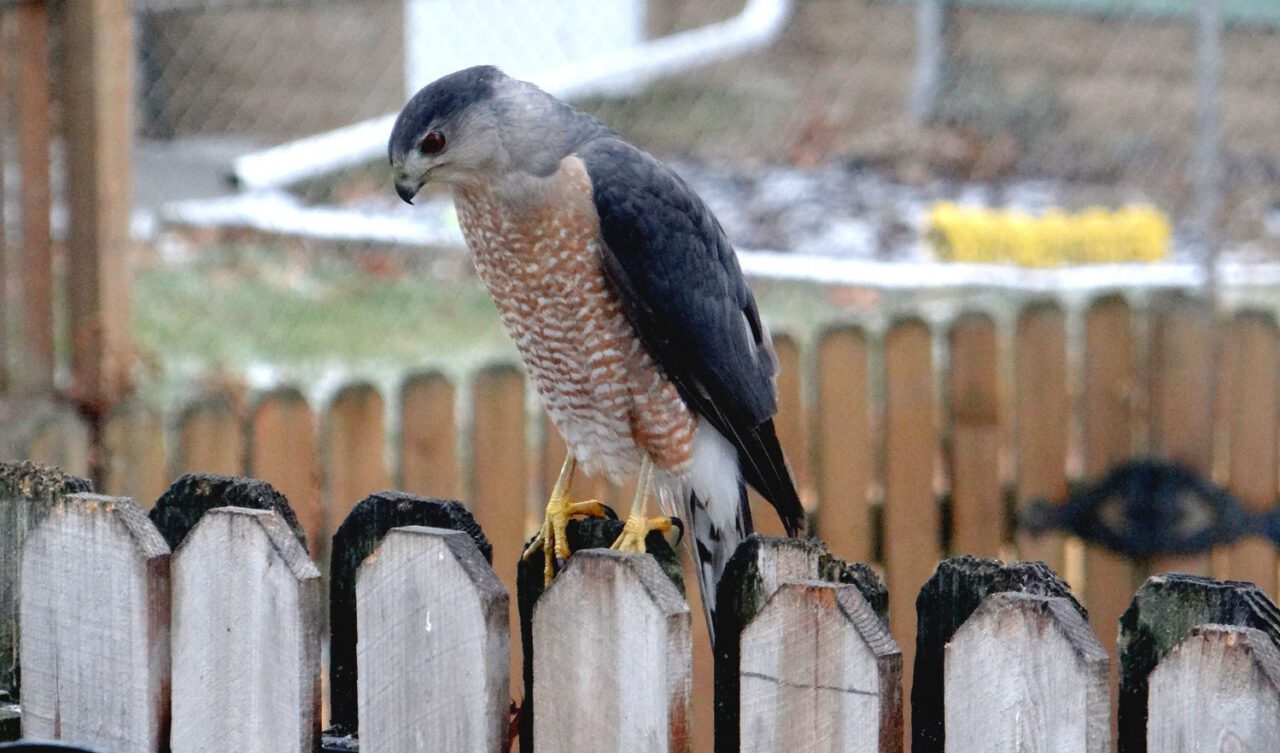
Image Source: www.allaboutbirds.org
How to Get Rid of Hawks in Your Yard: Effective & Humane Deterrents
Can you legally remove hawks from your property? Yes, you can implement humane deterrents and exclusion methods to discourage hawks from frequenting your yard, but harming or disturbing them is often illegal and unethical. This comprehensive guide will explore various strategies for effective and humane hawk deterrence, helping you scare hawks away and manage the presence of these magnificent birds of prey in your backyard. If you’re dealing with persistent raptors, learning how to remove raptors from your immediate living space without causing them harm is key.
Hawks are a natural part of the ecosystem, often drawn to yards that offer food sources, perching spots, or nesting opportunities. While their presence can be awe-inspiring, they can also pose a threat to smaller pets like cats and small dogs, and to backyard poultry. The goal is to make your yard less appealing to them, not to harm them. This involves understanding hawk behavior and employing a multi-pronged approach to bird of prey repellent.
Why Hawks Visit Your Yard
Before we dive into deterrents, let’s briefly touch on why hawks might choose your yard. Understanding their motivations can help us tailor our hawk deterrence strategies.
- Food Sources: Hawks are opportunistic hunters. If your yard contains rodents (mice, voles), insects, or even small birds, these can act as attractants. Even bird feeders, while intended for songbirds, can inadvertently attract hawks that prey on them.
- Perching and Roosting Spots: Hawks often survey their territory from high vantage points. Tall trees, utility poles, or even prominent structures in your yard can serve as ideal perches.
- Nesting Sites: During breeding season, hawks may seek out tall, secluded trees for nesting.
- Water Sources: Bird baths or nearby ponds can also be an attraction.
Humane Deterrent Strategies
The most effective way to manage hawks is to make your yard a less attractive habitat for them. This involves a combination of visual deterrents for hawks, auditory methods, and habitat modification.
Visual Deterrents for Hawks
These methods aim to confuse or frighten hawks by mimicking predators or creating unsettling visual cues.
Fake Predators
- Fake Owls for Hawks: Realistic-looking owl decoys, especially those with movable heads or eyes, can be effective. Place them strategically in areas where hawks are seen frequently, such as near potential perching spots or areas where prey might congregate.
- Placement is Key: Rotate the owl decoy’s location every few days to prevent hawks from realizing it’s not a real threat.
- Movement: Adding subtle movement, like hanging them with fishing line so they sway slightly in the wind, can increase their effectiveness.
- Predator Eye Balloons: These are large, inflatable balloons with large, menacing eyes printed on them. The eyes are meant to mimic those of a predator, startling hawks.
- Varied Designs: Look for designs with reflective elements that flash and move, further disorienting birds.
- Strategic Placement: Hang them from tree branches or poles in open areas where hawks typically fly.
Reflective and Moving Objects
- Mylar Tape and Reflective Ribbon: Shiny, reflective materials that flutter and flash in the sun can startle and deter hawks.
- Types: Mylar tape, old CDs, pie tins, or even shiny garden spinners can be used.
- Application: String them across areas where hawks fly or perch. The movement and light reflection can be unsettling for them.
- Wind Chimes and Spinners: While often used for aesthetic purposes, metallic or shiny wind chimes and garden spinners that move erratically can also serve as visual deterrents for hawks. Their unpredictable movement and sound can make an area seem less safe for raptors.
Scarecrows and Human Effigies
While traditional scarecrows might not be highly effective against intelligent raptors, variations that mimic human movement or have reflective elements could offer some deterrence. However, their effectiveness is generally considered lower compared to other methods.
Auditory Deterrents
Making your yard noisy or introducing sounds that mimic predator calls can also help scare hawks away.
Ultrasonic Hawk Repeller
These devices emit high-frequency sounds that are inaudible to humans but are designed to disturb birds.
- How They Work: The ultrasonic waves create an unpleasant environment for hawks, making them seek out quieter locations.
- Considerations:
- Effectiveness Varies: Results can be inconsistent, as some birds may habituate to the sounds over time.
- Range: Ensure the device has a sufficient range to cover the areas you want to protect.
- Power Source: Many are solar-powered, making them convenient for outdoor use.
Noise-Making Devices
- Propane Cannons: These devices emit loud, startling bangs at regular intervals. While effective at scaring away a variety of birds, they can also be disruptive to neighbors and should be used with caution and consideration for local ordinances.
- Air Horns: Manually operated air horns can be used to startle hawks when they are spotted. This requires constant vigilance and active intervention.
Scent-Based Deterrents
Some anecdotal evidence suggests certain scents can deter hawks.
Coyote Urine for Hawks
Coyote urine is a natural predator scent that can make hawks perceive their territory as being occupied by a larger predator.
- Application: It can be purchased in liquid or granular form. Apply it around the perimeter of your yard or near areas where hawks are frequently seen.
- Reapplication: Scent-based deterrents need to be reapplied regularly, especially after rain or watering, to maintain their effectiveness.
- Caveats: The effectiveness of coyote urine for hawks can be variable, and some sources suggest it may be more effective against mammals.
Habitat Modification and Exclusion
Altering your yard’s landscape to make it less hospitable to hawks and their prey is a proactive and long-term hawk deterrence strategy.
Reducing Prey Availability
The most effective way to remove raptors from your yard is to eliminate what attracts them in the first place – their food source.
- Rodent Control: Implement robust rodent control measures. Seal entry points to your home, keep garbage cans secured, and remove any potential nesting sites for rodents.
- Bird Feeder Management:
- Location: Move bird feeders away from open areas where hawks can easily ambush prey. Place them near dense shrubbery or trees that offer escape routes for smaller birds.
- Type of Seed: Avoid feeding seeds that attract larger birds or those that are more likely to be targeted by hawks.
- Cleanliness: Regularly clean feeders to prevent the accumulation of spilled seed, which can attract rodents.
- Protecting Poultry: If you keep chickens or other small birds, use secure enclosures (coops and runs) that are covered at the top. Hawks can dive from above, so overhead protection is crucial.
Physical Barriers and Exclusion
Creating physical barriers can prevent hawks from accessing certain areas.
- Netting: Fine-mesh netting can be draped over vulnerable areas, such as poultry runs or specific garden beds, to prevent hawks from reaching them. Ensure the netting is taut and securely fastened to prevent entanglement.
- Hawk Exclusion from Structures: If hawks are attempting to nest or perch on specific structures, consider installing deterrents like bird spikes or angled surfaces that make perching uncomfortable.
Creating Less Ideal Perching and Nesting Sites
- Pruning Trees: Trim dense foliage on lower branches of trees to reduce potential hiding spots for hawks while they survey for prey. However, avoid removing mature trees entirely, as this can disrupt the broader ecosystem.
- Removing Perching Options: If hawks are consistently perching on specific artificial structures (e.g., tall fence posts, statues), consider modifying these to make them less appealing for perching.
Falconry Deterrents: A Specialized Approach
While not a DIY method, understanding falconry deterrents offers insight into effective raptor management. Trained falcons or hawks are sometimes used to humanely drive away other raptors from areas like airports or agricultural lands.
- How it Works: The presence of a trained predator creates a natural deterrent for other raptors, signaling a potential threat.
- Professional Application: This is a specialized service typically employed by professionals and is not a practical solution for most homeowners.
Advanced Hawk Deterrence Technologies
Beyond simple decoys and visual aids, there are more advanced technological solutions for hawk deterrence.
Sonic and Ultrasonic Devices
We’ve already touched on ultrasonic repellers. There are also sonic devices that emit a broader range of sounds, including recordings of predator calls or distress calls of other birds.
- Effectiveness: Like ultrasonic devices, effectiveness can vary, and habituation is a concern.
- Targeted Use: These are often used in larger areas like farms or industrial sites.
Drone Deterrents
The use of drones to deter hawks is an emerging technology.
- How it Works: Drones can be programmed to fly in specific patterns, mimicking larger birds of prey or creating visual and auditory disturbances to keep hawks away.
- Advantages: Can cover larger areas and offer dynamic deterrence.
- Challenges: Cost, complexity of operation, and potential for habituation are factors to consider.
What Not To Do
It’s crucial to reiterate that harming or killing hawks is illegal and unethical. Hawks are protected under various wildlife laws, including the Migratory Bird Treaty Act in the United States.
- Never Harm a Hawk: Do not attempt to capture, injure, or kill any hawk. This can result in significant fines and legal penalties.
- Avoid Toxic Substances: Never use poisons or toxic materials to try and deter hawks. These can harm other wildlife, pets, and even humans.
- Respect Their Role: Hawks play a vital role in controlling rodent populations. While managing their presence in your yard, it’s important to respect their ecological function.
Combining Deterrents for Maximum Effectiveness
The most successful hawk deterrence strategies often involve a combination of methods. What might work for one hawk or in one situation may not work in another.
- Layered Approach: Use a combination of visual, auditory, and habitat modification techniques. For example, a fake owl decoy placed near a bird feeder with reflective tape strung nearby, coupled with reduced rodent activity in the yard, can be more effective than any single method alone.
- Observation: Pay attention to when and where hawks are most active in your yard. This can help you pinpoint the most effective placement for your deterrents.
- Adaptability: Be prepared to adjust your strategies. If one method isn’t working, try another or combine it with different approaches.
Frequently Asked Questions (FAQ)
Q1: How can I keep hawks from attacking my small pets?
A1: The best way to protect small pets is through supervision and secure enclosures. Never leave small pets like kittens, puppies, or small dogs unattended in an open yard where hawks can spot them. Utilize covered runs or keep them indoors during times of high hawk activity.
Q2: Are there any natural ways to repel hawks?
A2: Yes, natural deterrents include visual stimuli like shiny objects, reflective tape, and predator decoys (fake owls). Modifying your yard to reduce prey availability, such as controlling rodent populations, is also a natural and effective approach.
Q3: Will a fake owl for hawks really work?
A3: A fake owl can be an effective visual deterrent for hawks, especially if it’s realistic and moved regularly. However, hawks are intelligent and can become accustomed to stationary decoys. Rotating the owl’s position and incorporating some movement can significantly improve its effectiveness.
Q4: Can I use scare tactics like loud noises to get rid of hawks?
A4: Loud noises can temporarily scare hawks away, but they may become habituated over time. Devices like propane cannons can be effective but are often disruptive. Using handheld devices like air horns when you see a hawk is a more direct, though labor-intensive, method.
Q5: What is hawk exclusion?
A5: Hawk exclusion refers to methods used to prevent hawks from accessing specific areas, such as nesting sites or enclosed spaces where pets or poultry are kept. This can involve using physical barriers like netting or modifying structures to make them less hospitable for perching or nesting.
Q6: Is coyote urine for hawks a proven method?
A6: The effectiveness of coyote urine for hawks is based on the principle of predator scent deterrence. While anecdotal evidence exists, scientific studies specifically proving its efficacy against hawks are limited. It can be tried as one component of a multi-faceted deterrence strategy.
Q7: How do falconry deterrents work?
A7: Falconry deterrents involve the use of trained birds of prey, such as falcons, to chase away nuisance raptors. The presence of a natural predator creates an environment that is perceived as dangerous by other hawks, prompting them to avoid the area. This is a professional service.
Q8: Can I install an ultrasonic hawk repeller?
A8: Yes, an ultrasonic hawk repeller is a commercially available device that emits high-frequency sounds to deter birds. Its effectiveness can vary, and it’s often best used in conjunction with other deterrent methods.
Q9: What are the best visual deterrents for hawks?
A9: The best visual deterrents for hawks include realistic owl decoys, predator eye balloons, Mylar tape, reflective ribbons, and shiny garden spinners. The key is to create visual stimuli that mimic predators or create an unsettling, unpredictable environment for the hawks.
Q10: How do I remove raptors safely and humanely?
A10: To remove raptors humanely, focus on making your yard less attractive to them. This involves reducing food sources (rodents, unsecured prey), removing ideal perching spots, and using non-harmful deterrents. Never attempt to capture or harm the birds.